Peanuts, virginia, raw
Whole food · Legumes and Legume Products

Photo: Wikipedia
Virginia peanuts are the largest and most recognizable peanut variety, prized for their bold, nutty flavor and satisfyingly crunchy texture. With nearly 50g of healthy fats and over 25g of protein per 100g, they are a calorie-dense powerhouse of energy and satiety. Their classic, robust taste makes them the go-to for snacking and roasting.
💚 Why it's loved
People adore Virginia peanuts for their iconic, deeply savory flavor and hearty crunch that stands up well to roasting and salting. They are a beloved snack staple, from ballpark concessions to homemade trail mixes, embodying a sense of casual comfort and tradition.
⚠️ Watch-outs & how to enjoy it better
As a common and potent allergen, peanuts can cause severe reactions in sensitive individuals and must be strictly avoided. Their high calorie density means portion control is essential to prevent unintended weight gain. To mitigate, measure servings (like a handful), choose dry-roasted over oil-coated versions, and pair with fiber-rich foods like apple slices.
Key benefits
- Excellent source of plant-based protein for muscle maintenance.
- Rich in monounsaturated fats, which support heart health.
- High in dietary fiber to aid digestion and promote fullness.
- Contains key minerals like magnesium, phosphorus, and manganese.
- Provides a quick, sustained energy boost from healthy fats and protein.
🍽️ Popular dishes
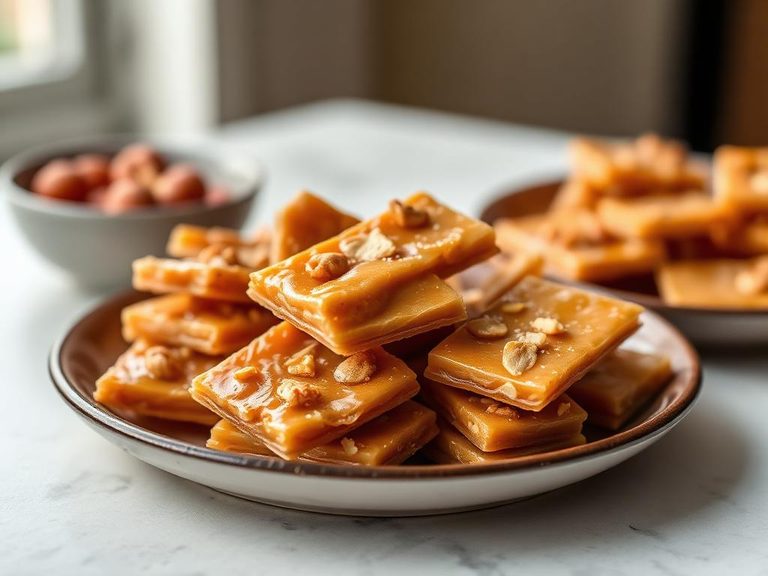
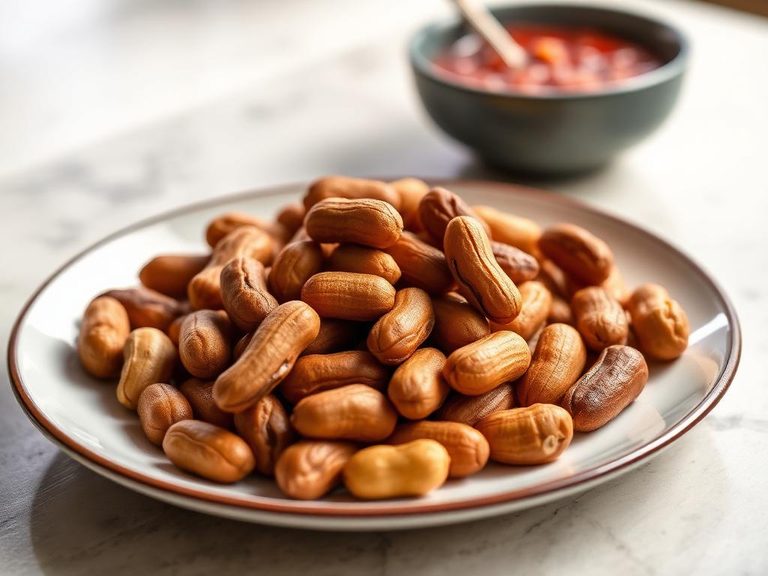
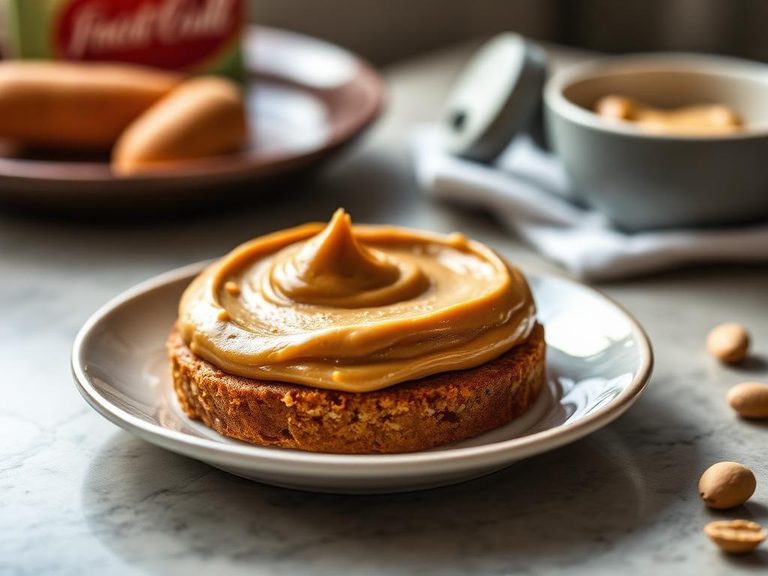
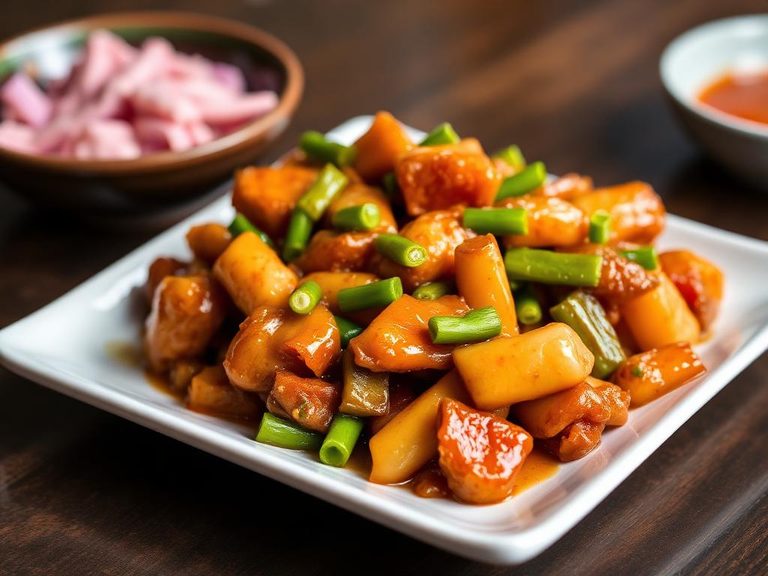
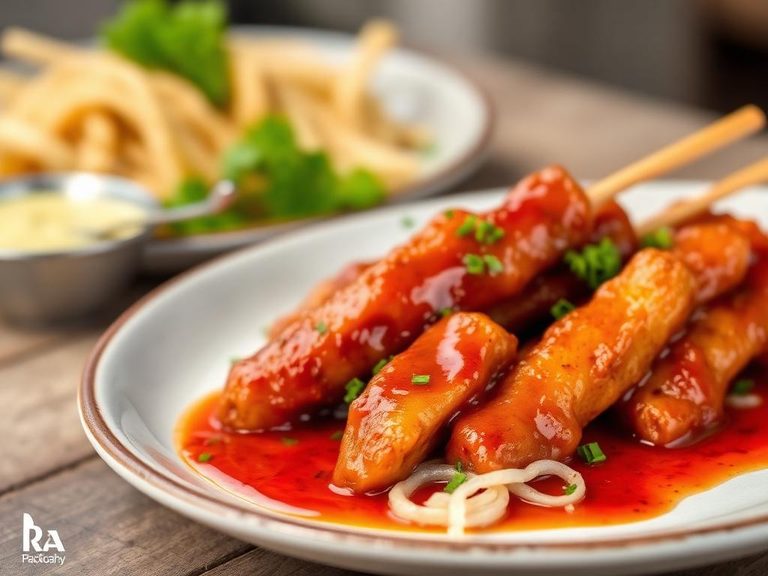
🌍 Where it's eaten
💡 Did you know?
Despite their name, Virginia peanuts are not native to Virginia; they were first cultivated commercially in the sandy soils of southeastern Virginia and northeastern North Carolina in the early 19th century.
Full nutrition (scales with serving)
| Water | 6.9 g |
| Energy | 563 kcal |
| Energy | 2356 kj |
| Protein | 25.2 g |
| Total lipid (fat) | 48.8 g |
| Ash | 2.6 g |
| Carbohydrate, by difference | 16.5 g |
| Fiber, total dietary | 8.5 g |
| Total Sugars | 4.0 g |
| Calcium, Ca | 89.0 mg |
| Iron, Fe | 2.5 mg |
| Magnesium, Mg | 171 mg |
| Phosphorus, P | 380 mg |
| Potassium, K | 690 mg |
| Sodium, Na | 10.0 mg |
| Zinc, Zn | 4.4 mg |
| Copper, Cu | 1.1 mg |
| Manganese, Mn | 1.7 mg |
| Selenium, Se | 7.1 ug |
| Vitamin C, total ascorbic acid | 0.00 mg |
| Thiamin | 0.65 mg |
| Riboflavin | 0.13 mg |
| Niacin | 12.4 mg |
| Pantothenic acid | 1.8 mg |
| Vitamin B-6 | 0.35 mg |
| Folate, total | 239 ug |
| Folic acid | 0.00 ug |
| Folate, food | 239 ug |
| Folate, DFE | 239 ug |
| Vitamin B-12 | 0.00 ug |
| Vitamin A, RAE | 0.00 ug |
| Retinol | 0.00 ug |
| Carotene, beta | 0.00 ug |
| Carotene, alpha | 0.00 ug |
| Cryptoxanthin, beta | 0.00 ug |
| Vitamin A, IU | 0.00 iu |
| Lycopene | 0.00 ug |
| Lutein + zeaxanthin | 0.00 ug |
| Vitamin E (alpha-tocopherol) | 6.6 mg |
| Vitamin D (D2 + D3), International Units | 0.00 iu |
| Vitamin D (D2 + D3) | 0.00 ug |
| Vitamin K (phylloquinone) | 0.00 ug |
| Alcohol, ethyl | 0.00 g |
| Caffeine | 0.00 mg |
| Theobromine | 0.00 mg |
Fat & fatty acid profile (per 100g)
| Fatty acids, total saturated | 6.4 g |
| SFA 4:0 | 0.00 g |
| SFA 6:0 | 0.00 g |
| SFA 8:0 | 0.04 g |
| SFA 10:0 | 0.04 g |
| SFA 12:0 | 0.04 g |
| SFA 14:0 | 0.01 g |
| SFA 16:0 | 5.0 g |
| SFA 18:0 | 1.3 g |
| Fatty acids, total monounsaturated | 25.6 g |
| MUFA 16:1 | 0.05 g |
| MUFA 18:1 | 24.7 g |
| MUFA 20:1 | 0.54 g |
| MUFA 22:1 | 0.00 g |
| Fatty acids, total polyunsaturated | 14.9 g |
| PUFA 18:2 | 14.7 g |
| PUFA 18:3 | 0.02 g |
| PUFA 18:4 | 0.00 g |
| PUFA 20:4 | 0.04 g |
| PUFA 20:5 n-3 (EPA) | 0.00 g |
| PUFA 22:5 n-3 (DPA) | 0.00 g |
| PUFA 22:6 n-3 (DHA) | 0.00 g |
| Fatty acids, total trans | 0.00 g |
| Cholesterol | 0.00 mg |
Amino acid profile (per 100g)
| Tryptophan | 0.24 g |
| Threonine | 0.86 g |
| Isoleucine | 0.89 g |
| Leucine | 1.6 g |
| Lysine | 0.90 g |
| Methionine | 0.31 g |
| Cystine | 0.32 g |
| Phenylalanine | 1.3 g |
| Tyrosine | 1.0 g |
| Valine | 1.1 g |
| Arginine | 3.0 g |
| Histidine | 0.64 g |
| Alanine | 1.0 g |
| Aspartic acid | 3.1 g |
| Glutamic acid | 5.3 g |
| Glycine | 1.5 g |
| Proline | 1.1 g |
| Serine | 1.2 g |
FAQ
Are raw Virginia peanuts safe to eat?
Raw peanuts can carry a risk of mold (like aflatoxin) and bacteria. They are generally recommended to be roasted or cooked to improve safety and digestibility.
How do Virginia peanuts differ from other types?
They are the largest of the four main peanut types (Runner, Spanish, Valencia, Virginia), with a milder, sweeter flavor and a distinctive two-seed pod, making them ideal for in-shell roasting.
What's the best way to store them?
For short-term use, store in an airtight container in a cool, dark place. For longer shelf life (up to 6 months), refrigerate or freeze them to prevent the oils from going rancid.