Lentils, mature seeds, cooked, boiled, without salt
Whole food · Legumes and Legume Products

Photo: Wikipedia
Mature lentils, once boiled, transform into tender, earthy morsels with a mild, nutty flavor and a texture that holds its shape beautifully. They are a nutritional powerhouse, offering an impressive 9 grams of protein and nearly 8 grams of fiber per 100g serving, all for just 116 calories. This humble legume delivers a substantial, satisfying bite that forms the backbone of comfort foods across the globe.
💚 Why it's loved
People love lentils for their incredible versatility and ability to absorb flavors while maintaining a pleasant, slightly firm texture. They are a staple of comforting, economical home cooking, forming the heart of dishes from hearty stews to vibrant salads across countless culinary traditions.
⚠️ Watch-outs & how to enjoy it better
Some find their earthy flavor plain or their texture too dense if overcooked. They contain oligosaccharides that can cause digestive gas in some individuals. To counteract this, start with smaller portions, rinse them well, and consider soaking them for a few hours before cooking. Pairing with digestive spices like cumin or ginger can also help.
Key benefits
- Excellent plant-based protein source
- High in dietary fiber for digestive health
- Rich in folate, iron, and manganese
- Low in fat and naturally cholesterol-free
- Provides complex carbohydrates for sustained energy
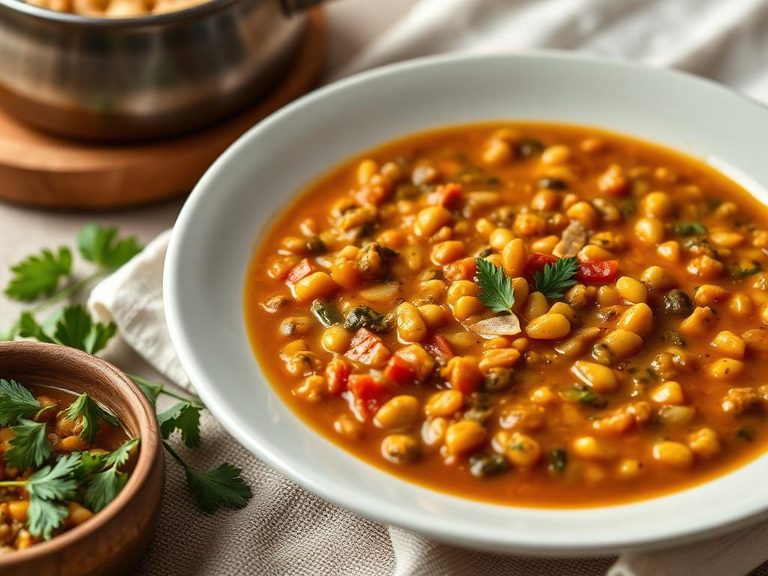
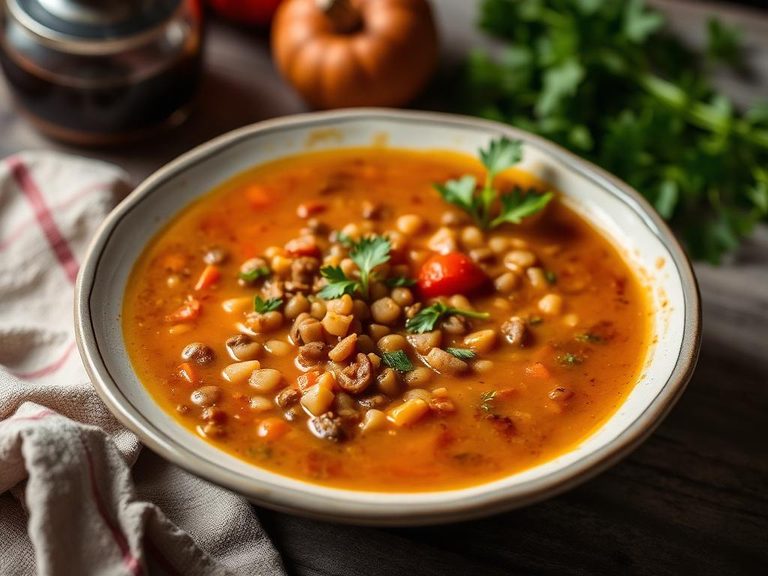
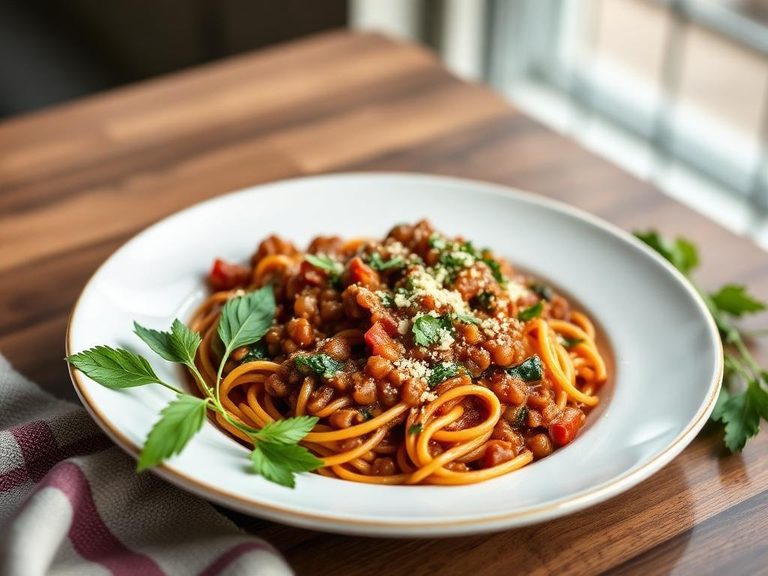
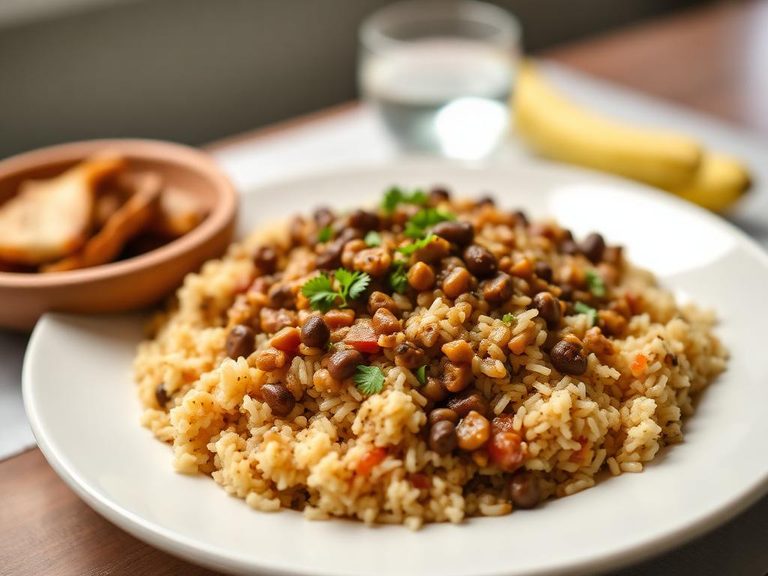
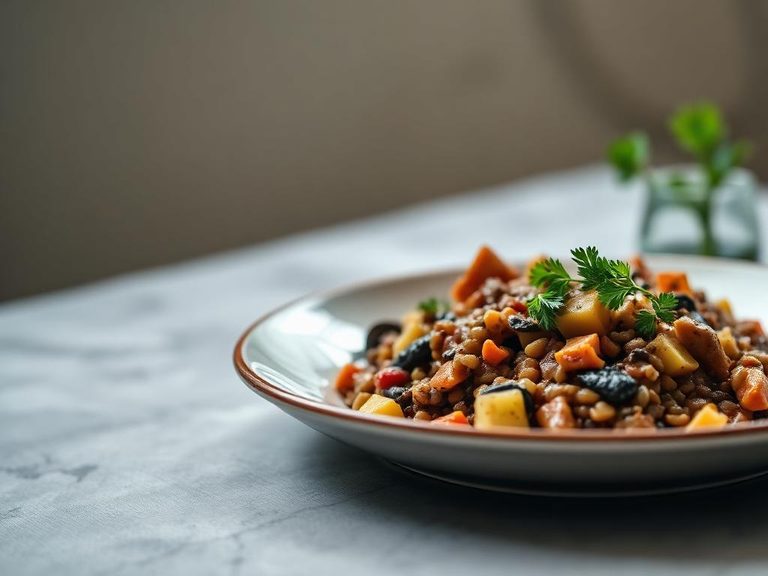
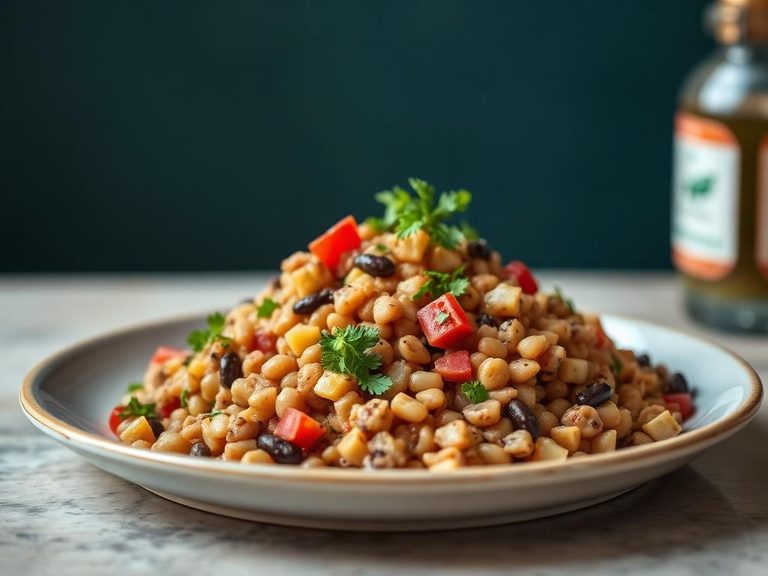
🍽️ Popular dishes
🌍 Where it's eaten
💡 Did you know?
Archaeological evidence suggests lentils were one of the first crops domesticated in the Near East, with remains found in sites dating back to 8000 BCE, making them a truly ancient food.
Full nutrition (scales with serving)
| Water | 69.6 g |
| Energy | 116 kcal |
| Energy | 487 kj |
| Protein | 9.0 g |
| Total lipid (fat) | 0.38 g |
| Ash | 0.83 g |
| Carbohydrate, by difference | 20.1 g |
| Fiber, total dietary | 7.9 g |
| Total Sugars | 1.8 g |
| Calcium, Ca | 19.0 mg |
| Iron, Fe | 3.3 mg |
| Magnesium, Mg | 36.0 mg |
| Phosphorus, P | 180 mg |
| Potassium, K | 369 mg |
| Sodium, Na | 2.0 mg |
| Zinc, Zn | 1.3 mg |
| Copper, Cu | 0.25 mg |
| Manganese, Mn | 0.49 mg |
| Selenium, Se | 2.8 ug |
| Vitamin C, total ascorbic acid | 1.5 mg |
| Thiamin | 0.17 mg |
| Riboflavin | 0.07 mg |
| Niacin | 1.1 mg |
| Pantothenic acid | 0.64 mg |
| Vitamin B-6 | 0.18 mg |
| Folate, total | 181 ug |
| Folic acid | 0.00 ug |
| Folate, food | 181 ug |
| Folate, DFE | 181 ug |
| Choline, total | 32.7 mg |
| Vitamin B-12 | 0.00 ug |
| Vitamin B-12, added | 0.00 ug |
| Vitamin A, RAE | 0.00 ug |
| Retinol | 0.00 ug |
| Carotene, beta | 5.0 ug |
| Carotene, alpha | 0.00 ug |
| Cryptoxanthin, beta | 0.00 ug |
| Vitamin A, IU | 8.0 iu |
| Lycopene | 0.00 ug |
| Lutein + zeaxanthin | 0.00 ug |
| Vitamin E (alpha-tocopherol) | 0.11 mg |
| Vitamin E, added | 0.00 mg |
| Vitamin D (D2 + D3), International Units | 0.00 iu |
| Vitamin D (D2 + D3) | 0.00 ug |
| Vitamin K (phylloquinone) | 1.7 ug |
| Alcohol, ethyl | 0.00 g |
| Caffeine | 0.00 mg |
| Theobromine | 0.00 mg |
Fat & fatty acid profile (per 100g)
| Fatty acids, total saturated | 0.05 g |
| SFA 4:0 | 0.00 g |
| SFA 6:0 | 0.00 g |
| SFA 8:0 | 0.00 g |
| SFA 10:0 | 0.00 g |
| SFA 12:0 | 0.00 g |
| SFA 14:0 | 0.00 g |
| SFA 16:0 | 0.04 g |
| SFA 18:0 | 0.01 g |
| Fatty acids, total monounsaturated | 0.06 g |
| MUFA 16:1 | 0.00 g |
| MUFA 18:1 | 0.06 g |
| MUFA 20:1 | 0.00 g |
| MUFA 22:1 | 0.00 g |
| Fatty acids, total polyunsaturated | 0.17 g |
| PUFA 18:2 | 0.14 g |
| PUFA 18:3 | 0.04 g |
| PUFA 18:4 | 0.00 g |
| PUFA 20:4 | 0.00 g |
| PUFA 20:5 n-3 (EPA) | 0.00 g |
| PUFA 22:5 n-3 (DPA) | 0.00 g |
| PUFA 22:6 n-3 (DHA) | 0.00 g |
| Fatty acids, total trans | 0.00 g |
| Cholesterol | 0.00 mg |
Amino acid profile (per 100g)
| Tryptophan | 0.08 g |
| Threonine | 0.32 g |
| Isoleucine | 0.39 g |
| Leucine | 0.65 g |
| Lysine | 0.63 g |
| Methionine | 0.08 g |
| Cystine | 0.12 g |
| Phenylalanine | 0.45 g |
| Tyrosine | 0.24 g |
| Valine | 0.45 g |
| Arginine | 0.70 g |
| Histidine | 0.25 g |
| Alanine | 0.38 g |
| Aspartic acid | 1.00 g |
| Glutamic acid | 1.4 g |
| Glycine | 0.37 g |
| Proline | 0.38 g |
| Serine | 0.42 g |
FAQ
Do I need to soak lentils before cooking?
Unlike many dried beans, lentils do not require soaking. They cook relatively quickly (15-25 minutes). However, a quick rinse and picking over for debris is recommended. Soaking for a few hours can reduce cooking time and may aid digestibility for some people.
What's the difference between brown, green, and red lentils?
Brown and green lentils hold their shape well after cooking, making them ideal for salads and stews. Red and yellow lentils are split and cook down into a soft, creamy purée, perfect for soups like dal. The nutritional profile is very similar across colors.
How can I add more flavor to plain boiled lentils?
Sauté onions, garlic, and carrots as a base before adding the lentils and liquid. Cook them in vegetable or chicken broth instead of water. Add bay leaves, cumin, coriander, or turmeric during cooking. A splash of vinegar or lemon juice at the end brightens the flavor.