Cheese, blue
Whole food · Dairy and Egg Products

Photo: Wikipedia
Blue cheese is a bold, pungent cheese characterized by its distinctive blue or green veins of mold, which create a complex, sharp, and often salty flavor with a creamy yet crumbly texture. Nutritionally, it is a powerhouse of protein and fat, providing a substantial 21.4 grams of protein and 28.74 grams of fat per 100 grams, making it very satiating. Its near-zero carbohydrate content makes it a staple in low-carb and ketogenic diets.
💚 Why it's loved
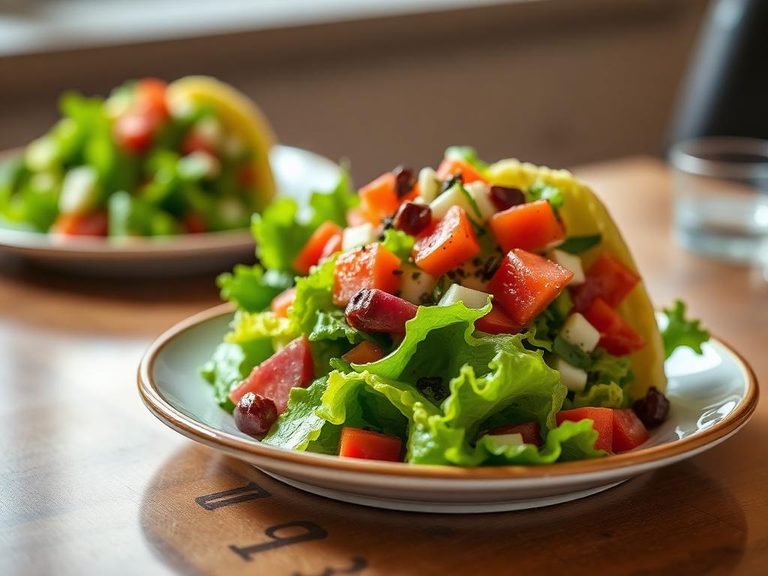
People love blue cheese for its intensely savory, umami-rich flavor that can elevate simple dishes like salads, steaks, and burgers. Its cultural significance in gourmet cuisine and regional traditions, like the French Roquefort or English Stilton, adds to its appeal as a luxurious ingredient.
⚠️ Watch-outs & how to enjoy it better
The high sodium and saturated fat content can be a concern for those monitoring blood pressure or heart health. Its strong flavor and smell are polarizing, and it is a common dairy allergen. To counteract sodium, pair it with potassium-rich foods like leafy greens or unsalted nuts, and practice portion control by crumbling a small amount over dishes instead of eating it alone.
Key benefits
- Excellent source of complete protein for muscle maintenance.
- Rich in calcium for bone health.
- Contains probiotics from the aging process.
- Provides vitamin K2, important for calcium metabolism.
- Very low in carbohydrates, suitable for ketogenic diets.
🍽️ Popular dishes
🌍 Where it's eaten
💡 Did you know?
The blue or green veins in blue cheese are intentionally introduced by adding specific mold spores (like *Penicillium roqueforti*) to the cheese, and the cheese is then pierced with needles to allow air in, creating the characteristic pockets for the mold to grow.
Full nutrition (scales with serving)
| Water | 42.4 g |
| Energy | 353 kcal |
| Energy | 1477 kj |
| Protein | 21.4 g |
| Total lipid (fat) | 28.7 g |
| Ash | 5.1 g |
| Carbohydrate, by difference | 2.3 g |
| Fiber, total dietary | 0.00 g |
| Total Sugars | 0.50 g |
| Calcium, Ca | 528 mg |
| Iron, Fe | 0.31 mg |
| Magnesium, Mg | 23.0 mg |
| Phosphorus, P | 387 mg |
| Potassium, K | 256 mg |
| Sodium, Na | 1146 mg |
| Zinc, Zn | 2.7 mg |
| Copper, Cu | 0.04 mg |
| Manganese, Mn | 0.01 mg |
| Selenium, Se | 14.5 ug |
| Vitamin C, total ascorbic acid | 0.00 mg |
| Thiamin | 0.03 mg |
| Riboflavin | 0.38 mg |
| Niacin | 1.0 mg |
| Pantothenic acid | 1.7 mg |
| Vitamin B-6 | 0.17 mg |
| Folate, total | 36.0 ug |
| Folic acid | 0.00 ug |
| Folate, food | 36.0 ug |
| Folate, DFE | 36.0 ug |
| Choline, total | 15.4 mg |
| Vitamin B-12 | 1.2 ug |
| Vitamin B-12, added | 0.00 ug |
| Vitamin A, RAE | 198 ug |
| Retinol | 192 ug |
| Carotene, beta | 74.0 ug |
| Carotene, alpha | 0.00 ug |
| Cryptoxanthin, beta | 0.00 ug |
| Vitamin A, IU | 721 iu |
| Lycopene | 0.00 ug |
| Lutein + zeaxanthin | 0.00 ug |
| Vitamin E (alpha-tocopherol) | 0.25 mg |
| Vitamin E, added | 0.00 mg |
| Vitamin D (D2 + D3), International Units | 21.0 iu |
| Vitamin D (D2 + D3) | 0.50 ug |
| Vitamin D3 (cholecalciferol) | 0.50 ug |
| Vitamin K (phylloquinone) | 2.4 ug |
| Alcohol, ethyl | 0.00 g |
| Caffeine | 0.00 mg |
| Theobromine | 0.00 mg |
Fat & fatty acid profile (per 100g)
| Fatty acids, total saturated | 18.7 g |
| SFA 4:0 | 0.66 g |
| SFA 6:0 | 0.36 g |
| SFA 8:0 | 0.25 g |
| SFA 10:0 | 0.60 g |
| SFA 12:0 | 0.49 g |
| SFA 14:0 | 3.3 g |
| SFA 16:0 | 9.2 g |
| SFA 18:0 | 3.2 g |
| Fatty acids, total monounsaturated | 7.8 g |
| MUFA 16:1 | 0.82 g |
| MUFA 18:1 | 6.6 g |
| MUFA 20:1 | 0.00 g |
| MUFA 22:1 | 0.00 g |
| Fatty acids, total polyunsaturated | 0.80 g |
| PUFA 18:2 | 0.54 g |
| PUFA 18:3 | 0.26 g |
| PUFA 18:4 | 0.00 g |
| PUFA 20:4 | 0.00 g |
| PUFA 20:5 n-3 (EPA) | 0.00 g |
| PUFA 22:5 n-3 (DPA) | 0.00 g |
| PUFA 22:6 n-3 (DHA) | 0.00 g |
| Cholesterol | 75.0 mg |
Amino acid profile (per 100g)
| Tryptophan | 0.31 g |
| Threonine | 0.79 g |
| Isoleucine | 1.1 g |
| Leucine | 1.9 g |
| Lysine | 1.9 g |
| Methionine | 0.58 g |
| Cystine | 0.11 g |
| Phenylalanine | 1.1 g |
| Tyrosine | 1.3 g |
| Valine | 1.6 g |
| Arginine | 0.71 g |
| Histidine | 0.76 g |
| Alanine | 0.64 g |
| Aspartic acid | 1.4 g |
| Glutamic acid | 5.2 g |
| Glycine | 0.41 g |
| Proline | 2.1 g |
| Serine | 1.1 g |
FAQ
Is the mold in blue cheese safe to eat?
Yes, the mold used in blue cheese (such as *Penicillium roqueforti* or *P. gorgonzolae*) is safe and edible. It is a specific, controlled strain that contributes to the cheese's flavor and texture, unlike harmful molds.
How should blue cheese be stored?
Wrap it tightly in cheese paper or wax paper, then place it in a loosely sealed plastic bag in the refrigerator. This allows it to breathe without drying out. It can last for several weeks, and its flavor may intensify with age.
Can I eat the rind?
It depends on the type. Many blue cheeses, like Roquefort or Gorgonzola, have edible rinds. Others may have a natural or washed rind that is also edible but can be stronger in flavor. If in doubt, taste a small piece of the rind first.