Fish, mackerel, Pacific and jack, mixed species, cooked, dry heat
Whole food · Finfish and Shellfish Products

Photo: Wikipedia
Pacific mackerel and jack, cooked by dry heat, transforms into a firm, flaky, and deeply savory fish with a pronounced, oily richness. Its high protein and healthy fat content make it a nutrient-dense choice, delivering a substantial 25.73g of protein per 100g serving. The cooking method concentrates its robust, oceanic flavor, resulting in a satisfying, steak-like texture.
💚 Why it's loved
People love it for its bold, meaty flavor that stands up to strong seasonings and grilling, offering a satisfying alternative to milder fish. Its versatility makes it a staple in everything from simple weeknight fillets to complex, slow-cooked stews across global cuisines.
⚠️ Watch-outs & how to enjoy it better
Its strong, oily flavor can be overpowering for those who prefer mild fish, and it is a common fish allergen. To mitigate the intensity, pair it with bright, acidic elements like lemon, vinegar-based sauces, or fresh herbs to cut through the richness. For those with fish allergies, this is a food to strictly avoid.
Key benefits
- Excellent source of high-quality protein for muscle maintenance.
- Rich in omega-3 fatty acids (EPA and DHA) for heart and brain health.
- Provides essential vitamins like B12 and niacin.
- Naturally low in carbohydrates and sugars.
- Good source of minerals like selenium and phosphorus.
🍽️ Popular dishes
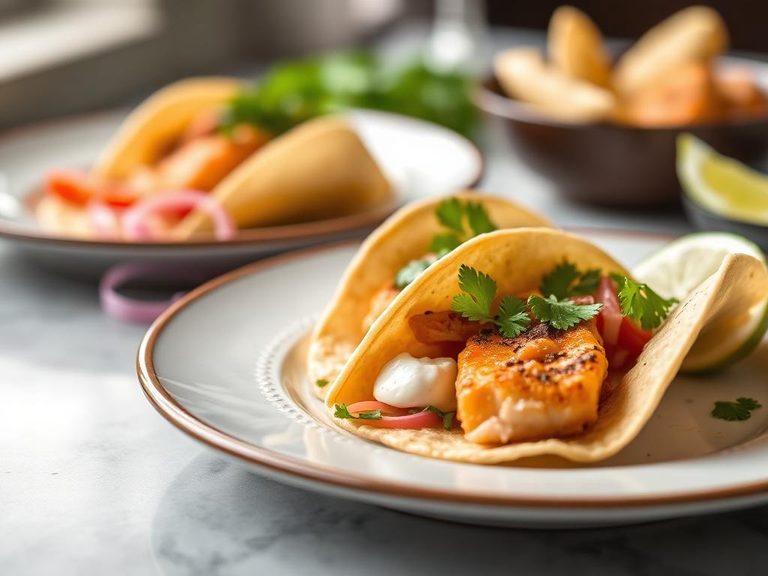
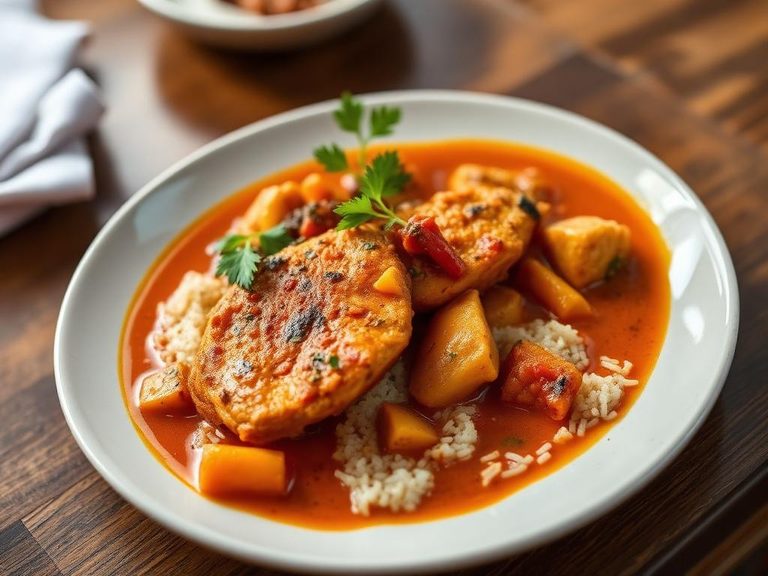
🌍 Where it's eaten
💡 Did you know?
Mackerel is one of the few fish that can be successfully canned and still retain its firm texture and rich flavor, which is why it's a global staple in tinned fish collections.
Full nutrition (scales with serving)
| Water | 61.7 g |
| Energy | 201 kcal |
| Energy | 841 kj |
| Protein | 25.7 g |
| Total lipid (fat) | 10.1 g |
| Ash | 2.1 g |
| Carbohydrate, by difference | 0.00 g |
| Fiber, total dietary | 0.00 g |
| Total Sugars | 0.00 g |
| Calcium, Ca | 29.0 mg |
| Iron, Fe | 1.5 mg |
| Magnesium, Mg | 36.0 mg |
| Phosphorus, P | 160 mg |
| Potassium, K | 521 mg |
| Sodium, Na | 110 mg |
| Zinc, Zn | 0.86 mg |
| Copper, Cu | 0.12 mg |
| Manganese, Mn | 0.02 mg |
| Selenium, Se | 46.8 ug |
| Vitamin C, total ascorbic acid | 2.1 mg |
| Thiamin | 0.14 mg |
| Riboflavin | 0.54 mg |
| Niacin | 10.7 mg |
| Pantothenic acid | 0.36 mg |
| Vitamin B-6 | 0.38 mg |
| Folate, total | 2.0 ug |
| Folic acid | 0.00 ug |
| Folate, food | 2.0 ug |
| Folate, DFE | 2.0 ug |
| Choline, total | 83.6 mg |
| Vitamin B-12 | 4.2 ug |
| Vitamin B-12, added | 0.00 ug |
| Vitamin A, RAE | 23.0 ug |
| Retinol | 23.0 ug |
| Carotene, beta | 0.00 ug |
| Carotene, alpha | 0.00 ug |
| Cryptoxanthin, beta | 0.00 ug |
| Vitamin A, IU | 77.0 iu |
| Lycopene | 0.00 ug |
| Lutein + zeaxanthin | 0.00 ug |
| Vitamin E (alpha-tocopherol) | 1.3 mg |
| Vitamin E, added | 0.00 mg |
| Vitamin D (D2 + D3), International Units | 457 iu |
| Vitamin D (D2 + D3) | 11.4 ug |
| Vitamin D3 (cholecalciferol) | 11.4 ug |
| Vitamin K (phylloquinone) | 0.10 ug |
| Alcohol, ethyl | 0.00 g |
| Caffeine | 0.00 mg |
| Theobromine | 0.00 mg |
Fat & fatty acid profile (per 100g)
| Fatty acids, total saturated | 2.9 g |
| SFA 4:0 | 0.00 g |
| SFA 6:0 | 0.00 g |
| SFA 8:0 | 0.00 g |
| SFA 10:0 | 0.00 g |
| SFA 12:0 | 0.01 g |
| SFA 14:0 | 0.44 g |
| SFA 16:0 | 1.8 g |
| SFA 18:0 | 0.56 g |
| Fatty acids, total monounsaturated | 3.4 g |
| MUFA 16:1 | 0.60 g |
| MUFA 18:1 | 1.7 g |
| MUFA 20:1 | 0.42 g |
| MUFA 22:1 | 0.62 g |
| Fatty acids, total polyunsaturated | 2.5 g |
| PUFA 18:2 | 0.15 g |
| PUFA 18:3 | 0.06 g |
| PUFA 18:4 | 0.16 g |
| PUFA 20:4 | 0.10 g |
| PUFA 20:5 n-3 (EPA) | 0.65 g |
| PUFA 22:5 n-3 (DPA) | 0.16 g |
| PUFA 22:6 n-3 (DHA) | 1.2 g |
| Cholesterol | 60.0 mg |
Amino acid profile (per 100g)
| Tryptophan | 0.29 g |
| Threonine | 1.1 g |
| Isoleucine | 1.2 g |
| Leucine | 2.1 g |
| Lysine | 2.4 g |
| Methionine | 0.76 g |
| Cystine | 0.28 g |
| Phenylalanine | 1.0 g |
| Tyrosine | 0.87 g |
| Valine | 1.3 g |
| Arginine | 1.5 g |
| Histidine | 0.76 g |
| Alanine | 1.6 g |
| Aspartic acid | 2.6 g |
| Glutamic acid | 3.8 g |
| Glycine | 1.2 g |
| Proline | 0.91 g |
| Serine | 1.1 g |
FAQ
How is dry-heat cooking different for this fish?
Dry-heat methods like grilling, broiling, or pan-searing use high, direct heat without liquid, which helps to crisp the skin, concentrate the savory flavors, and create a desirable flaky texture while retaining the fish's natural oils.
Is this fish high in mercury?
Pacific mackerel is generally considered a low-mercury fish, making it a safer choice for regular consumption compared to larger predatory fish like swordfish or king mackerel (a different species).
What's the best way to store cooked mackerel?
Store cooked mackerel in an airtight container in the refrigerator for up to 3 days. For longer storage, you can freeze it for up to 3 months, though the texture may become slightly softer upon reheating.