Ice creams, regular, low carbohydrate, vanilla
Whole food · Sweets

Photo: Wikipedia
This is a low-carb, high-fiber vanilla ice cream designed for those seeking a creamy, sweet treat without the typical sugar load. Its texture is smooth and rich, with a classic, sweet vanilla bean flavor profile that closely mimics traditional ice cream. Nutritionally, it stands out for providing a satisfying dessert with significantly fewer net carbs and sugars than regular ice cream.
💚 Why it's loved
People love it because it delivers the nostalgic, comforting experience of classic vanilla ice cream—creamy, sweet, and indulgent—without derailing specific dietary goals. Its versatility makes it a perfect base for toppings or a standalone dessert that feels like a genuine treat.
⚠️ Watch-outs & how to enjoy it better
Despite being low-carb, it is still a high-fat, calorie-dense food, and overconsumption can hinder weight management. Some formulations may use sugar alcohols like erythritol, which can cause digestive discomfort (bloating, gas) in sensitive individuals. Tip: Start with a small portion to assess tolerance, and pair it with a source of additional protein (like nuts) to enhance fullness.
Key benefits
- Supports lower blood sugar impact due to reduced sugar and added fiber.
- Provides a source of dietary fiber, which is uncommon in frozen desserts.
- Offers a high-fat, moderate-protein profile that can promote satiety.
- Serves as a compliant option for low-carb or ketogenic dietary patterns.
🍽️ Popular dishes
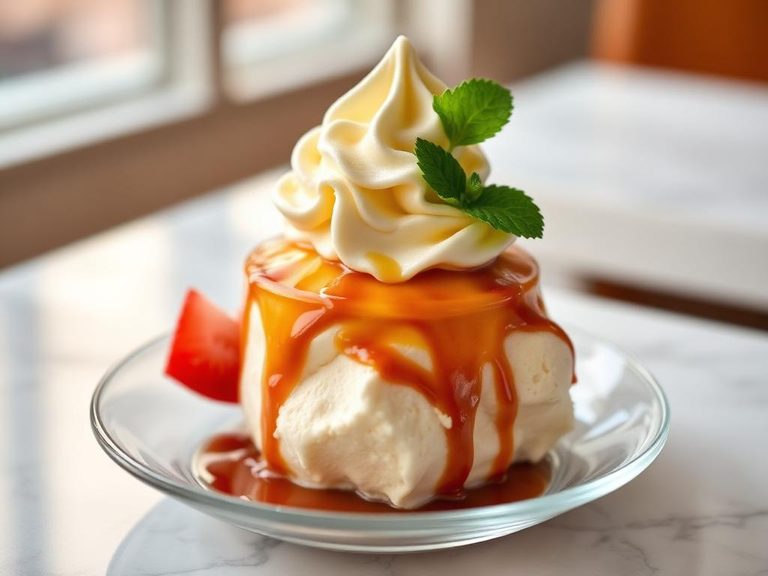

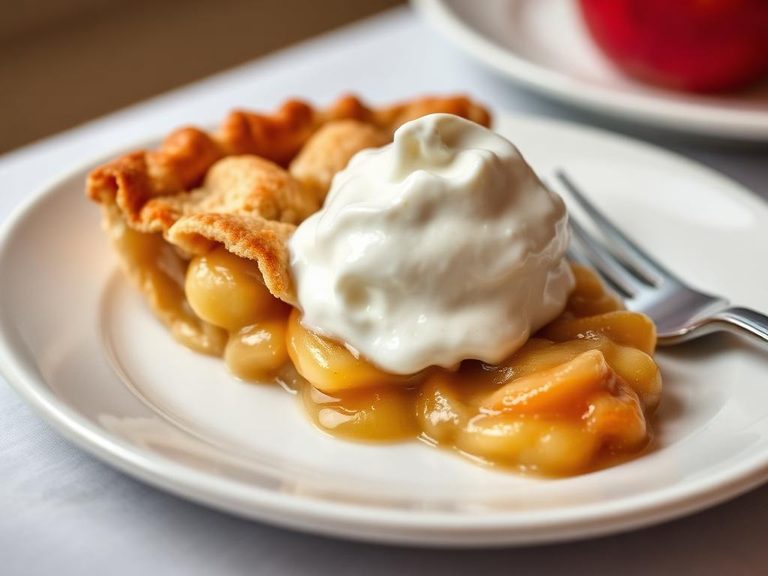
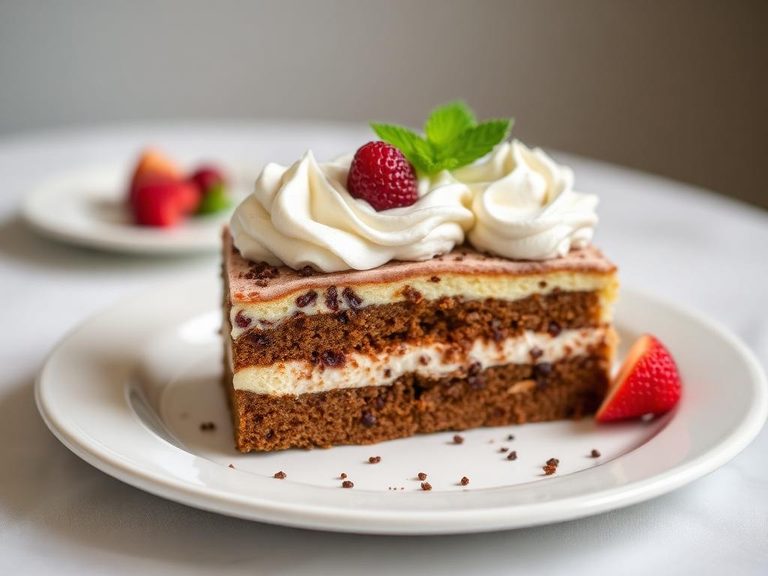
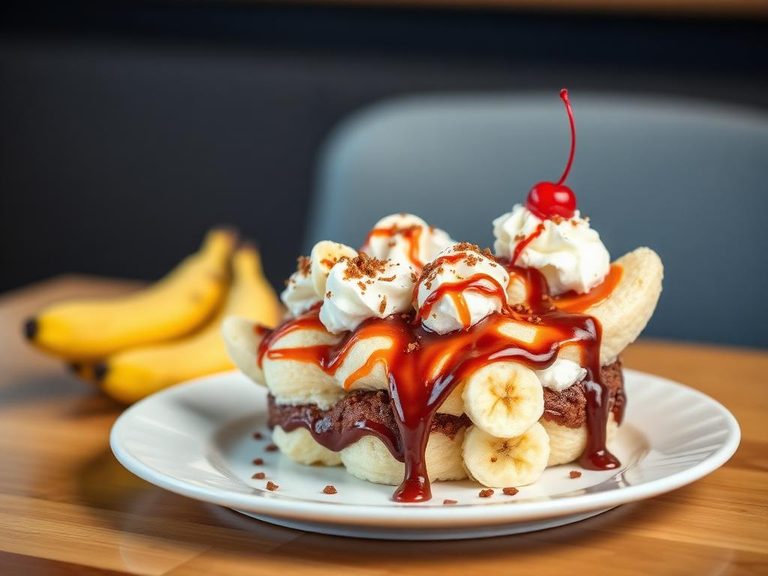

🌍 Where it's eaten
💡 Did you know?
Vanilla is the world's most popular ice cream flavor, and its primary flavor compound, vanillin, is now predominantly synthesized from lignin, a byproduct of the wood pulp industry, rather than harvested from vanilla orchid pods.
Full nutrition (scales with serving)
| Water | 61.0 g |
| Energy | 216 kcal |
| Energy | 903 kj |
| Protein | 3.2 g |
| Total lipid (fat) | 12.7 g |
| Ash | 0.90 g |
| Carbohydrate, by difference | 22.2 g |
| Fiber, total dietary | 4.8 g |
| Total Sugars | 6.3 g |
| Calcium, Ca | 128 mg |
| Iron, Fe | 0.09 mg |
| Magnesium, Mg | 14.0 mg |
| Phosphorus, P | 105 mg |
| Potassium, K | 199 mg |
| Sodium, Na | 48.0 mg |
| Zinc, Zn | 0.69 mg |
| Copper, Cu | 0.02 mg |
| Manganese, Mn | 0.01 mg |
| Selenium, Se | 2.6 ug |
| Vitamin C, total ascorbic acid | 0.60 mg |
| Thiamin | 0.04 mg |
| Riboflavin | 0.24 mg |
| Niacin | 0.12 mg |
| Pantothenic acid | 0.58 mg |
| Vitamin B-6 | 0.05 mg |
| Folate, total | 5.0 ug |
| Folic acid | 0.00 ug |
| Folate, food | 5.0 ug |
| Folate, DFE | 5.0 ug |
| Choline, total | 26.0 mg |
| Vitamin B-12 | 0.39 ug |
| Vitamin B-12, added | 0.00 ug |
| Vitamin A, RAE | 118 ug |
| Retinol | 116 ug |
| Carotene, beta | 19.0 ug |
| Carotene, alpha | 0.00 ug |
| Cryptoxanthin, beta | 0.00 ug |
| Vitamin A, IU | 418 iu |
| Lycopene | 0.00 ug |
| Lutein + zeaxanthin | 0.00 ug |
| Vitamin E (alpha-tocopherol) | 0.30 mg |
| Vitamin E, added | 0.00 mg |
| Vitamin D (D2 + D3), International Units | 9.0 iu |
| Vitamin D (D2 + D3) | 0.20 ug |
| Vitamin D3 (cholecalciferol) | 0.20 ug |
| Vitamin K (phylloquinone) | 0.30 ug |
| Alcohol, ethyl | 0.00 g |
| Caffeine | 0.00 mg |
| Theobromine | 0.00 mg |
Fat & fatty acid profile (per 100g)
| Fatty acids, total saturated | 6.8 g |
| SFA 4:0 | 0.36 g |
| SFA 6:0 | 0.21 g |
| SFA 8:0 | 0.12 g |
| SFA 10:0 | 0.28 g |
| SFA 12:0 | 0.31 g |
| SFA 14:0 | 1.1 g |
| SFA 16:0 | 3.1 g |
| SFA 18:0 | 1.3 g |
| Fatty acids, total monounsaturated | 3.2 g |
| MUFA 16:1 | 0.25 g |
| MUFA 18:1 | 2.9 g |
| MUFA 20:1 | 0.00 g |
| MUFA 22:1 | 0.00 g |
| Fatty acids, total polyunsaturated | 0.41 g |
| PUFA 18:2 | 0.25 g |
| PUFA 18:3 | 0.16 g |
| PUFA 18:4 | 0.00 g |
| PUFA 20:4 | 0.00 g |
| PUFA 20:5 n-3 (EPA) | 0.00 g |
| PUFA 22:5 n-3 (DPA) | 0.00 g |
| PUFA 22:6 n-3 (DHA) | 0.00 g |
| Cholesterol | 32.0 mg |
Amino acid profile (per 100g)
| Tryptophan | 0.04 g |
| Threonine | 0.15 g |
| Isoleucine | 0.20 g |
| Leucine | 0.32 g |
| Lysine | 0.26 g |
| Methionine | 0.08 g |
| Cystine | 0.03 g |
| Phenylalanine | 0.16 g |
| Tyrosine | 0.15 g |
| Valine | 0.22 g |
| Arginine | 0.13 g |
| Histidine | 0.09 g |
| Alanine | 0.12 g |
| Aspartic acid | 0.25 g |
| Glutamic acid | 0.68 g |
| Glycine | 0.09 g |
| Proline | 0.33 g |
| Serine | 0.18 g |
FAQ
How does the nutrition of low-carb ice cream compare to regular ice cream?
Per 100g, this low-carb version has about 216 kcal, 22g carbs, and 6g sugar. Regular vanilla ice cream typically has around 207 kcal, 24g carbs, and 21g sugar, with less fiber. The key difference is the significantly lower sugar and higher fiber content in the low-carb variety.
Is this suitable for people with diabetes?
It can be a better option than regular ice cream due to its lower sugar content, which may cause a smaller blood glucose spike. However, it still contains carbohydrates and calories. Individuals with diabetes should check the specific nutrition label, consider portion size, and possibly pair it with a protein source to help manage blood sugar response.
Why does it have more fiber than regular ice cream?
Low-carb ice creams often use added soluble fibers like chicory root fiber (inulin) or polydextrose to replace the bulk and texture of sugar. These fibers contribute to the total carbohydrate count but are not fully digested, resulting in a lower net carb impact.