

Yogurt, low fat milk, flavors other than fruit
Common food
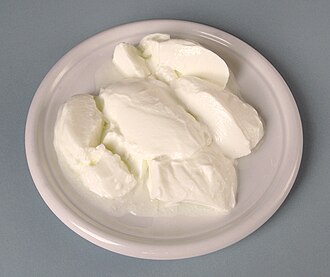
Photo: Wikipedia
A smooth, creamy cultured dairy product made from low-fat milk with added flavors like vanilla, honey, or maple. Its texture is velvety and pourable, with a gentle tang balanced by sweetness. It's a protein-rich snack, offering about 4.5 grams per 100 grams, with most of its calories coming from naturally occurring and added sugars.
Calorie split: 22% protein · 63% carbs · 15% fat
↓ Full nutrition💚 Why it's loved
People love it for its comforting, creamy texture and the perfect balance of tang and sweetness that makes it feel like a treat. It's a beloved breakfast staple and snack across cultures, prized for its versatility in everything from smoothies to sauces.
⚠️ Watch-outs & how to enjoy it better
The primary downside is its high sugar content, which can cause blood-sugar spikes, especially for those monitoring glucose levels. It may also contain added thickeners or artificial flavors. To counteract this, choose plain varieties and sweeten with fruit yourself, or pair it with a handful of nuts or seeds to add fiber and healthy fats that slow sugar absorption.
Key benefits
- Good source of high-quality protein for satiety and muscle maintenance.
- Contains live probiotics (in traditional preparations) that support gut health.
- Provides calcium and phosphorus for bone health.
- Low in fat compared to full-fat varieties.
- A versatile base for both sweet and savory dishes.
🍽️ Popular dishes
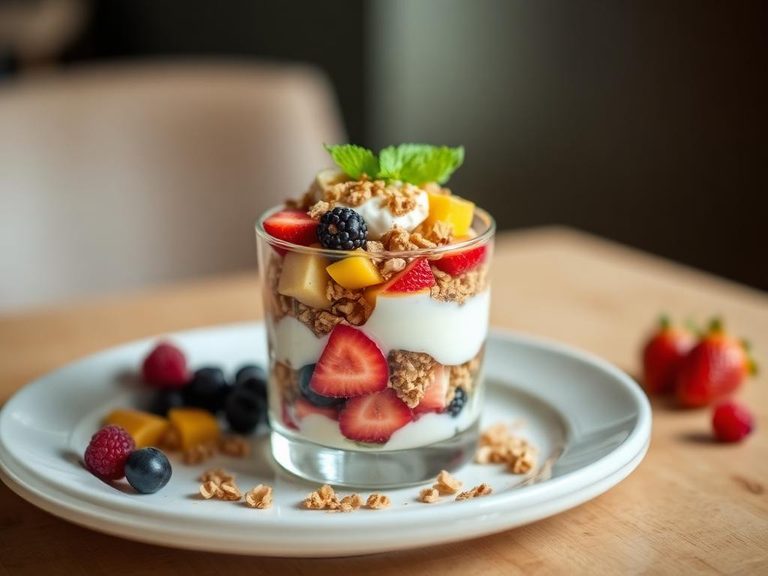
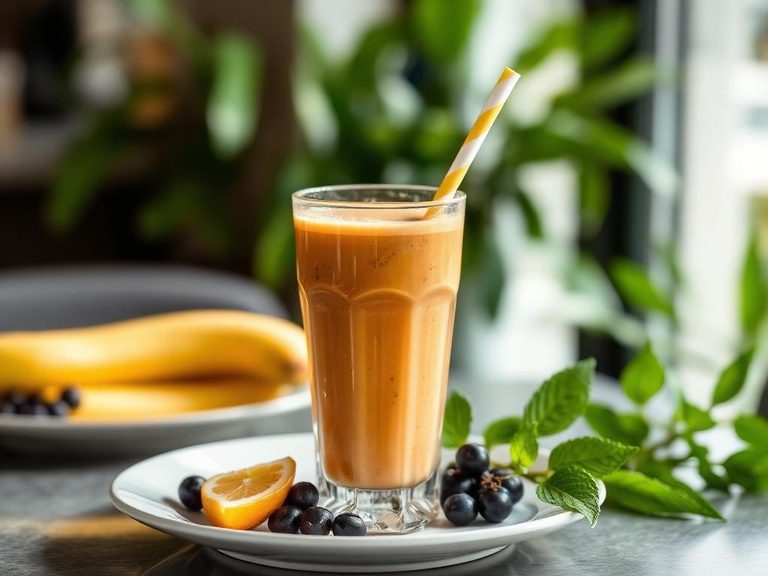
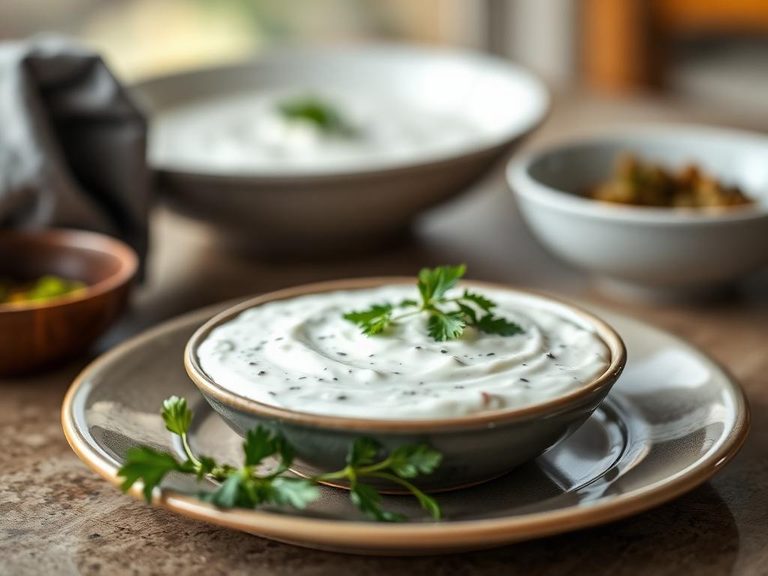
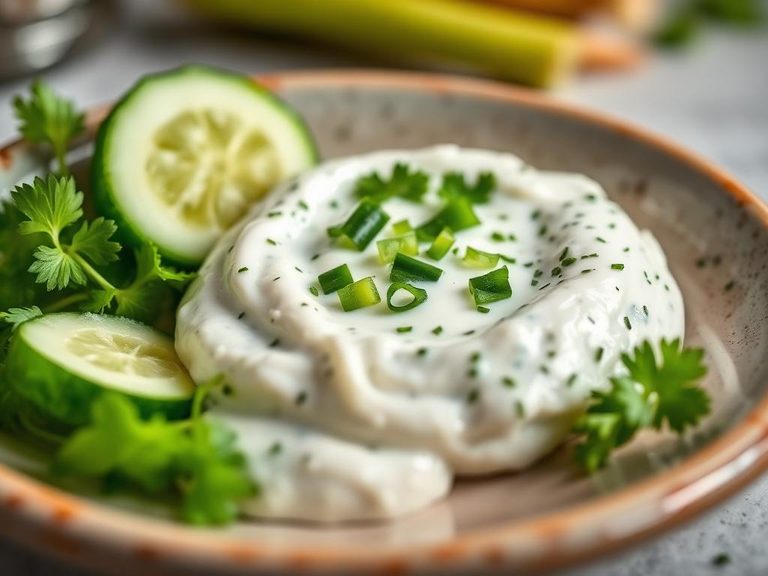
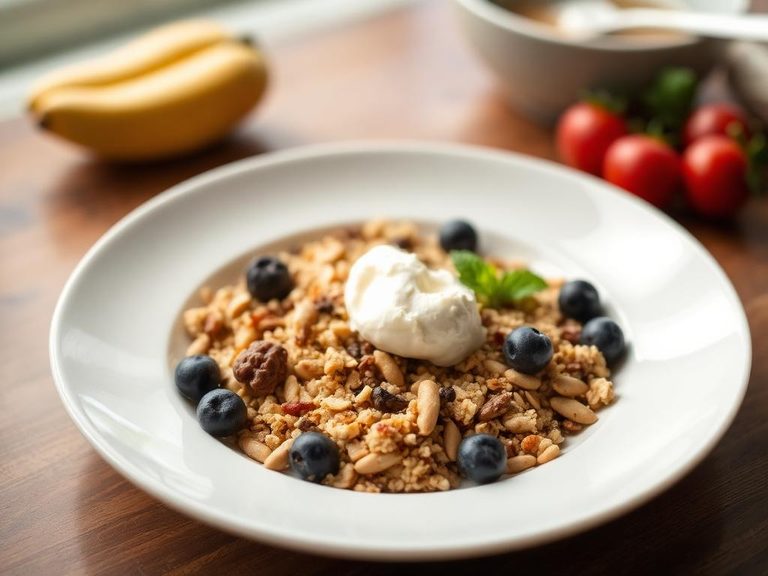
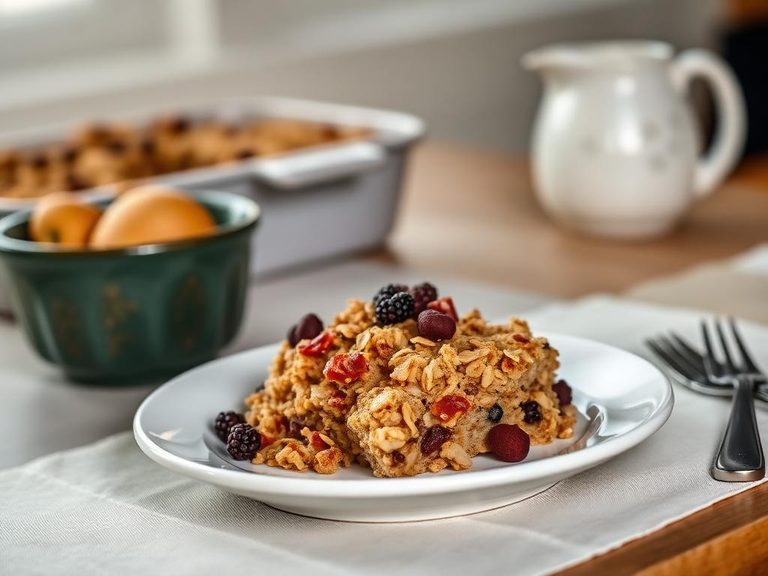
🌍 Where it's eaten
💡 Did you know?
The word 'yogurt' comes from the Turkish word 'yoğurmak,' which means 'to thicken' or 'to curdle,' reflecting its ancient origins in the region.
Full nutrition (USDA data · scales with serving)
| Water | 80.1 g |
| Energy | 82.0 kcal |
| Protein | 4.5 g |
| Total lipid (fat) | 1.4 g |
| Carbohydrate, by difference | 13.0 g |
| Fiber, total dietary | 0.00 g |
| Total Sugars | 13.0 g |
| Calcium, Ca | 158 mg |
| Iron, Fe | 0.07 mg |
| Magnesium, Mg | 15.0 mg |
| Phosphorus, P | 124 mg |
| Potassium, K | 201 mg |
| Sodium, Na | 61.0 mg |
| Zinc, Zn | 0.77 mg |
| Copper, Cu | 0.01 mg |
| Selenium, Se | 2.9 ug |
| Vitamin C, total ascorbic acid | 0.70 mg |
| Thiamin | 0.04 mg |
| Riboflavin | 0.18 mg |
| Niacin | 0.10 mg |
| Vitamin B-6 | 0.04 mg |
| Folate, total | 9.0 ug |
| Folic acid | 0.00 ug |
| Folate, food | 9.0 ug |
| Folate, DFE | 9.0 ug |
| Choline, total | 13.1 mg |
| Vitamin B-12 | 0.48 ug |
| Vitamin B-12, added | 0.00 ug |
| Vitamin A, RAE | 12.0 ug |
| Retinol | 12.0 ug |
| Carotene, beta | 2.0 ug |
| Carotene, alpha | 0.00 ug |
| Cryptoxanthin, beta | 0.00 ug |
| Lycopene | 0.00 ug |
| Lutein + zeaxanthin | 0.00 ug |
| Vitamin E (alpha-tocopherol) | 0.03 mg |
| Vitamin E, added | 0.00 mg |
| Vitamin D (D2 + D3) | 1.2 ug |
| Vitamin K (phylloquinone) | 0.20 ug |
| Alcohol, ethyl | 0.00 g |
| Caffeine | 0.00 mg |
| Theobromine | 0.00 mg |
Fat & fatty acid profile (per 100g)
| Fatty acids, total saturated | 0.86 g |
| SFA 4:0 | 0.04 g |
| SFA 6:0 | 0.03 g |
| SFA 8:0 | 0.02 g |
| SFA 10:0 | 0.04 g |
| SFA 12:0 | 0.05 g |
| SFA 14:0 | 0.14 g |
| SFA 16:0 | 0.36 g |
| SFA 18:0 | 0.13 g |
| Fatty acids, total monounsaturated | 0.37 g |
| MUFA 16:1 | 0.03 g |
| MUFA 18:1 | 0.30 g |
| MUFA 20:1 | 0.00 g |
| MUFA 22:1 | 0.00 g |
| Fatty acids, total polyunsaturated | 0.04 g |
| PUFA 18:2 | 0.03 g |
| PUFA 18:3 | 0.01 g |
| PUFA 18:4 | 0.00 g |
| PUFA 20:4 | 0.00 g |
| PUFA 20:5 n-3 (EPA) | 0.00 g |
| PUFA 22:5 n-3 (DPA) | 0.00 g |
| PUFA 22:6 n-3 (DHA) | 0.00 g |
| Cholesterol | 5.0 mg |
Amino acid profile (per 100g)
Estimated from Frozen yogurts, vanilla, soft-serve — USDA does not publish this profile for Yogurt.
| Tryptophan | 0.05 g |
| Threonine | 0.17 g |
| Isoleucine | 0.23 g |
| Leucine | 0.37 g |
| Lysine | 0.30 g |
| Methionine | 0.09 g |
| Cystine | 0.04 g |
| Phenylalanine | 0.18 g |
| Tyrosine | 0.18 g |
| Valine | 0.25 g |
| Arginine | 0.14 g |
| Histidine | 0.10 g |
| Alanine | 0.13 g |
| Aspartic acid | 0.28 g |
| Glutamic acid | 0.79 g |
| Glycine | 0.08 g |
| Proline | 0.36 g |
| Serine | 0.20 g |
FAQ
What's the difference between low-fat yogurt and non-fat yogurt?
Low-fat yogurt typically contains about 1-2% milk fat, giving it a slightly richer mouthfeel than non-fat (skim) yogurt, which has virtually no fat. The calorie and protein content are usually very similar.
Is flavored yogurt a good source of protein?
Yes, it is a good source. With about 4.5g of protein per 100g, it provides more protein than many other snacks. However, the sugar content is significantly higher than in plain yogurt.
Can I use low-fat flavored yogurt in cooking and baking?
Absolutely. It's excellent in marinades (the acidity tenderizes meat), as a base for creamy dressings, in baking to add moisture and tang (like in cakes or muffins), or simply as a topping for pancakes and fruit.
Nutrient density (calculated · NRF9.3)
Nutrient Rich Foods index: beneficial nutrients (protein, fiber, vitamins, minerals) minus saturated fat, added sugar & sodium, per 100 kcal.
NRF9.3 index — Fulgoni, Keast & Drewnowski, 2009. Computed from USDA nutrients.
Weight-loss friendliness (composite index)
Energy density 0.82 kcal/g · 22% calories from protein · 0.0 g fiber · 13.0 g sugar per 100 g.
Composite of energy density (Rolls et al., 1999), protein & fiber satiety, minus sugar. A calculated heuristic — ranks satiety-per-calorie, not a clinical measure.
Dietary load (calculated from USDA values)
Potential renal acid load. Positive = acid-forming, negative = alkaline-forming.
Sodium-to-potassium ratio: 0.30 (lower is better — aim for ≤ 1)
Sodium:potassium per WHO potassium guidance. Computed from USDA nutrients.