

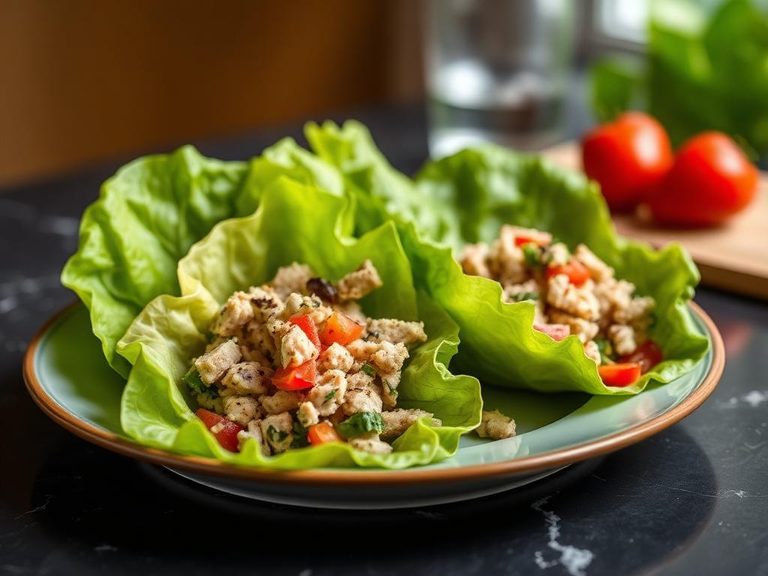
Tuna salad, made with light mayonnaise
Common food

Photo: Wikipedia
This is a classic, protein-packed salad where flaked canned tuna is bound with a lighter, tangier mayonnaise. The texture is a satisfying mix of soft fish and creamy dressing, often with a subtle, savory depth. Nutritionally, it's a standout for its high protein-to-calorie ratio, making it a staple for efficient, filling meals.
Calorie split: 37% protein · 18% carbs · 46% fat
↓ Full nutrition💚 Why it's loved
People love it for its perfect balance of savory, creamy, and slightly briny flavors that feel both comforting and light. Its ultimate versatility makes it a go-to for quick lunches, picnics, and elegant appetizers alike.
⚠️ Watch-outs & how to enjoy it better
The primary concern is the potential for high sodium content from both the canned tuna and mayonnaise, which can be an issue for blood pressure. Additionally, some light mayonnaises may contain added sugars. To counteract this, choose low-sodium tuna, rinse it well, and consider mixing the mayo with Greek yogurt or mashed avocado to boost nutrients and reduce sodium density.
Key benefits
- Excellent source of lean protein for muscle maintenance and satiety.
- Rich in omega-3 fatty acids, which support heart and brain health.
- Quick and convenient no-cook meal or snack option.
- Versatile base that can be customized with various vegetables and herbs.
🍽️ Popular dishes
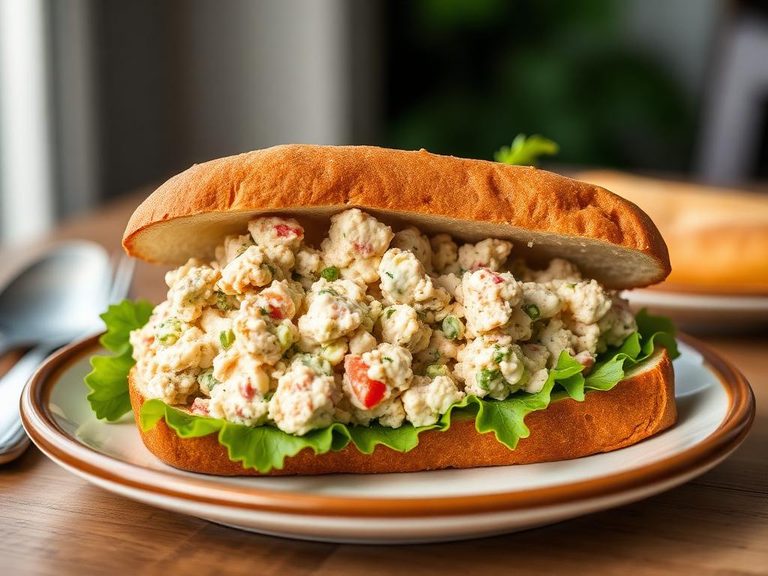
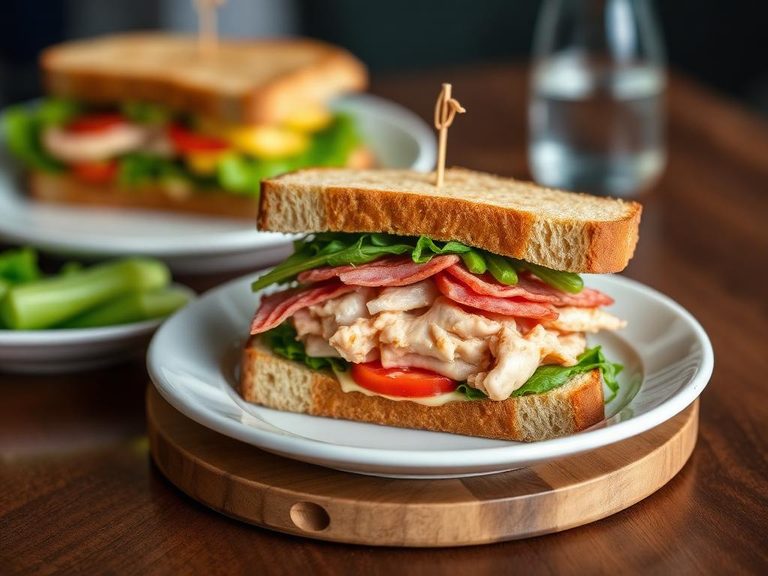
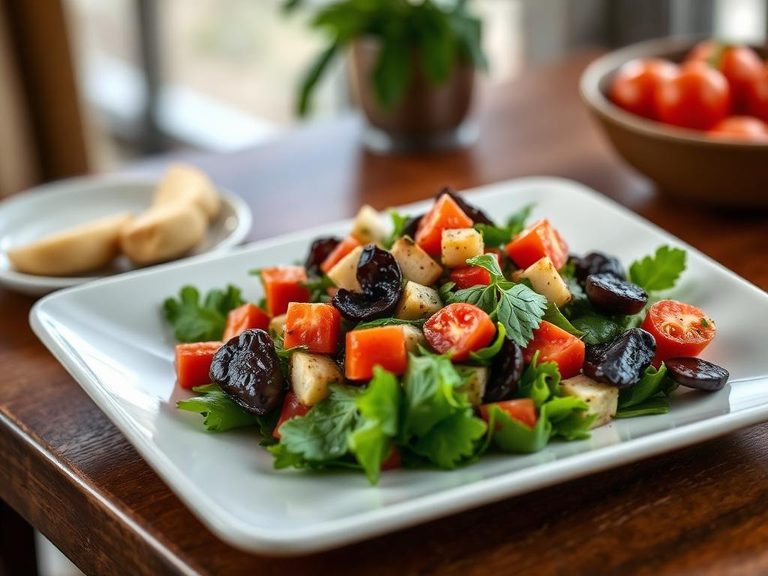
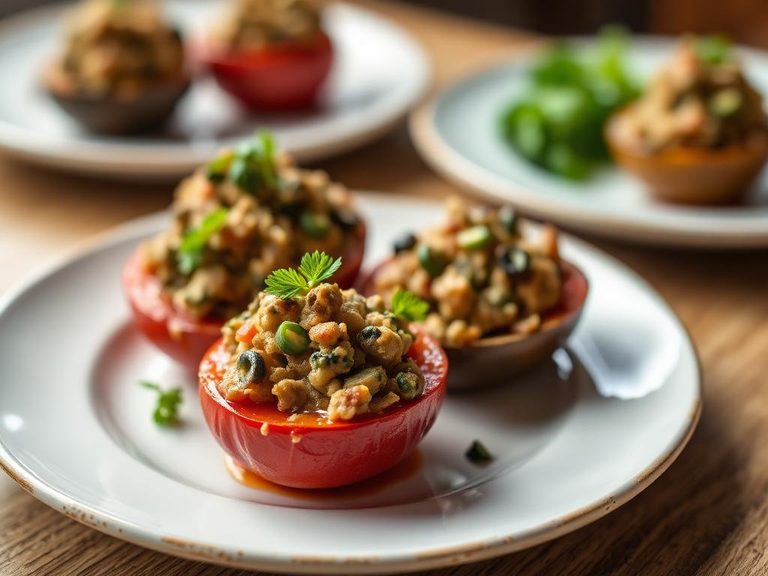
🌍 Where it's eaten
💡 Did you know?
The iconic tuna salad sandwich became a widespread American lunchbox staple in the 1920s and 30s, largely due to the invention of the electric can opener and the rise of canned tuna as an affordable, shelf-stable protein.
Full nutrition (USDA data · scales with serving)
| Water | 78.6 g |
| Energy | 106 kcal |
| Protein | 9.8 g |
| Total lipid (fat) | 5.4 g |
| Carbohydrate, by difference | 4.8 g |
| Fiber, total dietary | 0.40 g |
| Total Sugars | 2.7 g |
| Calcium, Ca | 21.0 mg |
| Iron, Fe | 0.92 mg |
| Magnesium, Mg | 15.0 mg |
| Phosphorus, P | 78.0 mg |
| Potassium, K | 155 mg |
| Sodium, Na | 464 mg |
| Zinc, Zn | 0.38 mg |
| Copper, Cu | 0.03 mg |
| Selenium, Se | 34.7 ug |
| Vitamin C, total ascorbic acid | 0.70 mg |
| Thiamin | 0.02 mg |
| Riboflavin | 0.06 mg |
| Niacin | 5.1 mg |
| Vitamin B-6 | 0.17 mg |
| Folate, total | 11.0 ug |
| Folic acid | 0.00 ug |
| Folate, food | 11.0 ug |
| Folate, DFE | 11.0 ug |
| Choline, total | 18.3 mg |
| Vitamin B-12 | 1.3 ug |
| Vitamin B-12, added | 0.00 ug |
| Vitamin A, RAE | 19.0 ug |
| Retinol | 10.0 ug |
| Carotene, beta | 95.0 ug |
| Carotene, alpha | 7.0 ug |
| Cryptoxanthin, beta | 17.0 ug |
| Lycopene | 0.00 ug |
| Lutein + zeaxanthin | 83.0 ug |
| Vitamin E (alpha-tocopherol) | 0.74 mg |
| Vitamin E, added | 0.00 mg |
| Vitamin D (D2 + D3) | 0.60 ug |
| Vitamin K (phylloquinone) | 23.0 ug |
| Alcohol, ethyl | 0.00 g |
| Caffeine | 0.00 mg |
| Theobromine | 0.00 mg |
Fat & fatty acid profile (per 100g)
| Fatty acids, total saturated | 0.88 g |
| SFA 4:0 | 0.00 g |
| SFA 6:0 | 0.00 g |
| SFA 8:0 | 0.00 g |
| SFA 10:0 | 0.00 g |
| SFA 12:0 | 0.00 g |
| SFA 14:0 | 0.01 g |
| SFA 16:0 | 0.59 g |
| SFA 18:0 | 0.23 g |
| Fatty acids, total monounsaturated | 1.2 g |
| MUFA 16:1 | 0.01 g |
| MUFA 18:1 | 1.1 g |
| MUFA 20:1 | 0.02 g |
| MUFA 22:1 | 0.01 g |
| Fatty acids, total polyunsaturated | 3.0 g |
| PUFA 18:2 | 2.5 g |
| PUFA 18:3 | 0.34 g |
| PUFA 18:4 | 0.00 g |
| PUFA 20:4 | 0.01 g |
| PUFA 20:5 n-3 (EPA) | 0.01 g |
| PUFA 22:5 n-3 (DPA) | 0.00 g |
| PUFA 22:6 n-3 (DHA) | 0.10 g |
| Cholesterol | 22.0 mg |
Amino acid profile (per 100g)
Estimated from Fish, tuna salad — USDA does not publish this profile for Tuna salad.
| Tryptophan | 0.18 g |
| Threonine | 0.70 g |
| Isoleucine | 0.74 g |
| Leucine | 1.3 g |
| Lysine | 1.5 g |
| Methionine | 0.47 g |
| Cystine | 0.17 g |
| Phenylalanine | 0.63 g |
| Tyrosine | 0.54 g |
| Valine | 0.82 g |
| Arginine | 0.97 g |
| Histidine | 0.47 g |
| Alanine | 0.96 g |
| Aspartic acid | 1.6 g |
| Glutamic acid | 2.4 g |
| Glycine | 0.77 g |
| Proline | 0.56 g |
| Serine | 0.66 g |
FAQ
How can I make tuna salad healthier?
Swap half or all of the mayonnaise for plain Greek yogurt or mashed avocado. Add extra chopped vegetables like celery, bell peppers, or red onion for fiber and volume. Use low-sodium canned tuna and drain it very well.
Is tuna salad safe to eat during pregnancy?
Generally, yes, but with caution. Choose canned light tuna (skipjack), which is lower in mercury than albacore. Limit consumption to 2-3 servings per week and ensure it's prepared in a clean environment.
How long does homemade tuna salad last in the fridge?
When stored in an airtight container, it is safe for 3-4 days. Always keep it refrigerated at or below 40°F (4°C) and discard if it develops an off smell or appearance.
Nutrient density (calculated · NRF9.3)
Nutrient Rich Foods index: beneficial nutrients (protein, fiber, vitamins, minerals) minus saturated fat, added sugar & sodium, per 100 kcal.
NRF9.3 index — Fulgoni, Keast & Drewnowski, 2009. Computed from USDA nutrients.
Weight-loss friendliness (composite index)
Energy density 1.06 kcal/g · 37% calories from protein · 0.4 g fiber · 2.7 g sugar per 100 g.
Composite of energy density (Rolls et al., 1999), protein & fiber satiety, minus sugar. A calculated heuristic — ranks satiety-per-calorie, not a clinical measure.
Dietary load (calculated from USDA values)
Potential renal acid load. Positive = acid-forming, negative = alkaline-forming.
Sodium-to-potassium ratio: 2.99 (lower is better — aim for ≤ 1)
Sodium:potassium per WHO potassium guidance. Computed from USDA nutrients.