

Tea, iced, brewed, green, decaffeinated, unsweetened
Common food

Photo: Wikipedia
A chilled, refreshing beverage made by steeping green tea leaves and then removing the caffeine, resulting in a clean, grassy, and slightly vegetal flavor with a smooth, light body. Its crystal-clear, pale green to golden hue and crisp finish make it a staple for hydration. Nutritionally, it is a zero-calorie, zero-macronutrient drink, offering pure hydration without sugars or fats.
💚 Why it's loved
People love it for its clean, refreshing taste that quenches thirst without heaviness, and its cultural significance in East Asian tea ceremonies and modern wellness routines. It serves as a sophisticated, non-sugary alternative to sodas and juices.
⚠️ Watch-outs & how to enjoy it better
Some may find the taste too grassy, bitter, or astringent, especially if over-steeped. Those sensitive to tannins might experience stomach discomfort. To counteract bitterness, steep at a lower temperature (around 175°F/80°C) for a shorter time (1-2 minutes), and avoid using boiling water.
Key benefits
- Rich in antioxidants like catechins
- Supports hydration without added calories
- May aid in relaxation due to L-theanine content
- Gentle on the system due to decaffeination
- Versatile base for various flavor infusions
🍽️ Popular dishes

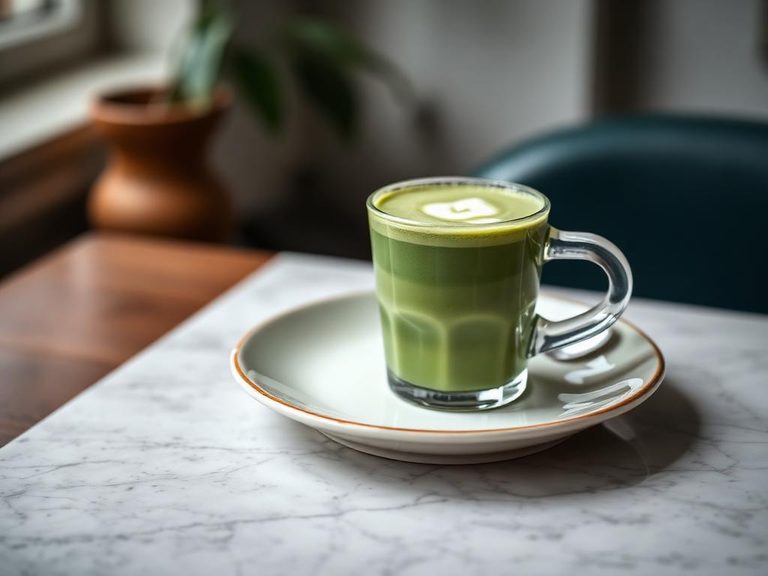
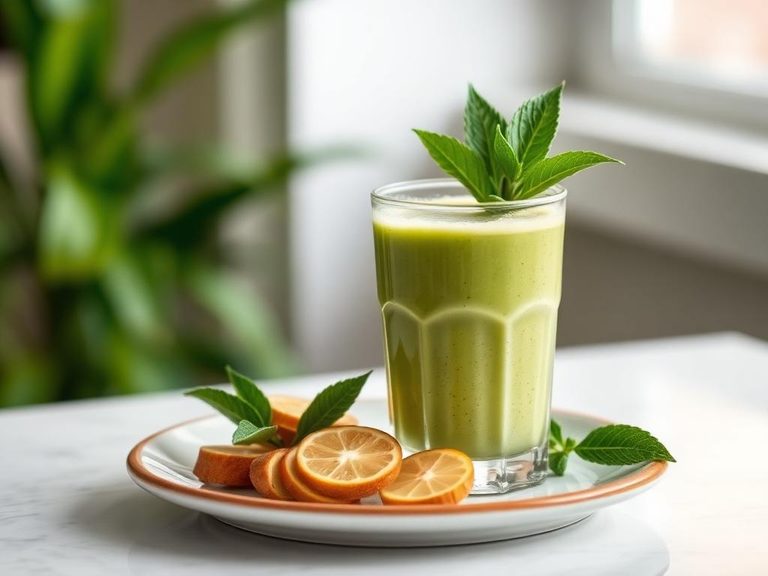
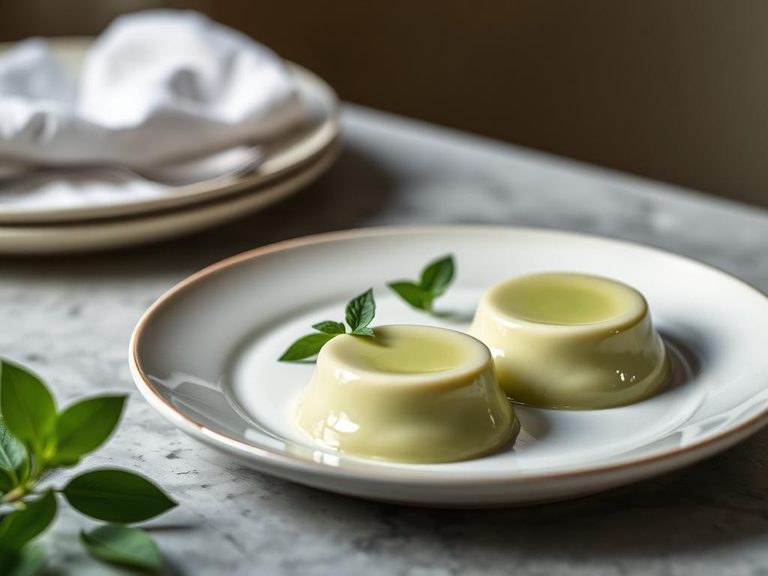
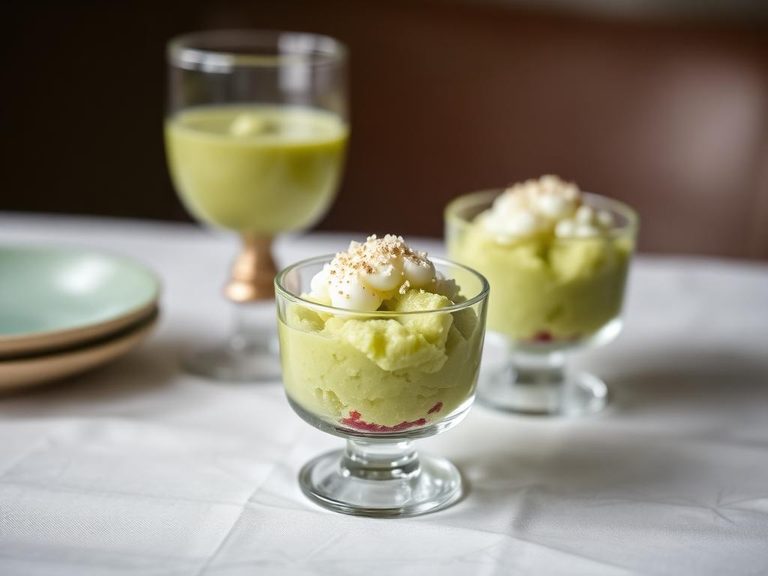
🌍 Where it's eaten
💡 Did you know?
The decaffeination process for tea can retain up to 99.5% of its antioxidant catechins, making it nearly as potent as regular green tea in terms of beneficial compounds.
Full nutrition (USDA data · scales with serving)
| Water | 99.9 g |
| Energy | 0.00 kcal |
| Protein | 0.00 g |
| Total lipid (fat) | 0.00 g |
| Carbohydrate, by difference | 0.00 g |
| Fiber, total dietary | 0.00 g |
| Total Sugars | 0.00 g |
| Calcium, Ca | 0.00 mg |
| Iron, Fe | 0.00 mg |
| Magnesium, Mg | 1.0 mg |
| Phosphorus, P | 0.00 mg |
| Potassium, K | 15.0 mg |
| Sodium, Na | 0.00 mg |
| Zinc, Zn | 0.01 mg |
| Copper, Cu | 0.01 mg |
| Selenium, Se | 0.00 ug |
| Vitamin C, total ascorbic acid | 0.00 mg |
| Thiamin | 0.01 mg |
| Riboflavin | 0.06 mg |
| Niacin | 0.03 mg |
| Vitamin B-6 | 0.01 mg |
| Folate, total | 0.00 ug |
| Folic acid | 0.00 ug |
| Folate, food | 0.00 ug |
| Folate, DFE | 0.00 ug |
| Choline, total | 0.00 mg |
| Vitamin B-12 | 0.00 ug |
| Vitamin B-12, added | 0.00 ug |
| Vitamin A, RAE | 0.00 ug |
| Retinol | 0.00 ug |
| Carotene, beta | 0.00 ug |
| Carotene, alpha | 0.00 ug |
| Cryptoxanthin, beta | 0.00 ug |
| Lycopene | 0.00 ug |
| Lutein + zeaxanthin | 0.00 ug |
| Vitamin E (alpha-tocopherol) | 0.00 mg |
| Vitamin E, added | 0.00 mg |
| Vitamin D (D2 + D3) | 0.00 ug |
| Vitamin K (phylloquinone) | 0.00 ug |
| Alcohol, ethyl | 0.00 g |
| Caffeine | 0.00 mg |
| Theobromine | 0.00 mg |
Fat & fatty acid profile (per 100g)
| Fatty acids, total saturated | 0.00 g |
| SFA 4:0 | 0.00 g |
| SFA 6:0 | 0.00 g |
| SFA 8:0 | 0.00 g |
| SFA 10:0 | 0.00 g |
| SFA 12:0 | 0.00 g |
| SFA 14:0 | 0.00 g |
| SFA 16:0 | 0.00 g |
| SFA 18:0 | 0.00 g |
| Fatty acids, total monounsaturated | 0.00 g |
| MUFA 16:1 | 0.00 g |
| MUFA 18:1 | 0.00 g |
| MUFA 20:1 | 0.00 g |
| MUFA 22:1 | 0.00 g |
| Fatty acids, total polyunsaturated | 0.00 g |
| PUFA 18:2 | 0.00 g |
| PUFA 18:3 | 0.00 g |
| PUFA 18:4 | 0.00 g |
| PUFA 20:4 | 0.00 g |
| PUFA 20:5 n-3 (EPA) | 0.00 g |
| PUFA 22:5 n-3 (DPA) | 0.00 g |
| PUFA 22:6 n-3 (DHA) | 0.00 g |
| Cholesterol | 0.00 mg |
Amino acid profile (per 100g)
Estimated from Cookies, animal crackers (includes arrowroot, tea biscuits) — USDA does not publish this profile for Tea.
| Tryptophan | 0.10 g |
| Threonine | 0.19 g |
| Isoleucine | 0.26 g |
| Leucine | 0.47 g |
| Lysine | 0.24 g |
| Methionine | 0.12 g |
| Cystine | 0.15 g |
| Phenylalanine | 0.32 g |
| Tyrosine | 0.20 g |
| Valine | 0.30 g |
| Arginine | 0.26 g |
| Histidine | 0.14 g |
| Alanine | 0.21 g |
| Aspartic acid | 0.29 g |
| Glutamic acid | 2.3 g |
| Glycine | 0.23 g |
| Proline | 0.76 g |
| Serine | 0.36 g |
FAQ
Does decaffeinated green tea have any caffeine?
Yes, it typically contains 2-10 mg of caffeine per 8-oz serving, compared to 25-50 mg in regular green tea. The amount is minimal but not zero.
How should I store brewed iced green tea?
Store it in a sealed container in the refrigerator for up to 3-4 days. For best flavor, consume within 24 hours as it can become oxidized and flat-tasting.
Can I use any green tea to make iced tea?
While you can, Japanese varieties like Sencha or Bancha are popular for their balanced flavor. Avoid very delicate teas like Gyokuro, as their nuanced flavors can be lost when chilled.
Dietary load (calculated from USDA values)
Potential renal acid load. Positive = acid-forming, negative = alkaline-forming.
Sodium-to-potassium ratio: 0.00 (lower is better — aim for ≤ 1)
Sodium:potassium per WHO potassium guidance. Computed from USDA nutrients.