

Tea, hot, hibiscus
Common food

Photo: Wikipedia
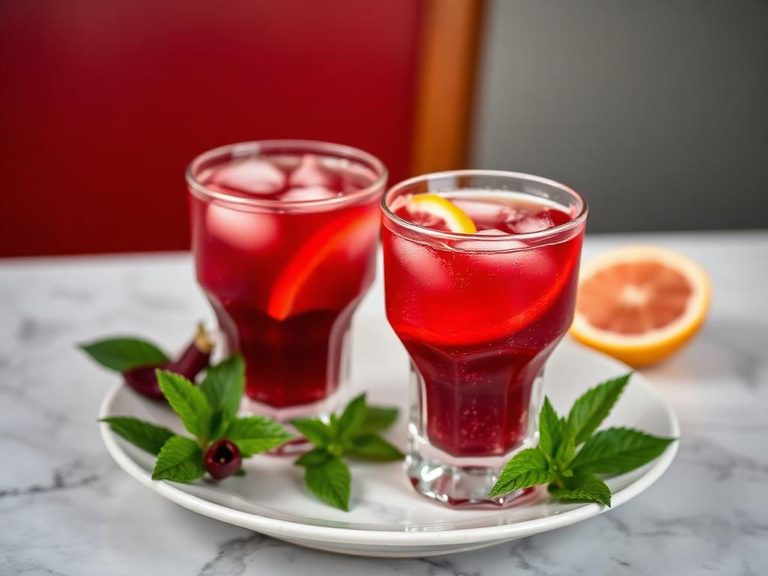
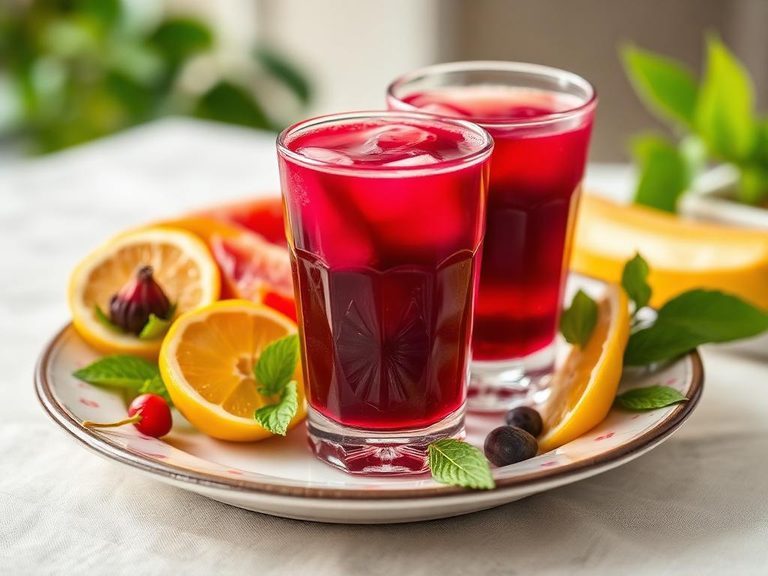
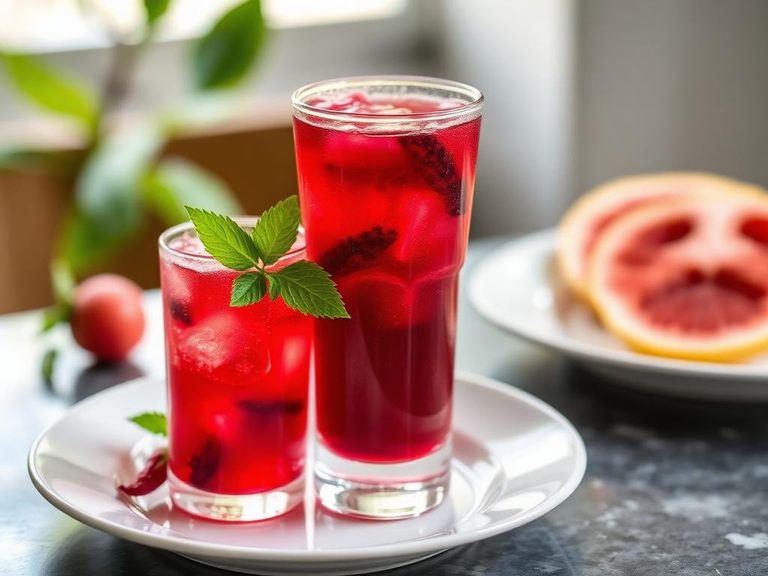
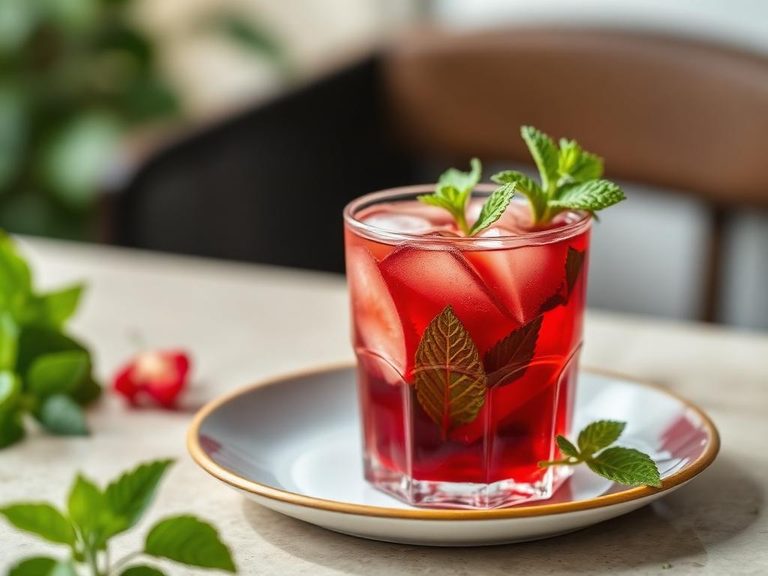
Hot hibiscus tea is a vibrant, ruby-red herbal infusion made from the dried calyces of the *Hibiscus sabdariffa* flower. It delivers a tart, cranberry-like flavor with a floral finish and a smooth, slightly viscous texture. Nutritionally, it is calorie-free and contains no macronutrients, but it is a rich source of vitamin C and powerful anthocyanin antioxidants.
💚 Why it's loved
People love it for its bold, tart flavor that stands up beautifully to sweeteners like honey or agave, making it a refreshing alternative to sugary drinks. It is deeply embedded in cultural traditions, from the festive *agua de jamaica* in Mexico to the ceremonial *bissap* in West Africa, often served at weddings and celebrations.
⚠️ Watch-outs & how to enjoy it better
The sharp tartness can be overwhelming for those who prefer milder teas, and its high acidity may irritate sensitive stomachs or exacerbate acid reflux. To counteract this, brew it with a slightly shorter steep time (3-4 minutes instead of 10) and pair it with a small amount of honey or a dash of ginger to balance the acidity.
Key benefits
- Rich in anthocyanin antioxidants and vitamin C
- Naturally caffeine-free and calorie-free
- May help support healthy blood pressure levels
- Traditionally used as a cooling tonic in hot climates
- Highly versatile for both hot and cold preparations
🍽️ Popular dishes
🌍 Where it's eaten
💡 Did you know?
Hibiscus tea was historically used as a natural dye for textiles and even as a pH indicator in chemistry labs due to its deep red pigment that turns blue when mixed with alkaline substances.
Full nutrition (USDA data · scales with serving)
| Water | 99.6 g |
| Energy | 0.00 kcal |
| Protein | 0.00 g |
| Total lipid (fat) | 0.00 g |
| Carbohydrate, by difference | 0.00 g |
| Fiber, total dietary | 0.00 g |
| Total Sugars | 0.00 g |
| Calcium, Ca | 8.0 mg |
| Iron, Fe | 0.08 mg |
| Magnesium, Mg | 3.0 mg |
| Phosphorus, P | 1.0 mg |
| Potassium, K | 20.0 mg |
| Sodium, Na | 4.0 mg |
| Zinc, Zn | 0.04 mg |
| Copper, Cu | 0.00 mg |
| Selenium, Se | 0.00 ug |
| Vitamin C, total ascorbic acid | 0.00 mg |
| Thiamin | 0.00 mg |
| Riboflavin | 0.00 mg |
| Niacin | 0.04 mg |
| Vitamin B-6 | 0.00 mg |
| Folate, total | 1.0 ug |
| Folic acid | 0.00 ug |
| Folate, food | 1.0 ug |
| Folate, DFE | 1.0 ug |
| Choline, total | 0.40 mg |
| Vitamin B-12 | 0.00 ug |
| Vitamin B-12, added | 0.00 ug |
| Vitamin A, RAE | 0.00 ug |
| Retinol | 0.00 ug |
| Carotene, beta | 0.00 ug |
| Carotene, alpha | 0.00 ug |
| Cryptoxanthin, beta | 0.00 ug |
| Lycopene | 0.00 ug |
| Lutein + zeaxanthin | 0.00 ug |
| Vitamin E (alpha-tocopherol) | 0.00 mg |
| Vitamin E, added | 0.00 mg |
| Vitamin D (D2 + D3) | 0.00 ug |
| Vitamin K (phylloquinone) | 0.00 ug |
| Alcohol, ethyl | 0.00 g |
| Caffeine | 0.00 mg |
| Theobromine | 0.00 mg |
Fat & fatty acid profile (per 100g)
| Fatty acids, total saturated | 0.00 g |
| SFA 4:0 | 0.00 g |
| SFA 6:0 | 0.00 g |
| SFA 8:0 | 0.00 g |
| SFA 10:0 | 0.00 g |
| SFA 12:0 | 0.00 g |
| SFA 14:0 | 0.00 g |
| SFA 16:0 | 0.00 g |
| SFA 18:0 | 0.00 g |
| Fatty acids, total monounsaturated | 0.00 g |
| MUFA 16:1 | 0.00 g |
| MUFA 18:1 | 0.00 g |
| MUFA 20:1 | 0.00 g |
| MUFA 22:1 | 0.00 g |
| Fatty acids, total polyunsaturated | 0.00 g |
| PUFA 18:2 | 0.00 g |
| PUFA 18:3 | 0.00 g |
| PUFA 18:4 | 0.00 g |
| PUFA 20:4 | 0.00 g |
| PUFA 20:5 n-3 (EPA) | 0.00 g |
| PUFA 22:5 n-3 (DPA) | 0.00 g |
| PUFA 22:6 n-3 (DHA) | 0.00 g |
| Cholesterol | 0.00 mg |
Amino acid profile (per 100g)
Estimated from Cookies, animal crackers (includes arrowroot, tea biscuits) — USDA does not publish this profile for Tea.
| Tryptophan | 0.10 g |
| Threonine | 0.19 g |
| Isoleucine | 0.26 g |
| Leucine | 0.47 g |
| Lysine | 0.24 g |
| Methionine | 0.12 g |
| Cystine | 0.15 g |
| Phenylalanine | 0.32 g |
| Tyrosine | 0.20 g |
| Valine | 0.30 g |
| Arginine | 0.26 g |
| Histidine | 0.14 g |
| Alanine | 0.21 g |
| Aspartic acid | 0.29 g |
| Glutamic acid | 2.3 g |
| Glycine | 0.23 g |
| Proline | 0.76 g |
| Serine | 0.36 g |
FAQ
Is hibiscus tea safe to drink every day?
Yes, it is generally safe for daily consumption in moderate amounts (1-3 cups). However, people with low blood pressure or those taking blood pressure medication should consult a doctor, as it may lower blood pressure.
Can I drink hibiscus tea if I'm pregnant?
While generally considered safe in moderate amounts, some sources suggest it may have mild emmenagogue effects (stimulating menstrual flow). Pregnant women should consult their healthcare provider before regular consumption.
How do I make hibiscus tea less tart?
You can reduce the tartness by using fewer dried calyces, steeping for a shorter time (3-4 minutes), or adding a sweetener like honey, agave, or a splash of apple juice. Some people also blend it with other herbs like mint or ginger.
Dietary load (calculated from USDA values)
Potential renal acid load. Positive = acid-forming, negative = alkaline-forming.
Sodium-to-potassium ratio: 0.20 (lower is better — aim for ≤ 1)
Sodium:potassium per WHO potassium guidance. Computed from USDA nutrients.