Hibiscus iced tea with mint
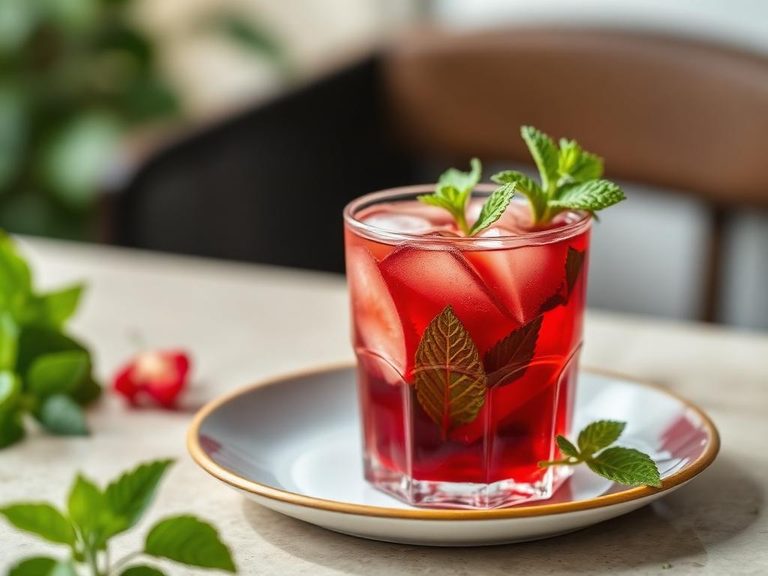
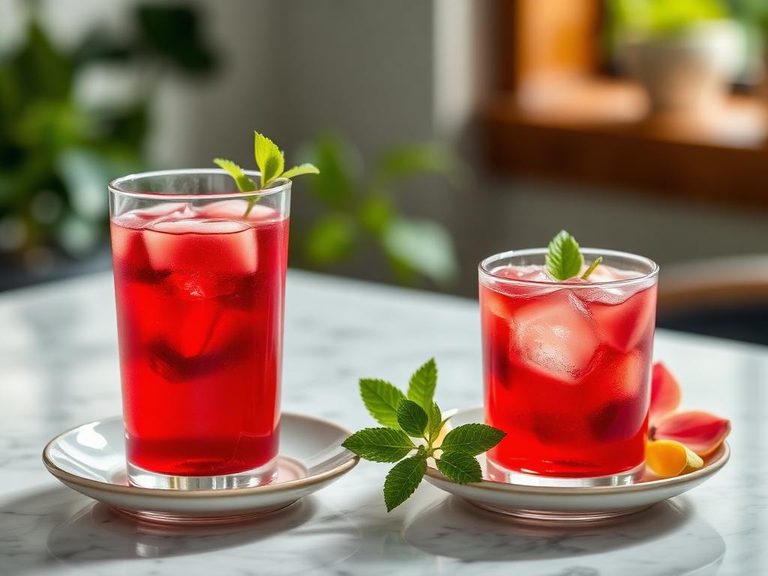
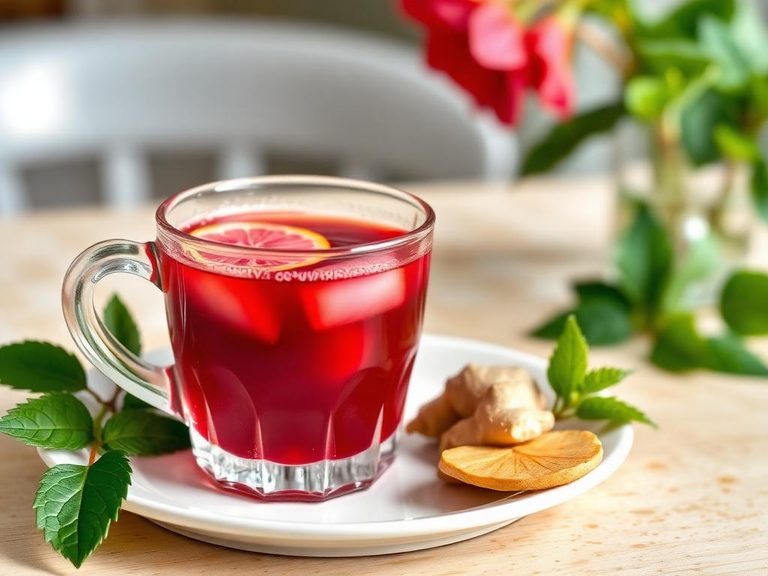
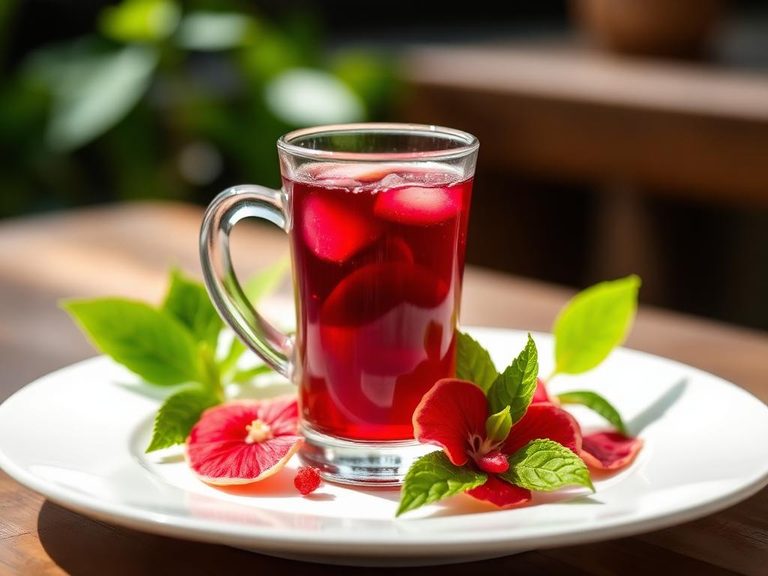
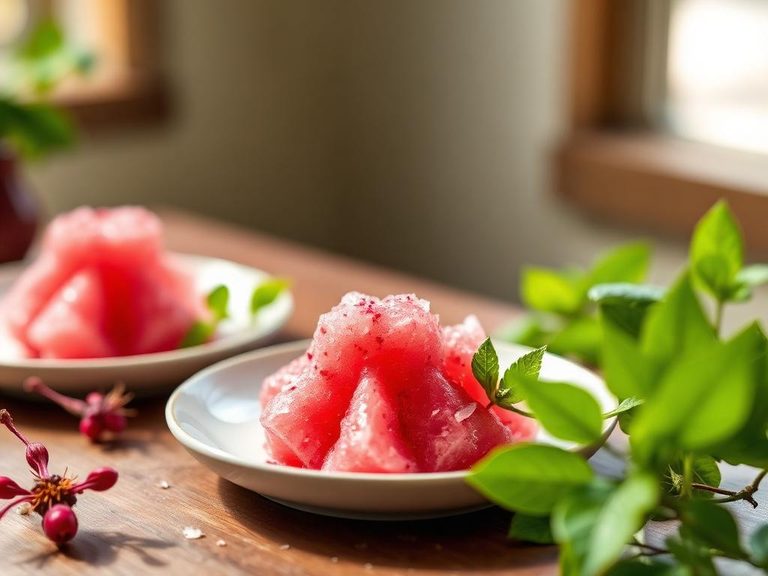
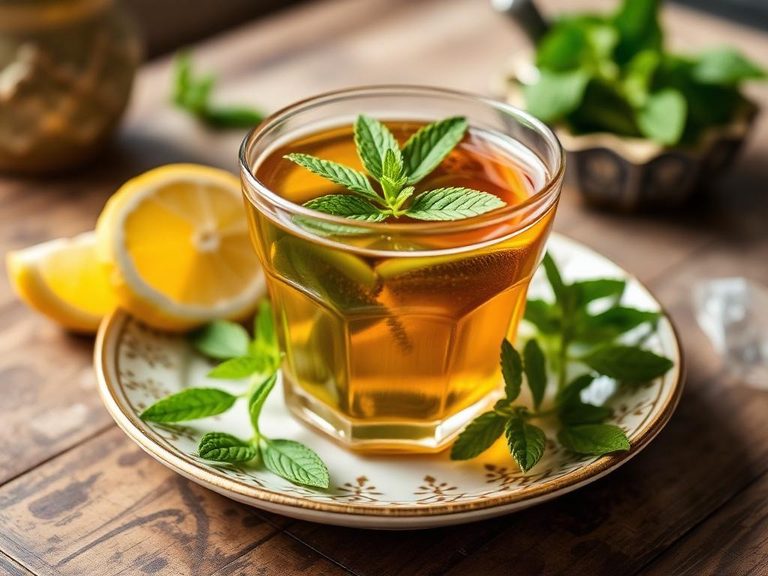
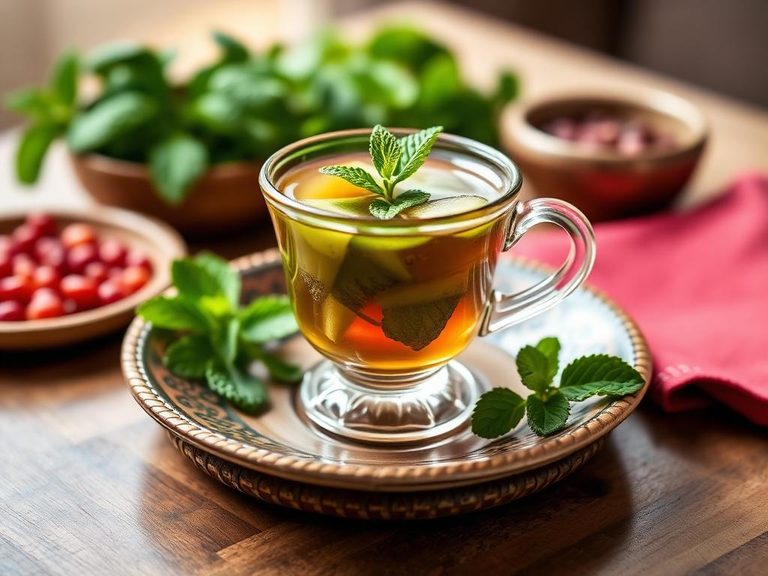
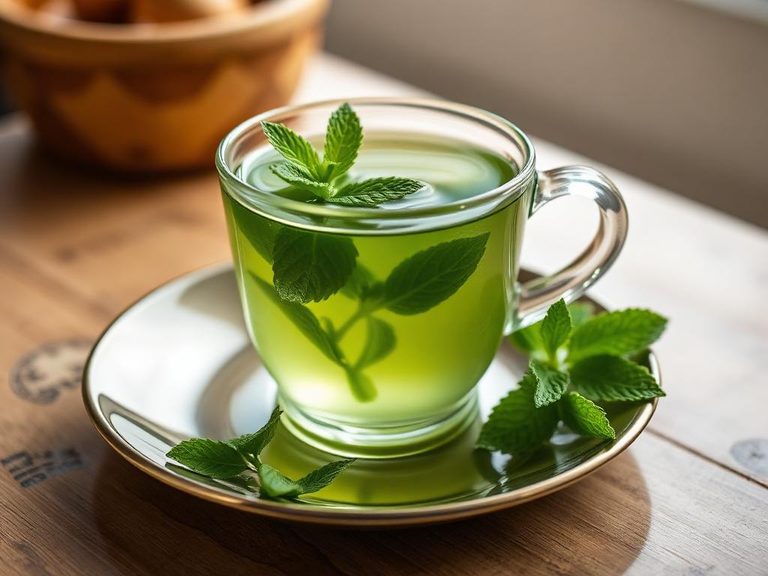
Hibiscus iced tea with mint (Middle Eastern variation) is a refreshing, tart, and floral beverage made by steeping dried hibiscus flowers (karkadé) with fresh mint leaves, then chilling and sweetening it. It is a popular drink across the Middle East and North Africa, often served during Ramadan to break the fast or as a welcoming gesture to guests.
🍽️ Nutrition at a glance
This drink is typically low in fat and protein but can be high in carbohydrates if sweetened generously with sugar or simple syrup. It is a good source of vitamin C and antioxidants from the hibiscus, and a typical unsweetened glass contains roughly 5-10 calories, though a sweetened version can range from 80-120 calories per serving.
Nutrition breakdown
| Calories | 45 kcal |
| Protein | 0.5 g |
| Carbs | 11 g |
| Fat | 0 g |
| Fiber | 0.2 g |
| Sugar | 10 g |
| Sodium | 10 mg |
| Vitamin C | 15 mg |
| Potassium | 80 mg |
| Manganese | 0.2 mg |
| Iron | 0.5 mg |
| Calcium | 15 mg |
| Magnesium | 10 mg |
| Phosphorus | 10 mg |
| Zinc | 0.1 mg |
Per 1 cup (240 g) · estimated, varies by recipe
💡 What's interesting
Culturally, serving hibiscus tea is a sign of hospitality, and its deep red color is considered festive and auspicious. Nutritionally, the hibiscus flowers are known for their potential to support heart health and are a caffeine-free alternative to traditional teas.