Hibiscus iced tea
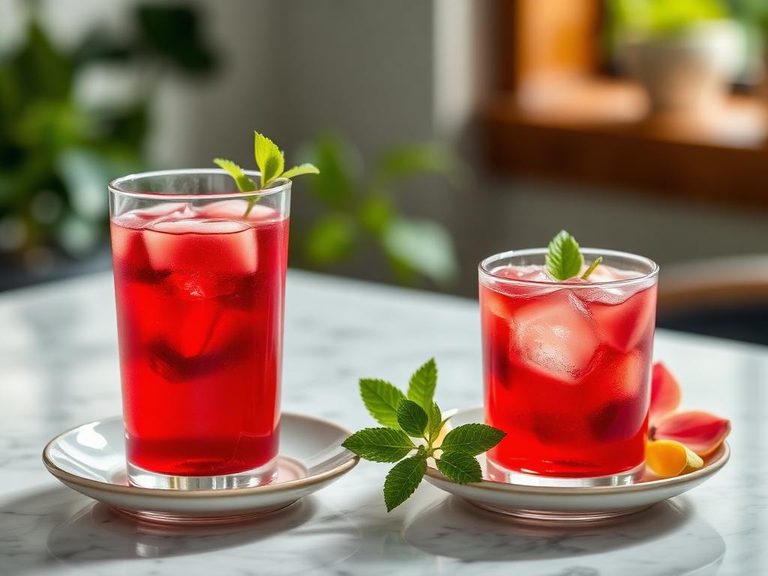
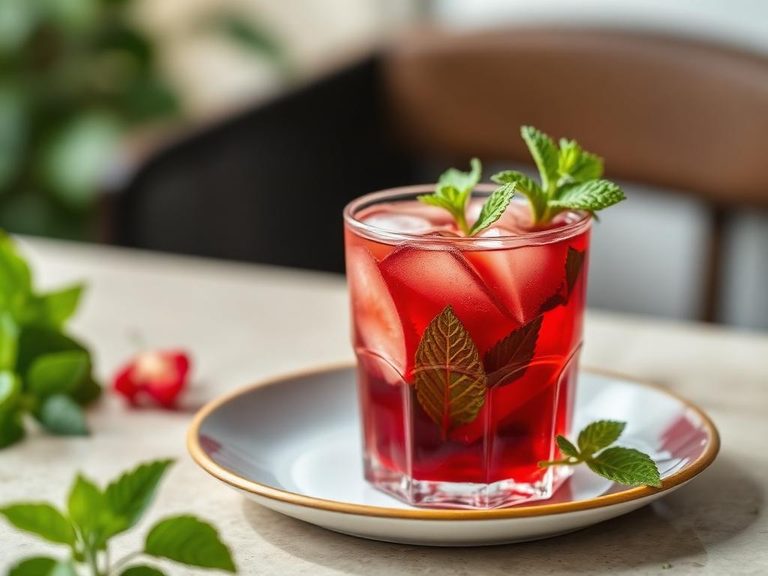
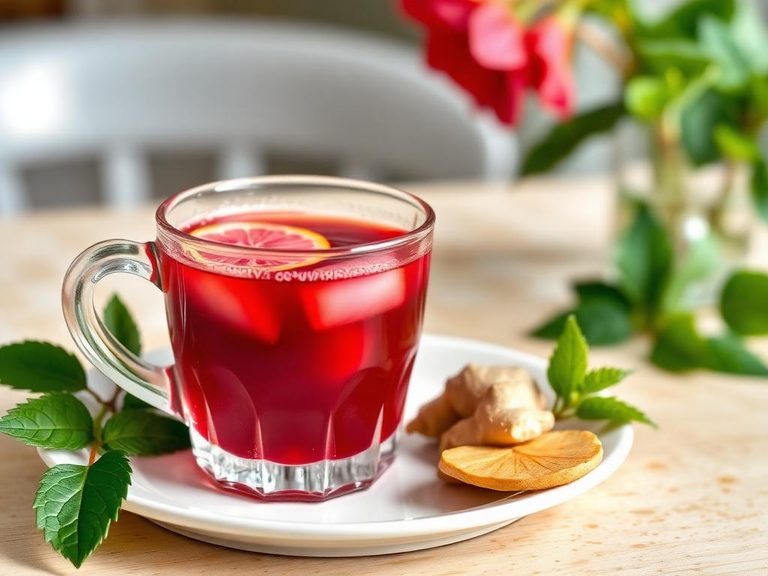
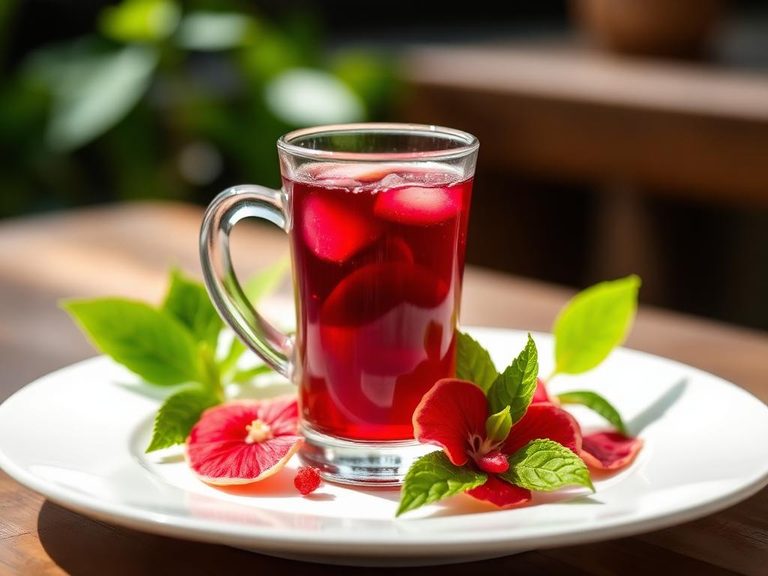
Hibiscus iced tea is a vibrant, ruby-red beverage made by steeping dried hibiscus flowers (often called 'roselle' or 'flor de jamaica') in hot water, then chilling it. It is typically sweetened and served over ice, sometimes with added citrus or mint. This refreshing drink has deep roots in many cultures, particularly in West Africa, the Caribbean, Mexico, and Southeast Asia.
🍽️ Nutrition at a glance
Hibiscus iced tea is naturally very low in calories, carbohydrates, fat, and protein, especially when unsweetened. It is a notable source of antioxidants, particularly anthocyanins, which give it its deep color, and provides small amounts of vitamin C and minerals like iron.
Nutrition breakdown
| Calories | 50 kcal |
| Protein | 0 g |
| Carbs | 13 g |
| Fat | 0 g |
| Fiber | 0 g |
| Sugar | 12 g |
| Sodium | 10 mg |
| Vitamin C | 20 mg |
| Potassium | 350 mg |
| Iron | 1.5 mg |
| Calcium | 20 mg |
| Magnesium | 15 mg |
| Phosphorus | 10 mg |
| Manganese | 0.5 mg |
| Zinc | 0.2 mg |
Per 1 cup (240 g) · estimated, varies by recipe
💡 What's interesting
Culturally, hibiscus tea is a symbol of celebration and hospitality in many regions; in Egypt, it's known as 'karkadé' and is a traditional drink for breaking the fast during Ramadan. Nutritionally, it is unique for its high concentration of plant compounds that have been studied for their potential to support heart health and manage blood pressure.