Hibiscus tea
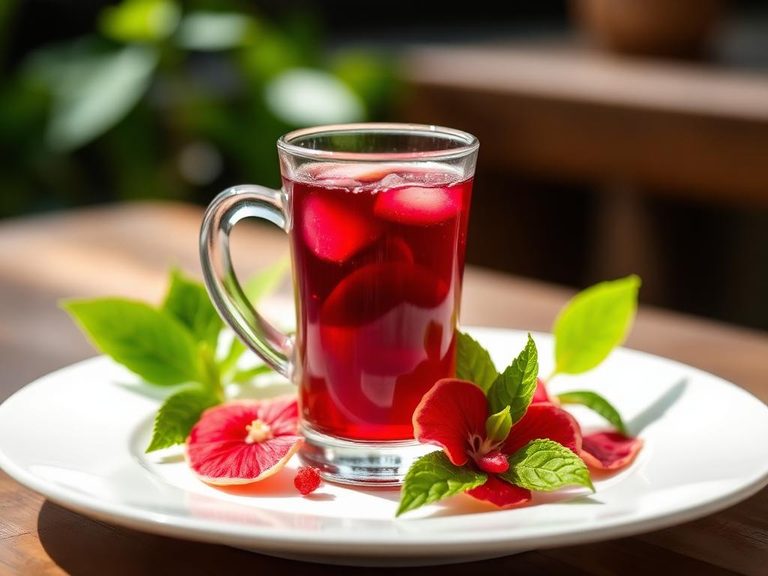
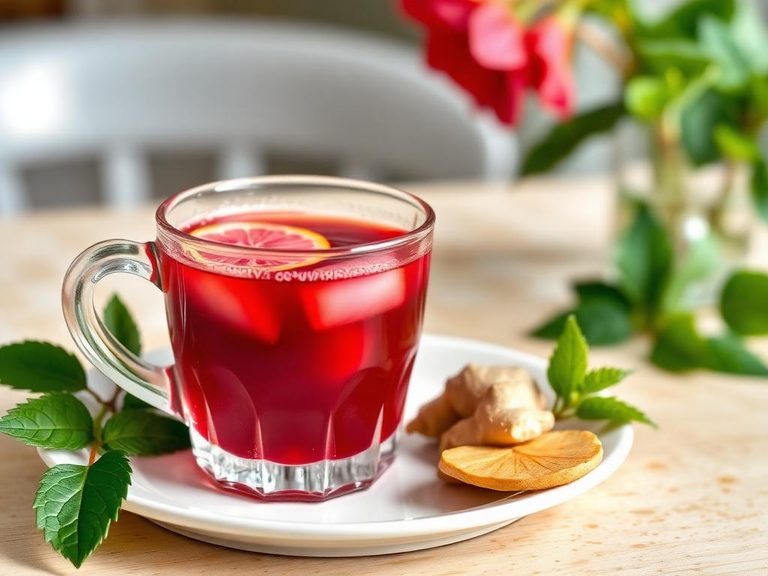
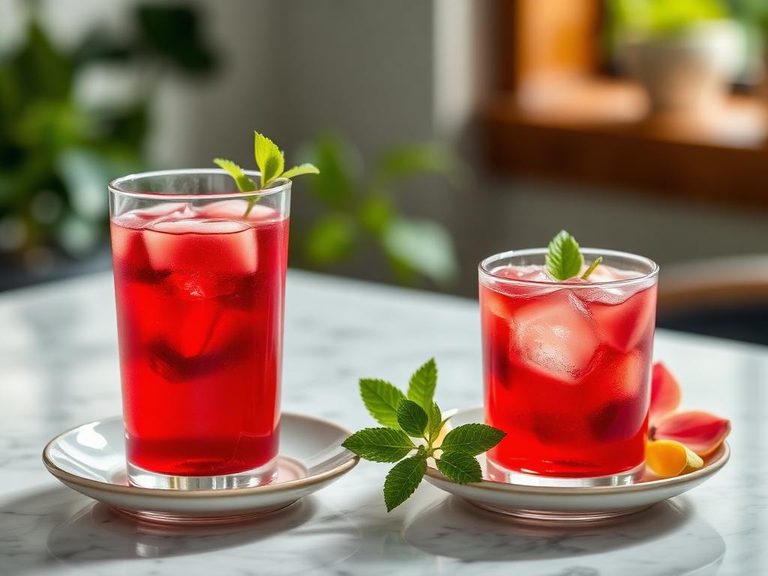
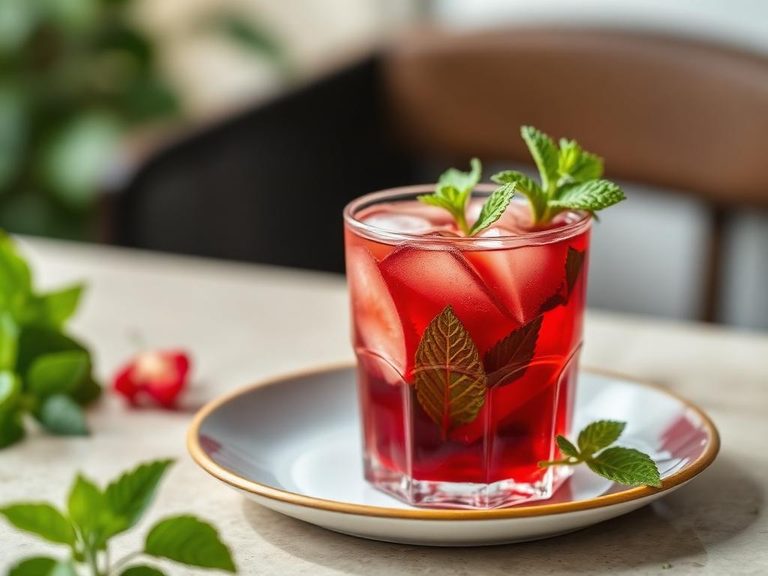
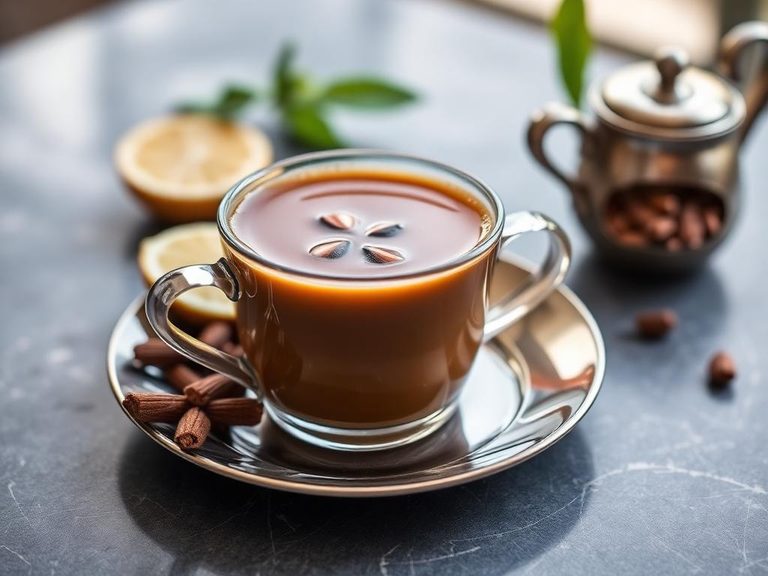
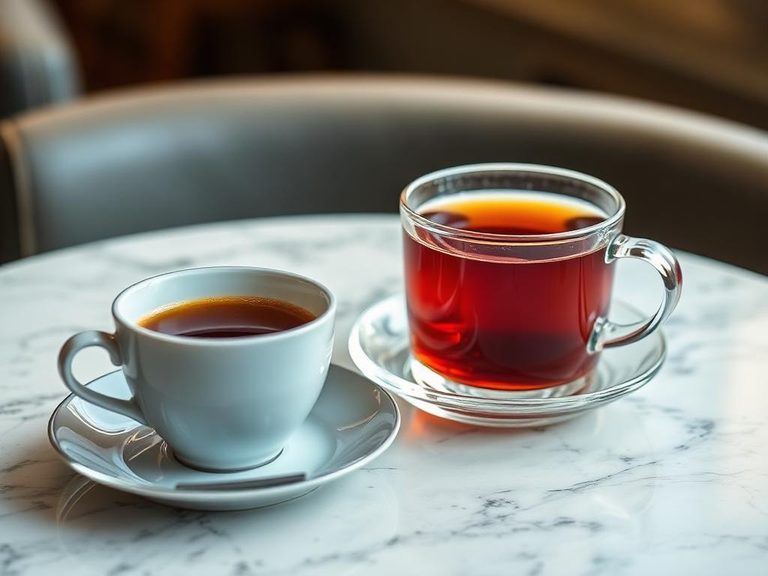
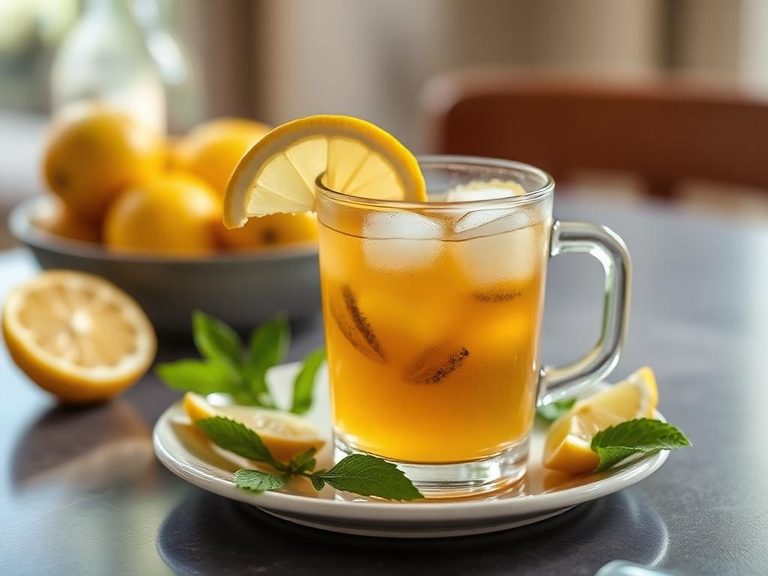
Hibiscus tea is a vibrant, tart herbal infusion made from the dried calyces of the hibiscus flower (Hibiscus sabdariffa). It is enjoyed hot or cold and is a popular beverage across many cultures, particularly in West Africa, the Caribbean, and Southeast Asia. The drink is known for its deep ruby-red color and cranberry-like flavor.
🍽️ Nutrition at a glance
Hibiscus tea is virtually calorie-free, containing no fat, protein, or significant carbohydrates. It is a good source of vitamin C and provides antioxidants like anthocyanins, which contribute to its color and potential health benefits.
Nutrition breakdown
| Calories | 2 kcal |
| Protein | 0 g |
| Carbs | 0.5 g |
| Fat | 0 g |
| Fiber | 0 g |
| Sugar | 0 g |
| Sodium | 5 mg |
| Vitamin C | 3 mg |
| Potassium | 20 mg |
| Iron | 0.1 mg |
| Magnesium | 2 mg |
| Calcium | 5 mg |
| Antioxidants (Anthocyanins) | Present |
Per 1 cup (240 g) · estimated, varies by recipe
💡 What's interesting
Culturally, hibiscus tea is known by many names, such as 'bissap' in Senegal, 'agua de jamaica' in Mexico, and 'sorrel' in the Caribbean, often being a centerpiece at social gatherings. Nutritionally, it is studied for its potential to support healthy blood pressure levels and is a caffeine-free alternative to traditional teas.