

Tangerine juice, 100%
Common food

Photo: Wikipedia
100% tangerine juice is a vibrant, sun-kissed liquid that captures the sweet-tart essence of the mandarin orange. It offers a smooth, pulpy texture and a bright, citrusy flavor that is less acidic than many other orange juices. Nutritionally, it's a low-calorie, hydrating drink that provides a quick source of natural sugars and a modest dose of vitamin C.
Calorie split: 5% protein · 91% carbs · 4% fat
↓ Full nutrition💚 Why it's loved
People love it for its uniquely sweet, floral aroma and a flavor that balances sunny sweetness with a gentle tang, making it a refreshing standalone drink or a bright cocktail mixer. Its cultural significance in Lunar New Year celebrations, where tangerines symbolize good fortune, adds a layer of festive tradition to its appeal.
⚠️ Watch-outs & how to enjoy it better
The natural sugars (9.9g per 100g) can cause a rapid blood-sugar spike, which is a concern for individuals managing diabetes or insulin resistance. To counteract this, pair it with a source of protein or healthy fat (like a handful of nuts or a cheese stick) to slow sugar absorption, or dilute it with sparkling water to reduce the glycemic load per serving.
Key benefits
- Excellent source of immune-supporting vitamin C
- Provides natural electrolytes like potassium for hydration
- Contains flavonoids like hesperidin with antioxidant properties
- Low in fat and a good source of quick, natural energy
- May support skin health due to its vitamin content
🍽️ Popular dishes
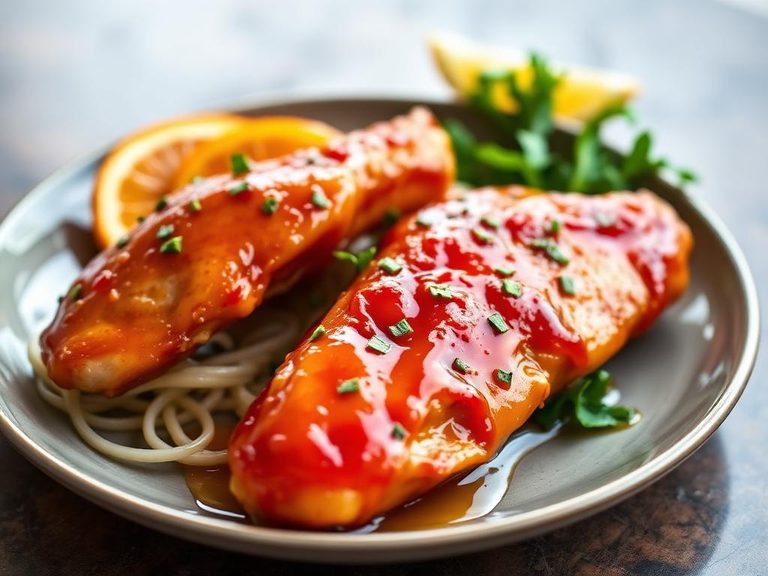
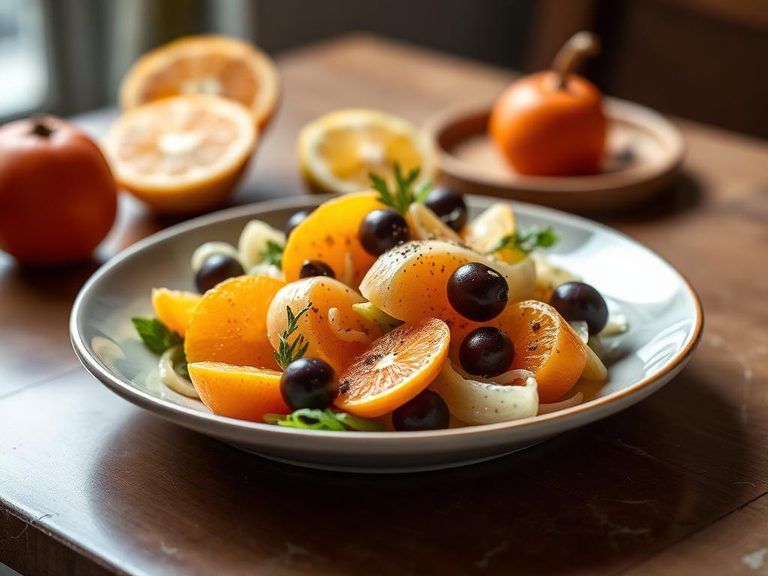
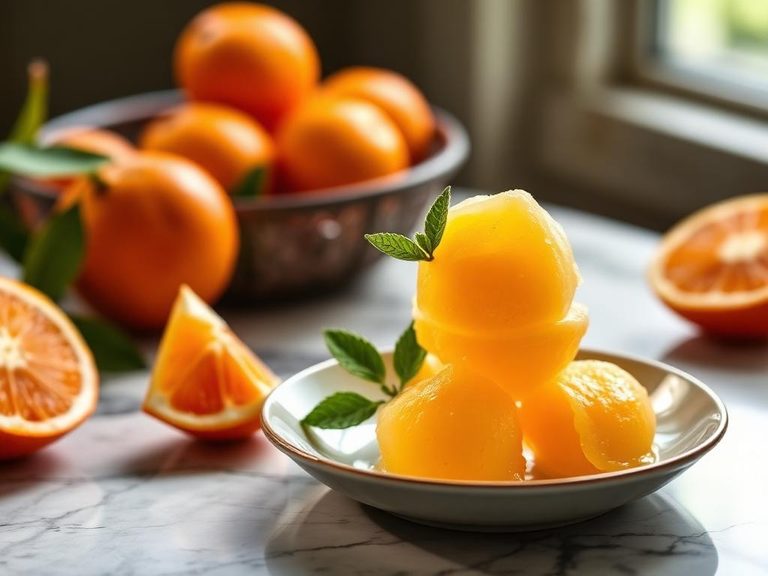
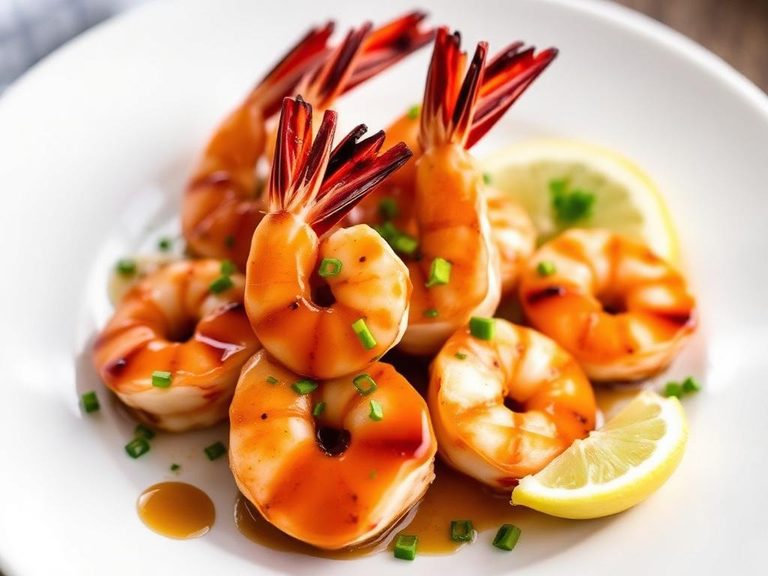
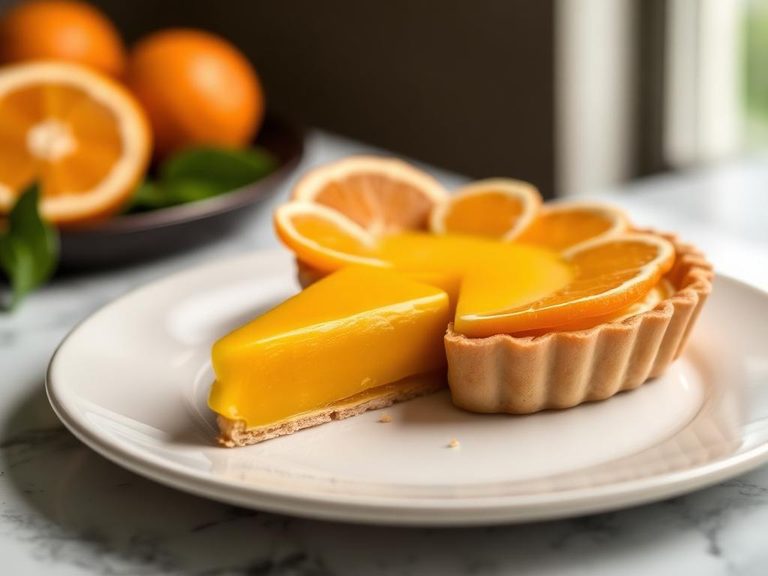
🌍 Where it's eaten
💡 Did you know?
Tangerines were named after Tangier, Morocco, the port from which they were first shipped to Europe and the United States in the 19th century.
Full nutrition (USDA data · scales with serving)
| Water | 88.9 g |
| Energy | 43.0 kcal |
| Protein | 0.50 g |
| Total lipid (fat) | 0.20 g |
| Carbohydrate, by difference | 10.1 g |
| Fiber, total dietary | 0.20 g |
| Total Sugars | 9.9 g |
| Calcium, Ca | 18.0 mg |
| Iron, Fe | 0.20 mg |
| Magnesium, Mg | 8.0 mg |
| Phosphorus, P | 14.0 mg |
| Potassium, K | 178 mg |
| Sodium, Na | 1.0 mg |
| Zinc, Zn | 0.03 mg |
| Copper, Cu | 0.03 mg |
| Selenium, Se | 0.10 ug |
| Vitamin C, total ascorbic acid | 29.4 mg |
| Thiamin | 0.06 mg |
| Riboflavin | 0.02 mg |
| Niacin | 0.10 mg |
| Vitamin B-6 | 0.04 mg |
| Folate, total | 5.0 ug |
| Folic acid | 0.00 ug |
| Folate, food | 5.0 ug |
| Folate, DFE | 5.0 ug |
| Choline, total | 6.2 mg |
| Vitamin B-12 | 0.00 ug |
| Vitamin B-12, added | 0.00 ug |
| Vitamin A, RAE | 12.0 ug |
| Retinol | 0.00 ug |
| Carotene, beta | 36.0 ug |
| Carotene, alpha | 13.0 ug |
| Cryptoxanthin, beta | 203 ug |
| Lycopene | 0.00 ug |
| Lutein + zeaxanthin | 158 ug |
| Vitamin E (alpha-tocopherol) | 0.13 mg |
| Vitamin E, added | 0.00 mg |
| Vitamin D (D2 + D3) | 0.00 ug |
| Vitamin K (phylloquinone) | 0.00 ug |
| Alcohol, ethyl | 0.00 g |
| Caffeine | 0.00 mg |
| Theobromine | 0.00 mg |
Fat & fatty acid profile (per 100g)
| Fatty acids, total saturated | 0.02 g |
| SFA 4:0 | 0.00 g |
| SFA 6:0 | 0.00 g |
| SFA 8:0 | 0.00 g |
| SFA 10:0 | 0.00 g |
| SFA 12:0 | 0.00 g |
| SFA 14:0 | 0.00 g |
| SFA 16:0 | 0.02 g |
| SFA 18:0 | 0.00 g |
| Fatty acids, total monounsaturated | 0.04 g |
| MUFA 16:1 | 0.01 g |
| MUFA 18:1 | 0.03 g |
| MUFA 20:1 | 0.00 g |
| MUFA 22:1 | 0.00 g |
| Fatty acids, total polyunsaturated | 0.04 g |
| PUFA 18:2 | 0.03 g |
| PUFA 18:3 | 0.01 g |
| PUFA 18:4 | 0.00 g |
| PUFA 20:4 | 0.00 g |
| PUFA 20:5 n-3 (EPA) | 0.00 g |
| PUFA 22:5 n-3 (DPA) | 0.00 g |
| PUFA 22:6 n-3 (DHA) | 0.00 g |
| Cholesterol | 0.00 mg |
Amino acid profile (per 100g)
Estimated from Tangerines, (mandarin oranges), canned, juice pack — USDA does not publish this profile for Tangerine juice.
| Tryptophan | 0.01 g |
| Threonine | 0.01 g |
| Isoleucine | 0.02 g |
| Leucine | 0.01 g |
| Lysine | 0.03 g |
| Methionine | 0.01 g |
| Cystine | 0.01 g |
| Phenylalanine | 0.02 g |
| Tyrosine | 0.01 g |
| Valine | 0.03 g |
| Arginine | 0.04 g |
| Histidine | 0.01 g |
| Alanine | 0.03 g |
| Aspartic acid | 0.07 g |
| Glutamic acid | 0.06 g |
| Glycine | 0.06 g |
| Proline | 0.03 g |
| Serine | 0.02 g |
FAQ
Is tangerine juice the same as orange juice?
No. Tangerine juice is typically sweeter, less acidic, and has a more pronounced floral or honey-like aroma compared to standard orange juice, which is often tarter and more robust.
Does 100% tangerine juice have added sugar?
By definition, '100% juice' contains no added sugars. The sweetness comes entirely from the natural fructose present in the fruit.
How does the nutrition compare to eating a whole tangerine?
Juicing removes most of the dietary fiber (0.2g vs. ~2g in a whole fruit), concentrating the sugars and calories. Eating the whole fruit provides more fiber, which aids satiety and slows sugar absorption.
Nutrient density (calculated · NRF9.3)
Nutrient Rich Foods index: beneficial nutrients (protein, fiber, vitamins, minerals) minus saturated fat, added sugar & sodium, per 100 kcal.
NRF9.3 index — Fulgoni, Keast & Drewnowski, 2009. Computed from USDA nutrients.
Weight-loss friendliness (composite index)
Energy density 0.43 kcal/g · 5% calories from protein · 0.2 g fiber · 9.9 g sugar per 100 g.
Composite of energy density (Rolls et al., 1999), protein & fiber satiety, minus sugar. A calculated heuristic — ranks satiety-per-calorie, not a clinical measure.
Dietary load (calculated from USDA values)
Potential renal acid load. Positive = acid-forming, negative = alkaline-forming.
Sodium-to-potassium ratio: 0.01 (lower is better — aim for ≤ 1)
Sodium:potassium per WHO potassium guidance. Computed from USDA nutrients.