

Sour cream, regular
Common food
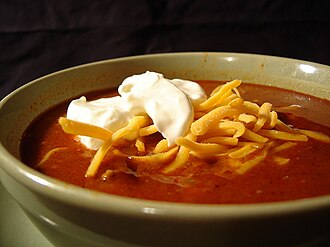
Photo: Wikipedia
Sour cream is a cultured dairy product with a thick, velvety texture and a distinctively tangy, mild flavor. Its high fat content (nearly 18g per 100g) provides a rich, creamy mouthfeel that mellows the heat of spicy dishes and adds luxurious depth to both savory and sweet recipes. Nutritionally, it's a concentrated source of calories and fat, with minimal protein or carbohydrates.
Calorie split: 6% protein · 11% carbs · 82% fat
↓ Full nutrition💚 Why it's loved
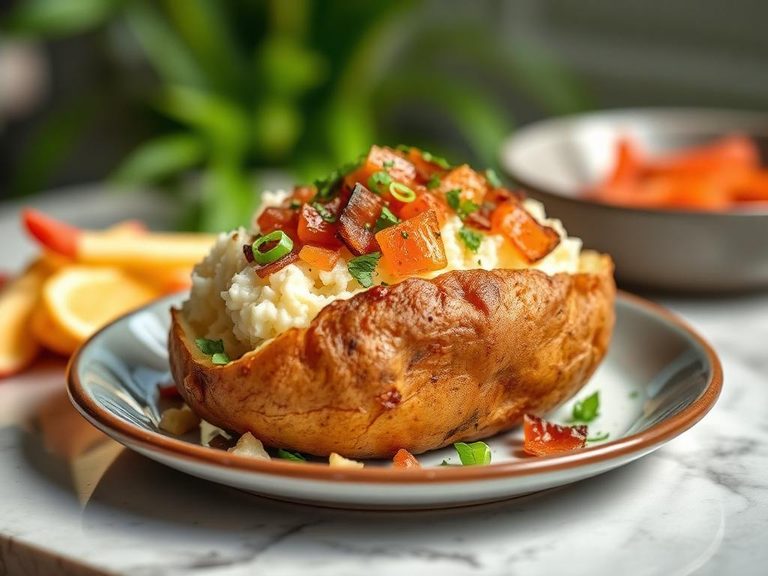
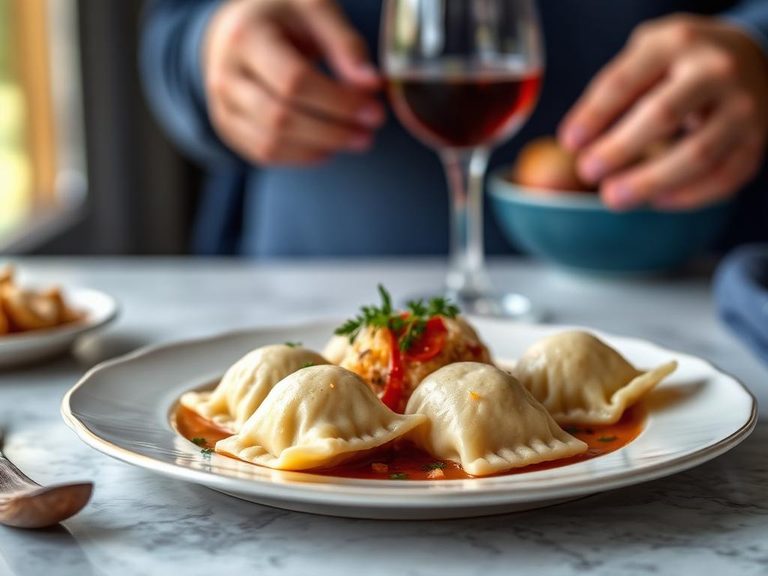
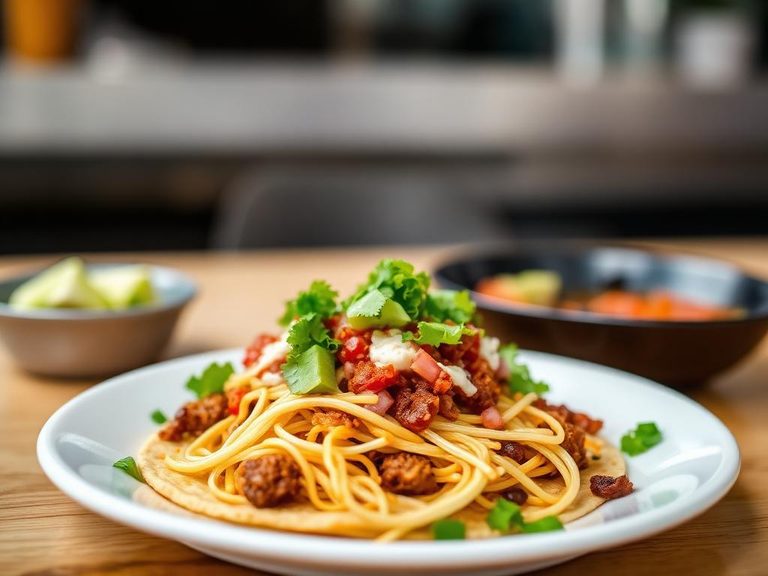
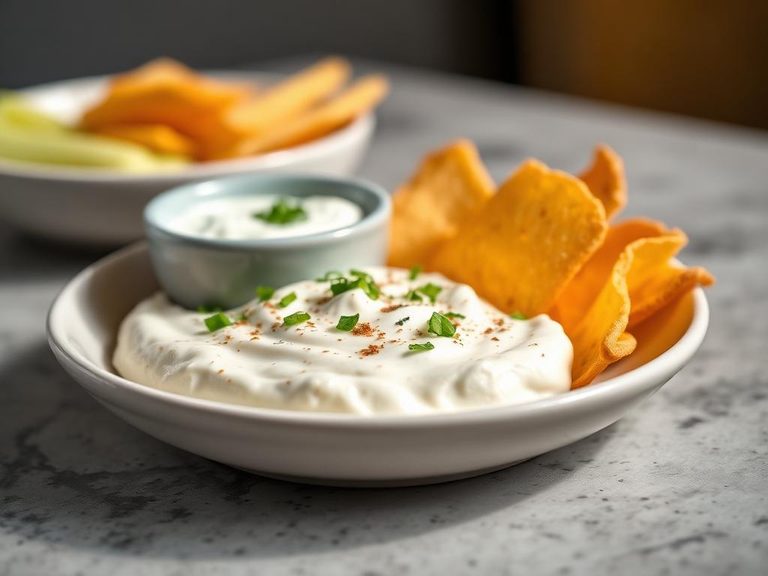
People love sour cream for its cool, tangy contrast that cuts through the richness of foods like chili or pierogi, and its creamy texture that instantly elevates a simple baked potato or taco. Its versatility as a topping, ingredient, or base for dips makes it a beloved staple in many comfort-food traditions.
⚠️ Watch-outs & how to enjoy it better
Its high saturated fat and calorie content make it a food to enjoy in moderation, especially for those monitoring heart health or calorie intake. The lactose and dairy proteins can also trigger digestive issues for those with lactose intolerance or a milk allergy. To counteract, use it sparingly as a flavorful accent rather than a main component, and opt for lactose-free or lower-fat versions if needed.
Key benefits
- Provides a rich source of dietary fat for satiety and flavor.
- Contains calcium and phosphorus for bone health.
- The tanginess can balance and enhance other flavors in a dish.
- Adds moisture and tenderness to baked goods and sauces.
- A traditional condiment that requires no cooking.
🍽️ Popular dishes
🌍 Where it's eaten
💡 Did you know?
The tangy flavor in sour cream comes from the lactic acid produced by bacteria (like Lactococcus and Lactobacillus) during fermentation, which also naturally thickens the cream.
Full nutrition (USDA data · scales with serving)
| Water | 72.6 g |
| Energy | 196 kcal |
| Protein | 3.1 g |
| Total lipid (fat) | 18.0 g |
| Carbohydrate, by difference | 5.6 g |
| Fiber, total dietary | 0.00 g |
| Total Sugars | 3.4 g |
| Calcium, Ca | 107 mg |
| Iron, Fe | 0.00 mg |
| Magnesium, Mg | 10.0 mg |
| Phosphorus, P | 102 mg |
| Potassium, K | 154 mg |
| Sodium, Na | 50.0 mg |
| Zinc, Zn | 0.39 mg |
| Copper, Cu | 0.00 mg |
| Selenium, Se | 3.7 ug |
| Vitamin C, total ascorbic acid | 0.90 mg |
| Thiamin | 0.04 mg |
| Riboflavin | 0.17 mg |
| Niacin | 0.10 mg |
| Vitamin B-6 | 0.04 mg |
| Folate, total | 6.0 ug |
| Folic acid | 0.00 ug |
| Folate, food | 6.0 ug |
| Folate, DFE | 6.0 ug |
| Choline, total | 19.2 mg |
| Vitamin B-12 | 0.06 ug |
| Vitamin B-12, added | 0.00 ug |
| Vitamin A, RAE | 152 ug |
| Retinol | 152 ug |
| Carotene, beta | 0.00 ug |
| Carotene, alpha | 0.00 ug |
| Cryptoxanthin, beta | 0.00 ug |
| Lycopene | 0.00 ug |
| Lutein + zeaxanthin | 4.0 ug |
| Vitamin E (alpha-tocopherol) | 0.38 mg |
| Vitamin E, added | 0.00 mg |
| Vitamin D (D2 + D3) | 0.00 ug |
| Vitamin K (phylloquinone) | 1.5 ug |
| Alcohol, ethyl | 0.00 g |
| Caffeine | 0.00 mg |
| Theobromine | 0.00 mg |
Fat & fatty acid profile (per 100g)
| Fatty acids, total saturated | 10.7 g |
| SFA 4:0 | 0.03 g |
| SFA 6:0 | 0.20 g |
| SFA 8:0 | 0.14 g |
| SFA 10:0 | 0.38 g |
| SFA 12:0 | 0.55 g |
| SFA 14:0 | 1.8 g |
| SFA 16:0 | 5.0 g |
| SFA 18:0 | 1.6 g |
| Fatty acids, total monounsaturated | 3.8 g |
| MUFA 16:1 | 0.29 g |
| MUFA 18:1 | 4.1 g |
| MUFA 20:1 | 0.03 g |
| MUFA 22:1 | 0.00 g |
| Fatty acids, total polyunsaturated | 0.80 g |
| PUFA 18:2 | 0.39 g |
| PUFA 18:3 | 0.07 g |
| PUFA 18:4 | 0.00 g |
| PUFA 20:4 | 0.03 g |
| PUFA 20:5 n-3 (EPA) | 0.01 g |
| PUFA 22:5 n-3 (DPA) | 0.01 g |
| PUFA 22:6 n-3 (DHA) | 0.00 g |
| Cholesterol | 53.0 mg |
Amino acid profile (per 100g)
Estimated from Snacks, potato chips, made from dried potatoes, sour-cream and onion-flavor — USDA does not publish this profile for Sour cream.
| Tryptophan | 0.07 g |
| Threonine | 0.28 g |
| Isoleucine | 0.31 g |
| Leucine | 0.48 g |
| Lysine | 0.44 g |
| Methionine | 0.10 g |
| Cystine | 0.08 g |
| Phenylalanine | 0.29 g |
| Tyrosine | 0.25 g |
| Valine | 0.38 g |
| Arginine | 0.31 g |
| Histidine | 0.15 g |
| Alanine | 0.25 g |
| Aspartic acid | 0.93 g |
| Glutamic acid | 1.1 g |
| Glycine | 0.21 g |
| Proline | 0.37 g |
| Serine | 0.29 g |
FAQ
What's the difference between sour cream and crème fraîche?
Sour cream is made from cream fermented with specific bacteria, giving it a distinct tang. Crème fraîche is also fermented cream but typically uses different cultures, resulting in a milder flavor, higher fat content, and a texture that is less likely to curdle when heated.
Can I substitute sour cream in baking?
Yes, you can often substitute plain yogurt (for a tangier result) or buttermilk (thinned to a similar consistency) in baking recipes. For a richer substitute, use a mixture of plain Greek yogurt and a little melted butter.
Why does my sour cream sometimes separate or get watery?
This is called syneresis and can happen due to temperature changes, agitation, or the natural breakdown of the protein structure over time. It's safe to stir it back in, or use it in cooked dishes where the texture is less critical.
Nutrient density (calculated · NRF9.3)
Nutrient Rich Foods index: beneficial nutrients (protein, fiber, vitamins, minerals) minus saturated fat, added sugar & sodium, per 100 kcal.
NRF9.3 index — Fulgoni, Keast & Drewnowski, 2009. Computed from USDA nutrients.
Weight-loss friendliness (composite index)
Energy density 1.96 kcal/g · 6% calories from protein · 0.0 g fiber · 3.4 g sugar per 100 g.
Composite of energy density (Rolls et al., 1999), protein & fiber satiety, minus sugar. A calculated heuristic — ranks satiety-per-calorie, not a clinical measure.
Dietary load (calculated from USDA values)
Potential renal acid load. Positive = acid-forming, negative = alkaline-forming.
Sodium-to-potassium ratio: 0.32 (lower is better — aim for ≤ 1)
Sodium:potassium per WHO potassium guidance. Computed from USDA nutrients.