

Sour cream, imitation
Common food

Photo: Wikipedia
Imitation sour cream is a smooth, tangy, and creamy dairy-free alternative, typically made from vegetable oil, starches, and thickeners. It mimics the rich mouthfeel of traditional sour cream but with a lighter, often slightly more neutral flavor profile. Nutritionally, it's a high-fat, low-protein option, providing nearly 20 grams of fat per 100g serving.
Calorie split: 5% protein · 13% carbs · 83% fat
↓ Full nutrition💚 Why it's loved
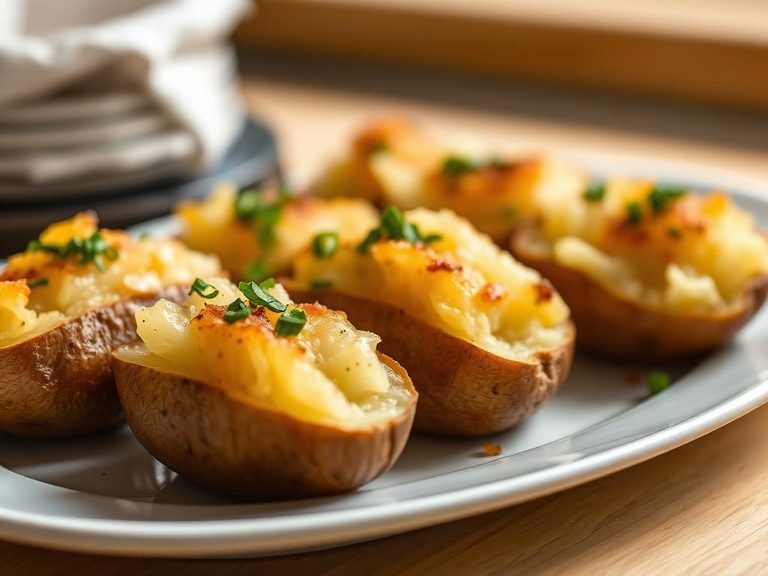
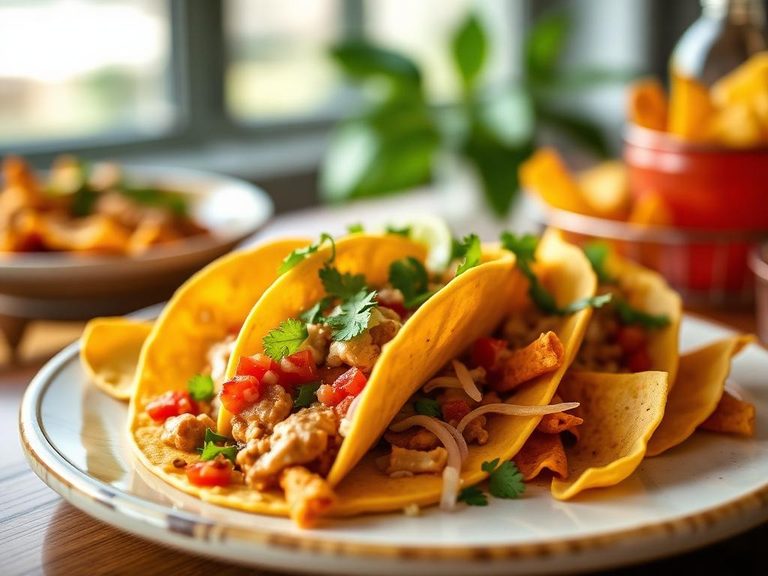
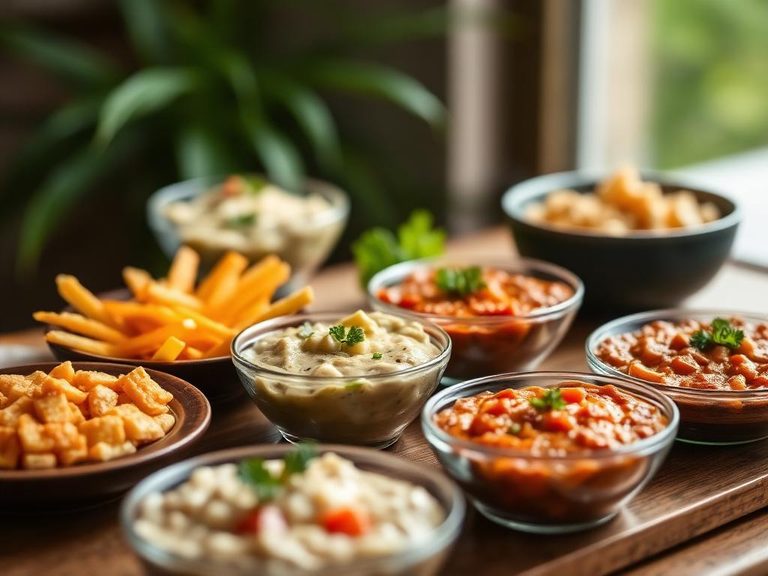
People love it for its cool, tangy contrast that cuts through spicy dishes like chili or tacos, and its ability to add instant creaminess to soups, dips, and baked potatoes. It's a versatile, convenient staple that makes many recipes accessible to those avoiding dairy.
⚠️ Watch-outs & how to enjoy it better
Its high fat content (mostly from refined vegetable oils) and lack of protein or fiber mean it offers little satiety and can contribute empty calories. Those monitoring fat intake or seeking whole-food nutrition should use it sparingly. Tip: Pair it with high-fiber, protein-rich foods like beans, lean meat, or whole grains to create a more balanced meal and improve fullness.
Key benefits
- Dairy-free and lactose-free option
- Provides a creamy texture without dairy
- Often lower in cholesterol than traditional sour cream
- Suitable for vegan and plant-based diets
- Shelf-stable before opening
🍽️ Popular dishes
🌍 Where it's eaten
💡 Did you know?
The primary ingredient in many imitation sour creams is water, followed by hydrogenated vegetable oil, which is what gives it that stable, scoopable texture straight from the fridge.
Full nutrition (USDA data · scales with serving)
| Water | 71.2 g |
| Energy | 208 kcal |
| Protein | 2.4 g |
| Total lipid (fat) | 19.5 g |
| Carbohydrate, by difference | 6.6 g |
| Fiber, total dietary | 0.00 g |
| Total Sugars | 6.6 g |
| Calcium, Ca | 3.0 mg |
| Iron, Fe | 0.39 mg |
| Magnesium, Mg | 6.0 mg |
| Phosphorus, P | 45.0 mg |
| Potassium, K | 161 mg |
| Sodium, Na | 102 mg |
| Zinc, Zn | 1.2 mg |
| Copper, Cu | 0.06 mg |
| Selenium, Se | 2.5 ug |
| Vitamin C, total ascorbic acid | 0.00 mg |
| Thiamin | 0.00 mg |
| Riboflavin | 0.00 mg |
| Niacin | 0.00 mg |
| Vitamin B-6 | 0.00 mg |
| Folate, total | 0.00 ug |
| Folic acid | 0.00 ug |
| Folate, food | 0.00 ug |
| Folate, DFE | 0.00 ug |
| Choline, total | 0.00 mg |
| Vitamin B-12 | 0.00 ug |
| Vitamin B-12, added | 0.00 ug |
| Vitamin A, RAE | 0.00 ug |
| Retinol | 0.00 ug |
| Carotene, beta | 0.00 ug |
| Carotene, alpha | 0.00 ug |
| Cryptoxanthin, beta | 0.00 ug |
| Lycopene | 0.00 ug |
| Lutein + zeaxanthin | 0.00 ug |
| Vitamin E (alpha-tocopherol) | 0.74 mg |
| Vitamin E, added | 0.00 mg |
| Vitamin D (D2 + D3) | 0.00 ug |
| Vitamin K (phylloquinone) | 4.8 ug |
| Alcohol, ethyl | 0.00 g |
| Caffeine | 0.00 mg |
| Theobromine | 0.00 mg |
Fat & fatty acid profile (per 100g)
| Fatty acids, total saturated | 17.8 g |
| SFA 4:0 | 0.00 g |
| SFA 6:0 | 0.00 g |
| SFA 8:0 | 1.0 g |
| SFA 10:0 | 1.0 g |
| SFA 12:0 | 8.1 g |
| SFA 14:0 | 3.4 g |
| SFA 16:0 | 2.0 g |
| SFA 18:0 | 2.2 g |
| Fatty acids, total monounsaturated | 0.59 g |
| MUFA 16:1 | 0.00 g |
| MUFA 18:1 | 0.59 g |
| MUFA 20:1 | 0.00 g |
| MUFA 22:1 | 0.00 g |
| Fatty acids, total polyunsaturated | 0.06 g |
| PUFA 18:2 | 0.06 g |
| PUFA 18:3 | 0.00 g |
| PUFA 18:4 | 0.00 g |
| PUFA 20:4 | 0.00 g |
| PUFA 20:5 n-3 (EPA) | 0.00 g |
| PUFA 22:5 n-3 (DPA) | 0.00 g |
| PUFA 22:6 n-3 (DHA) | 0.00 g |
| Cholesterol | 0.00 mg |
Amino acid profile (per 100g)
Estimated from Snacks, potato chips, made from dried potatoes, sour-cream and onion-flavor — USDA does not publish this profile for Sour cream.
| Tryptophan | 0.07 g |
| Threonine | 0.28 g |
| Isoleucine | 0.31 g |
| Leucine | 0.48 g |
| Lysine | 0.44 g |
| Methionine | 0.10 g |
| Cystine | 0.08 g |
| Phenylalanine | 0.29 g |
| Tyrosine | 0.25 g |
| Valine | 0.38 g |
| Arginine | 0.31 g |
| Histidine | 0.15 g |
| Alanine | 0.25 g |
| Aspartic acid | 0.93 g |
| Glutamic acid | 1.1 g |
| Glycine | 0.21 g |
| Proline | 0.37 g |
| Serine | 0.29 g |
FAQ
What is imitation sour cream made from?
It's typically made from a base of water and vegetable oil (like soybean or palm oil), along with thickeners like modified food starch, stabilizers, and acids like lactic acid to create the tangy flavor.
Can I cook with imitation sour cream?
It can be used as a topping or in cold dips, but it may separate or become grainy when boiled or baked at high heat due to its starch-based thickeners. It's best added at the end of cooking or used in no-bake recipes.
Is imitation sour cream healthier than regular sour cream?
It's a trade-off. It's cholesterol-free and dairy-free, but often higher in total fat and made from processed vegetable oils. Regular sour cream contains some protein and calcium. The 'healthier' choice depends on your dietary needs and restrictions.
Nutrient density (calculated · NRF9.3)
Nutrient Rich Foods index: beneficial nutrients (protein, fiber, vitamins, minerals) minus saturated fat, added sugar & sodium, per 100 kcal.
NRF9.3 index — Fulgoni, Keast & Drewnowski, 2009. Computed from USDA nutrients.
Weight-loss friendliness (composite index)
Energy density 2.08 kcal/g · 5% calories from protein · 0.0 g fiber · 6.6 g sugar per 100 g.
Composite of energy density (Rolls et al., 1999), protein & fiber satiety, minus sugar. A calculated heuristic — ranks satiety-per-calorie, not a clinical measure.
Dietary load (calculated from USDA values)
Potential renal acid load. Positive = acid-forming, negative = alkaline-forming.
Sodium-to-potassium ratio: 0.63 (lower is better — aim for ≤ 1)
Sodium:potassium per WHO potassium guidance. Computed from USDA nutrients.