

Vanilla extract, imitation, alcohol
Whole food · Spices and Herbs

Photo: Wikipedia
Imitation vanilla extract is a synthetic flavoring designed to mimic the complex profile of pure vanilla, primarily using vanillin derived from sources like lignin or guaiacol. It offers a clean, sweet, and intensely aromatic vanilla taste without the specks or nuanced depth of the real bean. Nutritionally, it is virtually calorie-free and contains negligible macronutrients, serving purely as a flavor enhancer.
Calorie split: 2% protein · 98% carbs · 0% fat
↓ Full nutrition💚 Why it's loved
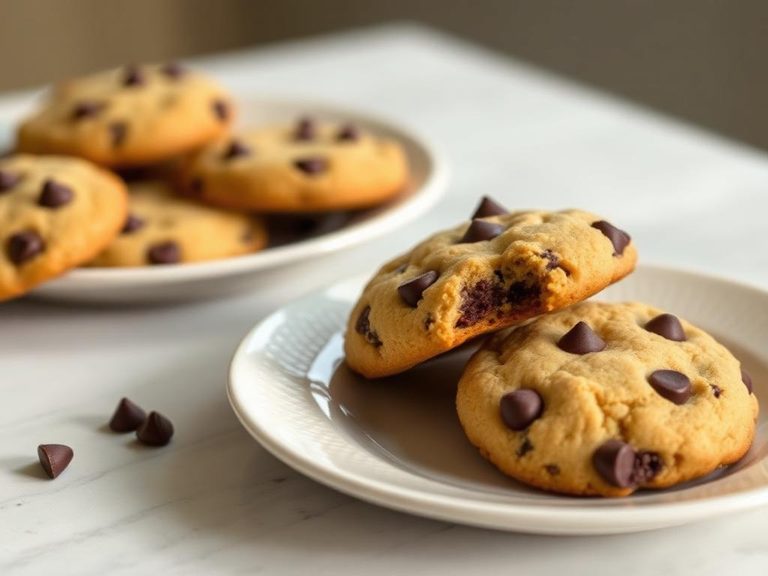
People love it for delivering that classic, comforting vanilla punch that elevates everything from cookies to smoothies, making baking accessible and affordable. Its versatility and reliability have made it a pantry staple in countless kitchens worldwide.
⚠️ Watch-outs & how to enjoy it better
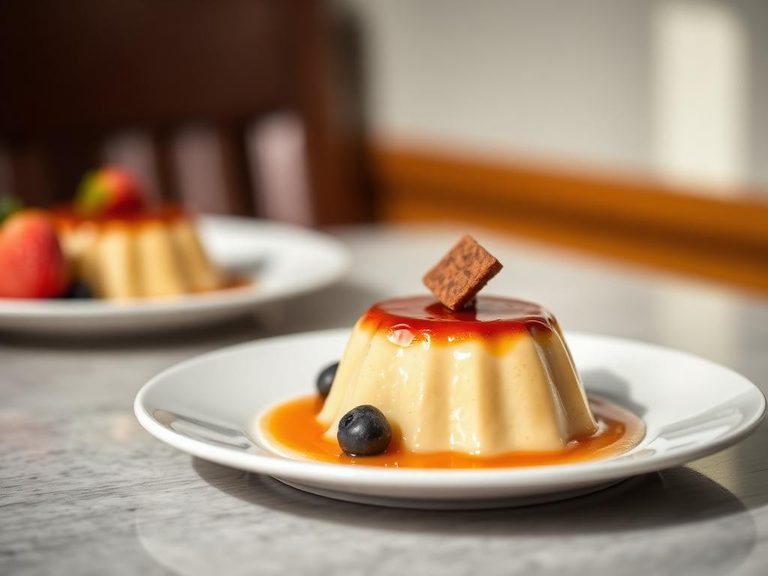
Some bakers find its flavor one-dimensional and lacking the floral, woody complexity of pure vanilla, which can be noticeable in simple recipes like custard. For those sensitive to alcohol, the base can be a concern, though most cooks off during baking. Tip: In delicate, cold preparations like no-bake cheesecake or whipped cream, use a fraction of the amount or opt for a pure extract to avoid a harsh, chemical aftertaste.
Key benefits
- Provides intense vanilla flavor at a fraction of the cost of pure extract.
- Heat-stable, making it reliable for baking at high temperatures.
- Consistent flavor profile batch-to-batch.
- Typically gluten-free and suitable for vegan diets.
- Contains no fat, sugar, or protein.
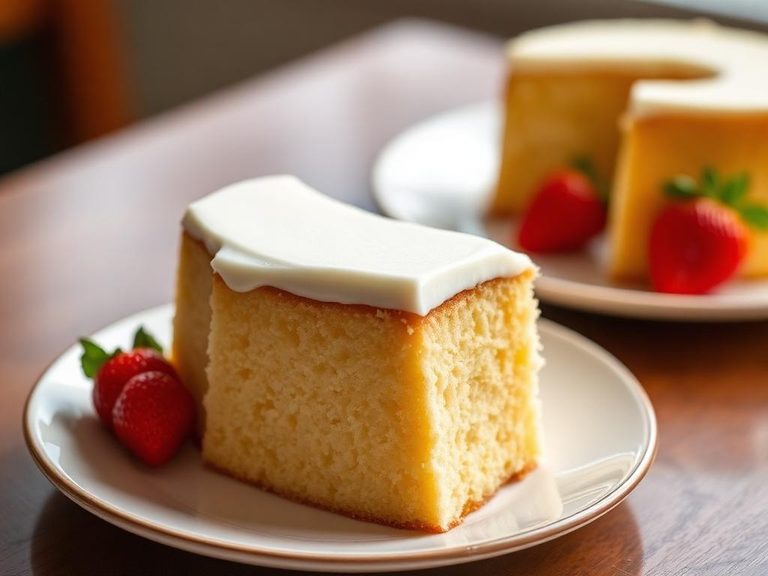
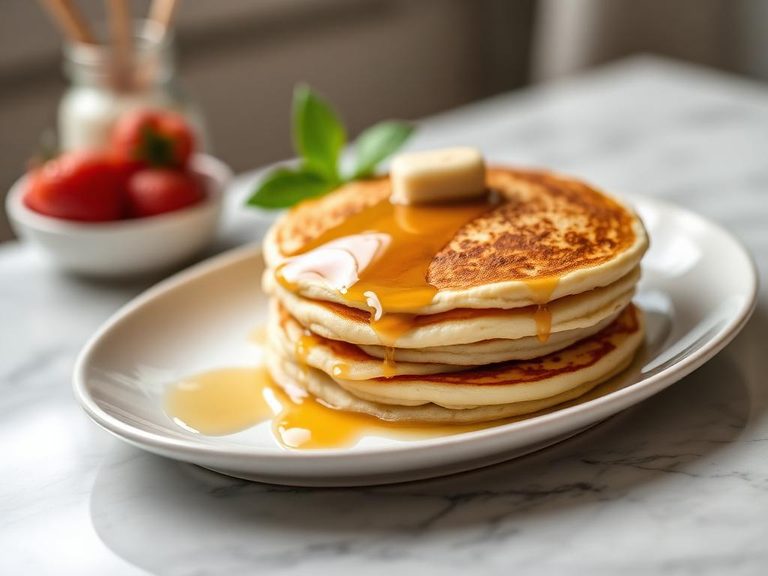
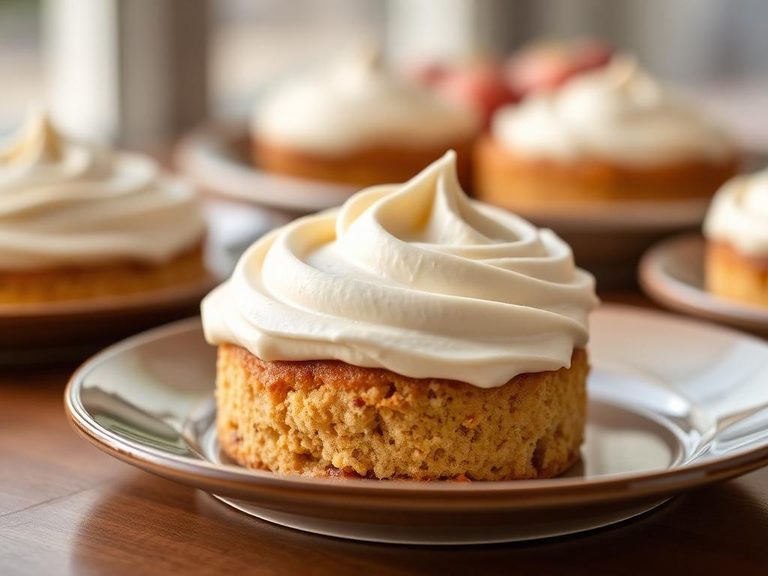
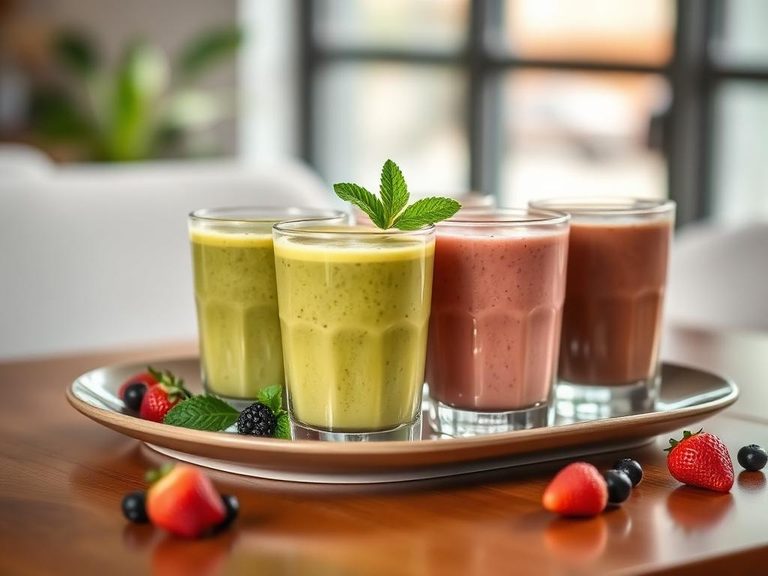
🍽️ Popular dishes
🌍 Where it's eaten
💡 Did you know?
The primary compound in imitation vanilla, vanillin, was first synthesized from the chemical compound guaiacol in 1874, just two years after it was isolated from the vanilla bean itself.
Full nutrition (USDA data · scales with serving)
| Water | 64.5 g |
| Energy | 237 kcal |
| Energy | 992 kj |
| Protein | 0.05 g |
| Total lipid (fat) | 0.00 g |
| Ash | 0.22 g |
| Carbohydrate, by difference | 2.4 g |
| Fiber, total dietary | 0.00 g |
| Calcium, Ca | 0.00 mg |
| Iron, Fe | 0.13 mg |
| Magnesium, Mg | 5.0 mg |
| Phosphorus, P | 22.0 mg |
| Potassium, K | 98.0 mg |
| Sodium, Na | 4.0 mg |
| Zinc, Zn | 0.06 mg |
| Copper, Cu | 0.02 mg |
| Manganese, Mn | 0.48 mg |
| Vitamin C, total ascorbic acid | 0.00 mg |
| Thiamin | 0.01 mg |
| Riboflavin | 0.07 mg |
| Niacin | 0.32 mg |
| Pantothenic acid | 0.03 mg |
| Vitamin B-6 | 0.02 mg |
| Folate, total | 0.00 ug |
| Folic acid | 0.00 ug |
| Folate, food | 0.00 ug |
| Folate, DFE | 0.00 ug |
| Vitamin B-12 | 0.00 ug |
| Vitamin A, RAE | 0.00 ug |
| Retinol | 0.00 ug |
| Vitamin A, IU | 0.00 iu |
| Vitamin D (D2 + D3), International Units | 0.00 iu |
| Vitamin D (D2 + D3) | 0.00 ug |
| Alcohol, ethyl | 32.9 g |
Fat & fatty acid profile (per 100g)
| Fatty acids, total trans | 0.00 g |
| Cholesterol | 0.00 mg |
FAQ
Is imitation vanilla extract the same as vanilla flavoring?
Yes, they are generally the same. 'Imitation vanilla extract' and 'vanilla flavoring' both refer to a product made with synthetic vanillin as the primary flavoring agent, often in an alcohol and water base.
Can I substitute it 1:1 for pure vanilla extract in recipes?
For most baked goods like cakes and cookies, yes. However, for recipes where vanilla is the star flavor (like crème brûlée or vanilla bean ice cream), the difference in complexity will be noticeable, and pure extract is preferred.
Does the alcohol in imitation vanilla extract cook off?
Most, but not all, of the alcohol evaporates during baking or cooking. The amount remaining in a finished baked good is typically minimal and not a significant concern for most people.
Nutrient density (calculated · NRF9.3)
Nutrient Rich Foods index: beneficial nutrients (protein, fiber, vitamins, minerals) minus saturated fat, added sugar & sodium, per 100 kcal.
NRF9.3 index — Fulgoni, Keast & Drewnowski, 2009. Computed from USDA nutrients.
Weight-loss friendliness (composite index)
Energy density 2.37 kcal/g · 0% calories from protein · 0.0 g fiber · 0.0 g sugar per 100 g.
Composite of energy density (Rolls et al., 1999), protein & fiber satiety, minus sugar. A calculated heuristic — ranks satiety-per-calorie, not a clinical measure.
Dietary load (calculated from USDA values)
Potential renal acid load. Positive = acid-forming, negative = alkaline-forming.
Sodium-to-potassium ratio: 0.04 (lower is better — aim for ≤ 1)
Sodium:potassium per WHO potassium guidance. Computed from USDA nutrients.