

Snacks, popcorn, caramel-coated, without peanuts
Whole food · Snacks

Photo: Wikipedia
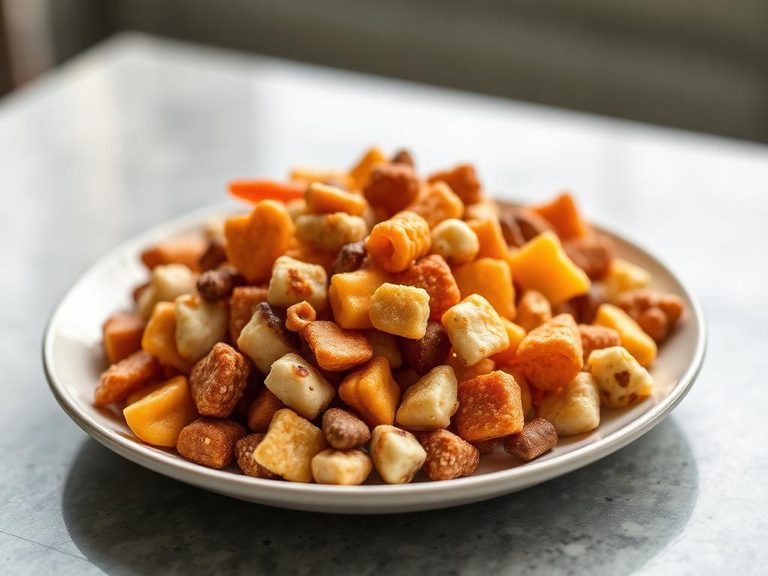
Caramel-coated popcorn is a classic treat where fluffy, popped corn kernels are enrobed in a glossy, sticky-sweet caramel shell. The texture is a delightful contrast: a satisfying, audible crunch from the caramel gives way to the light, airy interior of the corn. Nutritionally, it's a high-energy snack, primarily delivering quick carbohydrates from both the corn and the significant added sugar.
Calorie split: 3% protein · 71% carbs · 26% fat
↓ Full nutrition💚 Why it's loved
People love it for the irresistible combination of buttery, toasty corn flavor with deep, rich caramel sweetness. It's a nostalgic staple at movie theaters, carnivals, and holiday gatherings, evoking a sense of fun and indulgence.
⚠️ Watch-outs & how to enjoy it better
The high sugar content (over 50g per 100g) can cause rapid blood sugar spikes, making it a poor choice for those managing diabetes or seeking sustained energy. To mitigate this, enjoy a small portion alongside a source of protein or healthy fat (like a handful of nuts or a piece of cheese) to slow sugar absorption. Also, be mindful of sticky caramel's effect on dental hygiene; rinsing with water after eating can help.
Key benefits
- Provides a quick source of energy from carbohydrates.
- Contains some dietary fiber from the whole grain popcorn.
- Offers a small amount of plant-based protein.
- A convenient, shelf-stable, and portable snack option.
- The crunch can provide a satisfying sensory experience.
🍽️ Popular dishes
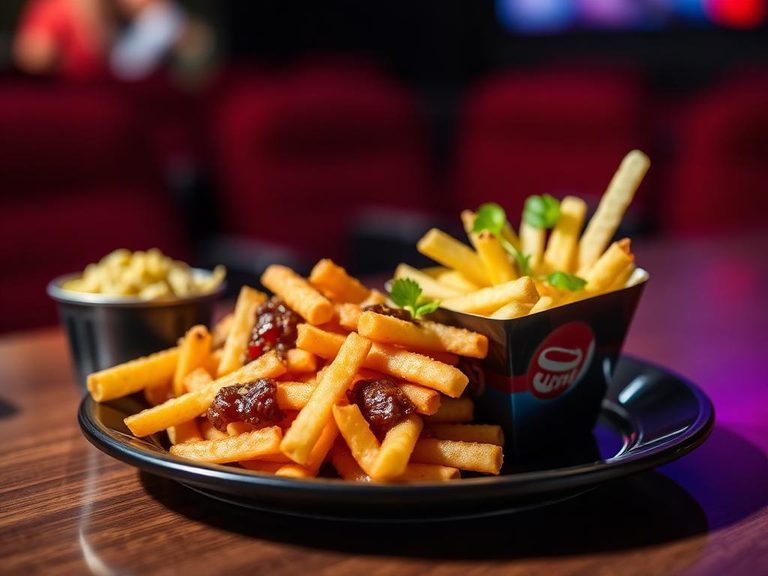

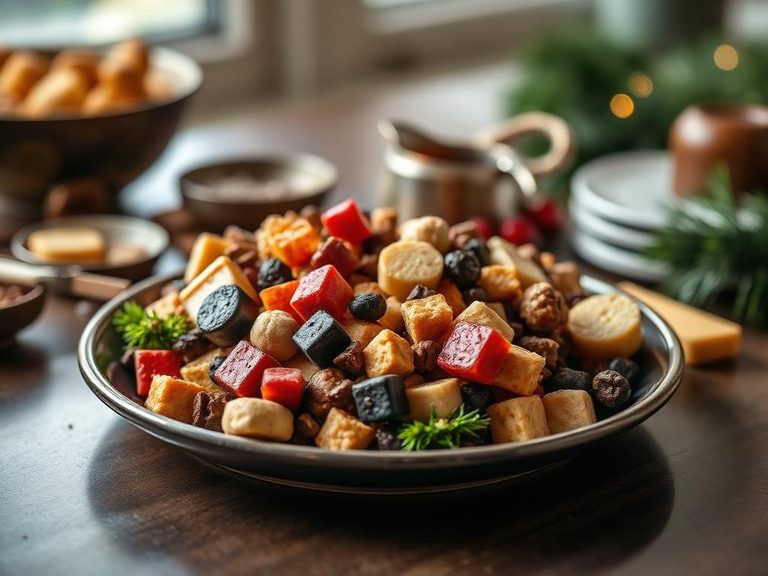
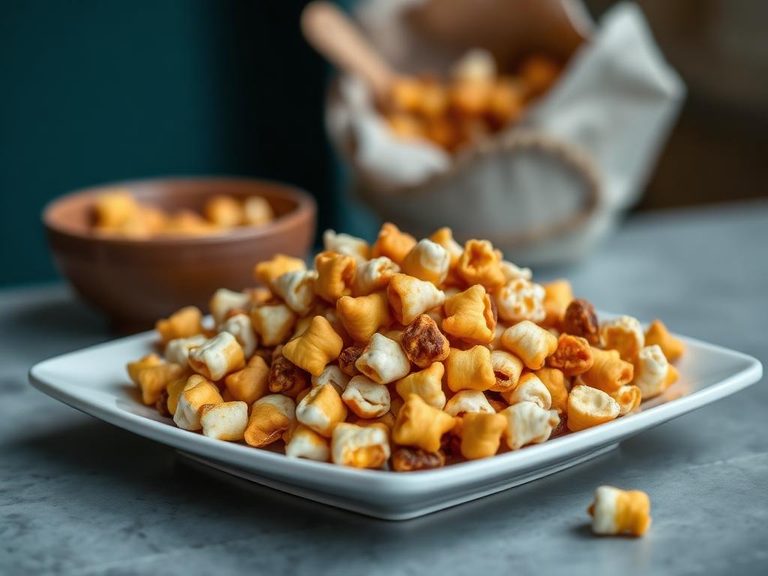
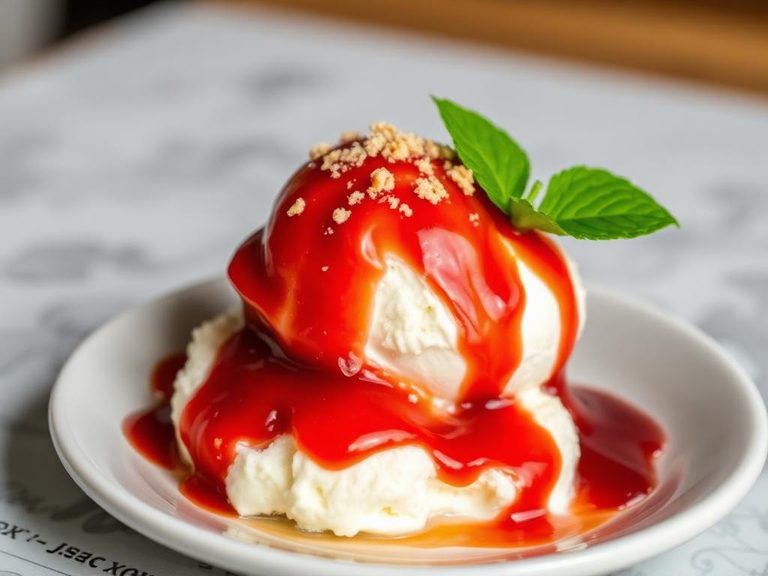
🌍 Where it's eaten
💡 Did you know?
The first known recipe for caramel corn appeared in 1893, and a Chicago candy maker named Frederick Rueckheim is credited with popularizing it by inventing a machine in 1901 that could coat popcorn evenly and separate the kernels, creating the modern Cracker Jack.
Full nutrition (USDA data · scales with serving)
| Water | 2.8 g |
| Energy | 431 kcal |
| Energy | 1803 kj |
| Protein | 3.8 g |
| Total lipid (fat) | 12.8 g |
| Ash | 1.5 g |
| Carbohydrate, by difference | 79.1 g |
| Fiber, total dietary | 5.2 g |
| Total Sugars | 53.2 g |
| Calcium, Ca | 43.0 mg |
| Iron, Fe | 1.7 mg |
| Magnesium, Mg | 35.0 mg |
| Phosphorus, P | 83.0 mg |
| Potassium, K | 109 mg |
| Sodium, Na | 206 mg |
| Zinc, Zn | 0.58 mg |
| Copper, Cu | 0.12 mg |
| Manganese, Mn | 0.22 mg |
| Selenium, Se | 3.6 ug |
| Vitamin C, total ascorbic acid | 0.00 mg |
| Thiamin | 0.07 mg |
| Riboflavin | 0.07 mg |
| Niacin | 2.2 mg |
| Pantothenic acid | 0.08 mg |
| Vitamin B-6 | 0.03 mg |
| Folate, total | 5.0 ug |
| Folic acid | 0.00 ug |
| Folate, food | 5.0 ug |
| Folate, DFE | 5.0 ug |
| Choline, total | 23.5 mg |
| Vitamin B-12 | 0.01 ug |
| Vitamin B-12, added | 0.00 ug |
| Vitamin A, RAE | 2.0 ug |
| Retinol | 2.0 ug |
| Carotene, beta | 1.0 ug |
| Carotene, alpha | 0.00 ug |
| Cryptoxanthin, beta | 0.00 ug |
| Vitamin A, IU | 8.0 iu |
| Lycopene | 0.00 ug |
| Lutein + zeaxanthin | 0.00 ug |
| Vitamin E (alpha-tocopherol) | 1.2 mg |
| Vitamin E, added | 0.00 mg |
| Vitamin D (D2 + D3), International Units | 0.00 iu |
| Vitamin D (D2 + D3) | 0.00 ug |
| Vitamin K (phylloquinone) | 12.5 ug |
| Alcohol, ethyl | 0.00 g |
| Caffeine | 0.00 mg |
| Theobromine | 0.00 mg |
Fat & fatty acid profile (per 100g)
| Fatty acids, total saturated | 3.6 g |
| SFA 4:0 | 0.11 g |
| SFA 6:0 | 0.07 g |
| SFA 8:0 | 0.04 g |
| SFA 10:0 | 0.09 g |
| SFA 12:0 | 0.10 g |
| SFA 14:0 | 0.37 g |
| SFA 16:0 | 2.1 g |
| SFA 18:0 | 0.72 g |
| Fatty acids, total monounsaturated | 2.9 g |
| MUFA 16:1 | 0.10 g |
| MUFA 18:1 | 2.8 g |
| MUFA 20:1 | 0.00 g |
| MUFA 22:1 | 0.00 g |
| Fatty acids, total polyunsaturated | 4.5 g |
| PUFA 18:2 | 4.1 g |
| PUFA 18:3 | 0.40 g |
| PUFA 18:4 | 0.00 g |
| PUFA 20:4 | 0.00 g |
| PUFA 20:5 n-3 (EPA) | 0.00 g |
| PUFA 22:5 n-3 (DPA) | 0.00 g |
| PUFA 22:6 n-3 (DHA) | 0.00 g |
| Fatty acids, total trans | 0.00 g |
| Cholesterol | 0.00 mg |
Amino acid profile (per 100g)
| Tryptophan | 0.04 g |
| Threonine | 0.15 g |
| Isoleucine | 0.16 g |
| Leucine | 0.28 g |
| Lysine | 0.28 g |
| Methionine | 0.07 g |
| Cystine | 0.04 g |
| Phenylalanine | 0.15 g |
| Tyrosine | 0.11 g |
| Valine | 0.18 g |
| Arginine | 0.23 g |
| Histidine | 0.11 g |
| Alanine | 0.21 g |
| Aspartic acid | 0.39 g |
| Glutamic acid | 0.66 g |
| Glycine | 0.22 g |
| Proline | 0.17 g |
| Serine | 0.16 g |
FAQ
Is caramel corn gluten-free?
Plain popcorn and caramel (sugar, butter) are naturally gluten-free. However, cross-contamination is possible in facilities that process wheat, and some recipes may include malt or other gluten-containing additives. Always check the label for a certified gluten-free seal if you have celiac disease.
Why does the caramel get sticky?
Caramel is hygroscopic, meaning it absorbs moisture from the air. In humid conditions, the sugar in the caramel coating draws in water vapor, causing it to soften and become sticky. Storing it in an airtight container is key to maintaining its crunch.
Can I make a healthier version at home?
Yes. You can make a lighter caramel using less sugar or incorporating alternatives like maple syrup or coconut sugar. Using air-popped popcorn minimizes added oil. For a protein boost, you can mix in nuts or seeds before the caramel sets.
Nutrient density (calculated · NRF9.3)
Nutrient Rich Foods index: beneficial nutrients (protein, fiber, vitamins, minerals) minus saturated fat, added sugar & sodium, per 100 kcal.
NRF9.3 index — Fulgoni, Keast & Drewnowski, 2009. Computed from USDA nutrients.
Weight-loss friendliness (composite index)
Energy density 4.31 kcal/g · 4% calories from protein · 5.2 g fiber · 53.2 g sugar per 100 g.
Composite of energy density (Rolls et al., 1999), protein & fiber satiety, minus sugar. A calculated heuristic — ranks satiety-per-calorie, not a clinical measure.
Dietary load (calculated from USDA values)
Potential renal acid load. Positive = acid-forming, negative = alkaline-forming.
Sodium-to-potassium ratio: 1.89 (lower is better — aim for ≤ 1)
Sodium:potassium per WHO potassium guidance. Computed from USDA nutrients.