

Seeds, sunflower seed flour, partially defatted
Whole food · Nut and Seed Products

Photo: Wikipedia
Partially defatted sunflower seed flour is a fine, nutty powder made by pressing oil from sunflower seeds, leaving behind a protein-rich meal. It has a robust, earthy flavor with a slightly bitter finish and a dry, crumbly texture that absorbs liquids readily. Nutritionally, it's a powerhouse, packing over 48 grams of protein per 100 grams with minimal fat.
Calorie split: 55% protein · 41% carbs · 4% fat
↓ Full nutrition💚 Why it's loved
People love it for its intense, nutty depth that can transform baked goods, smoothies, and savory dishes without adding excess fat. It's a staple in health-conscious and gluten-free cooking for its ability to boost protein content while adding a satisfying, earthy flavor.
⚠️ Watch-outs & how to enjoy it better
The strong, slightly bitter flavor can be overpowering if used in large quantities, and its dry texture requires recipe adjustments to avoid crumbliness. As a common allergen, it must be avoided by those with seed allergies; its high fiber content may also cause digestive discomfort if introduced too quickly. To counteract bitterness, pair it with sweet ingredients like banana or maple syrup, and balance its dryness by adding extra moisture (e.g., applesauce, yogurt, or oil) to your recipe.
Key benefits
- Excellent plant-based protein source for muscle maintenance and satiety.
- High in dietary fiber, supporting digestive health.
- Low in fat, making it a lighter alternative to full-fat seed flours.
- Rich in minerals like magnesium, phosphorus, and selenium.
- Gluten-free, suitable for those with celiac disease or gluten sensitivity.
🍽️ Popular dishes
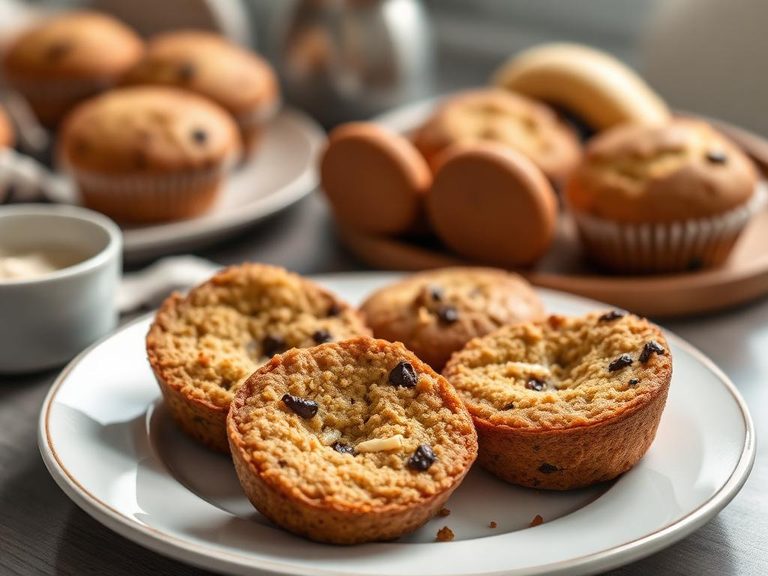
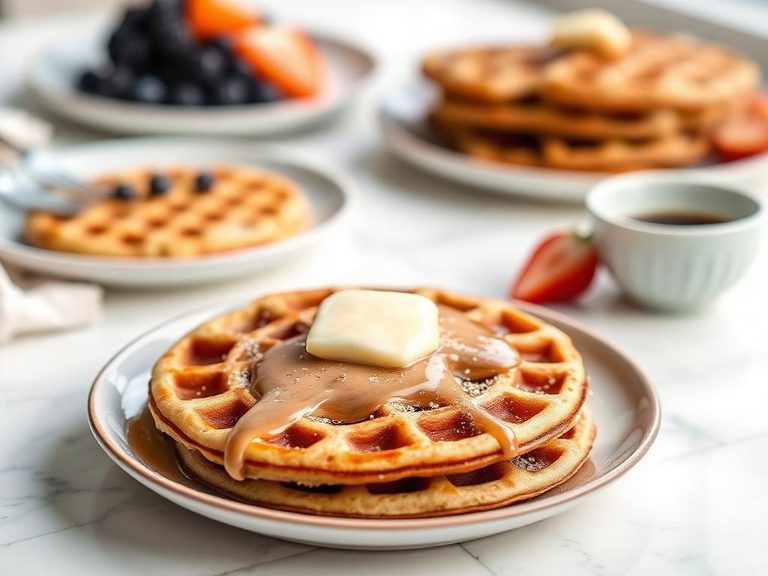
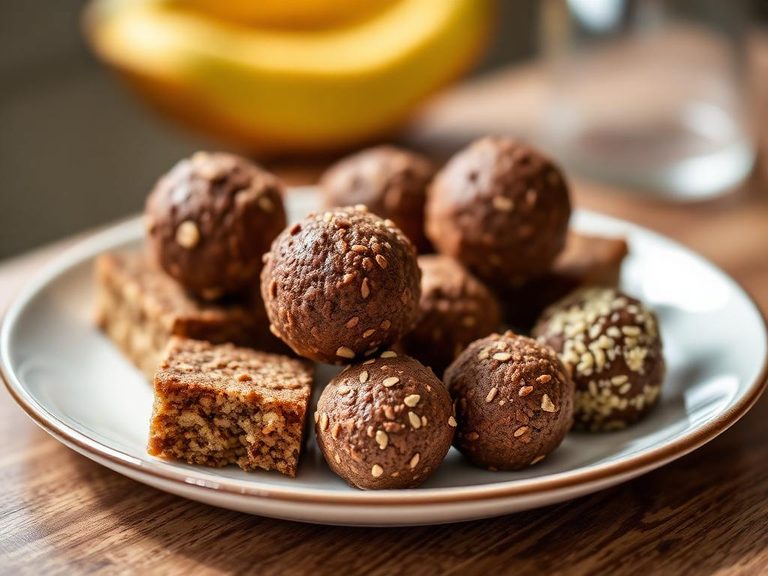
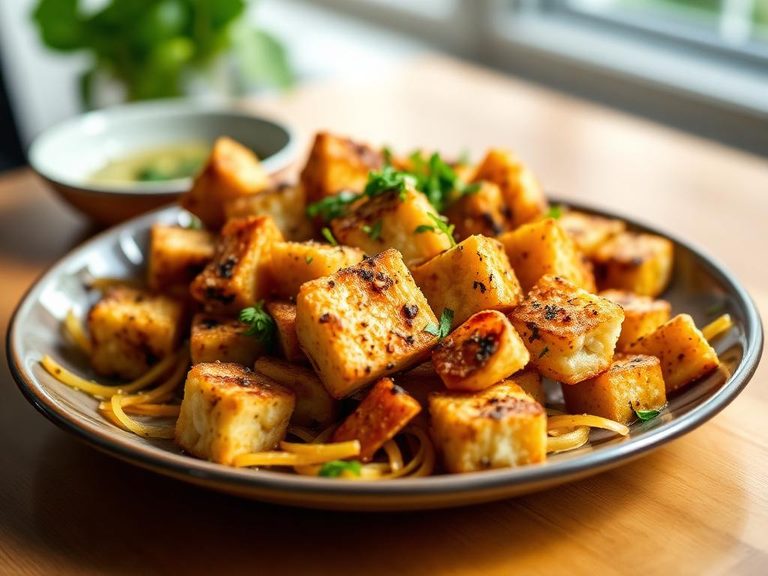
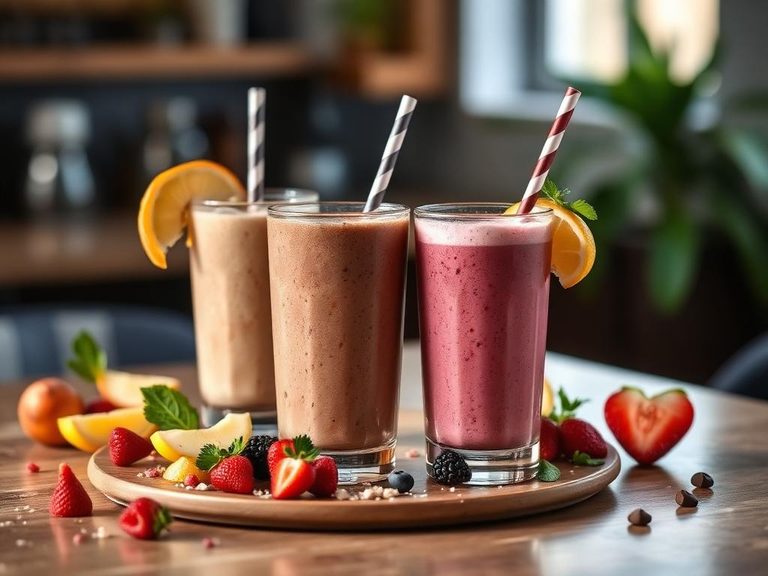
🌍 Where it's eaten
💡 Did you know?
The process of defatting sunflower seeds for flour was popularized in the mid-20th century as a way to create a shelf-stable, high-protein ingredient for the burgeoning health food movement.
Full nutrition (USDA data · scales with serving)
| Water | 7.5 g |
| Energy | 326 kcal |
| Energy | 1364 kj |
| Protein | 48.1 g |
| Total lipid (fat) | 1.6 g |
| Ash | 7.0 g |
| Carbohydrate, by difference | 35.8 g |
| Fiber, total dietary | 5.2 g |
| Calcium, Ca | 114 mg |
| Iron, Fe | 6.6 mg |
| Magnesium, Mg | 346 mg |
| Phosphorus, P | 689 mg |
| Potassium, K | 67.0 mg |
| Sodium, Na | 3.0 mg |
| Zinc, Zn | 5.0 mg |
| Copper, Cu | 1.7 mg |
| Manganese, Mn | 2.0 mg |
| Selenium, Se | 58.2 ug |
| Vitamin C, total ascorbic acid | 1.3 mg |
| Thiamin | 3.2 mg |
| Riboflavin | 0.27 mg |
| Niacin | 7.3 mg |
| Pantothenic acid | 6.6 mg |
| Vitamin B-6 | 0.75 mg |
| Folate, total | 222 ug |
| Folic acid | 0.00 ug |
| Folate, food | 222 ug |
| Folate, DFE | 222 ug |
| Vitamin B-12 | 0.00 ug |
| Vitamin A, RAE | 2.0 ug |
| Retinol | 0.00 ug |
| Vitamin A, IU | 49.0 iu |
| Vitamin D (D2 + D3), International Units | 0.00 iu |
| Vitamin D (D2 + D3) | 0.00 ug |
| Alcohol, ethyl | 0.00 g |
Fat & fatty acid profile (per 100g)
| Fatty acids, total saturated | 0.14 g |
| SFA 4:0 | 0.00 g |
| SFA 6:0 | 0.00 g |
| SFA 8:0 | 0.00 g |
| SFA 10:0 | 0.00 g |
| SFA 12:0 | 0.00 g |
| SFA 14:0 | 0.00 g |
| SFA 16:0 | 0.07 g |
| SFA 18:0 | 0.06 g |
| Fatty acids, total monounsaturated | 0.25 g |
| MUFA 16:1 | 0.00 g |
| MUFA 18:1 | 0.25 g |
| MUFA 20:1 | 0.00 g |
| MUFA 22:1 | 0.00 g |
| Fatty acids, total polyunsaturated | 0.87 g |
| PUFA 18:2 | 0.87 g |
| PUFA 18:3 | 0.00 g |
| PUFA 18:4 | 0.00 g |
| PUFA 20:4 | 0.00 g |
| PUFA 20:5 n-3 (EPA) | 0.00 g |
| PUFA 22:5 n-3 (DPA) | 0.00 g |
| PUFA 22:6 n-3 (DHA) | 0.00 g |
| Cholesterol | 0.00 mg |
Amino acid profile (per 100g)
| Tryptophan | 0.73 g |
| Threonine | 2.0 g |
| Isoleucine | 2.4 g |
| Leucine | 3.5 g |
| Lysine | 2.0 g |
| Methionine | 1.0 g |
| Cystine | 0.95 g |
| Phenylalanine | 2.5 g |
| Tyrosine | 1.4 g |
| Valine | 2.8 g |
| Arginine | 5.1 g |
| Histidine | 1.3 g |
| Alanine | 2.4 g |
| Aspartic acid | 5.2 g |
| Glutamic acid | 11.8 g |
| Glycine | 3.1 g |
| Proline | 2.5 g |
| Serine | 2.3 g |
FAQ
How does partially defatted sunflower seed flour differ from regular sunflower seed flour?
Partially defatted flour has had most of its oil mechanically pressed out, resulting in a much lower fat content (1.61g vs. ~50g per 100g) and a higher concentration of protein and fiber. It's drier and less oily in texture.
Can I use it as a 1:1 substitute for wheat flour in baking?
No. It's gluten-free and lacks the structure of wheat flour. It's best used to replace 10-25% of the flour in a recipe to boost protein and nutrition, or in combination with other gluten-free flours and a binder like xanthan gum.
Why does it sometimes turn green in baked goods?
This is a harmless reaction between the chlorogenic acid in sunflower seeds and baking soda (an alkali). It's purely cosmetic and doesn't affect safety or taste. Using buttermilk or adding a splash of acid like lemon juice can prevent it.
Nutrient density (calculated · NRF9.3)
Nutrient Rich Foods index: beneficial nutrients (protein, fiber, vitamins, minerals) minus saturated fat, added sugar & sodium, per 100 kcal.
NRF9.3 index — Fulgoni, Keast & Drewnowski, 2009. Computed from USDA nutrients.
Weight-loss friendliness (composite index)
Energy density 3.26 kcal/g · 59% calories from protein · 5.2 g fiber · 0.0 g sugar per 100 g.
Composite of energy density (Rolls et al., 1999), protein & fiber satiety, minus sugar. A calculated heuristic — ranks satiety-per-calorie, not a clinical measure.
Dietary load (calculated from USDA values)
Potential renal acid load. Positive = acid-forming, negative = alkaline-forming.
Sodium-to-potassium ratio: 0.04 (lower is better — aim for ≤ 1)
Sodium:potassium per WHO potassium guidance. Computed from USDA nutrients.