Breading for baked vegetables or tofu
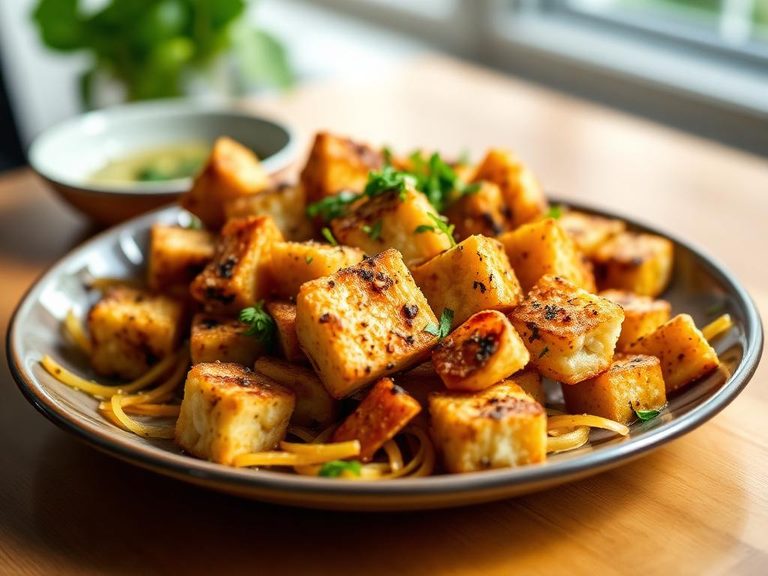
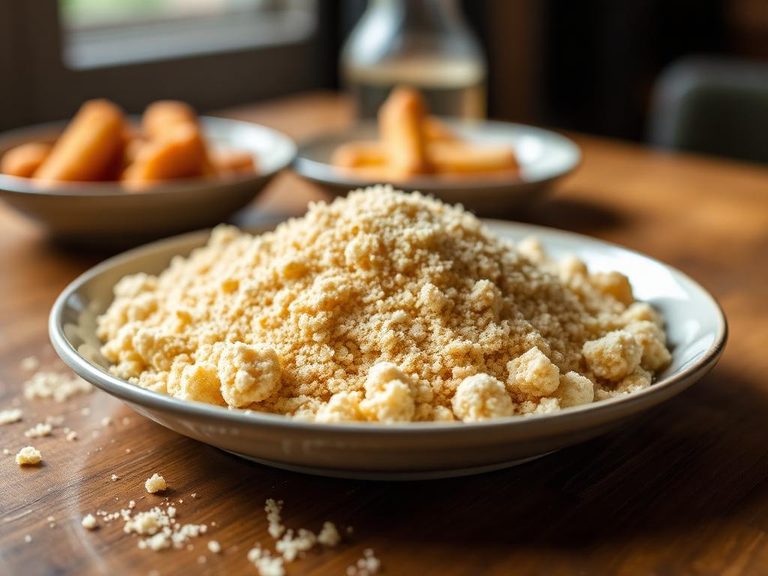
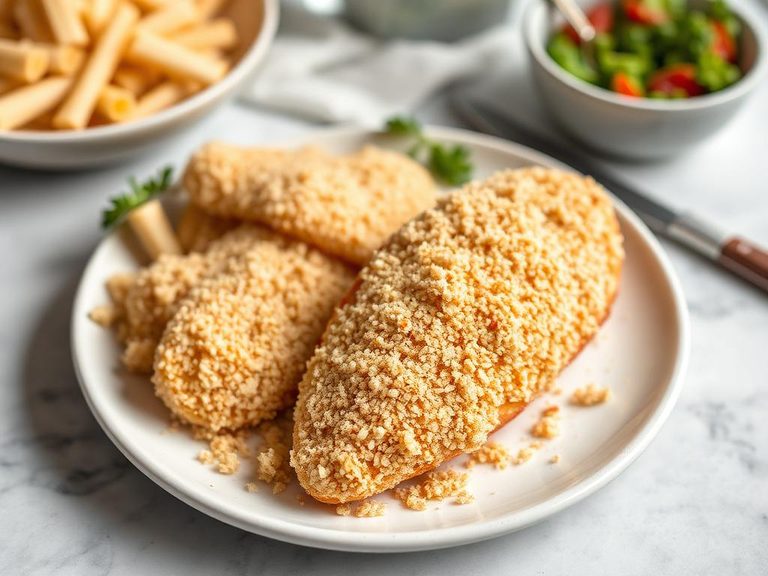
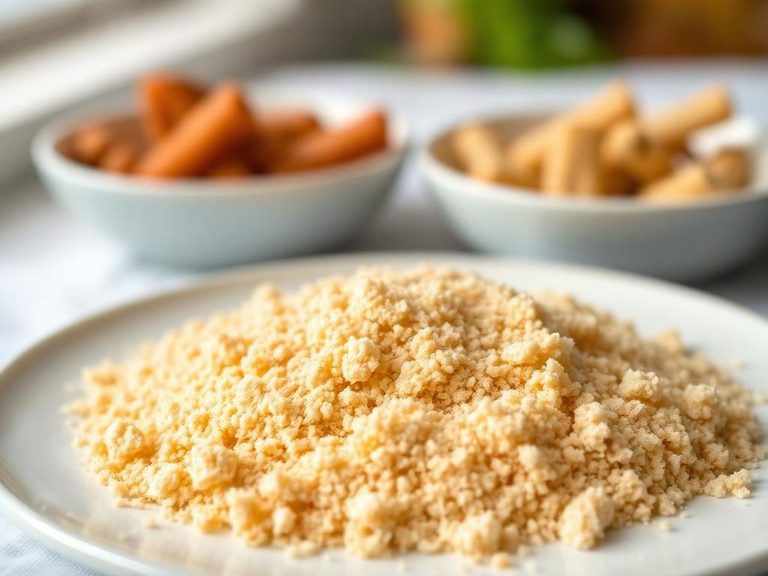
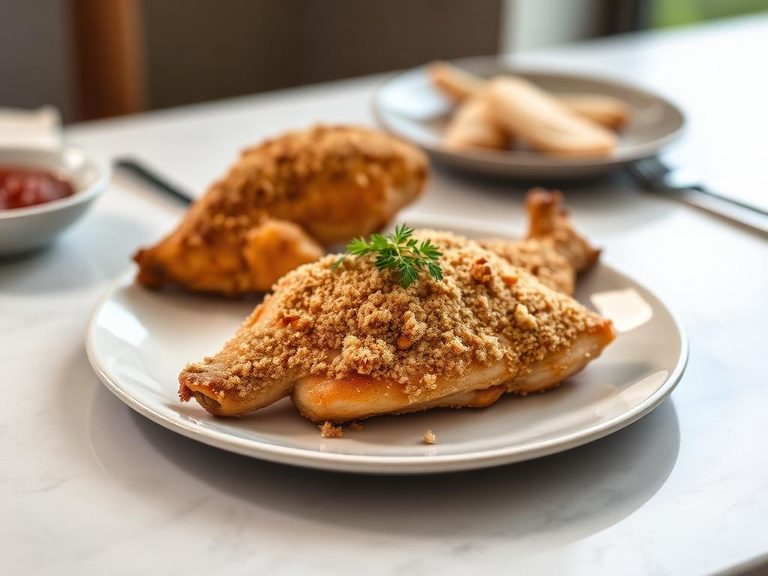
Breading for baked vegetables or tofu is a crispy coating mixture typically made from breadcrumbs, flour, and seasonings. It's used to add texture and flavor to plant-based dishes before baking, creating a satisfying crunch without deep frying. While its exact origin is hard to pin down, it's a staple technique in many Western cuisines, especially Italian and American home cooking.
🍽️ Nutrition at a glance
This breading is generally moderate in carbohydrates from the breadcrumbs and flour, with a small amount of protein and fat depending on the specific ingredients used. A typical serving provides energy, some B vitamins from the grains, and a modest amount of dietary fiber.
Nutrition breakdown
| Calories | 110 kcal |
| Protein | 4 g |
| Carbs | 20 g |
| Fat | 1.5 g |
| Fiber | 1 g |
| Sugar | 1 g |
| Sodium | 180 mg |
| Thiamin (B1) | 0.15 mg |
| Niacin (B3) | 1.8 mg |
| Iron | 1.2 mg |
| Magnesium | 10 mg |
| Phosphorus | 45 mg |
| Zinc | 0.5 mg |
| Selenium | 8 µg |
| Folate | 30 µg |
Per 1/4 cup (30 g) · estimated, varies by recipe
💡 What's interesting
Nutritionally, this breading is a clever way to enhance the sensory appeal of vegetables and tofu, making them more palatable, especially for those transitioning to a plant-based diet. Culturally, it represents a simple yet effective culinary adaptation, turning humble ingredients into a more satisfying and texturally interesting meal.