Breading for Fried Fish or Chicken
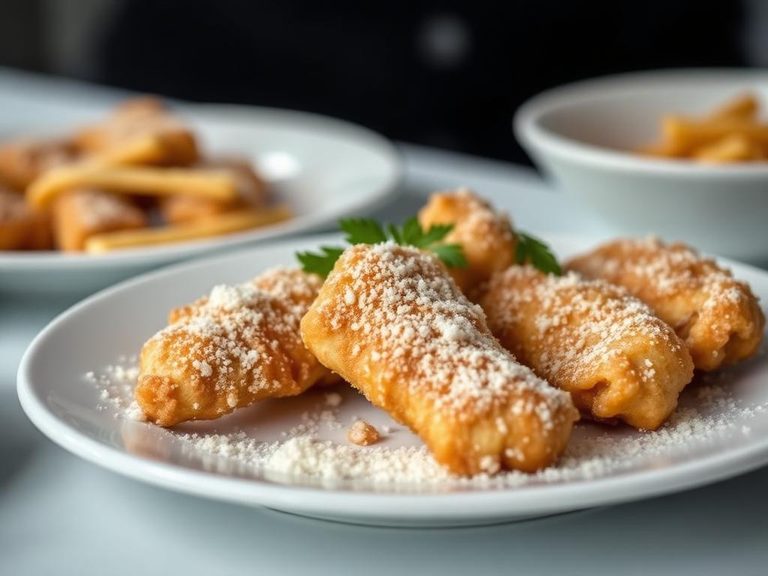
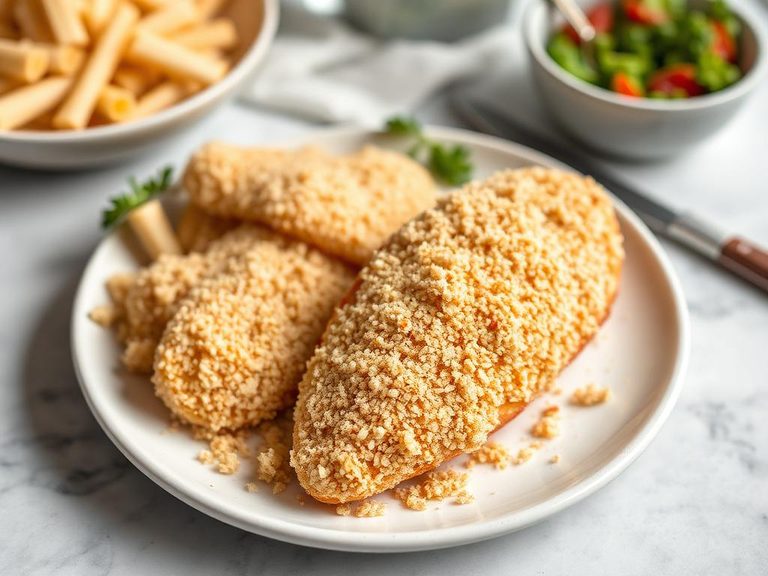
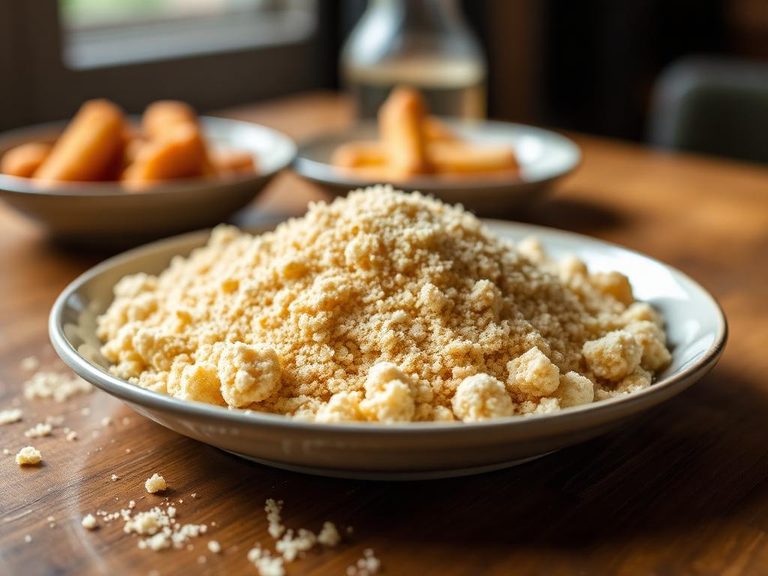
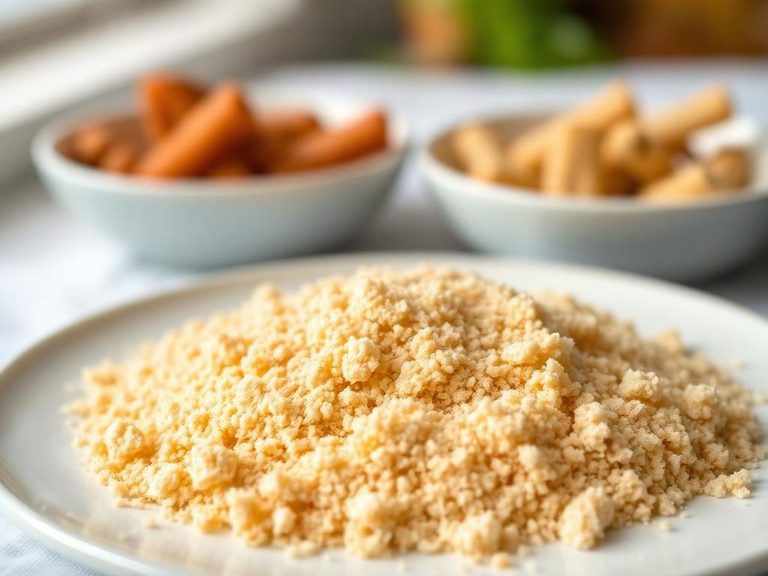
Breading for fried fish or chicken is a crispy, seasoned coating made from a mixture of flour, breadcrumbs, and spices that adheres to the protein before frying. It typically originates from Western culinary traditions, particularly in the United States and Europe, and is a staple for creating a crunchy exterior while keeping the inside moist. The mixture often includes ingredients like all-purpose flour, cornmeal, eggs, and seasonings such as paprika, garlic powder, and salt.
🍽️ Nutrition at a glance
This dish is high in carbohydrates and fat due to the flour and frying process, providing a moderate amount of protein from the coating and the underlying meat. A typical serving can range from 200 to 300 calories, with key nutrients including iron, B vitamins, and sodium, depending on the seasoning and cooking method.
Nutrition breakdown
| Calories | 250 kcal |
| Protein | 5 g |
| Carbs | 35 g |
| Fat | 10 g |
| Fiber | 2 g |
| Sugar | 1 g |
| Sodium | 400 mg |
| Iron | 2 mg |
| Thiamin (B1) | 0.3 mg |
| Niacin (B3) | 3 mg |
| Folate | 60 mcg |
| Magnesium | 25 mg |
| Phosphorus | 80 mg |
| Selenium | 12 mcg |
| Manganese | 0.5 mg |
Per 1 cup (120 g) of breading mixture · estimated, varies by recipe
💡 What's interesting
Breading techniques vary widely across cultures, from the Japanese panko breadcrumbs that create an extra-light crunch to the Southern U.S. buttermilk-based coatings that add tangy depth. Nutritionally, it can enhance the absorption of fat-soluble vitamins from the meat, but it also significantly increases the calorie and fat content compared to grilled alternatives.