

Sauce, tomato chili sauce, bottled, with salt
Whole food · Soups, Sauces, and Gravies

Photo: Wikipedia
This is a vibrant, bottled condiment that blends the savory depth of tomatoes with the fiery kick of chili peppers. Its texture is a smooth, pourable purée with a glossy sheen, delivering a balanced sweet, salty, and spicy flavor profile. Nutritionally, it's a low-fat, high-carb sauce where the majority of calories come from sugars.
Calorie split: 11% protein · 86% carbs · 3% fat
↓ Full nutrition💚 Why it's loved
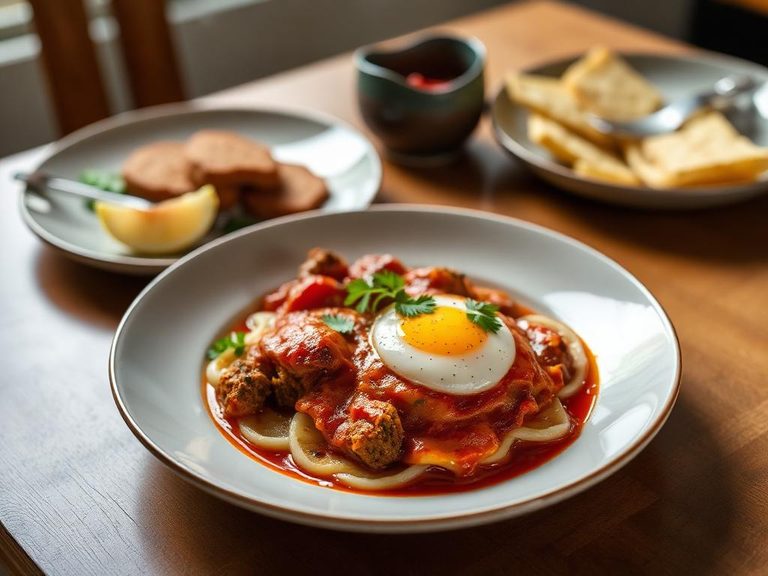
People adore it for its incredible versatility—it can instantly elevate a simple fried egg, dumpling, or grilled meat with its complex sweet-spicy-savory punch. It's a beloved pantry staple in many cultures, serving as a go-to dipping sauce, marinade base, or flavor booster.
⚠️ Watch-outs & how to enjoy it better
The high sugar content (13.33g per 100g) can cause rapid blood-sugar spikes, making it a concern for diabetics or those monitoring sugar intake. To counteract this, use it sparingly as a condiment rather than a main sauce, and always pair it with protein or healthy fats (like eggs, chicken, or avocado) to slow sugar absorption. The sodium content, typical for bottled sauces, should also be considered by those on low-sodium diets.
Key benefits
- Low in total fat and cholesterol
- Contains dietary fiber from tomatoes
- Provides a quick source of energy from carbohydrates
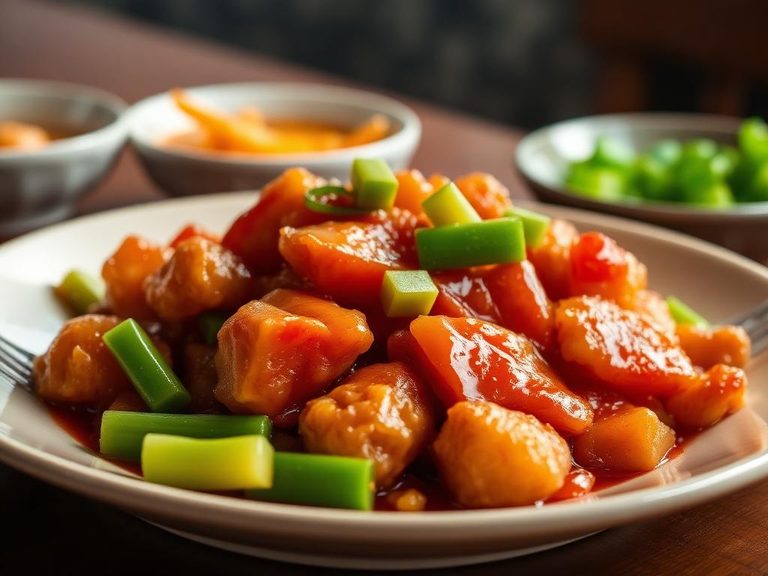
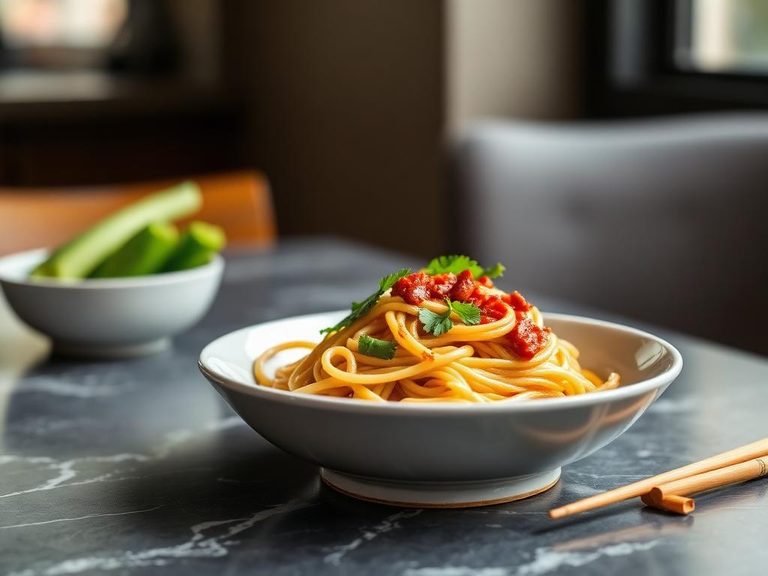
- Adds significant flavor without adding fat to a dish
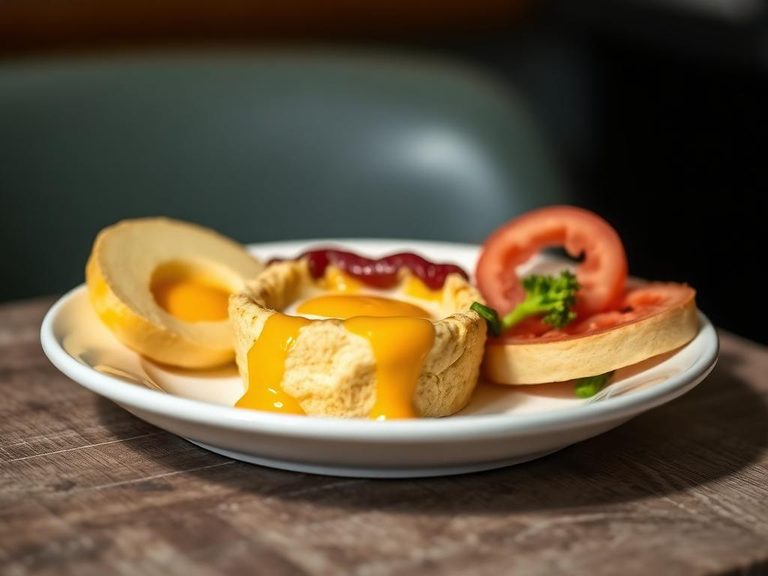
🍽️ Popular dishes
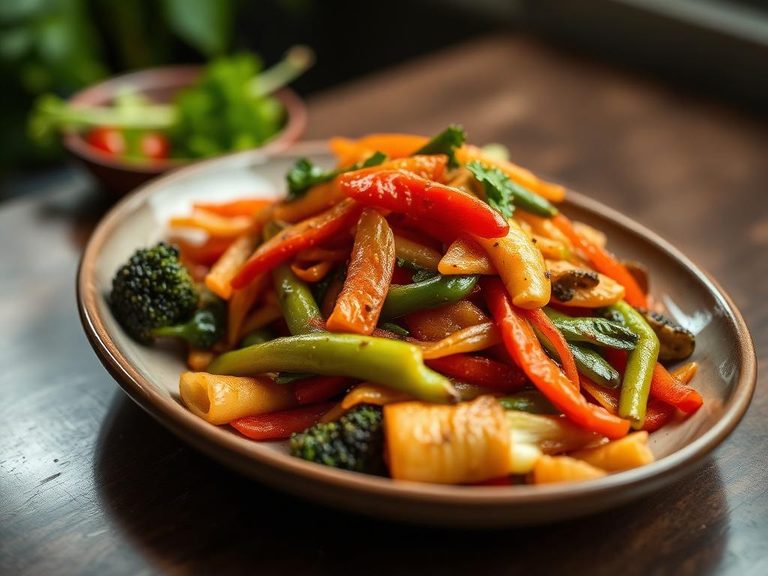
🌍 Where it's eaten
💡 Did you know?
A common brand of this style of sauce, like Heinz Tomato Chili Sauce, was originally marketed in the early 20th century as a 'steak sauce' and was a key ingredient in the first published recipe for 'Cocktail Sauce' for shrimp.
Full nutrition (USDA data · scales with serving)
| Water | 68.0 g |
| Energy | 92.0 kcal |
| Energy | 384 kj |
| Protein | 2.5 g |
| Total lipid (fat) | 0.30 g |
| Ash | 9.5 g |
| Carbohydrate, by difference | 19.8 g |
| Fiber, total dietary | 2.4 g |
| Total Sugars | 13.3 g |
| Calcium, Ca | 20.0 mg |
| Iron, Fe | 0.80 mg |
| Magnesium, Mg | 12.0 mg |
| Phosphorus, P | 52.0 mg |
| Potassium, K | 370 mg |
| Sodium, Na | 1338 mg |
| Zinc, Zn | 0.16 mg |
| Copper, Cu | 0.13 mg |
| Selenium, Se | 1.1 ug |
| Vitamin C, total ascorbic acid | 16.0 mg |
| Thiamin | 0.09 mg |
| Riboflavin | 0.07 mg |
| Niacin | 1.6 mg |
| Vitamin B-6 | 0.16 mg |
| Folate, total | 9.0 ug |
| Folic acid | 0.00 ug |
| Folate, food | 9.0 ug |
| Folate, DFE | 9.0 ug |
| Choline, total | 13.7 mg |
| Vitamin B-12 | 0.00 ug |
| Vitamin B-12, added | 0.00 ug |
| Vitamin A, RAE | 34.0 ug |
| Retinol | 0.00 ug |
| Carotene, beta | 402 ug |
| Carotene, alpha | 13.0 ug |
| Cryptoxanthin, beta | 0.00 ug |
| Vitamin A, IU | 680 iu |
| Lycopene | 12819 ug |
| Lutein + zeaxanthin | 1.0 ug |
| Vitamin E (alpha-tocopherol) | 1.9 mg |
| Vitamin E, added | 0.00 mg |
| Vitamin D (D2 + D3), International Units | 0.00 iu |
| Vitamin D (D2 + D3) | 0.00 ug |
| Vitamin K (phylloquinone) | 5.2 ug |
| Alcohol, ethyl | 0.00 g |
| Caffeine | 0.00 mg |
| Theobromine | 0.00 mg |
Fat & fatty acid profile (per 100g)
| Fatty acids, total saturated | 0.04 g |
| SFA 4:0 | 0.00 g |
| SFA 6:0 | 0.00 g |
| SFA 8:0 | 0.00 g |
| SFA 10:0 | 0.00 g |
| SFA 12:0 | 0.00 g |
| SFA 14:0 | 0.01 g |
| SFA 16:0 | 0.03 g |
| SFA 18:0 | 0.01 g |
| Fatty acids, total monounsaturated | 0.04 g |
| MUFA 16:1 | 0.00 g |
| MUFA 18:1 | 0.04 g |
| MUFA 20:1 | 0.00 g |
| MUFA 22:1 | 0.00 g |
| Fatty acids, total polyunsaturated | 0.15 g |
| PUFA 18:2 | 0.14 g |
| PUFA 18:3 | 0.01 g |
| PUFA 18:4 | 0.00 g |
| PUFA 20:4 | 0.00 g |
| PUFA 20:5 n-3 (EPA) | 0.00 g |
| PUFA 22:5 n-3 (DPA) | 0.00 g |
| PUFA 22:6 n-3 (DHA) | 0.00 g |
| Cholesterol | 0.00 mg |
Amino acid profile (per 100g)
Estimated from Sauce, homemade, white, medium — USDA does not publish this profile for Sauce.
| Tryptophan | 0.04 g |
| Threonine | 0.14 g |
| Isoleucine | 0.19 g |
| Leucine | 0.30 g |
| Lysine | 0.24 g |
| Methionine | 0.08 g |
| Cystine | 0.03 g |
| Phenylalanine | 0.15 g |
| Tyrosine | 0.15 g |
| Valine | 0.20 g |
| Arginine | 0.11 g |
| Histidine | 0.08 g |
| Alanine | 0.10 g |
| Aspartic acid | 0.23 g |
| Glutamic acid | 0.64 g |
| Glycine | 0.07 g |
| Proline | 0.30 g |
| Serine | 0.17 g |
FAQ
Is this the same as Sriracha or ketchup?
No. It's thicker and less vinegary than ketchup, and typically less garlicky and smoother than Sriracha. It occupies a middle ground, often with a more complex, slightly sweeter profile than pure chili sauces.
Can I use it in cooking, not just as a dip?
Absolutely! It's excellent as a base for stir-fry sauces, mixed into meatballs or burger patties, brushed on grilled meats, or simmered into a quick pasta sauce.
How should I store it after opening?
Always refrigerate the bottle after opening to maintain freshness and prevent flavor degradation. It will typically last for several months in the fridge.
Nutrient density (calculated · NRF9.3)
Nutrient Rich Foods index: beneficial nutrients (protein, fiber, vitamins, minerals) minus saturated fat, added sugar & sodium, per 100 kcal.
NRF9.3 index — Fulgoni, Keast & Drewnowski, 2009. Computed from USDA nutrients.
Weight-loss friendliness (composite index)
Energy density 0.92 kcal/g · 11% calories from protein · 2.4 g fiber · 13.3 g sugar per 100 g.
Composite of energy density (Rolls et al., 1999), protein & fiber satiety, minus sugar. A calculated heuristic — ranks satiety-per-calorie, not a clinical measure.
Dietary load (calculated from USDA values)
Potential renal acid load. Positive = acid-forming, negative = alkaline-forming.
Sodium-to-potassium ratio: 3.62 (lower is better — aim for ≤ 1)
Sodium:potassium per WHO potassium guidance. Computed from USDA nutrients.