

Sauce, sweet and sour, prepared-from-recipe
Whole food · Soups, Sauces, and Gravies
This is a vibrant, glossy sauce that masterfully balances sweet and tangy notes, typically with a thin, syrupy consistency. It's a calorie-light condiment, deriving nearly all its energy from carbohydrates, specifically sugars. Its signature flavor profile is a cornerstone of many beloved Asian and Asian-American dishes.
Calorie split: 9% protein · 84% carbs · 7% fat
↓ Full nutrition💚 Why it's loved
People adore it for its addictive sweet-tart punch that elevates simple fried or steamed foods. Its versatility makes it a beloved dipping sauce, glaze, and cooking ingredient across many cuisines.
⚠️ Watch-outs & how to enjoy it better
Its high sugar content can cause rapid blood-sugar spikes, making it a concern for those managing diabetes or insulin resistance. To counteract this, pair it with a source of protein (like chicken or tofu) and fiber (like vegetables) to slow sugar absorption and practice strict portion control. Some recipes can also be high in sodium.
Key benefits
- Low in fat and calories per serving.
- Adds significant flavor without adding fat.
- Provides a quick source of carbohydrate energy.
- Enhances the palatability of lean proteins and vegetables.
🍽️ Popular dishes
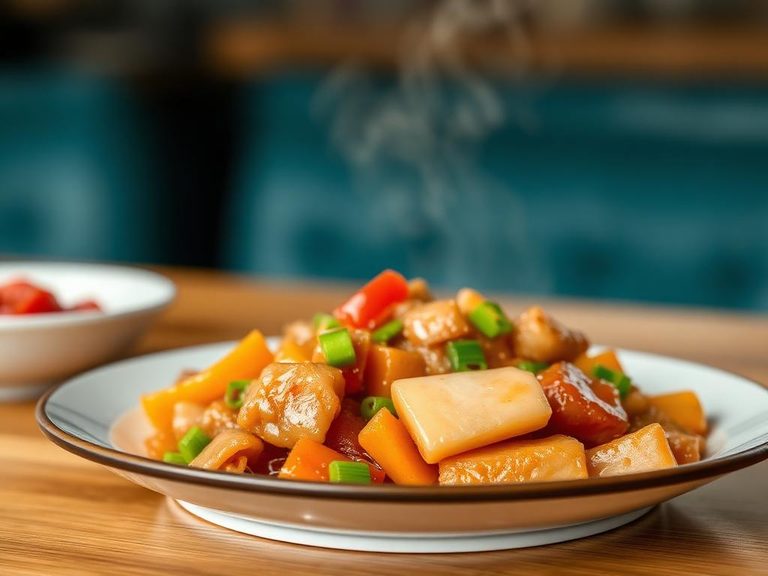
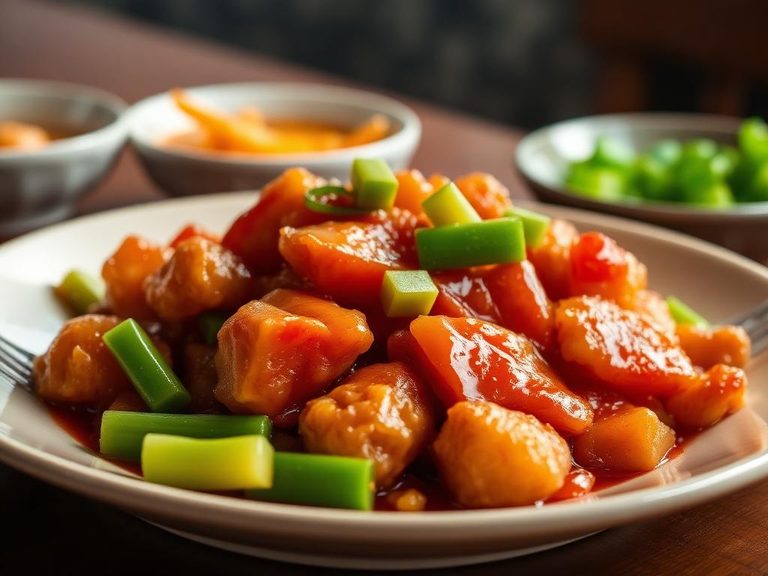
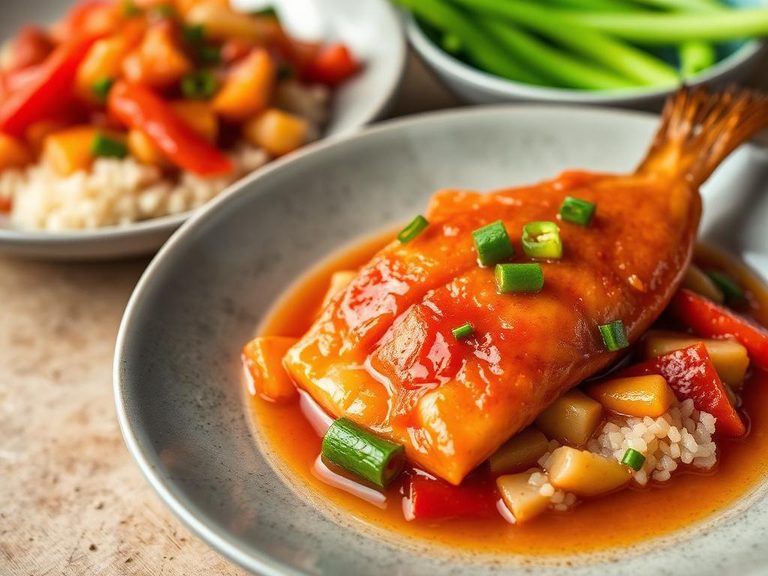
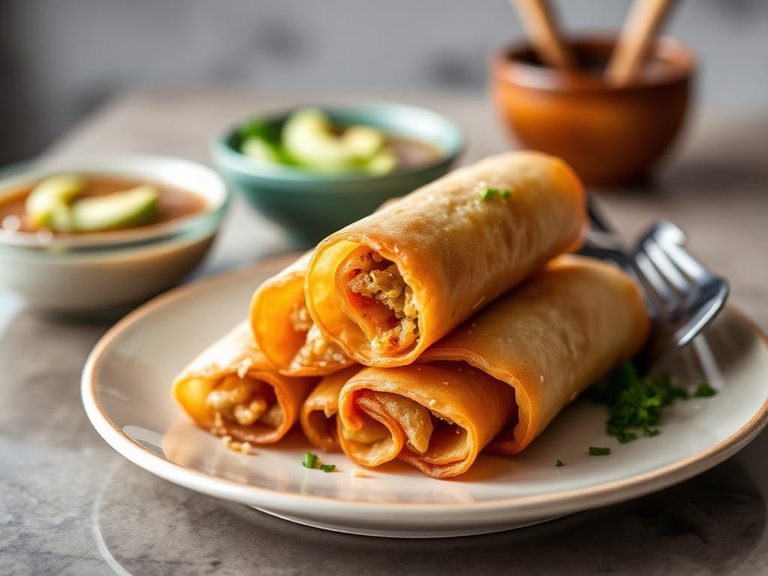
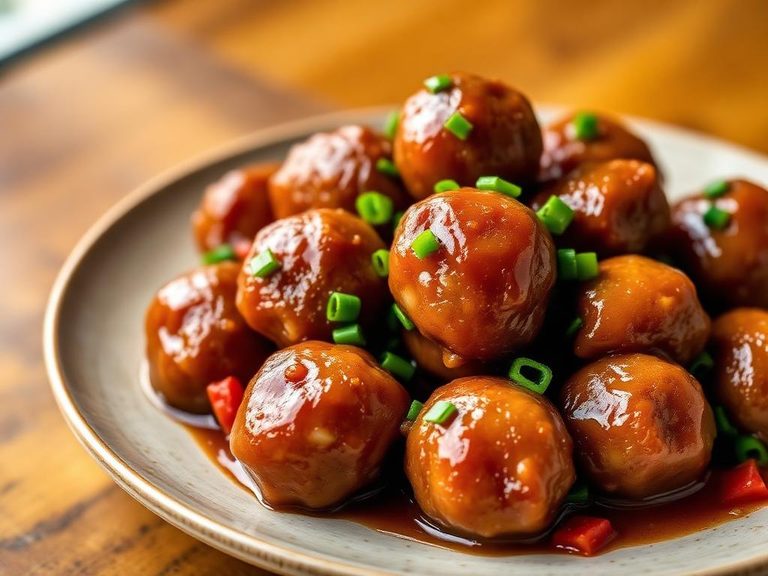
🌍 Where it's eaten
💡 Did you know?
The classic red color in many Westernized versions doesn't come from fruit; it's often added via food coloring like Red 40, as the traditional Cantonese sauce is a more muted amber-brown.
Full nutrition (USDA data · scales with serving)
| Water | 78.6 g |
| Energy | 79.0 kcal |
| Energy | 332 kj |
| Protein | 1.8 g |
| Total lipid (fat) | 0.58 g |
| Ash | 1.9 g |
| Carbohydrate, by difference | 16.7 g |
| Fiber, total dietary | 0.40 g |
| Total Sugars | 10.8 g |
| Calcium, Ca | 16.0 mg |
| Iron, Fe | 0.67 mg |
| Magnesium, Mg | 13.0 mg |
| Phosphorus, P | 30.0 mg |
| Potassium, K | 193 mg |
| Sodium, Na | 347 mg |
| Zinc, Zn | 0.18 mg |
| Copper, Cu | 0.10 mg |
| Manganese, Mn | 0.25 mg |
| Selenium, Se | 1.6 ug |
| Vitamin C, total ascorbic acid | 5.0 mg |
| Thiamin | 0.04 mg |
| Riboflavin | 0.06 mg |
| Niacin | 1.2 mg |
| Pantothenic acid | 0.06 mg |
| Vitamin B-6 | 0.09 mg |
| Folate, total | 10.0 ug |
| Folic acid | 0.00 ug |
| Folate, food | 10.0 ug |
| Folate, DFE | 10.0 ug |
| Vitamin B-12 | 0.00 ug |
| Vitamin B-12, added | 0.00 ug |
| Vitamin A, RAE | 6.0 ug |
| Retinol | 0.00 ug |
| Carotene, beta | 65.0 ug |
| Carotene, alpha | 2.0 ug |
| Cryptoxanthin, beta | 0.00 ug |
| Vitamin A, IU | 110 iu |
| Lycopene | 2032 ug |
| Lutein + zeaxanthin | 1.0 ug |
| Vitamin E (alpha-tocopherol) | 0.32 mg |
| Vitamin E, added | 0.00 mg |
| Vitamin K (phylloquinone) | 1.0 ug |
| Alcohol, ethyl | 0.00 g |
| Caffeine | 0.00 mg |
| Theobromine | 0.00 mg |
Fat & fatty acid profile (per 100g)
| Fatty acids, total saturated | 0.14 g |
| SFA 4:0 | 0.00 g |
| SFA 6:0 | 0.00 g |
| SFA 8:0 | 0.00 g |
| SFA 10:0 | 0.00 g |
| SFA 12:0 | 0.00 g |
| SFA 14:0 | 0.00 g |
| SFA 16:0 | 0.11 g |
| SFA 18:0 | 0.03 g |
| Fatty acids, total monounsaturated | 0.25 g |
| MUFA 16:1 | 0.04 g |
| MUFA 18:1 | 0.21 g |
| MUFA 20:1 | 0.00 g |
| MUFA 22:1 | 0.00 g |
| Fatty acids, total polyunsaturated | 0.12 g |
| PUFA 18:2 | 0.11 g |
| PUFA 18:3 | 0.01 g |
| PUFA 18:4 | 0.00 g |
| PUFA 20:4 | 0.00 g |
| PUFA 20:5 n-3 (EPA) | 0.00 g |
| PUFA 22:5 n-3 (DPA) | 0.00 g |
| PUFA 22:6 n-3 (DHA) | 0.00 g |
| Fatty acids, total trans | 0.00 g |
| Cholesterol | 1.0 mg |
Amino acid profile (per 100g)
Estimated from Sauce, homemade, white, medium — USDA does not publish this profile for Sauce.
| Tryptophan | 0.04 g |
| Threonine | 0.14 g |
| Isoleucine | 0.19 g |
| Leucine | 0.30 g |
| Lysine | 0.24 g |
| Methionine | 0.08 g |
| Cystine | 0.03 g |
| Phenylalanine | 0.15 g |
| Tyrosine | 0.15 g |
| Valine | 0.20 g |
| Arginine | 0.11 g |
| Histidine | 0.08 g |
| Alanine | 0.10 g |
| Aspartic acid | 0.23 g |
| Glutamic acid | 0.64 g |
| Glycine | 0.07 g |
| Proline | 0.30 g |
| Serine | 0.17 g |
FAQ
Is sweet and sour sauce always red?
No. Traditional Chinese versions are often amber or brown, colored by ingredients like vinegar, soy sauce, and sometimes ketchup or tomato paste. Bright red is a common feature of Westernized or fast-food versions.
What makes sweet and sour sauce sour?
The sourness typically comes from vinegar, most commonly white vinegar or rice vinegar. Some recipes may also use pineapple juice or citrus for a fruity tang.
Can I make a healthier version at home?
Yes. You can reduce the sugar significantly, use natural sweeteners like pineapple juice or a small amount of honey, and increase the vinegar or citrus juice for tang. Using low-sodium soy sauce also helps control salt.
Nutrient density (calculated · NRF9.3)
Nutrient Rich Foods index: beneficial nutrients (protein, fiber, vitamins, minerals) minus saturated fat, added sugar & sodium, per 100 kcal.
NRF9.3 index — Fulgoni, Keast & Drewnowski, 2009. Computed from USDA nutrients.
Weight-loss friendliness (composite index)
Energy density 0.79 kcal/g · 9% calories from protein · 0.4 g fiber · 10.8 g sugar per 100 g.
Composite of energy density (Rolls et al., 1999), protein & fiber satiety, minus sugar. A calculated heuristic — ranks satiety-per-calorie, not a clinical measure.
Dietary load (calculated from USDA values)
Potential renal acid load. Positive = acid-forming, negative = alkaline-forming.
Sodium-to-potassium ratio: 1.80 (lower is better — aim for ≤ 1)
Sodium:potassium per WHO potassium guidance. Computed from USDA nutrients.