

Rutabagas, raw
Whole food · Vegetables and Vegetable Products

Photo: Wikipedia
The rutabaga, also known as swede or yellow turnip, is a root vegetable with a distinctive sweet, earthy flavor that's a cross between a cabbage and a turnip. Its dense, creamy flesh turns tender and buttery when cooked, offering a comforting, slightly nutty taste. Nutritionally, it's a low-calorie powerhouse packed with fiber and vitamin C, making it a hearty addition to winter meals.
Calorie split: 11% protein · 86% carbs · 4% fat
↓ Full nutrition💚 Why it's loved
People love rutabagas for their unique sweet-savory flavor that deepens with roasting or mashing, and their ability to add a rustic, comforting element to hearty dishes. They're also cherished in many cultures as a traditional winter staple, symbolizing warmth and nourishment.
⚠️ Watch-outs & how to enjoy it better
Some find the raw rutabaga's strong, slightly bitter taste off-putting, and its dense texture can be tough if not cooked properly. To counteract this, try roasting or boiling it with a bit of butter or cream to mellow the flavor, and pair it with protein like ham or cheese to balance the sweetness and prevent blood sugar spikes.
Key benefits
- Rich in immune-boosting vitamin C
- High in dietary fiber for digestive health
- Low in calories and fat, aiding weight management
- Good source of potassium for heart health
- Contains antioxidants like beta-carotene
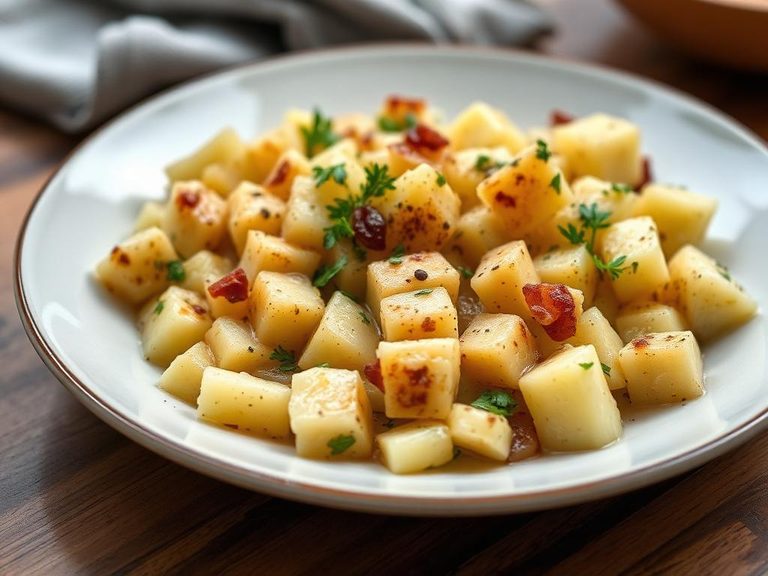
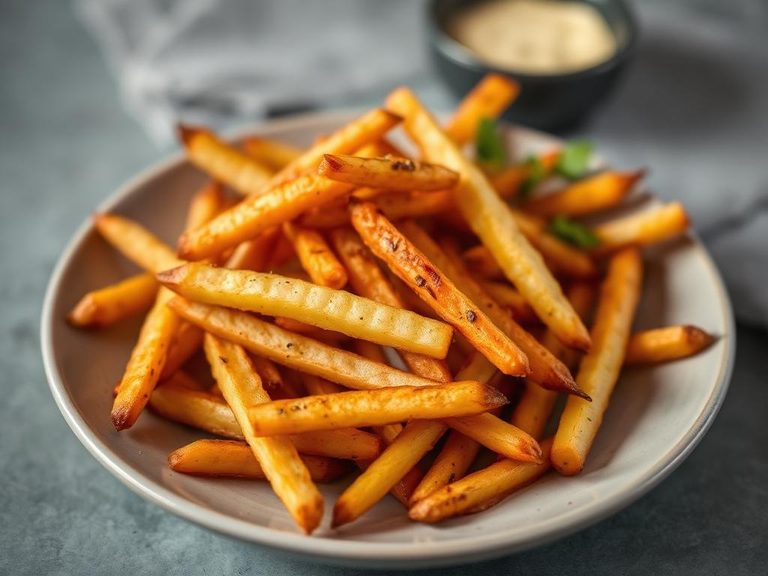
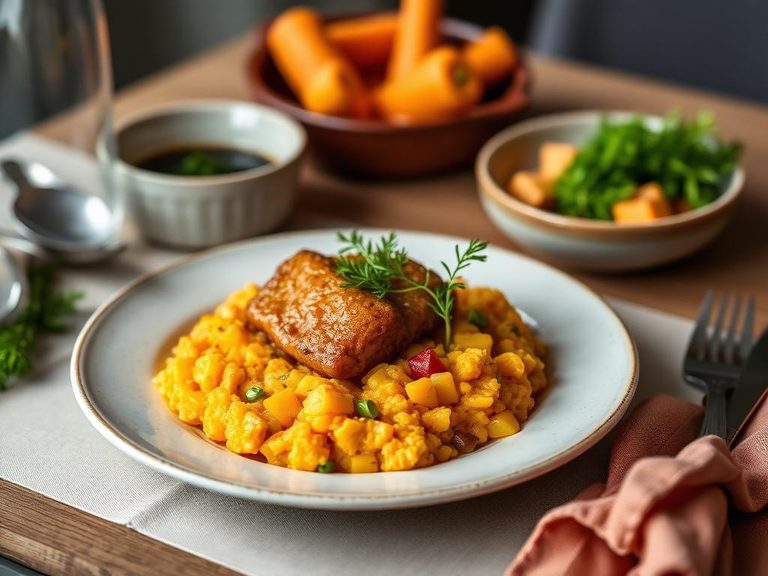
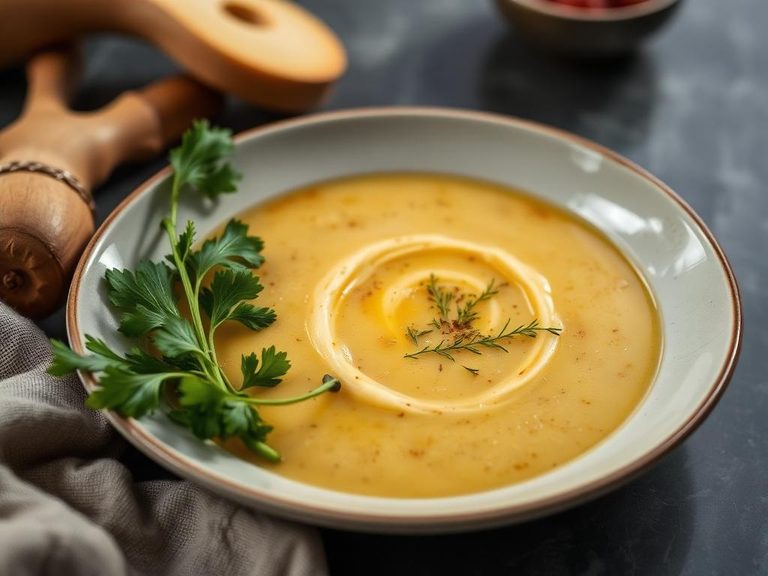
🍽️ Popular dishes
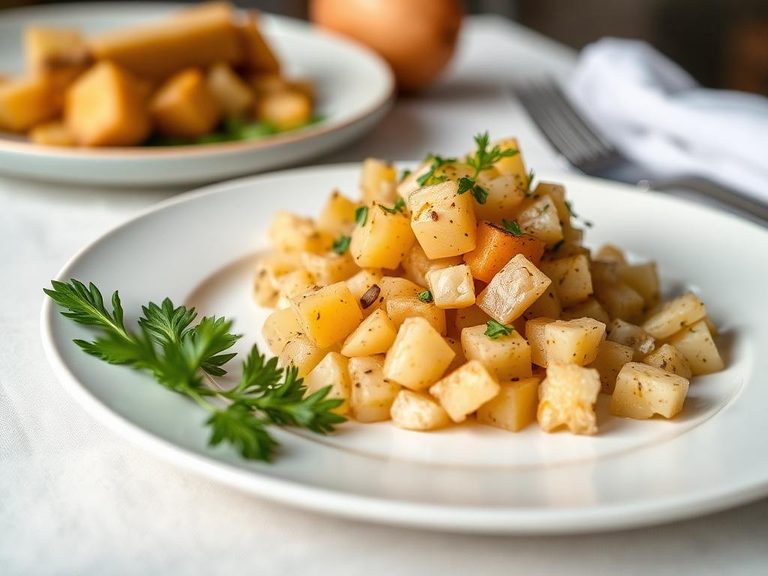
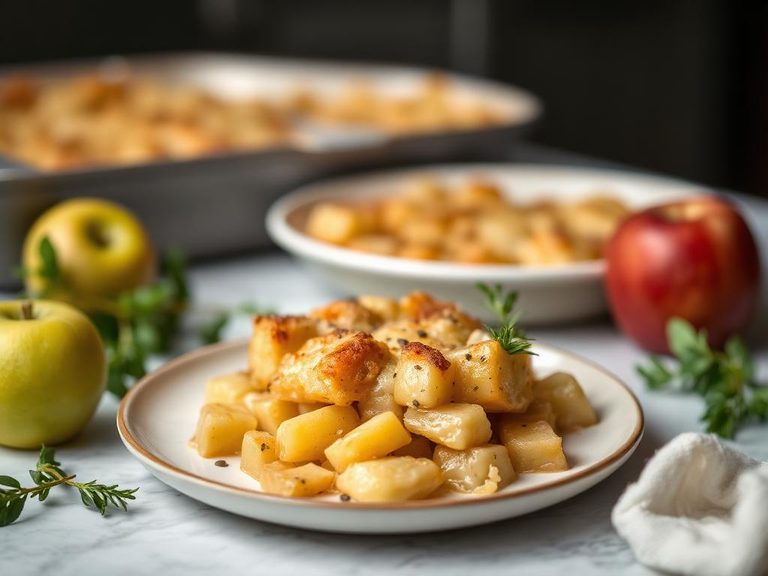
🌍 Where it's eaten
💡 Did you know?
Rutabagas were first cultivated in Sweden in the 17th century and were originally called 'Swedish turnips' before the name was shortened to 'swede' in the UK.
Full nutrition (USDA data · scales with serving)
| Water | 89.4 g |
| Energy | 37.0 kcal |
| Energy | 157 kj |
| Protein | 1.1 g |
| Total lipid (fat) | 0.16 g |
| Ash | 0.71 g |
| Carbohydrate, by difference | 8.6 g |
| Fiber, total dietary | 2.3 g |
| Total Sugars | 4.5 g |
| Sucrose | 0.53 g |
| Glucose | 2.3 g |
| Fructose | 1.6 g |
| Lactose | 0.00 g |
| Maltose | 0.02 g |
| Galactose | 0.00 g |
| Starch | 0.40 g |
| Calcium, Ca | 43.0 mg |
| Iron, Fe | 0.44 mg |
| Magnesium, Mg | 20.0 mg |
| Phosphorus, P | 53.0 mg |
| Potassium, K | 305 mg |
| Sodium, Na | 12.0 mg |
| Zinc, Zn | 0.24 mg |
| Copper, Cu | 0.03 mg |
| Manganese, Mn | 0.13 mg |
| Selenium, Se | 0.70 ug |
| Vitamin C, total ascorbic acid | 25.0 mg |
| Thiamin | 0.09 mg |
| Riboflavin | 0.04 mg |
| Niacin | 0.70 mg |
| Pantothenic acid | 0.16 mg |
| Vitamin B-6 | 0.10 mg |
| Folate, total | 21.0 ug |
| Folic acid | 0.00 ug |
| Folate, food | 21.0 ug |
| Folate, DFE | 21.0 ug |
| Choline, total | 14.1 mg |
| Vitamin B-12 | 0.00 ug |
| Vitamin B-12, added | 0.00 ug |
| Vitamin A, RAE | 0.00 ug |
| Retinol | 0.00 ug |
| Carotene, beta | 1.0 ug |
| Carotene, alpha | 0.00 ug |
| Cryptoxanthin, beta | 1.0 ug |
| Vitamin A, IU | 2.0 iu |
| Lycopene | 14.0 ug |
| Lutein + zeaxanthin | 19.0 ug |
| Vitamin E (alpha-tocopherol) | 0.30 mg |
| Vitamin E, added | 0.00 mg |
| Vitamin D (D2 + D3), International Units | 0.00 iu |
| Vitamin D (D2 + D3) | 0.00 ug |
| Vitamin K (phylloquinone) | 0.30 ug |
| Alcohol, ethyl | 0.00 g |
| Caffeine | 0.00 mg |
| Theobromine | 0.00 mg |
Fat & fatty acid profile (per 100g)
| Fatty acids, total saturated | 0.03 g |
| SFA 4:0 | 0.00 g |
| SFA 6:0 | 0.00 g |
| SFA 8:0 | 0.00 g |
| SFA 10:0 | 0.00 g |
| SFA 12:0 | 0.00 g |
| SFA 14:0 | 0.00 g |
| SFA 16:0 | 0.02 g |
| SFA 18:0 | 0.00 g |
| Fatty acids, total monounsaturated | 0.03 g |
| MUFA 16:1 | 0.00 g |
| MUFA 18:1 | 0.03 g |
| MUFA 20:1 | 0.00 g |
| MUFA 22:1 | 0.00 g |
| Fatty acids, total polyunsaturated | 0.09 g |
| PUFA 18:2 | 0.04 g |
| PUFA 18:3 | 0.05 g |
| PUFA 18:4 | 0.00 g |
| PUFA 20:4 | 0.00 g |
| PUFA 20:5 n-3 (EPA) | 0.00 g |
| PUFA 22:5 n-3 (DPA) | 0.00 g |
| PUFA 22:6 n-3 (DHA) | 0.00 g |
| Fatty acids, total trans | 0.00 g |
| Cholesterol | 0.00 mg |
FAQ
What's the difference between a rutabaga and a turnip?
Rutabagas are larger, have a yellow-orange flesh, and a sweeter, milder flavor compared to the white-fleshed, sharper-tasting turnip.
Can I eat rutabaga raw?
Yes, it can be grated into salads or slaws, but it's often more palatable when cooked to soften its texture and enhance its natural sweetness.
How do I store rutabagas?
Keep them in a cool, dark place like a cellar or refrigerator for up to a month, and avoid storing them near apples or other ethylene-producing fruits.
Are rutabagas good for people with diabetes?
Yes, their low glycemic index and high fiber content can help manage blood sugar levels, but portion control is still recommended.
Nutrient density (calculated · NRF9.3)
Nutrient Rich Foods index: beneficial nutrients (protein, fiber, vitamins, minerals) minus saturated fat, added sugar & sodium, per 100 kcal.
NRF9.3 index — Fulgoni, Keast & Drewnowski, 2009. Computed from USDA nutrients.
Weight-loss friendliness (composite index)
Energy density 0.37 kcal/g · 12% calories from protein · 2.3 g fiber · 4.5 g sugar per 100 g.
Composite of energy density (Rolls et al., 1999), protein & fiber satiety, minus sugar. A calculated heuristic — ranks satiety-per-calorie, not a clinical measure.
Dietary load (calculated from USDA values)
Potential renal acid load. Positive = acid-forming, negative = alkaline-forming.
Sodium-to-potassium ratio: 0.04 (lower is better — aim for ≤ 1)
Sodium:potassium per WHO potassium guidance. Computed from USDA nutrients.