

Rutabagas, cooked, boiled, drained, with salt
Whole food · Vegetables and Vegetable Products

Photo: Wikipedia
The humble rutabaga, a cross between a cabbage and a turnip, transforms into a sweet, earthy, and slightly peppery delight when boiled until tender. Its texture becomes creamy yet firm, perfect for mashing or roasting, while its golden flesh offers a comforting, low-calorie base for hearty meals. With just 30 kcal per 100g and a notable fiber content, it's a nutrient-dense root vegetable that adds substance without heaviness.
Calorie split: 11% protein · 84% carbs · 5% fat
↓ Full nutrition💚 Why it's loved
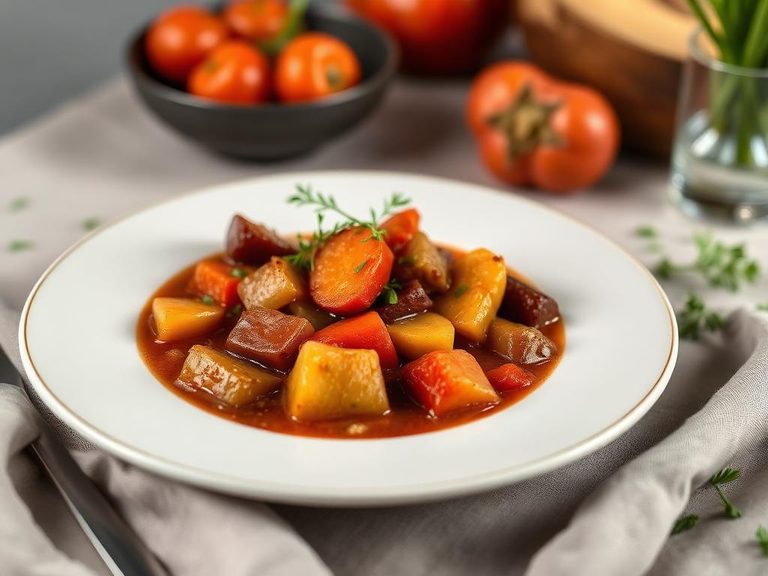
People adore rutabagas for their unique sweet-savory flavor that deepens with cooking, making them a versatile canvas for spices and herbs. They're cherished in comfort food traditions, from creamy mashes to hearty stews, evoking a sense of rustic, home-cooked warmth.
⚠️ Watch-outs & how to enjoy it better
Some find the natural bitterness or sulfurous notes off-putting, especially if overcooked, and the added salt in preparation can be a concern for those monitoring sodium intake. To counteract bitterness, pair with sweet elements like carrots or apples, and opt for low-sodium cooking methods; for sodium, rinse boiled pieces or use fresh rutabaga without added salt.
Key benefits
- Rich in fiber for digestive health
- Low in calories and fat for weight management
- Provides vitamin C for immune support
- Contains potassium for heart function
- Offers antioxidants like glucosinolates
🍽️ Popular dishes
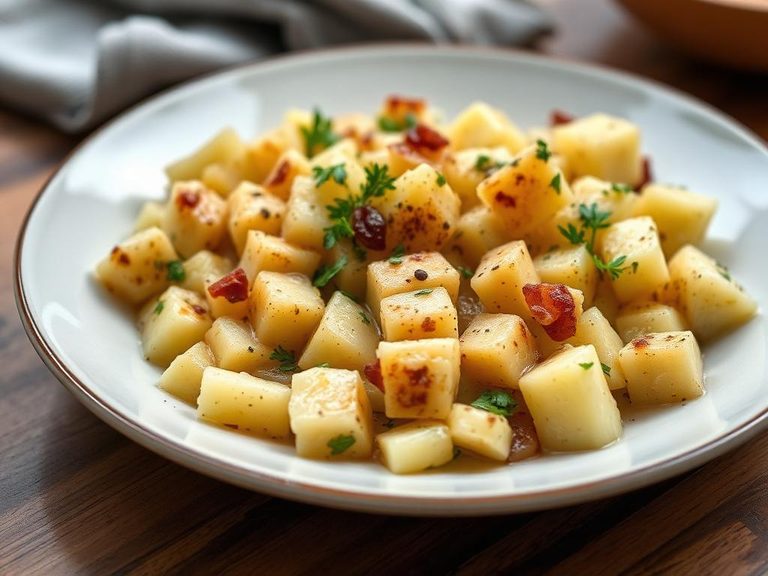
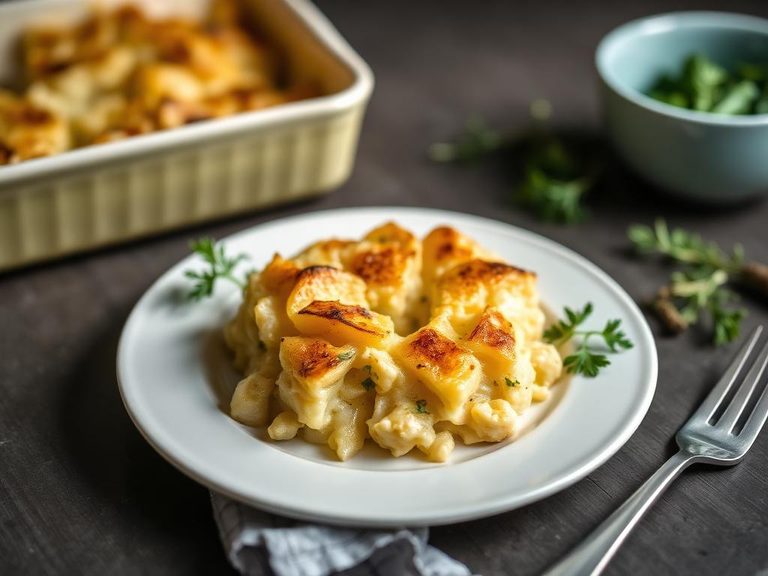
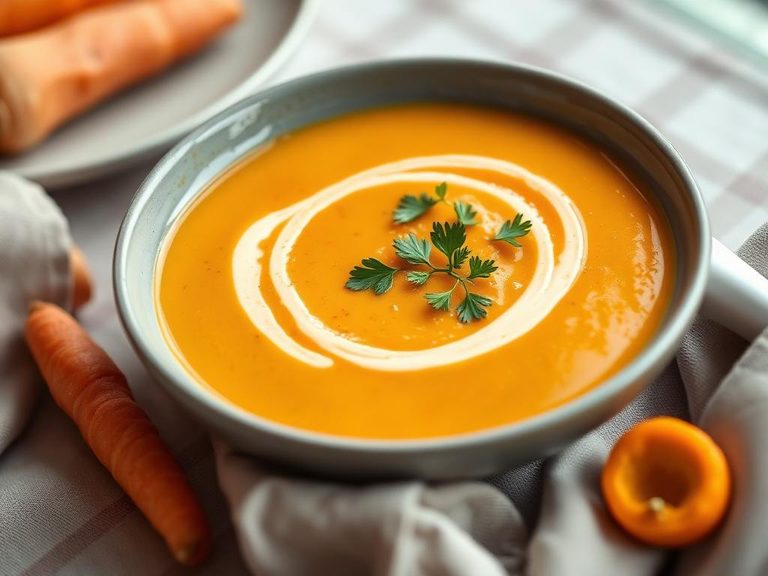
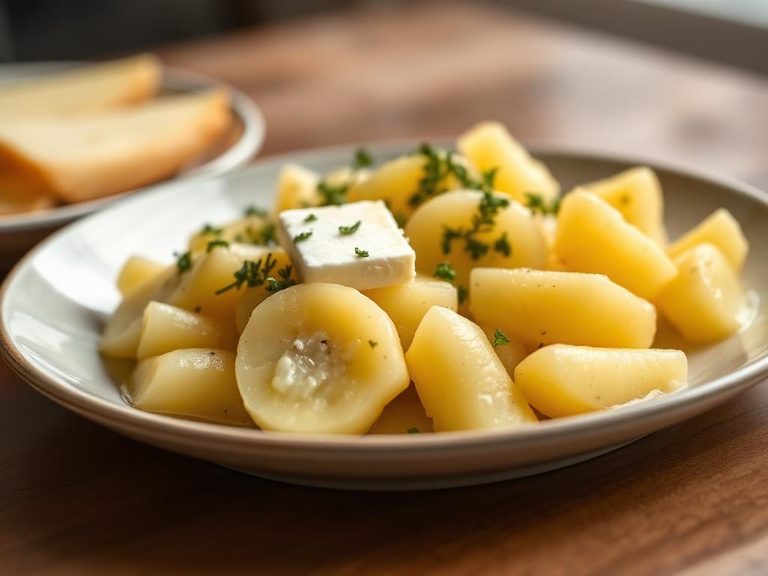
🌍 Where it's eaten
💡 Did you know?
Rutabagas were first documented in 1620 by a Swiss botanist, who called them 'Swedish turnips,' and they became a crucial famine food during World Wars due to their long storage life and high yield.
Full nutrition (USDA data · scales with serving)
| Water | 91.5 g |
| Energy | 30.0 kcal |
| Energy | 127 kj |
| Protein | 0.93 g |
| Total lipid (fat) | 0.18 g |
| Ash | 0.51 g |
| Carbohydrate, by difference | 6.8 g |
| Fiber, total dietary | 1.8 g |
| Total Sugars | 4.0 g |
| Sucrose | 0.35 g |
| Glucose | 2.1 g |
| Fructose | 1.5 g |
| Lactose | 0.00 g |
| Maltose | 0.00 g |
| Galactose | 0.00 g |
| Starch | 0.31 g |
| Calcium, Ca | 18.0 mg |
| Iron, Fe | 0.18 mg |
| Magnesium, Mg | 10.0 mg |
| Phosphorus, P | 41.0 mg |
| Potassium, K | 216 mg |
| Sodium, Na | 254 mg |
| Zinc, Zn | 0.12 mg |
| Copper, Cu | 0.03 mg |
| Manganese, Mn | 0.10 mg |
| Selenium, Se | 0.70 ug |
| Vitamin C, total ascorbic acid | 18.8 mg |
| Thiamin | 0.08 mg |
| Riboflavin | 0.04 mg |
| Niacin | 0.71 mg |
| Pantothenic acid | 0.15 mg |
| Vitamin B-6 | 0.10 mg |
| Folate, total | 15.0 ug |
| Folic acid | 0.00 ug |
| Folate, food | 15.0 ug |
| Folate, DFE | 15.0 ug |
| Choline, total | 15.2 mg |
| Vitamin B-12 | 0.00 ug |
| Vitamin B-12, added | 0.00 ug |
| Vitamin A, RAE | 0.00 ug |
| Retinol | 0.00 ug |
| Carotene, beta | 1.0 ug |
| Carotene, alpha | 0.00 ug |
| Cryptoxanthin, beta | 0.00 ug |
| Vitamin A, IU | 2.0 iu |
| Lycopene | 10.0 ug |
| Lutein + zeaxanthin | 13.0 ug |
| Vitamin E (alpha-tocopherol) | 0.24 mg |
| Vitamin E, added | 0.00 mg |
| Vitamin D (D2 + D3), International Units | 0.00 iu |
| Vitamin D (D2 + D3) | 0.00 ug |
| Vitamin K (phylloquinone) | 0.20 ug |
| Alcohol, ethyl | 0.00 g |
| Caffeine | 0.00 mg |
| Theobromine | 0.00 mg |
Fat & fatty acid profile (per 100g)
| Fatty acids, total saturated | 0.03 g |
| SFA 4:0 | 0.00 g |
| SFA 6:0 | 0.00 g |
| SFA 8:0 | 0.00 g |
| SFA 10:0 | 0.00 g |
| SFA 12:0 | 0.00 g |
| SFA 14:0 | 0.00 g |
| SFA 16:0 | 0.03 g |
| SFA 18:0 | 0.00 g |
| Fatty acids, total monounsaturated | 0.03 g |
| MUFA 16:1 | 0.00 g |
| MUFA 18:1 | 0.03 g |
| MUFA 20:1 | 0.00 g |
| MUFA 22:1 | 0.00 g |
| Fatty acids, total polyunsaturated | 0.10 g |
| PUFA 18:2 | 0.04 g |
| PUFA 18:3 | 0.06 g |
| PUFA 18:4 | 0.00 g |
| PUFA 20:4 | 0.00 g |
| PUFA 20:5 n-3 (EPA) | 0.00 g |
| PUFA 22:5 n-3 (DPA) | 0.00 g |
| PUFA 22:6 n-3 (DHA) | 0.00 g |
| Fatty acids, total trans | 0.00 g |
| Cholesterol | 0.00 mg |
FAQ
How does boiling affect rutabaga's nutrition?
Boiling can leach some water-soluble vitamins like vitamin C, but it preserves fiber and minerals. To retain nutrients, use minimal water and avoid overcooking; the cooking liquid can be used in soups to reclaim lost nutrients.
Is boiled rutabaga good for low-carb diets?
With 6.84g carbs per 100g, it's moderate; it's lower in carbs than potatoes but higher than leafy greens. Portion control and pairing with protein or fats can help balance blood sugar response.
Can I freeze boiled rutabaga?
Yes, boiled and drained rutabaga freezes well for up to 10-12 months. Cool it quickly, store in airtight containers, and thaw in the refrigerator for best texture in future dishes.
Nutrient density (calculated · NRF9.3)
Nutrient Rich Foods index: beneficial nutrients (protein, fiber, vitamins, minerals) minus saturated fat, added sugar & sodium, per 100 kcal.
NRF9.3 index — Fulgoni, Keast & Drewnowski, 2009. Computed from USDA nutrients.
Weight-loss friendliness (composite index)
Energy density 0.30 kcal/g · 12% calories from protein · 1.8 g fiber · 4.0 g sugar per 100 g.
Composite of energy density (Rolls et al., 1999), protein & fiber satiety, minus sugar. A calculated heuristic — ranks satiety-per-calorie, not a clinical measure.
Dietary load (calculated from USDA values)
Potential renal acid load. Positive = acid-forming, negative = alkaline-forming.
Sodium-to-potassium ratio: 1.18 (lower is better — aim for ≤ 1)
Sodium:potassium per WHO potassium guidance. Computed from USDA nutrients.