

Roll, white, hamburger bun
Common food
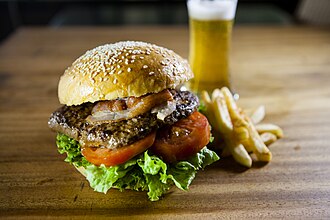
Photo: Wikipedia
The classic white hamburger bun is a soft, pillowy, and lightly sweet bread roll, engineered for a tender bite and a subtle chew. Its primary nutritional feature is its high carbohydrate content, providing a quick source of energy, with a modest amount of protein and very low fat. The smooth, golden-brown top and pale interior make it the iconic, neutral canvas for countless savory fillings.
Calorie split: 14% protein · 74% carbs · 12% fat
↓ Full nutrition💚 Why it's loved
People love it for its comforting, mild sweetness and soft texture that perfectly complements without overpowering a filling. Its ultimate versatility and cultural role as the foundation of the hamburger make it a beloved staple for casual meals and cookouts.
⚠️ Watch-outs & how to enjoy it better
Its high glycemic index can cause rapid blood-sugar spikes, and it's a common source of refined carbs with minimal fiber. Those monitoring blood sugar or seeking whole grains should be cautious; to counteract this, pair it with protein (like a turkey burger) and fiber-rich toppings (like lettuce, tomato, and avocado) to slow digestion. Always check labels for sodium and potential allergens like wheat, soy, or dairy.
Key benefits
- Provides quick energy from its high carbohydrate content.
- Low in fat, making it a lean carbohydrate source.
- Contains some protein to support basic dietary needs.
- Its soft texture is easy to chew and digest for most people.
- Acts as a convenient and edible vessel for other foods.
🍽️ Popular dishes
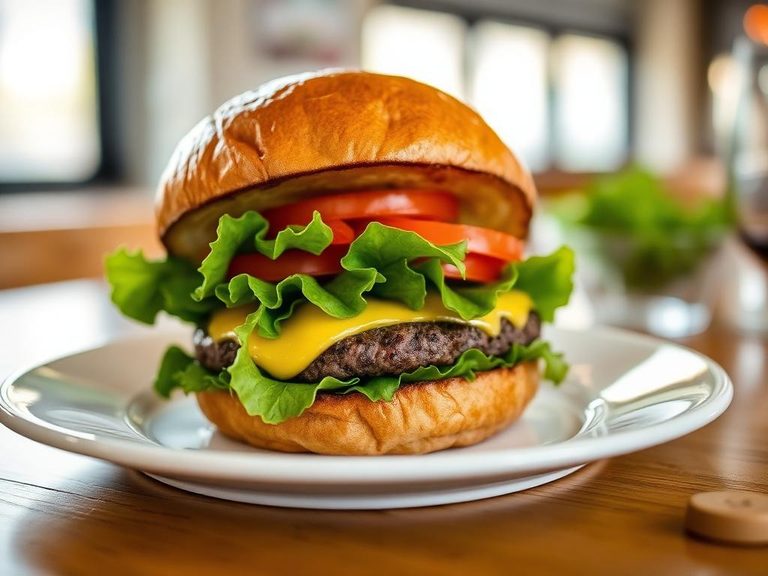
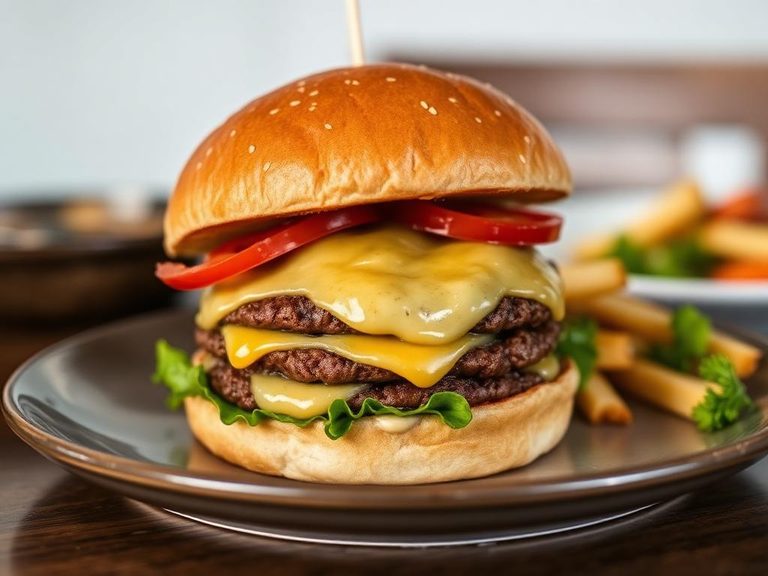
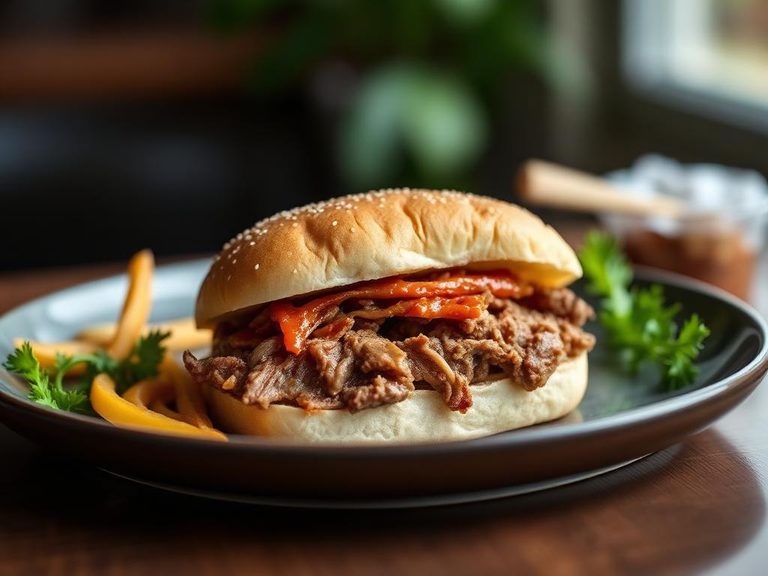
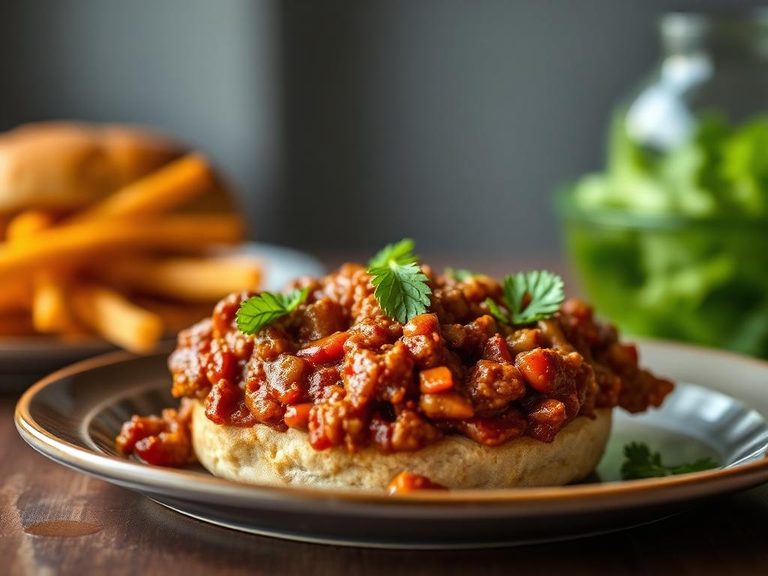
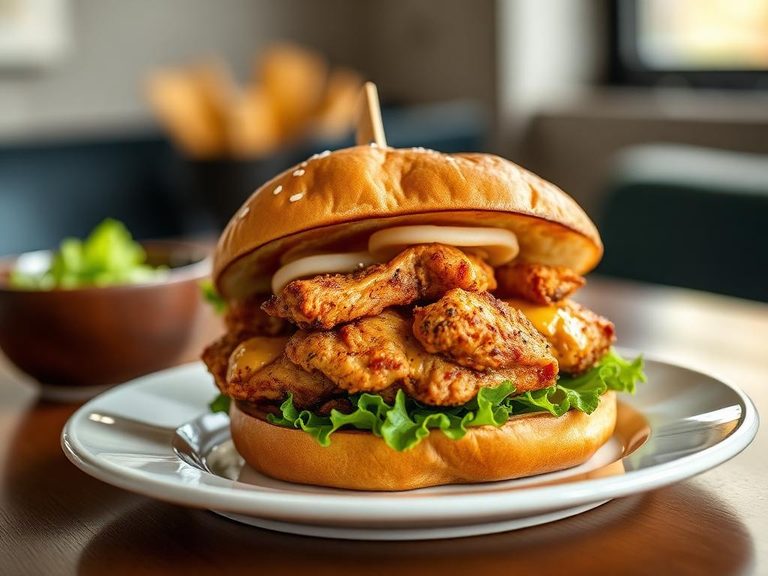
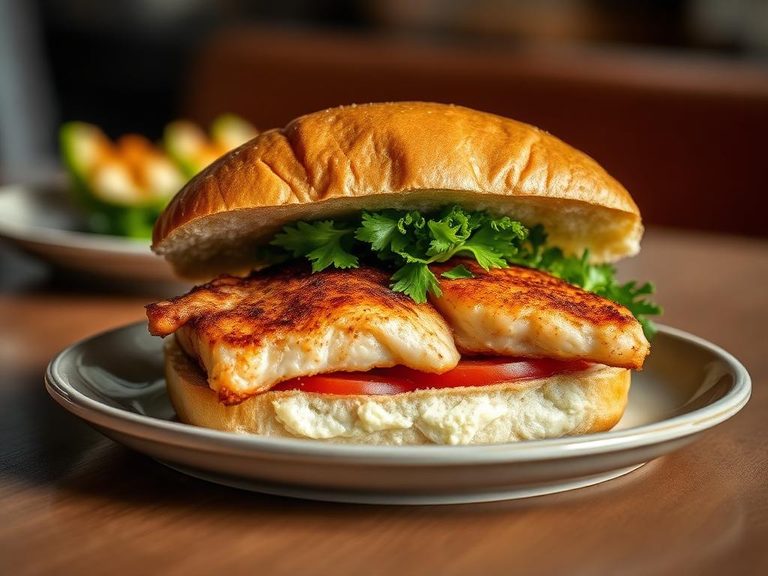
🌍 Where it's eaten
💡 Did you know?
The hamburger bun as we know it was popularized in the United States in the late 19th or early 20th century, with competing claims from vendors in Texas, Wisconsin, and New York, all seeking to make the ground beef sandwich easier to eat by hand.
Full nutrition (USDA data · scales with serving)
| Water | 35.7 g |
| Energy | 267 kcal |
| Protein | 9.4 g |
| Total lipid (fat) | 3.6 g |
| Carbohydrate, by difference | 49.2 g |
| Fiber, total dietary | 2.3 g |
| Total Sugars | 5.3 g |
| Calcium, Ca | 211 mg |
| Iron, Fe | 3.4 mg |
| Magnesium, Mg | 27.0 mg |
| Phosphorus, P | 113 mg |
| Potassium, K | 117 mg |
| Sodium, Na | 450 mg |
| Zinc, Zn | 0.88 mg |
| Copper, Cu | 0.12 mg |
| Selenium, Se | 23.2 ug |
| Vitamin C, total ascorbic acid | 0.00 mg |
| Thiamin | 0.51 mg |
| Riboflavin | 0.24 mg |
| Niacin | 4.8 mg |
| Vitamin B-6 | 0.09 mg |
| Folate, total | 111 ug |
| Folic acid | 86.0 ug |
| Folate, food | 25.0 ug |
| Folate, DFE | 171 ug |
| Choline, total | 14.6 mg |
| Vitamin B-12 | 0.00 ug |
| Vitamin B-12, added | 0.00 ug |
| Vitamin A, RAE | 0.00 ug |
| Retinol | 0.00 ug |
| Carotene, beta | 0.00 ug |
| Carotene, alpha | 0.00 ug |
| Cryptoxanthin, beta | 0.00 ug |
| Lycopene | 0.00 ug |
| Lutein + zeaxanthin | 44.0 ug |
| Vitamin E (alpha-tocopherol) | 0.22 mg |
| Vitamin E, added | 0.00 mg |
| Vitamin D (D2 + D3) | 0.00 ug |
| Vitamin K (phylloquinone) | 0.20 ug |
| Alcohol, ethyl | 0.00 g |
| Caffeine | 0.00 mg |
| Theobromine | 0.00 mg |
Fat & fatty acid profile (per 100g)
| Fatty acids, total saturated | 0.82 g |
| SFA 4:0 | 0.00 g |
| SFA 6:0 | 0.00 g |
| SFA 8:0 | 0.01 g |
| SFA 10:0 | 0.01 g |
| SFA 12:0 | 0.01 g |
| SFA 14:0 | 0.01 g |
| SFA 16:0 | 0.49 g |
| SFA 18:0 | 0.25 g |
| Fatty acids, total monounsaturated | 0.72 g |
| MUFA 16:1 | 0.02 g |
| MUFA 18:1 | 0.71 g |
| MUFA 20:1 | 0.01 g |
| MUFA 22:1 | 0.00 g |
| Fatty acids, total polyunsaturated | 1.9 g |
| PUFA 18:2 | 1.7 g |
| PUFA 18:3 | 0.20 g |
| PUFA 18:4 | 0.00 g |
| PUFA 20:4 | 0.00 g |
| PUFA 20:5 n-3 (EPA) | 0.00 g |
| PUFA 22:5 n-3 (DPA) | 0.00 g |
| PUFA 22:6 n-3 (DHA) | 0.00 g |
| Cholesterol | 0.00 mg |
Amino acid profile (per 100g)
Estimated from Candies, TOOTSIE ROLL, chocolate-flavor roll — USDA does not publish this profile for Roll.
| Tryptophan | 0.19 g |
| Threonine | 0.04 g |
| Isoleucine | 0.06 g |
| Leucine | 0.11 g |
| Lysine | 0.09 g |
| Methionine | 0.01 g |
| Cystine | 0.00 g |
| Phenylalanine | 0.05 g |
| Tyrosine | 0.02 g |
| Valine | 0.08 g |
| Arginine | 0.06 g |
| Histidine | 0.03 g |
| Alanine | 0.06 g |
| Aspartic acid | 0.20 g |
| Glutamic acid | 0.28 g |
| Glycine | 0.05 g |
| Proline | 0.03 g |
| Serine | 0.08 g |
| Hydroxyproline | 0.00 g |
FAQ
Is a white hamburger bun the same as a dinner roll?
No. While both are soft, white yeast breads, a hamburger bun is typically larger, flatter, and has a denser crumb to hold up to juicy fillings, whereas a dinner roll is smaller, often rounder, and has a lighter, fluffier texture for serving alongside a meal.
Why does the top of the bun have a shiny, golden crust?
The shine is usually from an egg wash (beaten egg brushed on before baking) or a milk/sugar wash, which promotes browning and creates a slightly glossy finish through the Maillard reaction and caramelization.
How can I keep hamburger buns from getting soggy from burger juices?
Toast the cut sides lightly in a pan or on a grill before assembling. You can also place a leaf of lettuce or a slice of cheese on the bottom bun to act as a moisture barrier.
Nutrient density (calculated · NRF9.3)
Nutrient Rich Foods index: beneficial nutrients (protein, fiber, vitamins, minerals) minus saturated fat, added sugar & sodium, per 100 kcal.
NRF9.3 index — Fulgoni, Keast & Drewnowski, 2009. Computed from USDA nutrients.
Weight-loss friendliness (composite index)
Energy density 2.67 kcal/g · 14% calories from protein · 2.3 g fiber · 5.3 g sugar per 100 g.
Composite of energy density (Rolls et al., 1999), protein & fiber satiety, minus sugar. A calculated heuristic — ranks satiety-per-calorie, not a clinical measure.
Dietary load (calculated from USDA values)
Potential renal acid load. Positive = acid-forming, negative = alkaline-forming.
Sodium-to-potassium ratio: 3.85 (lower is better — aim for ≤ 1)
Sodium:potassium per WHO potassium guidance. Computed from USDA nutrients.