

Roll, multigrain, hot dog bun
Common food

Photo: Wikipedia
A soft, slightly chewy bun crafted from a blend of whole grains like wheat, oats, and rye, offering a nutty, earthy flavor and a denser texture than white bread. Its nutritional profile is highlighted by a solid 9.6g of protein and 3.8g of fiber per 100g, providing more sustained energy than a standard hot dog bun.
Calorie split: 14% protein · 66% carbs · 20% fat
↓ Full nutrition💚 Why it's loved
People love it for its hearty, wholesome taste and satisfying texture that elevates a simple hot dog or sausage into a more substantial meal. Its versatility also shines in breakfast sandwiches or as a base for mini sliders.
⚠️ Watch-outs & how to enjoy it better
The denser texture and higher fiber content can be less appealing to those accustomed to soft, white buns. For individuals monitoring blood sugar, the carbohydrate content (44.6g per 100g) is significant; pairing it with protein (like a sausage or beans) and healthy fats (avocado, mustard) can help moderate glycemic response.
Key benefits
- Good source of plant-based protein
- Higher fiber content supports digestion
- Whole grains provide B vitamins and minerals
- More complex carbohydrates for steady energy
- Adds a nutty flavor dimension to meals
🍽️ Popular dishes

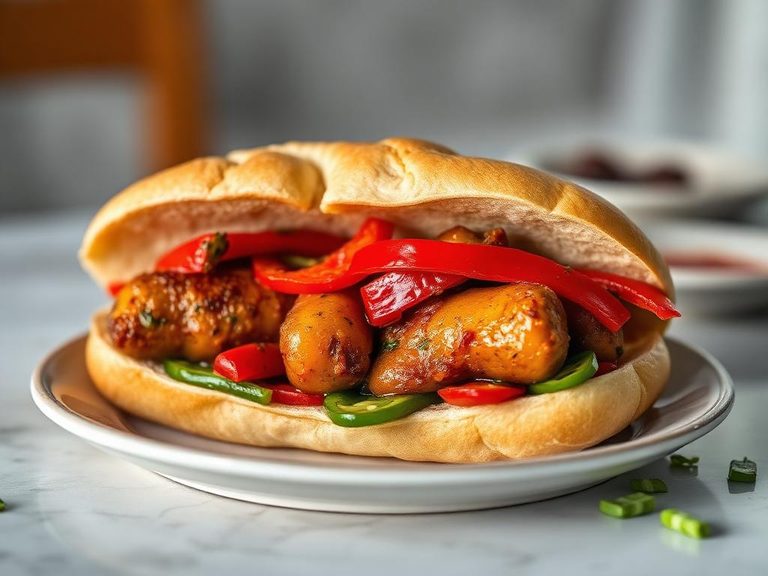

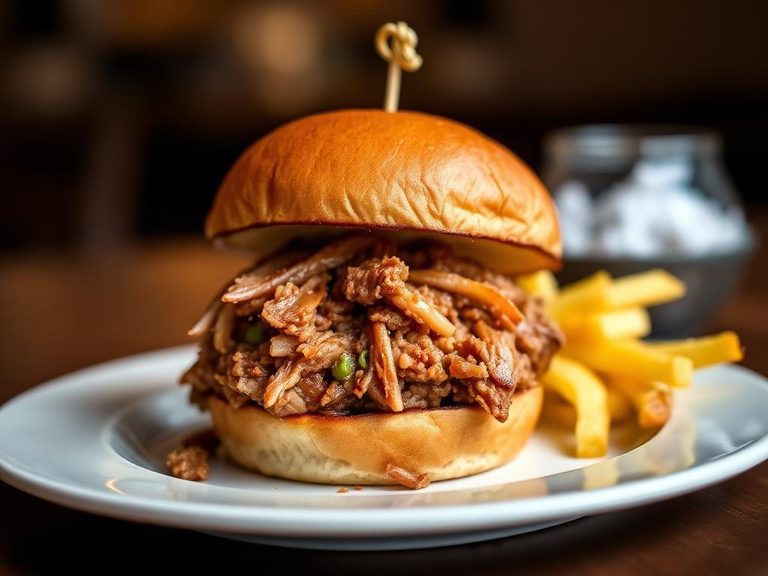


🌍 Where it's eaten
💡 Did you know?
The modern hot dog bun is believed to have been popularized in the U.S. around the 1870s, with a St. Louis baker credited for first selling sausages in a split, steamed bun at the World's Fair.
Full nutrition (USDA data · scales with serving)
| Water | 38.0 g |
| Energy | 263 kcal |
| Protein | 9.6 g |
| Total lipid (fat) | 6.0 g |
| Carbohydrate, by difference | 44.6 g |
| Fiber, total dietary | 3.8 g |
| Total Sugars | 6.3 g |
| Calcium, Ca | 95.0 mg |
| Iron, Fe | 4.0 mg |
| Magnesium, Mg | 44.0 mg |
| Phosphorus, P | 122 mg |
| Potassium, K | 160 mg |
| Sodium, Na | 458 mg |
| Zinc, Zn | 1.1 mg |
| Copper, Cu | 0.22 mg |
| Selenium, Se | 31.8 ug |
| Vitamin C, total ascorbic acid | 0.00 mg |
| Thiamin | 0.46 mg |
| Riboflavin | 0.31 mg |
| Niacin | 4.5 mg |
| Vitamin B-6 | 0.09 mg |
| Folate, total | 111 ug |
| Folic acid | 86.0 ug |
| Folate, food | 25.0 ug |
| Folate, DFE | 171 ug |
| Choline, total | 26.5 mg |
| Vitamin B-12 | 0.01 ug |
| Vitamin B-12, added | 0.00 ug |
| Vitamin A, RAE | 0.00 ug |
| Retinol | 0.00 ug |
| Carotene, beta | 0.00 ug |
| Carotene, alpha | 0.00 ug |
| Cryptoxanthin, beta | 0.00 ug |
| Lycopene | 0.00 ug |
| Lutein + zeaxanthin | 45.0 ug |
| Vitamin E (alpha-tocopherol) | 0.07 mg |
| Vitamin E, added | 0.00 mg |
| Vitamin D (D2 + D3) | 0.00 ug |
| Vitamin K (phylloquinone) | 3.1 ug |
| Alcohol, ethyl | 0.00 g |
| Caffeine | 0.00 mg |
| Theobromine | 0.00 mg |
Fat & fatty acid profile (per 100g)
| Fatty acids, total saturated | 1.4 g |
| SFA 4:0 | 0.00 g |
| SFA 6:0 | 0.00 g |
| SFA 8:0 | 0.00 g |
| SFA 10:0 | 0.00 g |
| SFA 12:0 | 0.00 g |
| SFA 14:0 | 0.03 g |
| SFA 16:0 | 0.78 g |
| SFA 18:0 | 0.57 g |
| Fatty acids, total monounsaturated | 2.8 g |
| MUFA 16:1 | 0.01 g |
| MUFA 18:1 | 2.8 g |
| MUFA 20:1 | 0.00 g |
| MUFA 22:1 | 0.00 g |
| Fatty acids, total polyunsaturated | 1.2 g |
| PUFA 18:2 | 1.1 g |
| PUFA 18:3 | 0.07 g |
| PUFA 18:4 | 0.00 g |
| PUFA 20:4 | 0.00 g |
| PUFA 20:5 n-3 (EPA) | 0.00 g |
| PUFA 22:5 n-3 (DPA) | 0.00 g |
| PUFA 22:6 n-3 (DHA) | 0.00 g |
| Cholesterol | 0.00 mg |
Amino acid profile (per 100g)
Estimated from Candies, TOOTSIE ROLL, chocolate-flavor roll — USDA does not publish this profile for Roll.
| Tryptophan | 0.19 g |
| Threonine | 0.04 g |
| Isoleucine | 0.06 g |
| Leucine | 0.11 g |
| Lysine | 0.09 g |
| Methionine | 0.01 g |
| Cystine | 0.00 g |
| Phenylalanine | 0.05 g |
| Tyrosine | 0.02 g |
| Valine | 0.08 g |
| Arginine | 0.06 g |
| Histidine | 0.03 g |
| Alanine | 0.06 g |
| Aspartic acid | 0.20 g |
| Glutamic acid | 0.28 g |
| Glycine | 0.05 g |
| Proline | 0.03 g |
| Serine | 0.08 g |
| Hydroxyproline | 0.00 g |
FAQ
Is a multigrain hot dog bun healthier than a white one?
Generally, yes. It typically offers more fiber, protein, and a broader range of nutrients from the whole grains, which can support more sustained energy levels compared to refined white flour.
Can I use this for sandwiches other than hot dogs?
Absolutely. Its sturdy structure makes it excellent for breakfast sandwiches, sliders, or any filling that might be too heavy or messy for a softer bun.
How should I store these buns to keep them fresh?
Keep them in their original packaging at room temperature for a few days. For longer storage, freeze them in a sealed bag for up to 3 months; toast directly from frozen to refresh.
Nutrient density (calculated · NRF9.3)
Nutrient Rich Foods index: beneficial nutrients (protein, fiber, vitamins, minerals) minus saturated fat, added sugar & sodium, per 100 kcal.
NRF9.3 index — Fulgoni, Keast & Drewnowski, 2009. Computed from USDA nutrients.
Weight-loss friendliness (composite index)
Energy density 2.63 kcal/g · 15% calories from protein · 3.8 g fiber · 6.3 g sugar per 100 g.
Composite of energy density (Rolls et al., 1999), protein & fiber satiety, minus sugar. A calculated heuristic — ranks satiety-per-calorie, not a clinical measure.
Dietary load (calculated from USDA values)
Potential renal acid load. Positive = acid-forming, negative = alkaline-forming.
Sodium-to-potassium ratio: 2.86 (lower is better — aim for ≤ 1)
Sodium:potassium per WHO potassium guidance. Computed from USDA nutrients.