

Rice, brown, with soy-based sauce, NS as to fat
Common food

Photo: Wikipedia
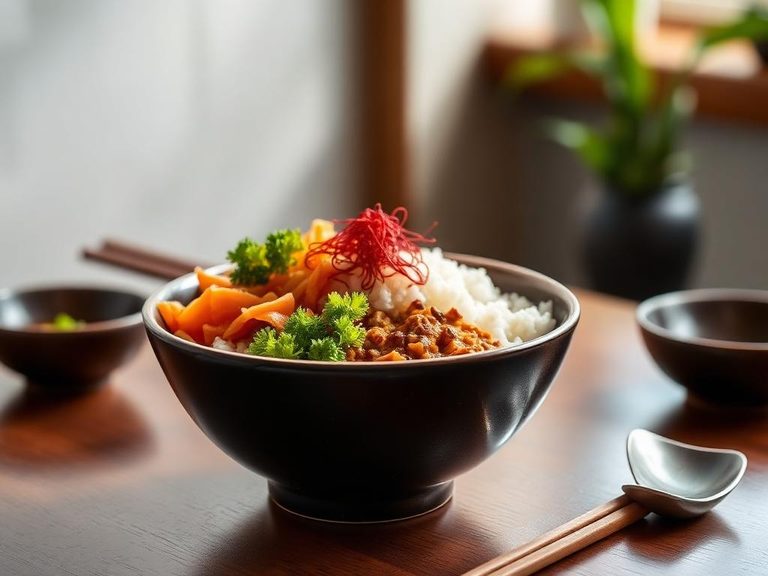
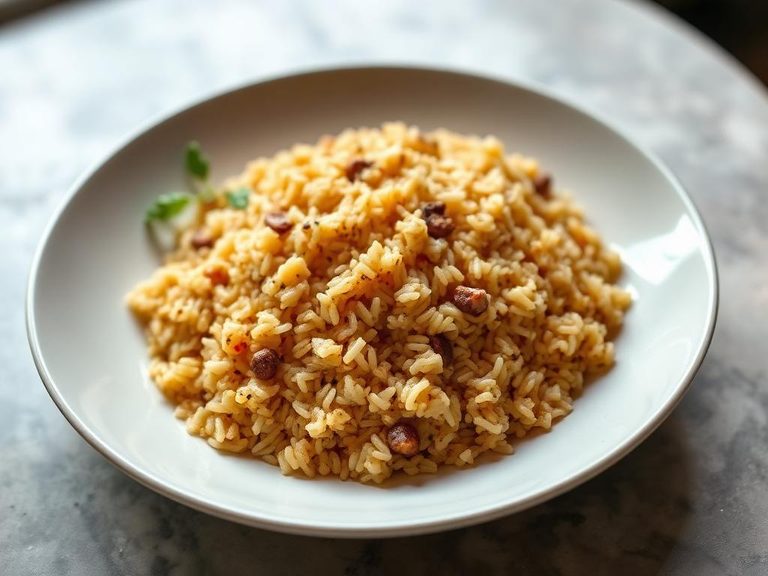
This is a comforting, savory staple of brown rice cooked and tossed in a soy-based sauce, offering a nutty, chewy texture with a salty, umami-rich glaze. The whole grain provides a satisfying bite and a modest 114 calories per 100g, making it a hearty yet balanced base for many meals. Its natural fiber content helps slow digestion, while the soy sauce adds a deep, fermented flavor that elevates the simple grain.
Calorie split: 8% protein · 73% carbs · 19% fat
↓ Full nutrition💚 Why it's loved
People love it for its deep, savory umami flavor and the satisfying, chewy texture of brown rice, which holds sauce beautifully. It's a versatile, quick-to-prepare dish that fits into many cuisines, from a simple weeknight side to a base for elaborate bowls.
⚠️ Watch-outs & how to enjoy it better
The soy sauce can be high in sodium, which may be a concern for those monitoring salt intake, and the soy itself is a common allergen. To counteract this, pair it with fresh vegetables or lean protein to balance the meal, and consider using a low-sodium soy sauce or reducing the portion of sauce. For those sensitive to soy, a coconut aminos alternative can be used.
Key benefits
- Whole-grain source of fiber for digestive health
- Provides plant-based protein from both rice and soy
- Low in fat, making it a light yet filling side dish
- Contains B vitamins and minerals like manganese and magnesium
- Fermented soy sauce may offer probiotic benefits
🍽️ Popular dishes
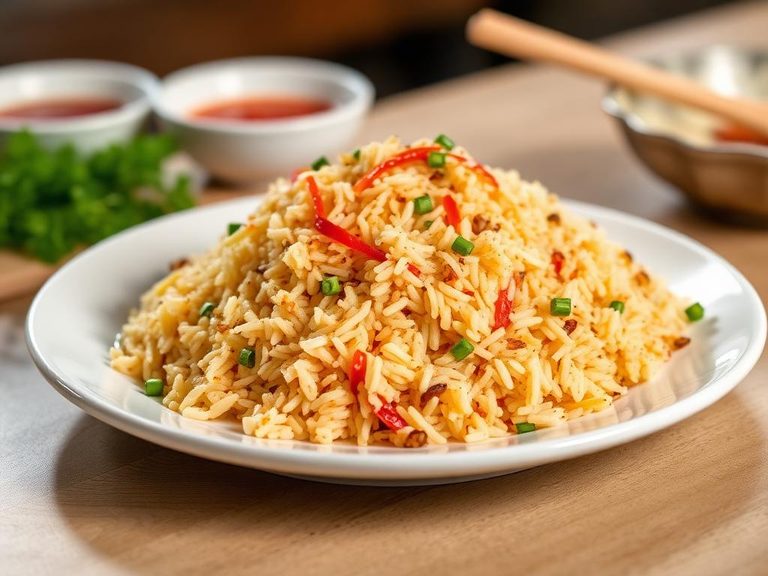
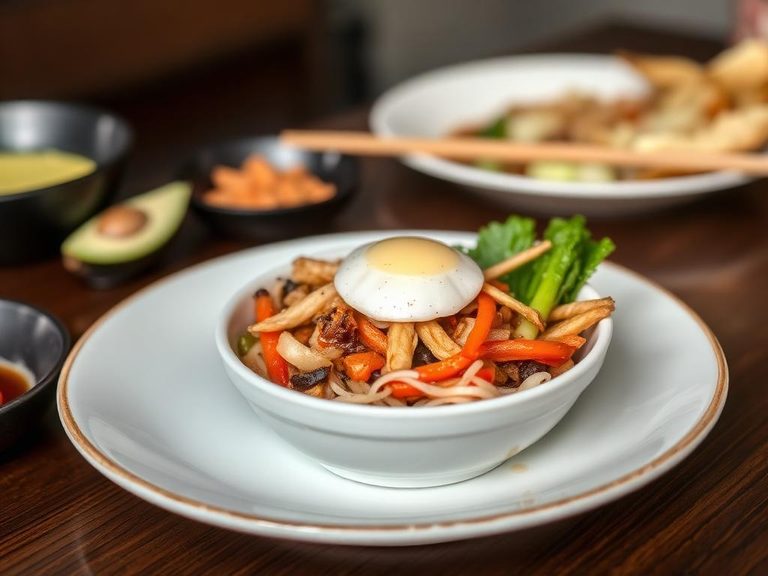
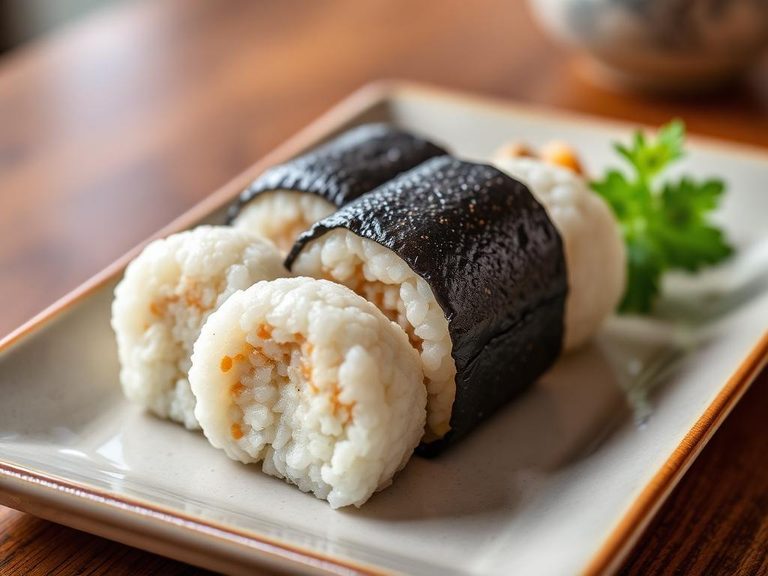
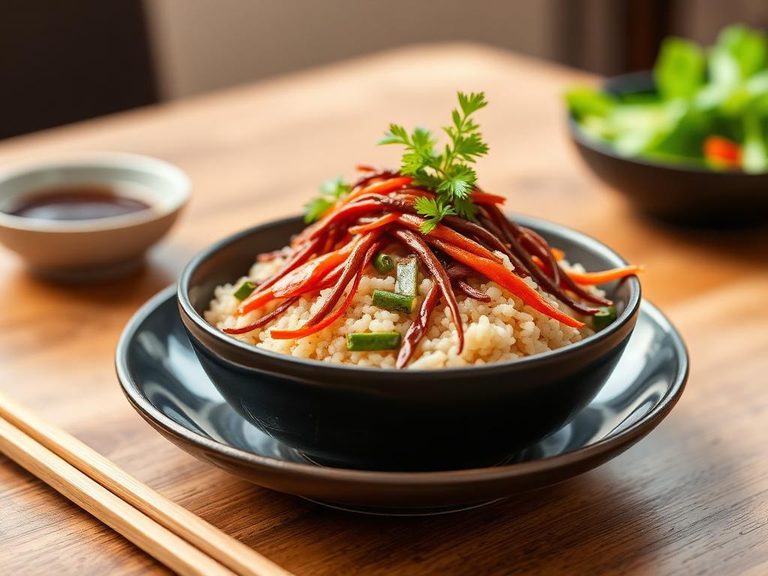
🌍 Where it's eaten
💡 Did you know?
Brown rice retains its outer bran layer, which is rich in antioxidants and fiber, unlike white rice where this layer is removed during milling.
Full nutrition (USDA data · scales with serving)
| Water | 73.5 g |
| Energy | 114 kcal |
| Protein | 2.1 g |
| Total lipid (fat) | 2.4 g |
| Carbohydrate, by difference | 20.6 g |
| Fiber, total dietary | 1.1 g |
| Total Sugars | 1.3 g |
| Calcium, Ca | 4.0 mg |
| Iron, Fe | 0.43 mg |
| Magnesium, Mg | 29.0 mg |
| Phosphorus, P | 76.0 mg |
| Potassium, K | 69.0 mg |
| Sodium, Na | 420 mg |
| Zinc, Zn | 0.51 mg |
| Copper, Cu | 0.08 mg |
| Selenium, Se | 4.3 ug |
| Vitamin C, total ascorbic acid | 0.00 mg |
| Thiamin | 0.13 mg |
| Riboflavin | 0.05 mg |
| Niacin | 1.8 mg |
| Vitamin B-6 | 0.09 mg |
| Folate, total | 7.0 ug |
| Folic acid | 0.00 ug |
| Folate, food | 7.0 ug |
| Folate, DFE | 7.0 ug |
| Choline, total | 7.6 mg |
| Vitamin B-12 | 0.01 ug |
| Vitamin B-12, added | 0.00 ug |
| Vitamin A, RAE | 0.00 ug |
| Retinol | 0.00 ug |
| Carotene, beta | 0.00 ug |
| Carotene, alpha | 0.00 ug |
| Cryptoxanthin, beta | 0.00 ug |
| Lycopene | 0.00 ug |
| Lutein + zeaxanthin | 0.00 ug |
| Vitamin E (alpha-tocopherol) | 0.45 mg |
| Vitamin E, added | 0.00 mg |
| Vitamin D (D2 + D3) | 0.00 ug |
| Vitamin K (phylloquinone) | 1.8 ug |
| Alcohol, ethyl | 0.00 g |
| Caffeine | 0.00 mg |
| Theobromine | 0.00 mg |
Fat & fatty acid profile (per 100g)
| Fatty acids, total saturated | 0.44 g |
| SFA 4:0 | 0.00 g |
| SFA 6:0 | 0.00 g |
| SFA 8:0 | 0.00 g |
| SFA 10:0 | 0.01 g |
| SFA 12:0 | 0.00 g |
| SFA 14:0 | 0.01 g |
| SFA 16:0 | 0.32 g |
| SFA 18:0 | 0.08 g |
| Fatty acids, total monounsaturated | 0.99 g |
| MUFA 16:1 | 0.01 g |
| MUFA 18:1 | 0.97 g |
| MUFA 20:1 | 0.01 g |
| MUFA 22:1 | 0.00 g |
| Fatty acids, total polyunsaturated | 0.90 g |
| PUFA 18:2 | 0.82 g |
| PUFA 18:3 | 0.08 g |
| PUFA 18:4 | 0.00 g |
| PUFA 20:4 | 0.00 g |
| PUFA 20:5 n-3 (EPA) | 0.00 g |
| PUFA 22:5 n-3 (DPA) | 0.00 g |
| PUFA 22:6 n-3 (DHA) | 0.00 g |
| Cholesterol | 0.00 mg |
Amino acid profile (per 100g)
Estimated from Snacks, rice cakes, brown rice, sesame seed — USDA does not publish this profile for Rice.
| Tryptophan | 0.10 g |
| Threonine | 0.28 g |
| Isoleucine | 0.32 g |
| Leucine | 0.63 g |
| Lysine | 0.29 g |
| Methionine | 0.17 g |
| Cystine | 0.09 g |
| Phenylalanine | 0.39 g |
| Tyrosine | 0.29 g |
| Valine | 0.44 g |
| Arginine | 0.59 g |
| Histidine | 0.19 g |
| Alanine | 0.44 g |
| Aspartic acid | 0.71 g |
| Glutamic acid | 1.6 g |
| Glycine | 0.38 g |
| Proline | 0.35 g |
| Serine | 0.39 g |
FAQ
Is brown rice with soy sauce gluten-free?
Traditional soy sauce contains wheat, so it is not gluten-free. For a gluten-free version, use tamari or a certified gluten-free soy sauce.
Can I reduce the sodium in this dish?
Yes, use low-sodium soy sauce or reduce the amount of sauce. You can also add a splash of vinegar or citrus to enhance flavor without extra salt.
How does the fiber in brown rice help with blood sugar?
The fiber in brown rice slows the absorption of carbohydrates, which can help prevent rapid blood sugar spikes compared to white rice.
Nutrient density (calculated · NRF9.3)
Nutrient Rich Foods index: beneficial nutrients (protein, fiber, vitamins, minerals) minus saturated fat, added sugar & sodium, per 100 kcal.
NRF9.3 index — Fulgoni, Keast & Drewnowski, 2009. Computed from USDA nutrients.
Weight-loss friendliness (composite index)
Energy density 1.14 kcal/g · 8% calories from protein · 1.1 g fiber · 1.3 g sugar per 100 g.
Composite of energy density (Rolls et al., 1999), protein & fiber satiety, minus sugar. A calculated heuristic — ranks satiety-per-calorie, not a clinical measure.
Dietary load (calculated from USDA values)
Potential renal acid load. Positive = acid-forming, negative = alkaline-forming.
Sodium-to-potassium ratio: 6.09 (lower is better — aim for ≤ 1)
Sodium:potassium per WHO potassium guidance. Computed from USDA nutrients.