Donburi
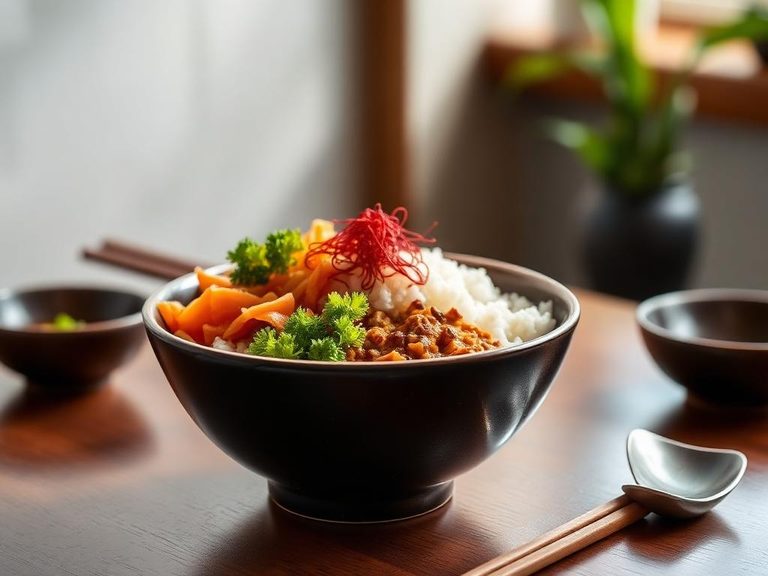
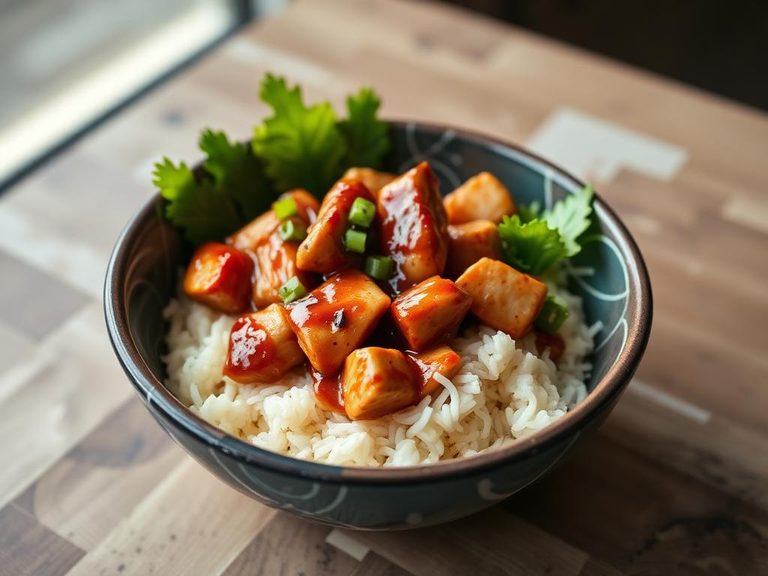
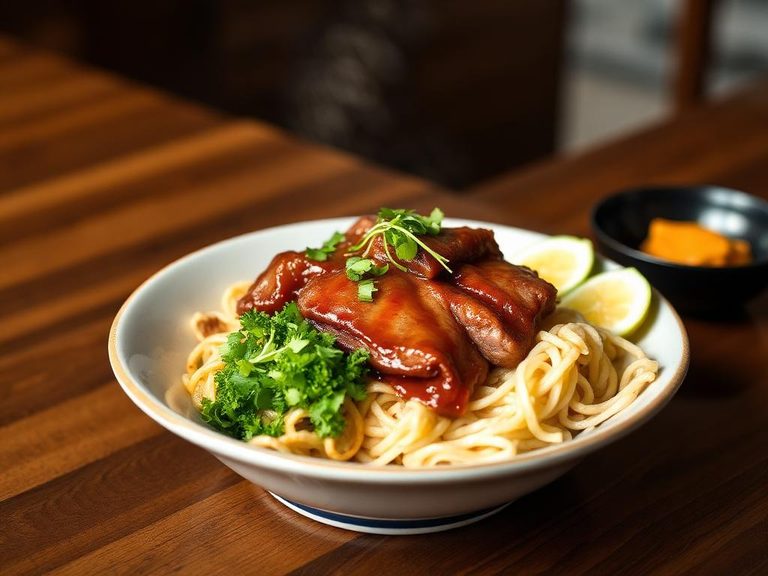
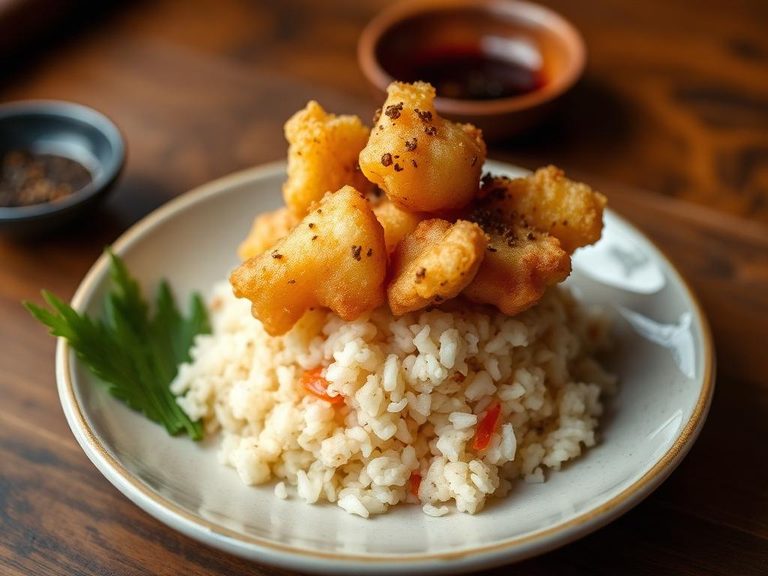
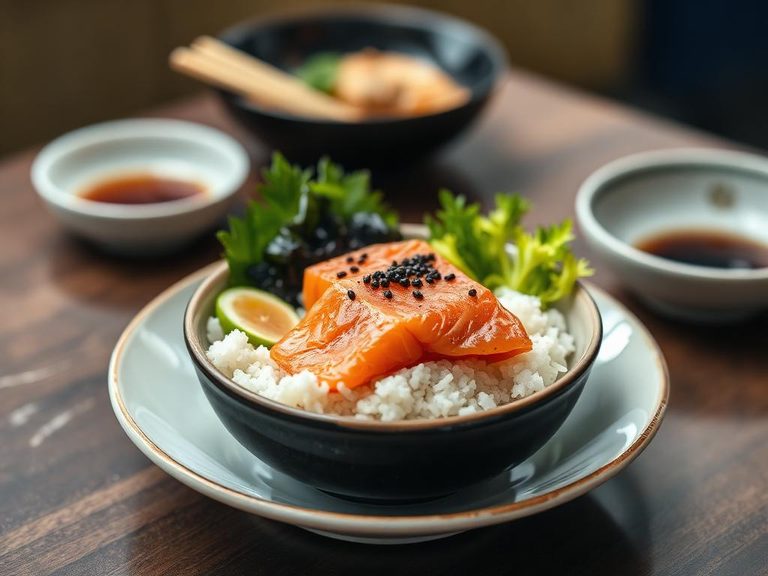
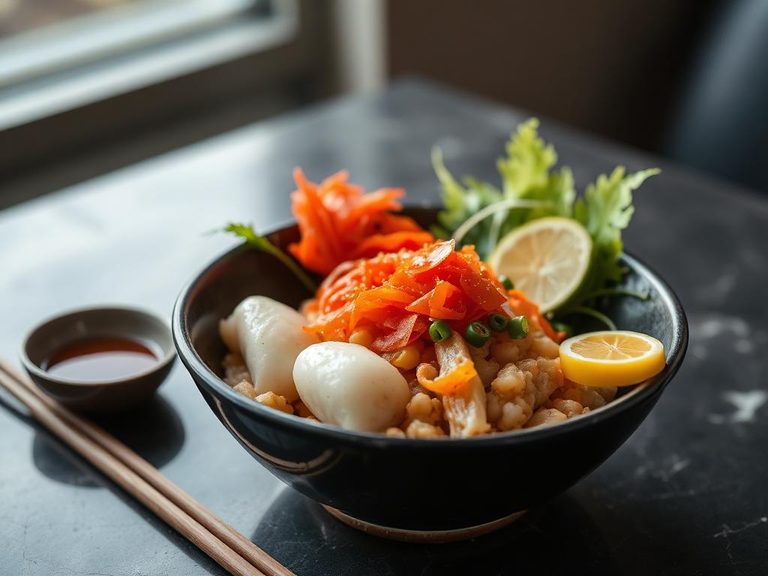
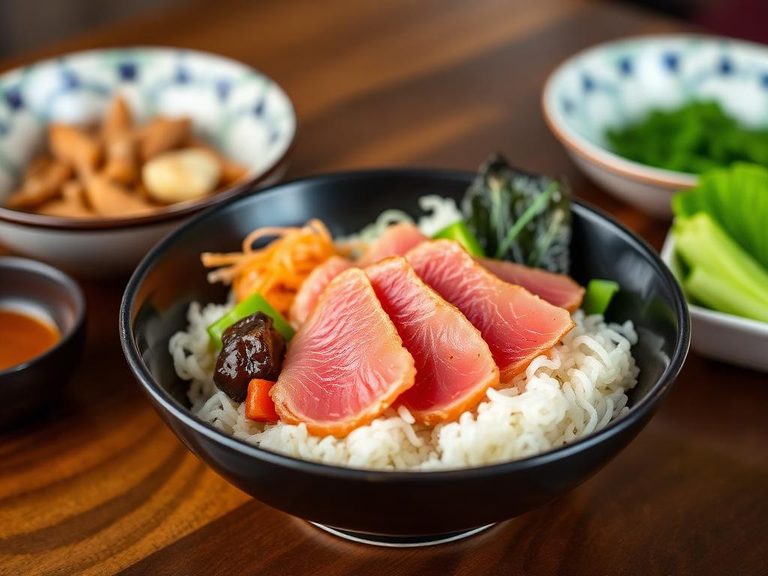
Donburi is a classic Japanese comfort food consisting of a bowl of steamed white rice topped with a variety of savory ingredients. Common types include gyudon (beef and onion), katsudon (breaded pork cutlet with egg), and tendon (tempura), all simmered in a sweet-savory dashi-based sauce. Originating in the Edo period, it's a staple of casual dining and home cooking across Japan.
🍽️ Nutrition at a glance
Donburi is primarily a high-carbohydrate dish from the rice, with protein and fat content varying significantly by topping—gyudon offers moderate protein and fat, while katsudon is higher in fat due to the fried cutlet. A typical serving provides key nutrients like B vitamins from the meat, iron, and some fiber if vegetables are included, with a calorie range of roughly 500 to 800 kcal per bowl.
Nutrition breakdown
| Calories | 550 kcal |
| Protein | 25 g |
| Carbs | 75 g |
| Fat | 15 g |
| Fiber | 3 g |
| Sugar | 5 g |
| Sodium | 900 mg |
| Potassium | 400 mg |
| Iron | 4 mg |
| Calcium | 80 mg |
| Vitamin B12 | 2.5 mcg |
| Niacin (B3) | 8 mg |
| Phosphorus | 300 mg |
| Magnesium | 60 mg |
| Zinc | 3 mg |
Per 1 bowl (350 g) · estimated, varies by recipe
💡 What's interesting
Culturally, donburi embodies the Japanese principle of 'ichiju sansai' (one soup, three sides) in a single bowl, offering a balanced, all-in-one meal that's both convenient and deeply satisfying. Nutritionally, its structure allows for easy customization to meet dietary needs, making it a versatile option for everything from quick lunches to post-workout recovery meals.