

Potato, boiled, from fresh, peel not eaten, fat added, NS as to fat type
Common food

Photo: Wikipedia
This is a boiled potato, peeled and cooked with a small amount of added fat, resulting in a tender, fluffy interior and a subtly rich mouthfeel. At 126 kcal per 100g, it offers a solid source of energy with a good balance of carbs and a modest protein boost. The added fat enhances its natural, earthy sweetness and makes it a satisfying, comforting staple.
Calorie split: 6% protein · 64% carbs · 30% fat
↓ Full nutrition💚 Why it's loved
People adore it for its incredible versatility and comforting, mild flavor that acts as a perfect canvas for countless seasonings and sauces. Its soft, creamy texture makes it a universally beloved side dish that complements everything from grilled meats to spicy curries.
⚠️ Watch-outs & how to enjoy it better
The added fat increases calorie density, which may be a concern for strict calorie control. The high glycemic index can cause rapid blood sugar spikes, so pairing it with protein (like eggs or beans) and non-starchy vegetables is recommended to slow digestion. Choosing healthier fats like olive oil instead of butter can improve its nutritional profile.
Key benefits
- Provides quick-release energy from complex carbohydrates
- Good source of potassium, supporting heart and muscle function
- Contains vitamin C, an antioxidant that aids immunity
- The added fat improves absorption of fat-soluble vitamins
- Offers dietary fiber for digestive health
🍽️ Popular dishes
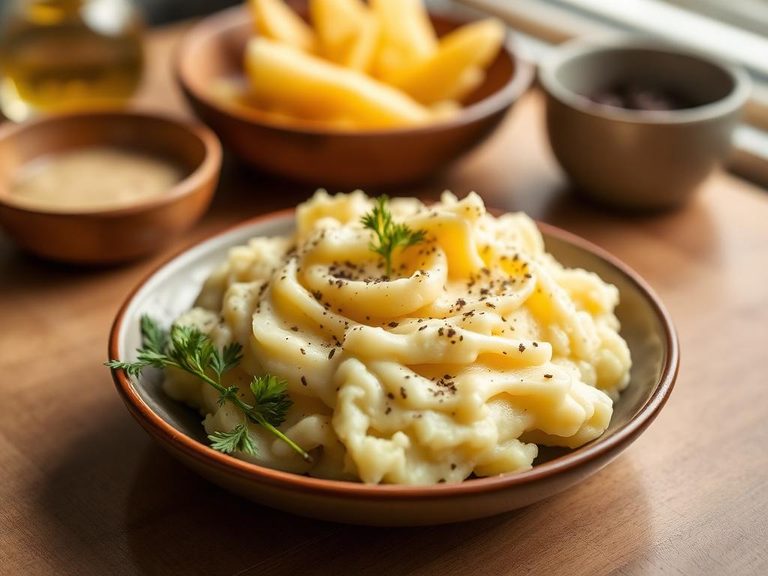
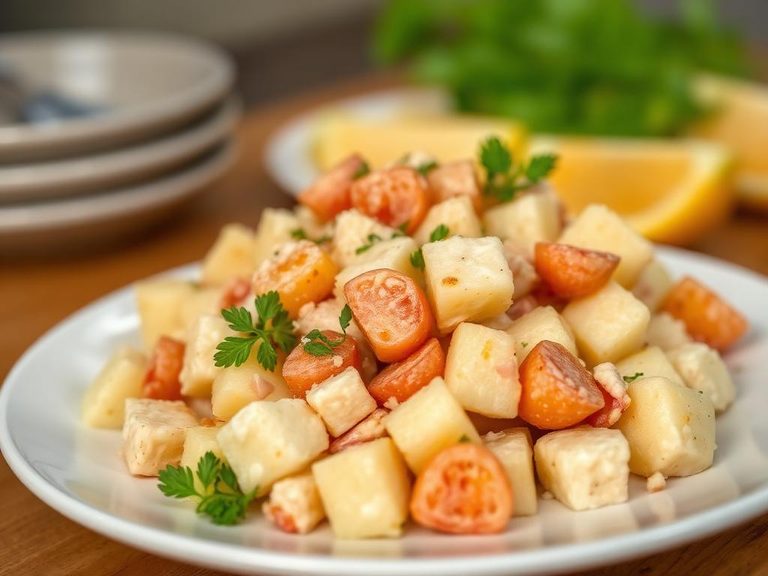
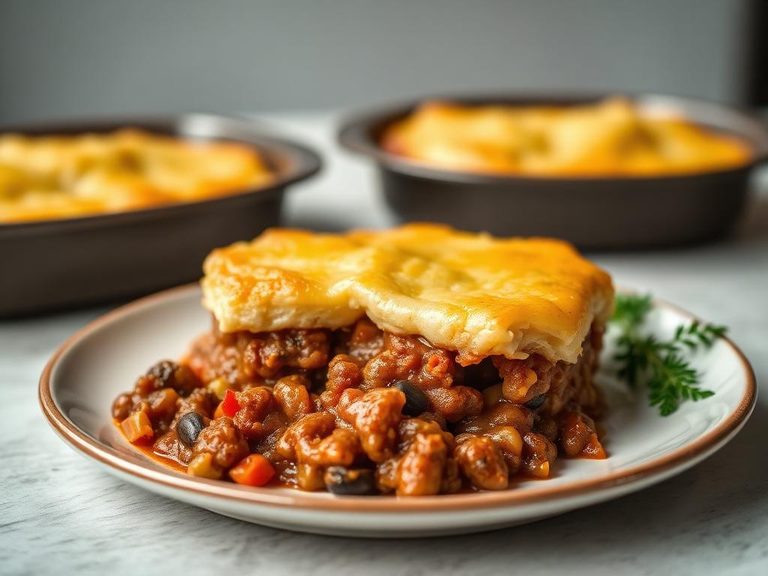
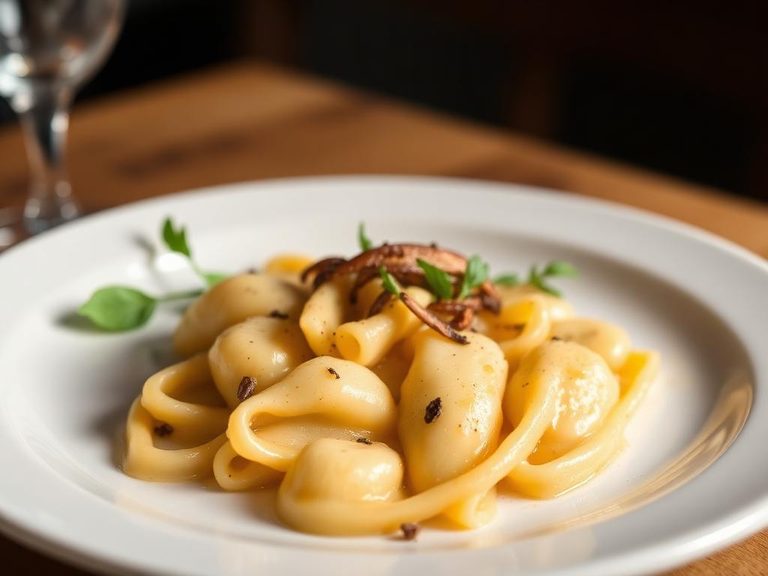
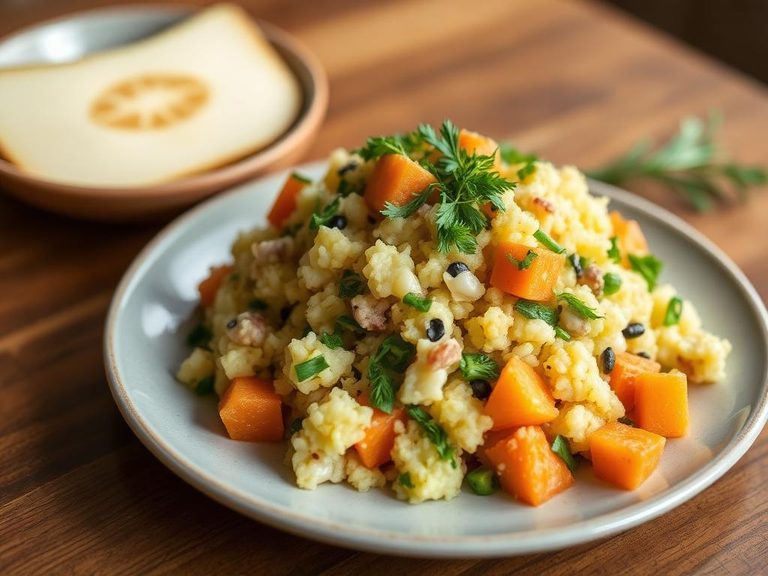
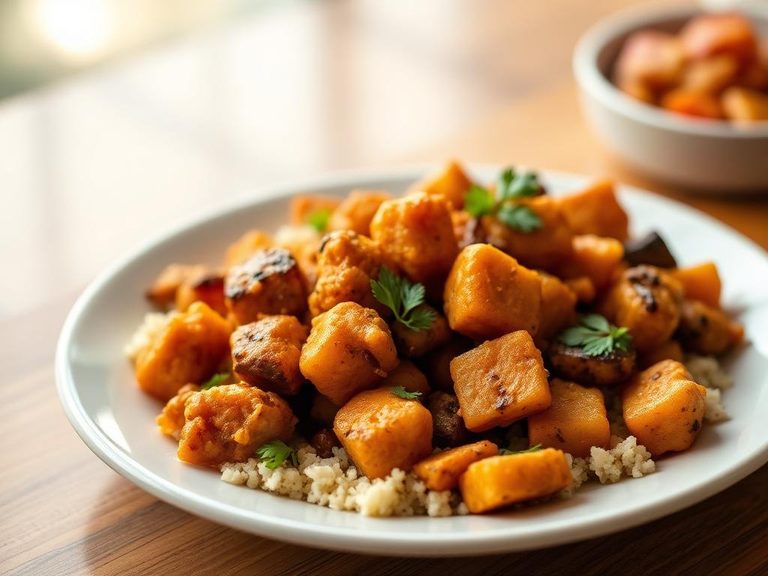
🌍 Where it's eaten
💡 Did you know?
The potato was first domesticated in the Andes Mountains over 7,000 years ago, and its journey to global staple status was so transformative that it's credited with fueling population booms in Europe during the 18th century.
Full nutrition (USDA data · scales with serving)
| Water | 72.1 g |
| Energy | 126 kcal |
| Protein | 1.9 g |
| Total lipid (fat) | 4.3 g |
| Carbohydrate, by difference | 20.4 g |
| Fiber, total dietary | 1.4 g |
| Total Sugars | 1.6 g |
| Calcium, Ca | 5.0 mg |
| Iron, Fe | 0.34 mg |
| Magnesium, Mg | 24.0 mg |
| Phosphorus, P | 48.0 mg |
| Potassium, K | 372 mg |
| Sodium, Na | 166 mg |
| Zinc, Zn | 0.28 mg |
| Copper, Cu | 0.20 mg |
| Selenium, Se | 0.30 ug |
| Vitamin C, total ascorbic acid | 12.1 mg |
| Thiamin | 0.10 mg |
| Riboflavin | 0.02 mg |
| Niacin | 1.3 mg |
| Vitamin B-6 | 0.31 mg |
| Folate, total | 9.0 ug |
| Folic acid | 0.00 ug |
| Folate, food | 9.0 ug |
| Folate, DFE | 9.0 ug |
| Choline, total | 14.1 mg |
| Vitamin B-12 | 0.00 ug |
| Vitamin B-12, added | 0.00 ug |
| Vitamin A, RAE | 19.0 ug |
| Retinol | 18.0 ug |
| Carotene, beta | 8.0 ug |
| Carotene, alpha | 0.00 ug |
| Cryptoxanthin, beta | 0.00 ug |
| Lycopene | 0.00 ug |
| Lutein + zeaxanthin | 0.00 ug |
| Vitamin E (alpha-tocopherol) | 0.66 mg |
| Vitamin E, added | 0.00 mg |
| Vitamin D (D2 + D3) | 0.00 ug |
| Vitamin K (phylloquinone) | 3.7 ug |
| Alcohol, ethyl | 0.00 g |
| Caffeine | 0.00 mg |
| Theobromine | 0.00 mg |
Fat & fatty acid profile (per 100g)
| Fatty acids, total saturated | 1.1 g |
| SFA 4:0 | 0.03 g |
| SFA 6:0 | 0.02 g |
| SFA 8:0 | 0.01 g |
| SFA 10:0 | 0.03 g |
| SFA 12:0 | 0.04 g |
| SFA 14:0 | 0.10 g |
| SFA 16:0 | 0.61 g |
| SFA 18:0 | 0.23 g |
| Fatty acids, total monounsaturated | 1.5 g |
| MUFA 16:1 | 0.02 g |
| MUFA 18:1 | 1.4 g |
| MUFA 20:1 | 0.02 g |
| MUFA 22:1 | 0.00 g |
| Fatty acids, total polyunsaturated | 1.2 g |
| PUFA 18:2 | 1.1 g |
| PUFA 18:3 | 0.14 g |
| PUFA 18:4 | 0.00 g |
| PUFA 20:4 | 0.00 g |
| PUFA 20:5 n-3 (EPA) | 0.00 g |
| PUFA 22:5 n-3 (DPA) | 0.00 g |
| PUFA 22:6 n-3 (DHA) | 0.00 g |
| Cholesterol | 3.0 mg |
Amino acid profile (per 100g)
Estimated from Snacks, potato chips, made from dried potatoes, reduced fat — USDA does not publish this profile for Potato.
| Tryptophan | 0.04 g |
| Threonine | 0.24 g |
| Isoleucine | 0.25 g |
| Leucine | 0.37 g |
| Lysine | 0.35 g |
| Methionine | 0.07 g |
| Cystine | 0.07 g |
| Phenylalanine | 0.26 g |
| Tyrosine | 0.22 g |
| Valine | 0.33 g |
| Arginine | 0.27 g |
| Histidine | 0.13 g |
| Alanine | 0.20 g |
| Aspartic acid | 1.1 g |
| Glutamic acid | 0.94 g |
| Glycine | 0.19 g |
| Proline | 0.20 g |
| Serine | 0.23 g |
FAQ
Is this healthier than a fried potato?
Generally, yes. Boiling with minimal added fat results in significantly less fat and fewer calories than deep-frying or pan-frying, which adds substantial oil.
Can I reheat it without losing texture?
For best results, reheat in a steamer or microwave with a splash of water to restore moisture. Re-frying in a non-stick pan with a little fat can also revive its texture.
Why is the fat type not specified?
The 'NS as to fat type' label means the nutrient data is an average that doesn't distinguish between butter, oil, or other fats. The actual health impact depends on which fat was used in preparation.
Nutrient density (calculated · NRF9.3)
Nutrient Rich Foods index: beneficial nutrients (protein, fiber, vitamins, minerals) minus saturated fat, added sugar & sodium, per 100 kcal.
NRF9.3 index — Fulgoni, Keast & Drewnowski, 2009. Computed from USDA nutrients.
Weight-loss friendliness (composite index)
Energy density 1.26 kcal/g · 6% calories from protein · 1.4 g fiber · 1.6 g sugar per 100 g.
Composite of energy density (Rolls et al., 1999), protein & fiber satiety, minus sugar. A calculated heuristic — ranks satiety-per-calorie, not a clinical measure.
Dietary load (calculated from USDA values)
Potential renal acid load. Positive = acid-forming, negative = alkaline-forming.
Sodium-to-potassium ratio: 0.45 (lower is better — aim for ≤ 1)
Sodium:potassium per WHO potassium guidance. Computed from USDA nutrients.