

Pork, fresh, carcass, separable lean and fat, raw
Whole food · Pork Products

Photo: Wikipedia
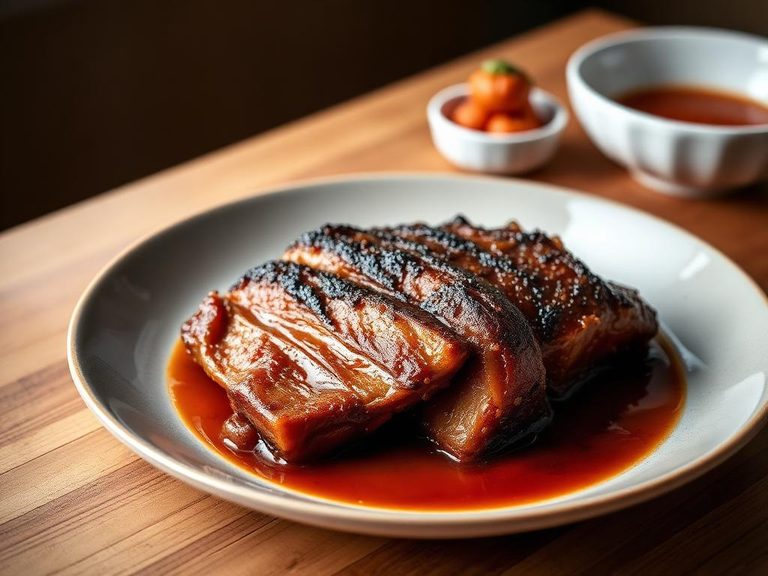
This is a raw cut of fresh pork carcass, specifically the combined lean muscle and attached fat. It offers a rich, savory flavor with a tender yet firm texture when raw, and a succulent, juicy mouthfeel once cooked. Nutritionally, it's a powerhouse of high-quality protein and provides a significant amount of energy from its fat content.
Calorie split: 15% protein · 0% carbs · 85% fat
↓ Full nutrition💚 Why it's loved
People love it for its deep, savory umami flavor that forms the foundation of countless comfort foods. Its fat content bastes the meat during cooking, ensuring a juicy, tender result that is both satisfying and culturally significant in many cuisines.
⚠️ Watch-outs & how to enjoy it better
The high saturated fat content means it should be consumed in moderation, especially by those monitoring heart health. To counteract this, pair it with fiber-rich vegetables, choose leaner cuts when possible, and use cooking methods like roasting or grilling that allow excess fat to render off.
Key benefits
- Excellent source of complete, high-quality protein for muscle maintenance.
- Provides essential B vitamins, particularly thiamine (B1) and B6.
- Rich in minerals like selenium, zinc, and phosphorus.
- A dense source of caloric energy from its fat content.
- Versatile base for a wide variety of global cooking methods.
🍽️ Popular dishes
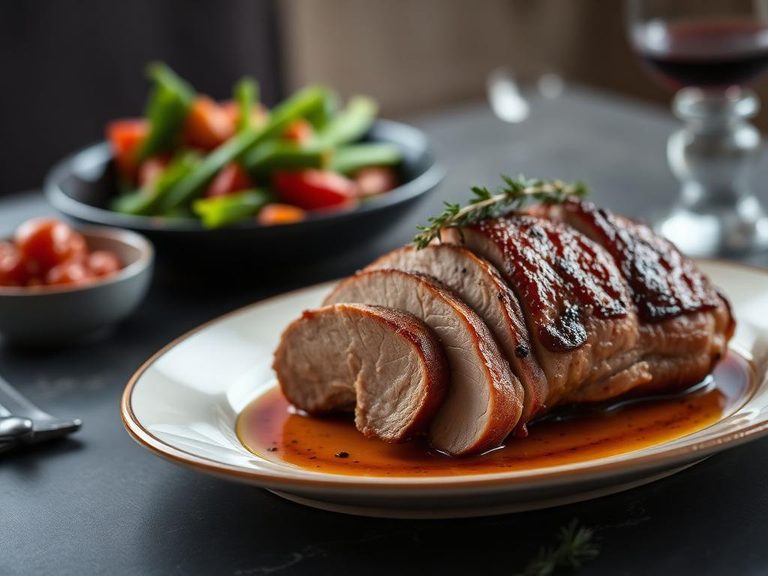
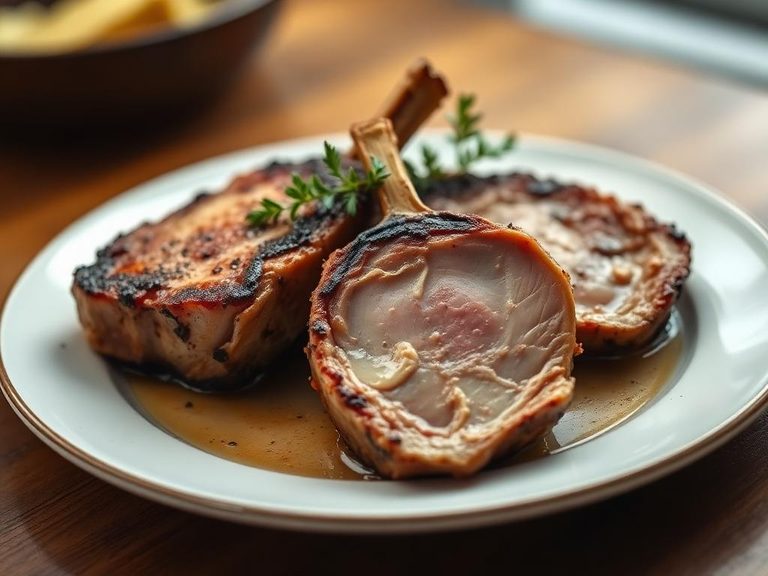
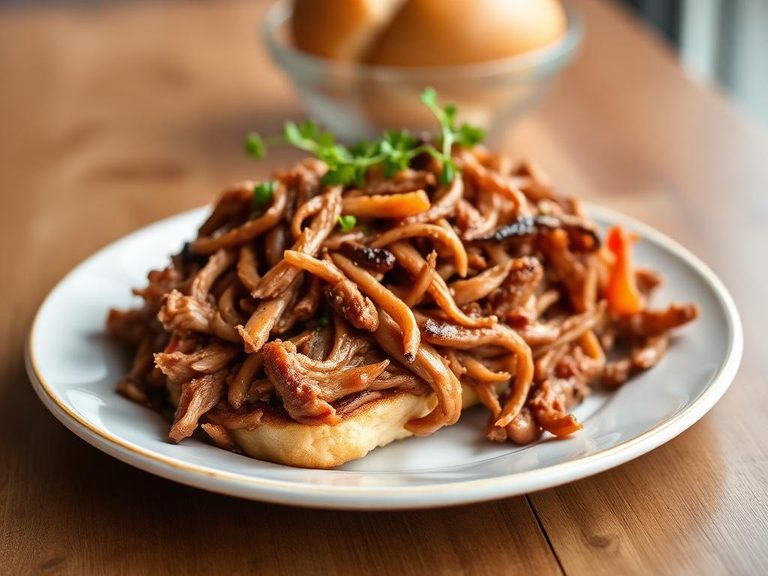

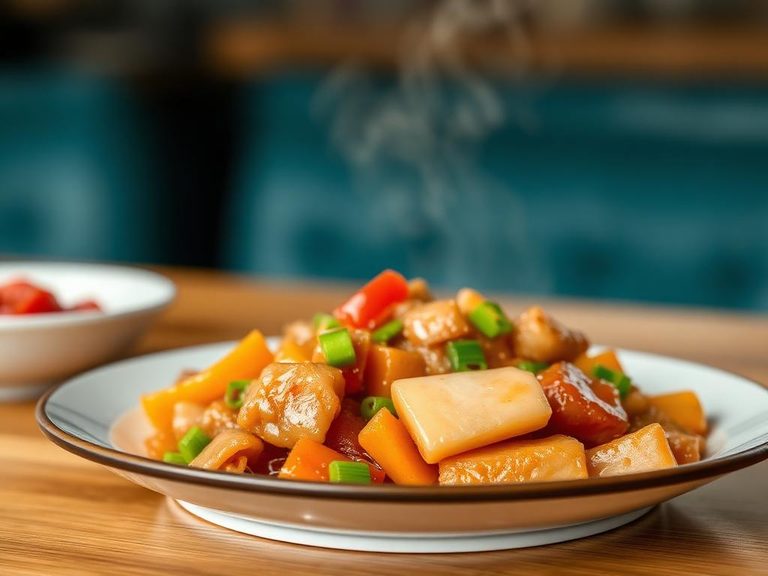
🌍 Where it's eaten
💡 Did you know?
Pork is the most widely consumed meat in the world, accounting for about 36% of global meat intake.
Full nutrition (USDA data · scales with serving)
| Water | 49.8 g |
| Energy | 376 kcal |
| Energy | 1573 kj |
| Protein | 13.9 g |
| Total lipid (fat) | 35.1 g |
| Ash | 0.72 g |
| Carbohydrate, by difference | 0.00 g |
| Fiber, total dietary | 0.00 g |
| Total Sugars | 0.00 g |
| Calcium, Ca | 19.0 mg |
| Iron, Fe | 0.69 mg |
| Magnesium, Mg | 13.0 mg |
| Phosphorus, P | 155 mg |
| Potassium, K | 253 mg |
| Sodium, Na | 42.0 mg |
| Zinc, Zn | 1.6 mg |
| Copper, Cu | 0.06 mg |
| Manganese, Mn | 0.01 mg |
| Selenium, Se | 28.4 ug |
| Vitamin C, total ascorbic acid | 0.40 mg |
| Thiamin | 0.59 mg |
| Riboflavin | 0.21 mg |
| Niacin | 3.8 mg |
| Pantothenic acid | 0.53 mg |
| Vitamin B-6 | 0.28 mg |
| Folate, total | 4.0 ug |
| Folic acid | 0.00 ug |
| Folate, food | 4.0 ug |
| Folate, DFE | 4.0 ug |
| Vitamin B-12 | 0.61 ug |
| Vitamin B-12, added | 0.00 ug |
| Vitamin A, RAE | 2.0 ug |
| Retinol | 2.0 ug |
| Carotene, beta | 0.00 ug |
| Carotene, alpha | 0.00 ug |
| Cryptoxanthin, beta | 0.00 ug |
| Vitamin A, IU | 8.0 iu |
| Lycopene | 0.00 ug |
| Lutein + zeaxanthin | 0.00 ug |
| Vitamin E (alpha-tocopherol) | 0.29 mg |
| Vitamin E, added | 0.00 mg |
| Alcohol, ethyl | 0.00 g |
| Caffeine | 0.00 mg |
| Theobromine | 0.00 mg |
Fat & fatty acid profile (per 100g)
| Fatty acids, total saturated | 12.4 g |
| SFA 4:0 | 0.00 g |
| SFA 6:0 | 0.00 g |
| SFA 10:0 | 0.03 g |
| SFA 12:0 | 0.05 g |
| SFA 14:0 | 0.44 g |
| SFA 16:0 | 7.7 g |
| SFA 18:0 | 4.2 g |
| Fatty acids, total monounsaturated | 15.9 g |
| MUFA 16:1 | 0.99 g |
| MUFA 18:1 | 14.7 g |
| MUFA 20:1 | 0.27 g |
| Fatty acids, total polyunsaturated | 3.8 g |
| PUFA 18:2 | 3.3 g |
| PUFA 18:3 | 0.29 g |
| PUFA 20:4 | 0.11 g |
| Cholesterol | 74.0 mg |
| Phytosterols | 0.00 mg |
Amino acid profile (per 100g)
| Tryptophan | 0.16 g |
| Threonine | 0.61 g |
| Isoleucine | 0.62 g |
| Leucine | 1.1 g |
| Lysine | 1.2 g |
| Methionine | 0.35 g |
| Cystine | 0.17 g |
| Phenylalanine | 0.55 g |
| Tyrosine | 0.45 g |
| Valine | 0.74 g |
| Arginine | 0.91 g |
| Histidine | 0.51 g |
| Alanine | 0.83 g |
| Aspartic acid | 1.2 g |
| Glutamic acid | 2.1 g |
| Glycine | 0.87 g |
| Proline | 0.67 g |
| Serine | 0.57 g |
FAQ
How is 'separable lean and fat' different from other pork cuts?
This term describes a raw, unprocessed piece where the lean muscle and the fat are still attached and can be easily separated by hand or knife, unlike ground pork where they are mixed.
What's the best way to cook this to keep it juicy?
For leaner pieces, methods like pan-searing then finishing in the oven, or braising in liquid, help retain moisture. For fattier cuts, slow roasting or smoking allows the fat to render and baste the meat naturally.
Is the fat on pork different from beef fat?
Yes, pork fat (lard) has a lower melting point and is softer at room temperature. It contains a different fatty acid profile, with slightly more monounsaturated fats compared to beef tallow.
Nutrient density (calculated · NRF9.3)
Nutrient Rich Foods index: beneficial nutrients (protein, fiber, vitamins, minerals) minus saturated fat, added sugar & sodium, per 100 kcal.
NRF9.3 index — Fulgoni, Keast & Drewnowski, 2009. Computed from USDA nutrients.
Weight-loss friendliness (composite index)
Energy density 3.76 kcal/g · 15% calories from protein · 0.0 g fiber · 0.0 g sugar per 100 g.
Composite of energy density (Rolls et al., 1999), protein & fiber satiety, minus sugar. A calculated heuristic — ranks satiety-per-calorie, not a clinical measure.
Dietary load (calculated from USDA values)
Potential renal acid load. Positive = acid-forming, negative = alkaline-forming.
Sodium-to-potassium ratio: 0.17 (lower is better — aim for ≤ 1)
Sodium:potassium per WHO potassium guidance. Computed from USDA nutrients.