

Plantain, raw
Common food
Raw plantain is a starchy, firm-fleshed cooking banana with a mild, slightly astringent flavor and a dense, potato-like texture when unripe. It is a powerhouse of complex carbohydrates, providing sustained energy with minimal fat. Nutritionally, it is a good source of dietary fiber and contains notable amounts of potassium and vitamin B6.
Calorie split: 4% protein · 94% carbs · 2% fat
↓ Full nutrition💚 Why it's loved
People love plantains for their incredible versatility, transforming from savory, starchy staples in fried or boiled dishes to sweet, caramelized treats when fully ripe. They are a beloved cultural cornerstone in cuisines across the tropics, symbolizing comfort and tradition.
⚠️ Watch-outs & how to enjoy it better
Raw plantains are very firm and astringent, making them unpalatable to eat without cooking. For those monitoring blood sugar, the high carbohydrate content (especially as the fruit ripens and sugar increases) requires mindful portioning. Tip: Pair cooked plantains with a protein like black beans or a healthy fat like avocado to slow sugar absorption.
Key benefits
- Excellent source of resistant starch, which feeds beneficial gut bacteria
- High in potassium, supporting heart health and fluid balance
- Provides vitamin B6, essential for brain development and function
- Offers a steady energy release due to its low glycemic index when uncooked
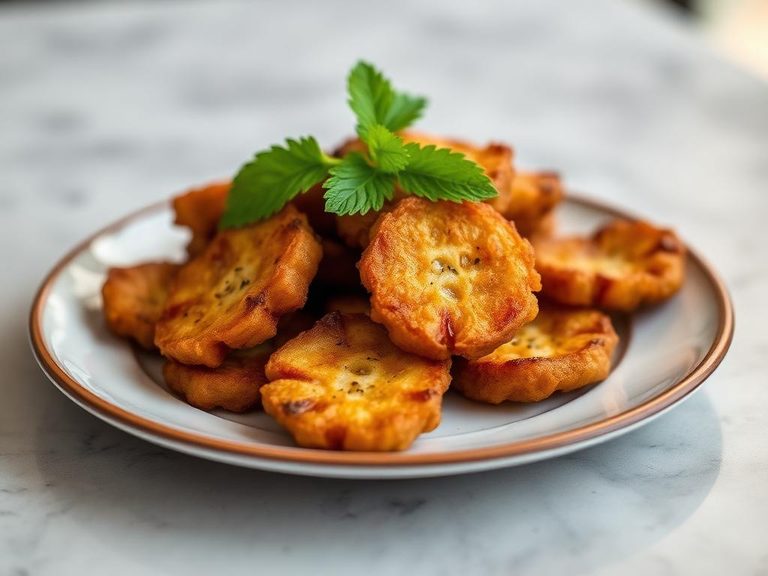
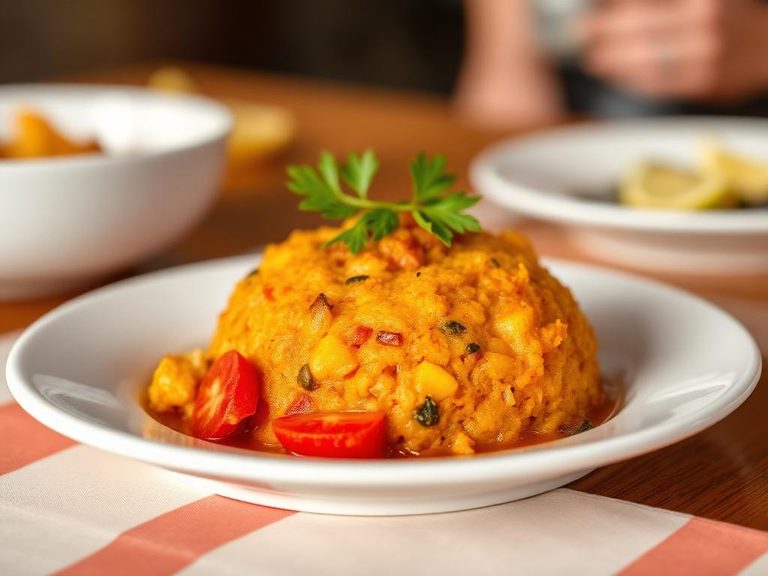
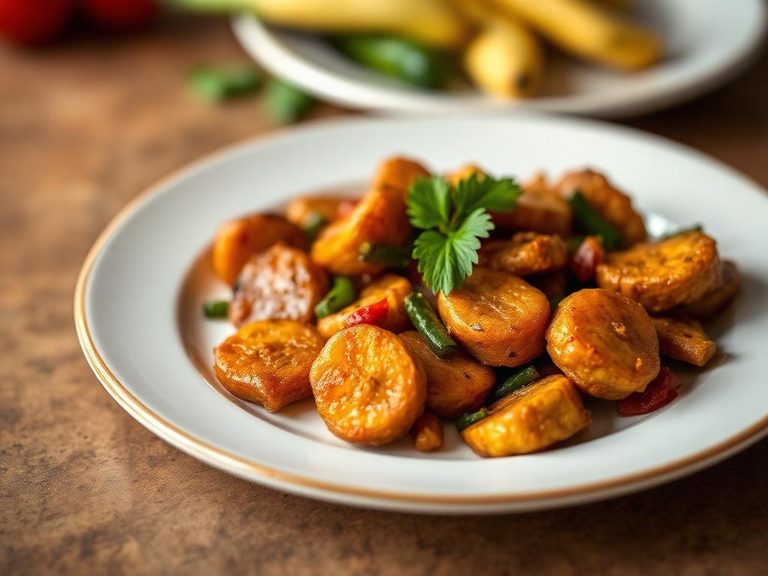
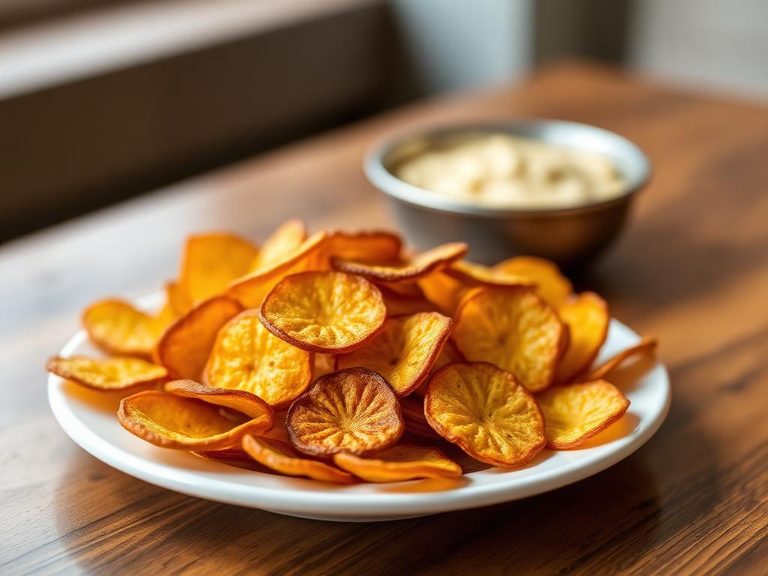
🍽️ Popular dishes
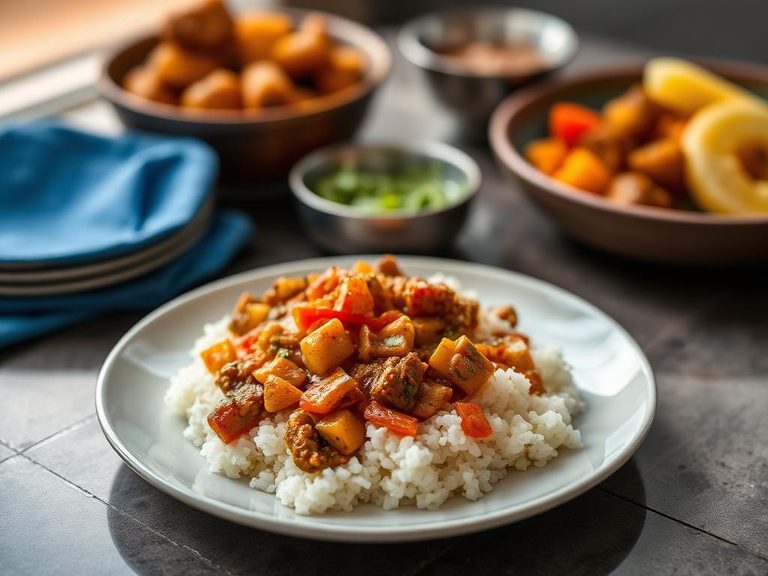
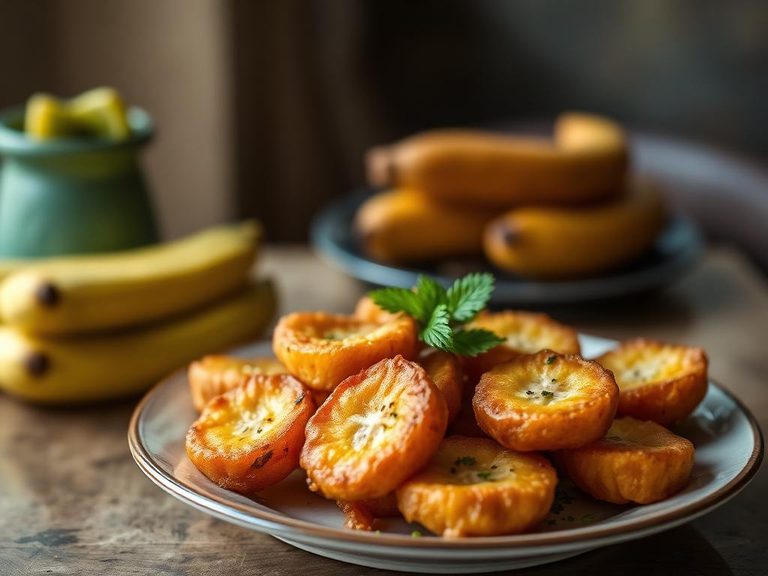
🌍 Where it's eaten
💡 Did you know?
The plantain is a staple food for over 500 million people in tropical regions, and it is botanically classified as a berry.
Full nutrition (USDA data · scales with serving)
| Water | 65.2 g |
| Energy | 122 kcal |
| Protein | 1.3 g |
| Total lipid (fat) | 0.35 g |
| Carbohydrate, by difference | 31.9 g |
| Fiber, total dietary | 1.7 g |
| Total Sugars | 17.5 g |
| Calcium, Ca | 3.0 mg |
| Iron, Fe | 0.55 mg |
| Magnesium, Mg | 36.0 mg |
| Phosphorus, P | 32.0 mg |
| Potassium, K | 487 mg |
| Sodium, Na | 4.0 mg |
| Zinc, Zn | 0.19 mg |
| Copper, Cu | 0.07 mg |
| Selenium, Se | 1.5 ug |
| Vitamin C, total ascorbic acid | 18.4 mg |
| Thiamin | 0.06 mg |
| Riboflavin | 0.08 mg |
| Niacin | 0.67 mg |
| Vitamin B-6 | 0.24 mg |
| Folate, total | 22.0 ug |
| Folic acid | 0.00 ug |
| Folate, food | 22.0 ug |
| Folate, DFE | 22.0 ug |
| Choline, total | 13.5 mg |
| Vitamin B-12 | 0.00 ug |
| Vitamin B-12, added | 0.00 ug |
| Vitamin A, RAE | 56.0 ug |
| Retinol | 0.00 ug |
| Carotene, beta | 457 ug |
| Carotene, alpha | 438 ug |
| Cryptoxanthin, beta | 0.00 ug |
| Lycopene | 0.00 ug |
| Lutein + zeaxanthin | 30.0 ug |
| Vitamin E (alpha-tocopherol) | 0.00 mg |
| Vitamin E, added | 0.00 mg |
| Vitamin D (D2 + D3) | 0.00 ug |
| Vitamin K (phylloquinone) | 28.8 ug |
| Alcohol, ethyl | 0.00 g |
| Caffeine | 0.00 mg |
| Theobromine | 0.00 mg |
Fat & fatty acid profile (per 100g)
| Fatty acids, total saturated | 0.00 g |
| SFA 4:0 | 0.00 g |
| SFA 6:0 | 0.00 g |
| SFA 8:0 | 0.00 g |
| SFA 10:0 | 0.00 g |
| SFA 12:0 | 0.00 g |
| SFA 14:0 | 0.00 g |
| SFA 16:0 | 0.00 g |
| SFA 18:0 | 0.00 g |
| Fatty acids, total monounsaturated | 0.00 g |
| MUFA 16:1 | 0.00 g |
| MUFA 18:1 | 0.00 g |
| MUFA 20:1 | 0.00 g |
| MUFA 22:1 | 0.00 g |
| Fatty acids, total polyunsaturated | 0.00 g |
| PUFA 18:2 | 0.00 g |
| PUFA 18:3 | 0.00 g |
| PUFA 18:4 | 0.00 g |
| PUFA 20:4 | 0.00 g |
| PUFA 20:5 n-3 (EPA) | 0.00 g |
| PUFA 22:5 n-3 (DPA) | 0.00 g |
| PUFA 22:6 n-3 (DHA) | 0.00 g |
| Cholesterol | 0.00 mg |
Amino acid profile (per 100g)
Estimated from Plantains, green, boiled — USDA does not publish this profile for Plantain.
| Tryptophan | 0.01 g |
| Threonine | 0.02 g |
| Isoleucine | 0.02 g |
| Leucine | 0.04 g |
| Lysine | 0.05 g |
| Methionine | 0.01 g |
| Cystine | 0.02 g |
| Phenylalanine | 0.03 g |
| Tyrosine | 0.02 g |
| Valine | 0.02 g |
| Arginine | 0.06 g |
| Histidine | 0.06 g |
| Alanine | 0.03 g |
| Aspartic acid | 0.09 g |
| Glutamic acid | 0.08 g |
| Glycine | 0.03 g |
| Proline | 0.03 g |
| Serine | 0.03 g |
| Hydroxyproline | 0.00 g |
FAQ
What's the difference between a plantain and a banana?
Plantains are larger, have thicker skin, and are much starchier and less sweet than dessert bananas. They are almost always cooked before eating, while bananas are typically eaten raw.
Can you eat a plantain raw?
While technically edible, raw green plantains are extremely hard, starchy, and astringent. Ripe (yellow/black) plantains are softer and sweeter but are still most commonly cooked. They are not typically enjoyed raw like a dessert banana.
How do I ripen plantains at home?
Place green plantains in a brown paper bag at room temperature. They will ripen from green to yellow to black over several days to a week. The riper (blacker) they get, the sweeter and softer they become when cooked.
Nutrient density (calculated · NRF9.3)
Nutrient Rich Foods index: beneficial nutrients (protein, fiber, vitamins, minerals) minus saturated fat, added sugar & sodium, per 100 kcal.
NRF9.3 index — Fulgoni, Keast & Drewnowski, 2009. Computed from USDA nutrients.
Weight-loss friendliness (composite index)
Energy density 1.22 kcal/g · 4% calories from protein · 1.7 g fiber · 17.5 g sugar per 100 g.
Composite of energy density (Rolls et al., 1999), protein & fiber satiety, minus sugar. A calculated heuristic — ranks satiety-per-calorie, not a clinical measure.
Dietary load (calculated from USDA values)
Potential renal acid load. Positive = acid-forming, negative = alkaline-forming.
Sodium-to-potassium ratio: 0.01 (lower is better — aim for ≤ 1)
Sodium:potassium per WHO potassium guidance. Computed from USDA nutrients.