

Plantain, cooked, no added fat
Common food
Cooked plantain is a starchy, sweet staple that transforms from firm and mild when green to soft, caramelized, and deeply sweet when ripe. Its texture ranges from creamy to slightly chewy, depending on ripeness and cooking method. Nutritionally, it's a significant source of carbohydrates and natural sugars, providing quick energy without any added fat.
Calorie split: 4% protein · 94% carbs · 2% fat
↓ Full nutrition💚 Why it's loved
People love plantains for their incredible versatility—they can be savory or sweet, fried, boiled, or baked—and for their deep, comforting flavor that anchors many traditional dishes across the globe.
⚠️ Watch-outs & how to enjoy it better
Due to their high carbohydrate and sugar content (especially when ripe), they can cause blood-sugar spikes, making portion control important for those managing diabetes. To counteract this, pair plantains with protein (like beans or eggs) or healthy fats (like avocado) to slow sugar absorption, and opt for greener, less ripe plantains which have a lower glycemic impact.
Key benefits
- Rich in potassium, supporting heart and muscle function
- Provides dietary fiber for digestive health
- Good source of vitamin A (especially when ripe)
- Naturally fat-free and cholesterol-free
- Offers sustained energy from complex carbohydrates
🍽️ Popular dishes
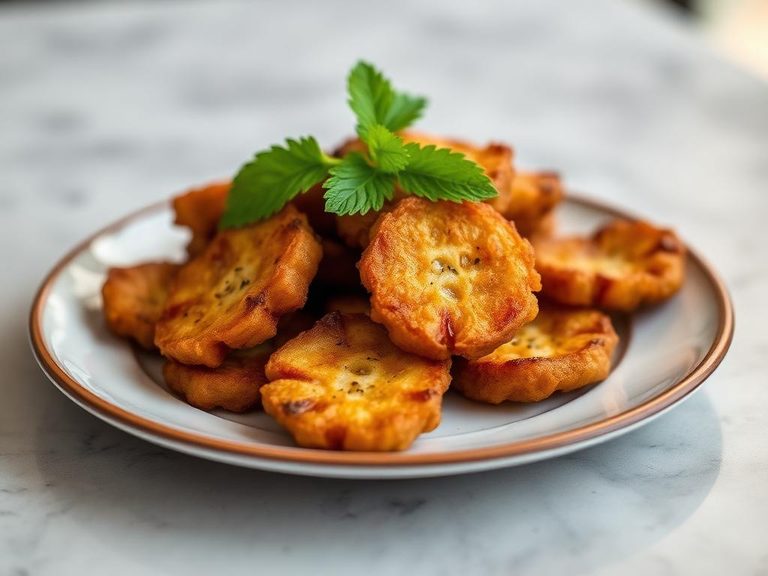
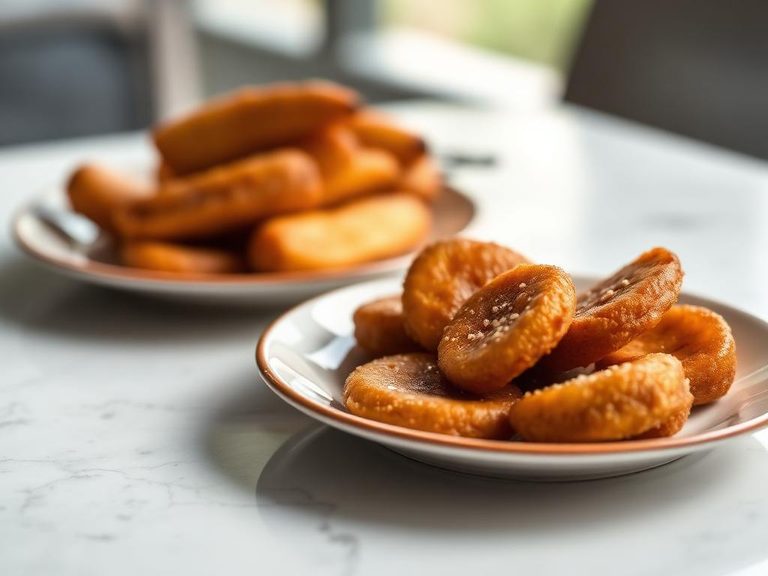
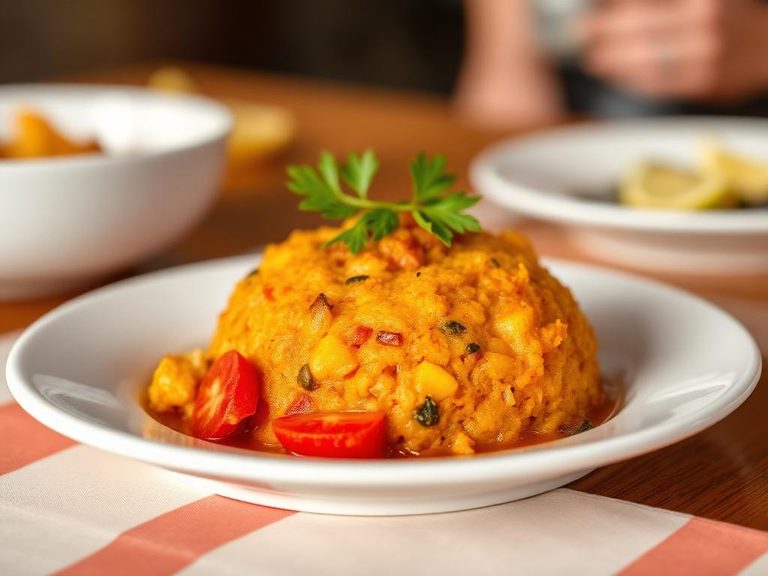
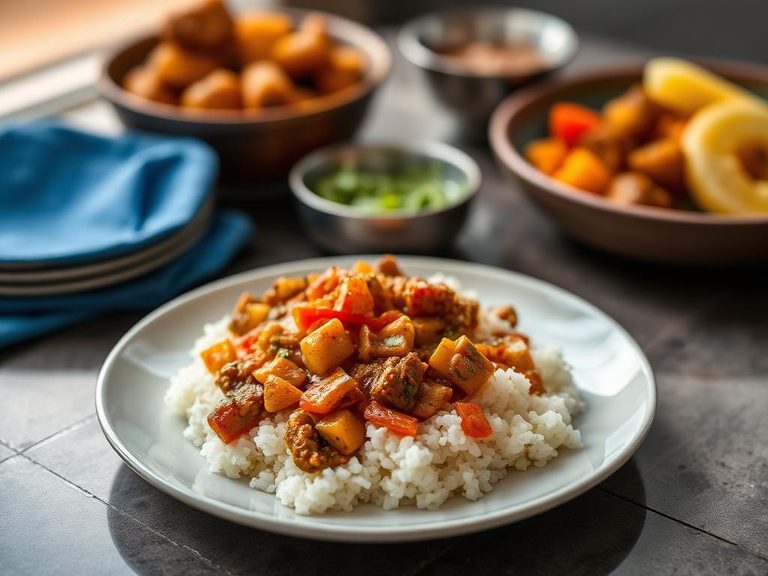
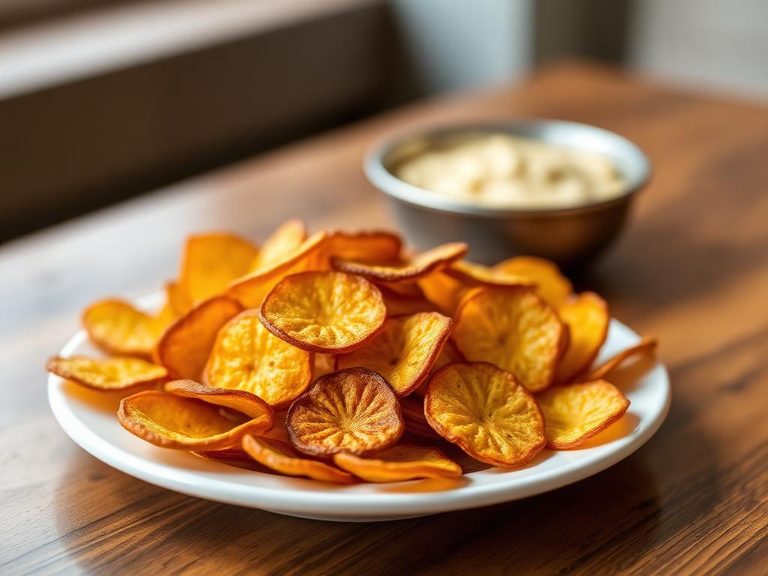
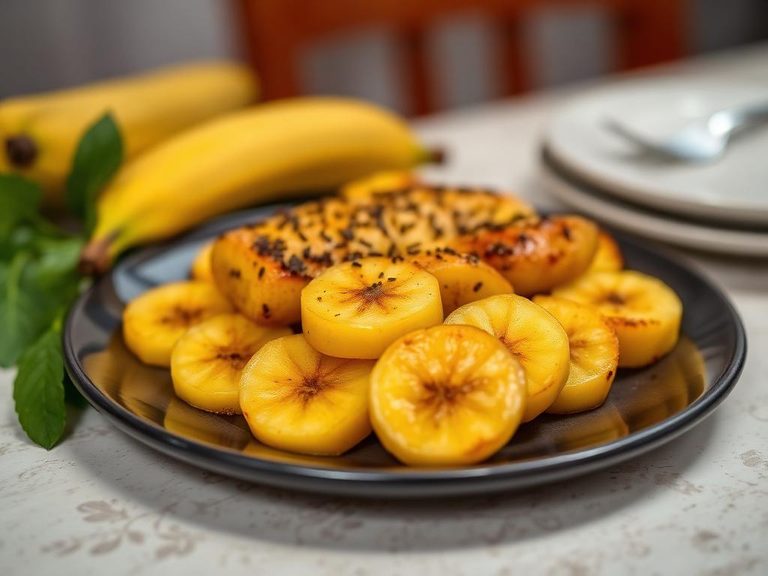
🌍 Where it's eaten
💡 Did you know?
Plantains are not a different species from bananas; they are a cultivar of the same species (Musa acuminata and hybrids), but they are always cooked before eating due to their high starch content and tough texture when raw.
Full nutrition (USDA data · scales with serving)
| Water | 65.0 g |
| Energy | 122 kcal |
| Protein | 1.3 g |
| Total lipid (fat) | 0.35 g |
| Carbohydrate, by difference | 31.8 g |
| Fiber, total dietary | 1.7 g |
| Total Sugars | 17.5 g |
| Calcium, Ca | 3.0 mg |
| Iron, Fe | 0.55 mg |
| Magnesium, Mg | 36.0 mg |
| Phosphorus, P | 32.0 mg |
| Potassium, K | 486 mg |
| Sodium, Na | 120 mg |
| Zinc, Zn | 0.19 mg |
| Copper, Cu | 0.07 mg |
| Selenium, Se | 1.5 ug |
| Vitamin C, total ascorbic acid | 15.6 mg |
| Thiamin | 0.06 mg |
| Riboflavin | 0.07 mg |
| Niacin | 0.64 mg |
| Vitamin B-6 | 0.22 mg |
| Folate, total | 19.0 ug |
| Folic acid | 0.00 ug |
| Folate, food | 19.0 ug |
| Folate, DFE | 19.0 ug |
| Choline, total | 13.5 mg |
| Vitamin B-12 | 0.00 ug |
| Vitamin B-12, added | 0.00 ug |
| Vitamin A, RAE | 53.0 ug |
| Retinol | 0.00 ug |
| Carotene, beta | 433 ug |
| Carotene, alpha | 415 ug |
| Cryptoxanthin, beta | 0.00 ug |
| Lycopene | 0.00 ug |
| Lutein + zeaxanthin | 28.0 ug |
| Vitamin E (alpha-tocopherol) | 0.00 mg |
| Vitamin E, added | 0.00 mg |
| Vitamin D (D2 + D3) | 0.00 ug |
| Vitamin K (phylloquinone) | 28.7 ug |
| Alcohol, ethyl | 0.00 g |
| Caffeine | 0.00 mg |
| Theobromine | 0.00 mg |
Fat & fatty acid profile (per 100g)
| Fatty acids, total saturated | 0.00 g |
| SFA 4:0 | 0.00 g |
| SFA 6:0 | 0.00 g |
| SFA 8:0 | 0.00 g |
| SFA 10:0 | 0.00 g |
| SFA 12:0 | 0.00 g |
| SFA 14:0 | 0.00 g |
| SFA 16:0 | 0.00 g |
| SFA 18:0 | 0.00 g |
| Fatty acids, total monounsaturated | 0.00 g |
| MUFA 16:1 | 0.00 g |
| MUFA 18:1 | 0.00 g |
| MUFA 20:1 | 0.00 g |
| MUFA 22:1 | 0.00 g |
| Fatty acids, total polyunsaturated | 0.00 g |
| PUFA 18:2 | 0.00 g |
| PUFA 18:3 | 0.00 g |
| PUFA 18:4 | 0.00 g |
| PUFA 20:4 | 0.00 g |
| PUFA 20:5 n-3 (EPA) | 0.00 g |
| PUFA 22:5 n-3 (DPA) | 0.00 g |
| PUFA 22:6 n-3 (DHA) | 0.00 g |
| Cholesterol | 0.00 mg |
Amino acid profile (per 100g)
Estimated from Plantains, green, boiled — USDA does not publish this profile for Plantain.
| Tryptophan | 0.01 g |
| Threonine | 0.02 g |
| Isoleucine | 0.02 g |
| Leucine | 0.04 g |
| Lysine | 0.05 g |
| Methionine | 0.01 g |
| Cystine | 0.02 g |
| Phenylalanine | 0.03 g |
| Tyrosine | 0.02 g |
| Valine | 0.02 g |
| Arginine | 0.06 g |
| Histidine | 0.06 g |
| Alanine | 0.03 g |
| Aspartic acid | 0.09 g |
| Glutamic acid | 0.08 g |
| Glycine | 0.03 g |
| Proline | 0.03 g |
| Serine | 0.03 g |
| Hydroxyproline | 0.00 g |
FAQ
Can I eat plantains raw?
While technically edible, raw plantains are very starchy, hard, and not palatable. They are almost always cooked before consumption.
What's the difference between green and ripe plantains?
Green plantains are firm, starchy, and savory, ideal for frying into tostones. Ripe (yellow/black) plantains are sweet, soft, and caramelized, perfect for maduros or baking.
How do I store plantains?
Keep unripe green plantains at room temperature until they ripen. Once ripe (yellow), they can be refrigerated for a few days to slow further ripening.
Nutrient density (calculated · NRF9.3)
Nutrient Rich Foods index: beneficial nutrients (protein, fiber, vitamins, minerals) minus saturated fat, added sugar & sodium, per 100 kcal.
NRF9.3 index — Fulgoni, Keast & Drewnowski, 2009. Computed from USDA nutrients.
Weight-loss friendliness (composite index)
Energy density 1.22 kcal/g · 4% calories from protein · 1.7 g fiber · 17.5 g sugar per 100 g.
Composite of energy density (Rolls et al., 1999), protein & fiber satiety, minus sugar. A calculated heuristic — ranks satiety-per-calorie, not a clinical measure.
Dietary load (calculated from USDA values)
Potential renal acid load. Positive = acid-forming, negative = alkaline-forming.
Sodium-to-potassium ratio: 0.25 (lower is better — aim for ≤ 1)
Sodium:potassium per WHO potassium guidance. Computed from USDA nutrients.