

Peanuts, dry roasted, unsalted
Common food

Photo: Wikipedia
Dry roasted, unsalted peanuts are crunchy, golden-brown legumes with a deep, nutty flavor and a satisfying, slightly oily texture. They are a calorie-dense powerhouse, delivering nearly 50g of healthy fats and over 24g of protein per 100g. Their simple preparation highlights the natural, earthy sweetness of the peanut itself.
Calorie split: 15% protein · 14% carbs · 71% fat
↓ Full nutrition💚 Why it's loved
People love them for their addictive, savory crunch and the rich, toasty flavor that intensifies with roasting. They are incredibly versatile, serving as a standalone snack, a salad topper, or a base for sauces like satay.
⚠️ Watch-outs & how to enjoy it better
As a common allergen, peanuts can cause severe reactions in sensitive individuals. Their high calorie and fat content means portion control is crucial to avoid unwanted weight gain. For those managing blood sugar, pairing them with a source of fiber or protein can help moderate the glycemic response.
Key benefits
- Excellent source of plant-based protein (24.35g per 100g).
- Rich in heart-healthy monounsaturated fats.
- High in dietary fiber (8.4g) for digestive health.
- Provides essential minerals like magnesium, phosphorus, and potassium.
- Naturally free of added sodium, making them a heart-healthy choice.
🍽️ Popular dishes
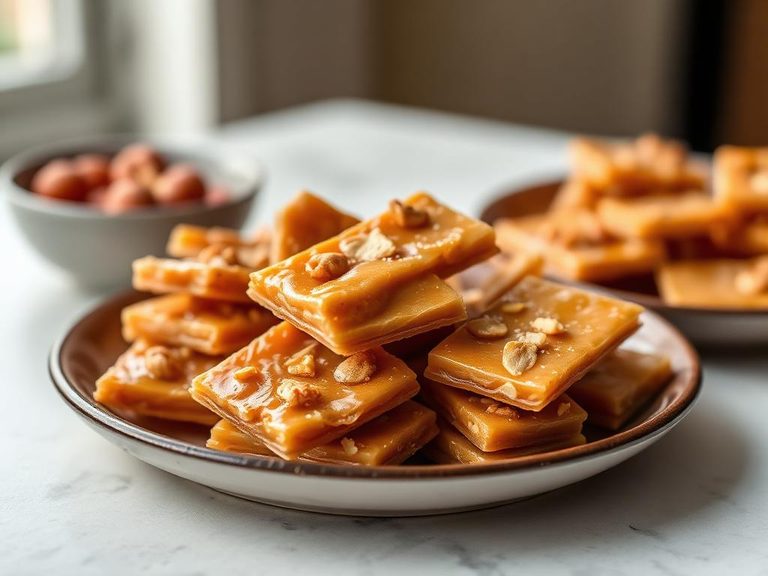
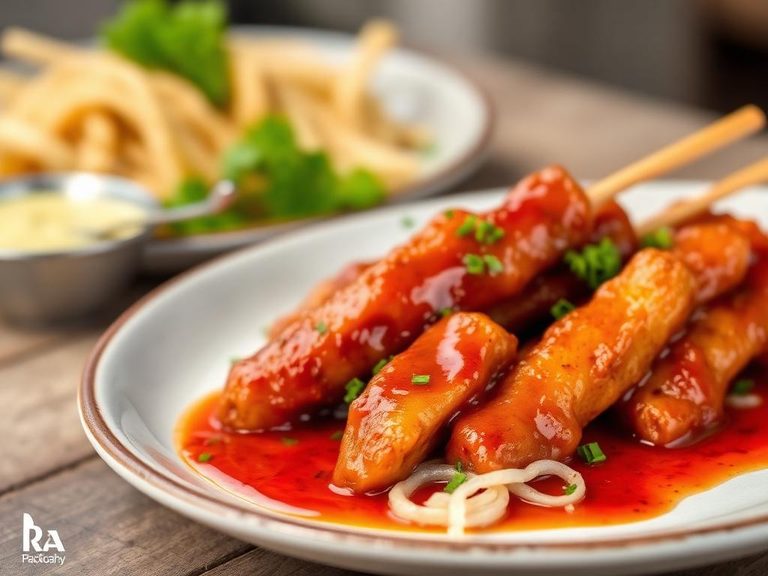
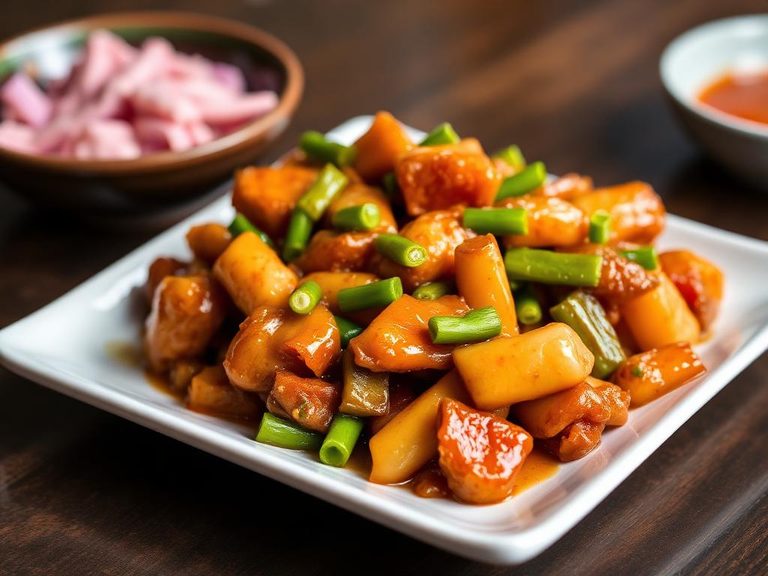
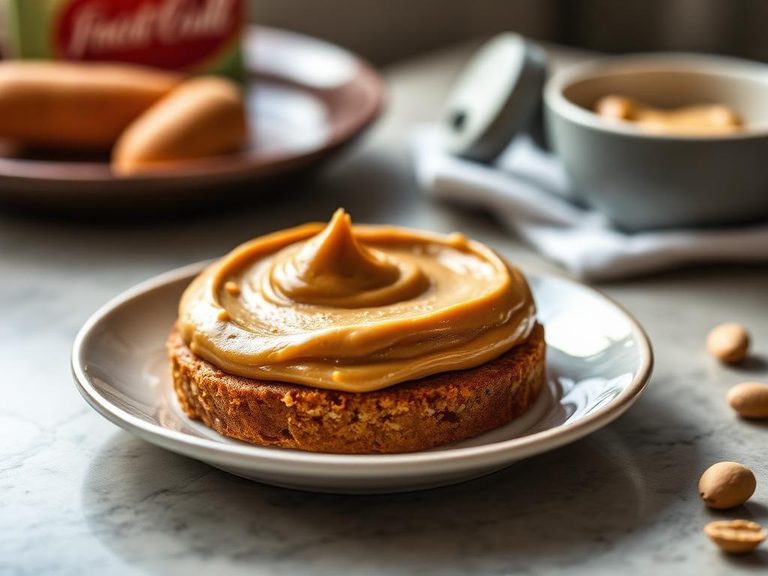
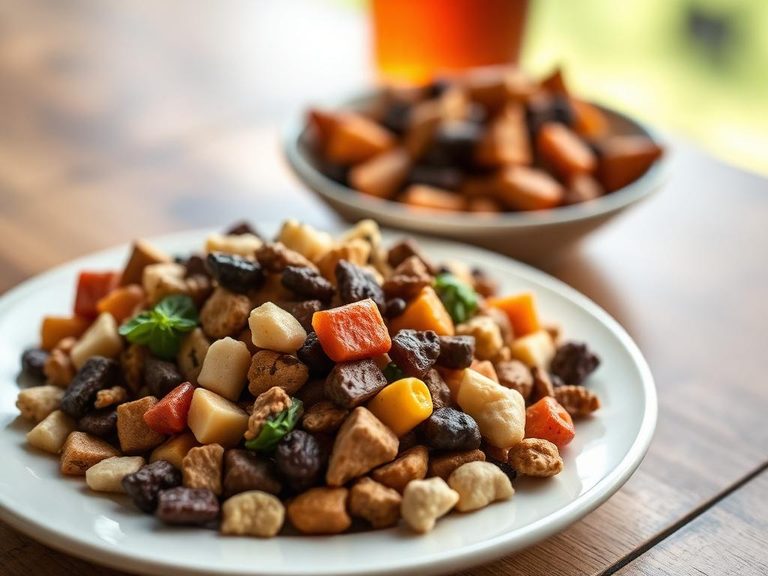
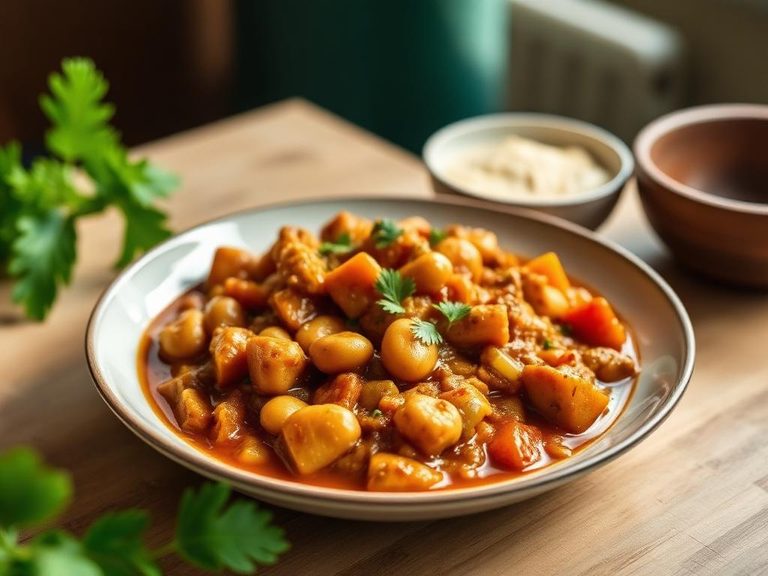
🌍 Where it's eaten
💡 Did you know?
Peanuts aren't nuts at all; they are legumes that grow underground, and their flowers actually develop into pegs that push the fruit into the soil to mature.
Full nutrition (USDA data · scales with serving)
| Water | 1.8 g |
| Energy | 587 kcal |
| Protein | 24.4 g |
| Total lipid (fat) | 49.7 g |
| Carbohydrate, by difference | 21.3 g |
| Fiber, total dietary | 8.4 g |
| Total Sugars | 4.9 g |
| Calcium, Ca | 58.0 mg |
| Iron, Fe | 1.6 mg |
| Magnesium, Mg | 178 mg |
| Phosphorus, P | 363 mg |
| Potassium, K | 634 mg |
| Sodium, Na | 6.0 mg |
| Zinc, Zn | 2.8 mg |
| Copper, Cu | 0.43 mg |
| Selenium, Se | 9.3 ug |
| Vitamin C, total ascorbic acid | 0.00 mg |
| Thiamin | 0.15 mg |
| Riboflavin | 0.20 mg |
| Niacin | 14.4 mg |
| Vitamin B-6 | 0.47 mg |
| Folate, total | 97.0 ug |
| Folic acid | 0.00 ug |
| Folate, food | 97.0 ug |
| Folate, DFE | 97.0 ug |
| Choline, total | 64.6 mg |
| Vitamin B-12 | 0.00 ug |
| Vitamin B-12, added | 0.00 ug |
| Vitamin A, RAE | 0.00 ug |
| Retinol | 0.00 ug |
| Carotene, beta | 0.00 ug |
| Carotene, alpha | 0.00 ug |
| Cryptoxanthin, beta | 0.00 ug |
| Lycopene | 0.00 ug |
| Lutein + zeaxanthin | 0.00 ug |
| Vitamin E (alpha-tocopherol) | 4.9 mg |
| Vitamin E, added | 0.00 mg |
| Vitamin D (D2 + D3) | 0.00 ug |
| Vitamin K (phylloquinone) | 0.00 ug |
| Alcohol, ethyl | 0.00 g |
| Caffeine | 0.00 mg |
| Theobromine | 0.00 mg |
Fat & fatty acid profile (per 100g)
| Fatty acids, total saturated | 7.7 g |
| SFA 4:0 | 0.00 g |
| SFA 6:0 | 0.00 g |
| SFA 8:0 | 0.00 g |
| SFA 10:0 | 0.00 g |
| SFA 12:0 | 0.00 g |
| SFA 14:0 | 0.02 g |
| SFA 16:0 | 4.0 g |
| SFA 18:0 | 1.2 g |
| Fatty acids, total monounsaturated | 26.2 g |
| MUFA 16:1 | 0.03 g |
| MUFA 18:1 | 25.4 g |
| MUFA 20:1 | 0.63 g |
| MUFA 22:1 | 0.06 g |
| Fatty acids, total polyunsaturated | 9.8 g |
| PUFA 18:2 | 9.7 g |
| PUFA 18:3 | 0.03 g |
| PUFA 18:4 | 0.00 g |
| PUFA 20:4 | 0.02 g |
| PUFA 20:5 n-3 (EPA) | 0.00 g |
| PUFA 22:5 n-3 (DPA) | 0.00 g |
| PUFA 22:6 n-3 (DHA) | 0.00 g |
| Cholesterol | 0.00 mg |
Amino acid profile (per 100g)
Estimated from Snacks, popcorn, caramel-coated, without peanuts — USDA does not publish this profile for Peanuts.
| Tryptophan | 0.04 g |
| Threonine | 0.15 g |
| Isoleucine | 0.16 g |
| Leucine | 0.28 g |
| Lysine | 0.28 g |
| Methionine | 0.07 g |
| Cystine | 0.04 g |
| Phenylalanine | 0.15 g |
| Tyrosine | 0.11 g |
| Valine | 0.18 g |
| Arginine | 0.23 g |
| Histidine | 0.11 g |
| Alanine | 0.21 g |
| Aspartic acid | 0.39 g |
| Glutamic acid | 0.66 g |
| Glycine | 0.22 g |
| Proline | 0.17 g |
| Serine | 0.16 g |
FAQ
Are dry roasted peanuts healthier than oil roasted?
Dry roasted peanuts are generally lower in total fat and calories because they don't absorb added oil during the roasting process. However, oil-roasted varieties can still be part of a healthy diet in moderation.
How should I store dry roasted peanuts to keep them fresh?
Store them in an airtight container in a cool, dark place like a pantry. For longer shelf life, you can refrigerate or freeze them to prevent the oils from going rancid.
Can I use dry roasted peanuts to make peanut butter?
Yes, dry roasted peanuts are ideal for making homemade peanut butter. Simply blend them in a food processor until smooth, and you can add a pinch of salt or a drizzle of oil if desired.
Nutrient density (calculated · NRF9.3)
Nutrient Rich Foods index: beneficial nutrients (protein, fiber, vitamins, minerals) minus saturated fat, added sugar & sodium, per 100 kcal.
NRF9.3 index — Fulgoni, Keast & Drewnowski, 2009. Computed from USDA nutrients.
Weight-loss friendliness (composite index)
Energy density 5.87 kcal/g · 17% calories from protein · 8.4 g fiber · 4.9 g sugar per 100 g.
Composite of energy density (Rolls et al., 1999), protein & fiber satiety, minus sugar. A calculated heuristic — ranks satiety-per-calorie, not a clinical measure.
Dietary load (calculated from USDA values)
Potential renal acid load. Positive = acid-forming, negative = alkaline-forming.
Sodium-to-potassium ratio: 0.01 (lower is better — aim for ≤ 1)
Sodium:potassium per WHO potassium guidance. Computed from USDA nutrients.