

Mixed nuts, without peanuts, unsalted
Common food

Photo: Wikipedia
A crunchy, savory blend of tree nuts like almonds, cashews, walnuts, and pecans, roasted without added salt to highlight their natural, buttery flavors and varied textures. Nutritionally dense, this mix is a powerhouse of healthy monounsaturated fats, plant-based protein, and dietary fiber, making it a satisfying and energy-rich snack.
Calorie split: 10% protein · 13% carbs · 77% fat
↓ Full nutrition💚 Why it's loved
People adore it for the satisfying crunch and complex, earthy flavors of the nuts, which offer a pure, unadulterated taste of nature. It's incredibly versatile, serving as a quick energy boost, a salad topper, or a base for homemade trail mixes.
⚠️ Watch-outs & how to enjoy it better
The high calorie density (over 600 kcal per 100g) can lead to overconsumption if not portion-controlled, potentially impacting weight management goals. As a common allergen, tree nuts are a serious concern for many individuals. To counteract the calorie density, use a small handful (about 1 ounce) as a serving and pair it with a piece of fruit for balanced snacking.
Key benefits
- Excellent source of heart-healthy monounsaturated and polyunsaturated fats
- Provides plant-based protein for satiety and muscle support
- High in dietary fiber to aid digestion and promote fullness
- Rich in essential minerals like magnesium, phosphorus, and copper
- Naturally low in sodium, making it a heart-friendly choice
🍽️ Popular dishes
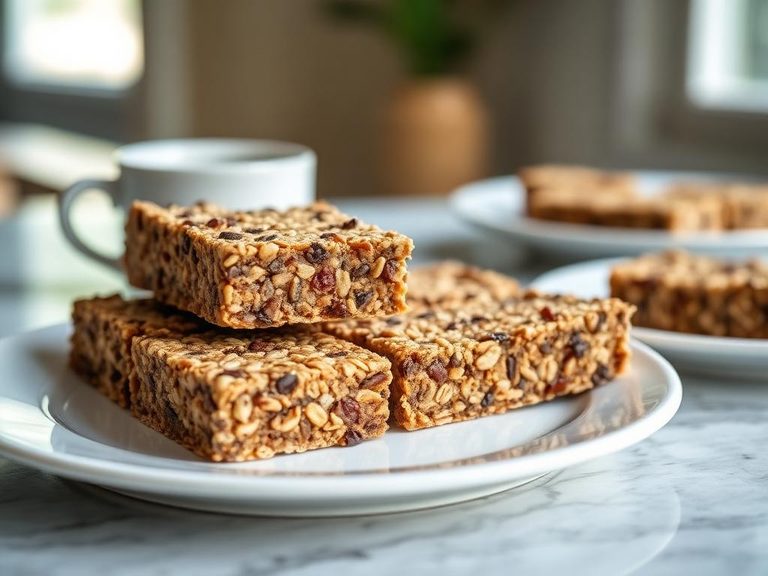

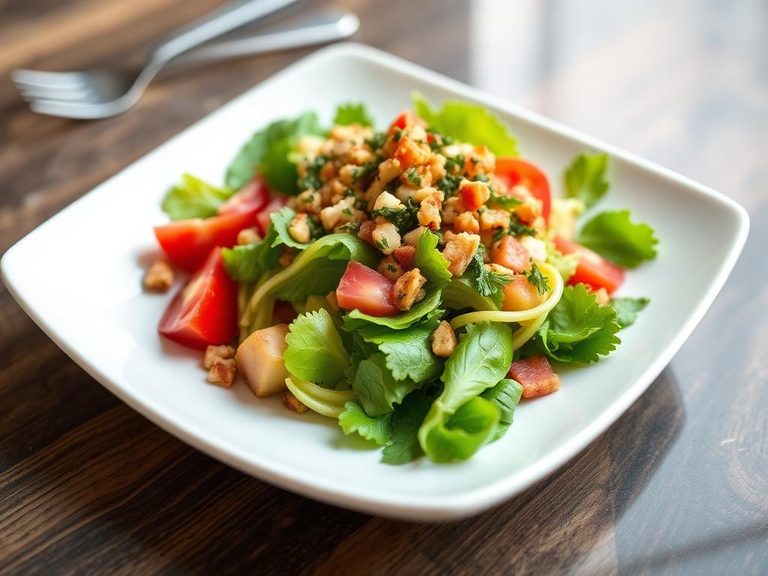
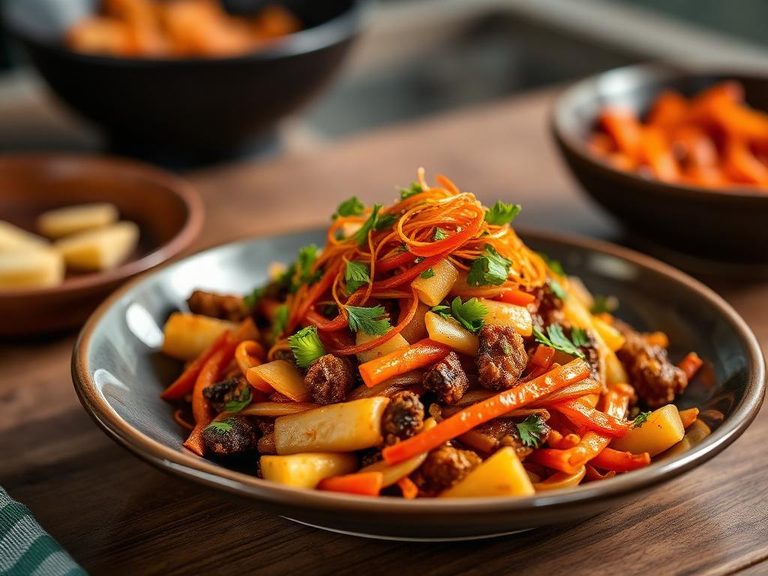

🌍 Where it's eaten
💡 Did you know?
The world's most expensive nut is the macadamia, which can be a key component in premium unsalted mixed nut blends, often accounting for a significant portion of the product's cost.
Full nutrition (USDA data · scales with serving)
| Water | 2.4 g |
| Energy | 625 kcal |
| Protein | 16.4 g |
| Total lipid (fat) | 56.0 g |
| Carbohydrate, by difference | 22.2 g |
| Fiber, total dietary | 7.0 g |
| Total Sugars | 4.5 g |
| Calcium, Ca | 133 mg |
| Iron, Fe | 4.1 mg |
| Magnesium, Mg | 229 mg |
| Phosphorus, P | 444 mg |
| Potassium, K | 615 mg |
| Sodium, Na | 6.0 mg |
| Zinc, Zn | 3.8 mg |
| Copper, Cu | 1.5 mg |
| Selenium, Se | 143 ug |
| Vitamin C, total ascorbic acid | 0.90 mg |
| Thiamin | 0.28 mg |
| Riboflavin | 0.47 mg |
| Niacin | 1.9 mg |
| Vitamin B-6 | 0.31 mg |
| Folate, total | 60.0 ug |
| Folic acid | 0.00 ug |
| Folate, food | 60.0 ug |
| Folate, DFE | 60.0 ug |
| Choline, total | 50.7 mg |
| Vitamin B-12 | 0.00 ug |
| Vitamin B-12, added | 0.00 ug |
| Vitamin A, RAE | 1.0 ug |
| Retinol | 0.00 ug |
| Carotene, beta | 15.0 ug |
| Carotene, alpha | 0.00 ug |
| Cryptoxanthin, beta | 1.0 ug |
| Lycopene | 0.00 ug |
| Lutein + zeaxanthin | 99.0 ug |
| Vitamin E (alpha-tocopherol) | 10.0 mg |
| Vitamin E, added | 0.00 mg |
| Vitamin D (D2 + D3) | 0.00 ug |
| Vitamin K (phylloquinone) | 16.1 ug |
| Alcohol, ethyl | 0.00 g |
| Caffeine | 0.00 mg |
| Theobromine | 0.00 mg |
Fat & fatty acid profile (per 100g)
| Fatty acids, total saturated | 7.2 g |
| SFA 4:0 | 0.00 g |
| SFA 6:0 | 0.00 g |
| SFA 8:0 | 0.04 g |
| SFA 10:0 | 0.04 g |
| SFA 12:0 | 0.24 g |
| SFA 14:0 | 0.12 g |
| SFA 16:0 | 4.5 g |
| SFA 18:0 | 2.0 g |
| Fatty acids, total monounsaturated | 30.0 g |
| MUFA 16:1 | 0.24 g |
| MUFA 18:1 | 29.7 g |
| MUFA 20:1 | 0.11 g |
| MUFA 22:1 | 0.00 g |
| Fatty acids, total polyunsaturated | 16.0 g |
| PUFA 18:2 | 14.8 g |
| PUFA 18:3 | 0.93 g |
| PUFA 18:4 | 0.00 g |
| PUFA 20:4 | 0.00 g |
| PUFA 20:5 n-3 (EPA) | 0.00 g |
| PUFA 22:5 n-3 (DPA) | 0.00 g |
| PUFA 22:6 n-3 (DHA) | 0.00 g |
| Cholesterol | 0.00 mg |
Amino acid profile (per 100g)
Estimated from Nuts, mixed nuts, oil roasted, with peanuts, with salt added — USDA does not publish this profile for Mixed nuts.
| Tryptophan | 0.22 g |
| Threonine | 0.70 g |
| Isoleucine | 0.83 g |
| Leucine | 1.7 g |
| Lysine | 0.78 g |
| Methionine | 0.28 g |
| Cystine | 0.29 g |
| Phenylalanine | 1.2 g |
| Tyrosine | 0.79 g |
| Valine | 1.0 g |
| Arginine | 3.0 g |
| Histidine | 0.57 g |
| Alanine | 0.98 g |
| Aspartic acid | 2.9 g |
| Glutamic acid | 5.6 g |
| Glycine | 1.4 g |
| Proline | 0.96 g |
| Serine | 1.2 g |
FAQ
Why choose unsalted over salted mixed nuts?
Unsalted nuts allow you to control your sodium intake, which is better for heart and blood pressure health. They also let the natural, distinct flavors of each nut variety shine through without being masked by salt.
How should I store them to keep them fresh?
Store them in an airtight container in a cool, dark place like a pantry for up to a month, or in the refrigerator for up to 6 months to prevent the natural oils from going rancid.
Are all nuts in the blend nutritionally similar?
While all are high in healthy fats, they differ. For example, walnuts are notably higher in omega-3 fatty acids, while almonds are a standout source of vitamin E. The blend provides a diverse nutritional profile.
Nutrient density (calculated · NRF9.3)
Nutrient Rich Foods index: beneficial nutrients (protein, fiber, vitamins, minerals) minus saturated fat, added sugar & sodium, per 100 kcal.
NRF9.3 index — Fulgoni, Keast & Drewnowski, 2009. Computed from USDA nutrients.
Weight-loss friendliness (composite index)
Energy density 6.25 kcal/g · 11% calories from protein · 7.0 g fiber · 4.5 g sugar per 100 g.
Composite of energy density (Rolls et al., 1999), protein & fiber satiety, minus sugar. A calculated heuristic — ranks satiety-per-calorie, not a clinical measure.
Dietary load (calculated from USDA values)
Potential renal acid load. Positive = acid-forming, negative = alkaline-forming.
Sodium-to-potassium ratio: 0.01 (lower is better — aim for ≤ 1)
Sodium:potassium per WHO potassium guidance. Computed from USDA nutrients.