

Baked good inclusion
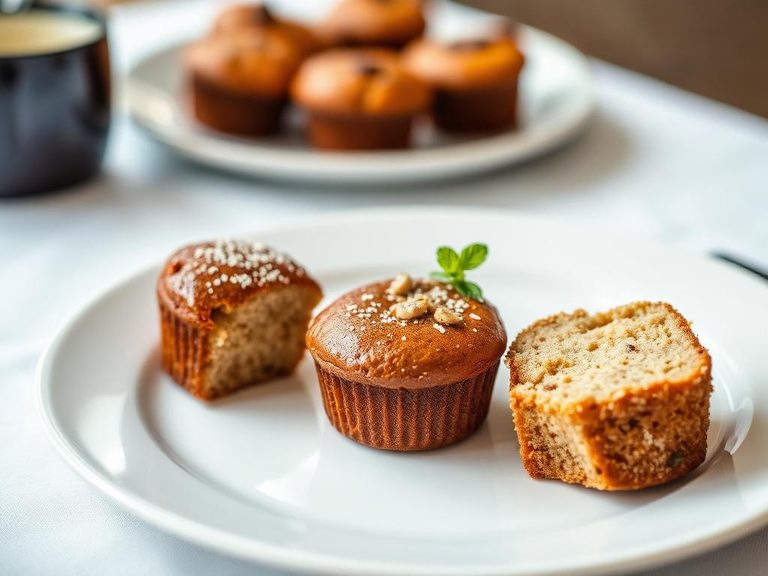
Baked goods are a broad category of foods prepared by baking, typically involving flour, sugar, eggs, and fat as core ingredients. They range from simple breads and cookies to elaborate cakes and pastries, with origins tracing back to ancient civilizations. The term 'inclusion' here refers to the practice of adding extra ingredients like nuts, fruits, or chocolate chips to the base dough or batter.
🍽️ Nutrition at a glance
These items are generally high in carbohydrates and fats, with moderate protein if eggs or nuts are included. They provide quick energy, along with some B vitamins, iron, and dietary fiber, especially if whole grains or oats are used. A typical serving can range from about 150 to 400 calories, depending on the specific type and size.
Nutrition breakdown
| Calories | 350 kcal |
| Protein | 6 g |
| Carbs | 52 g |
| Fat | 14 g |
| Fiber | 2 g |
| Sugar | 28 g |
| Sodium | 310 mg |
| Iron | 2.5 mg |
| Thiamin (B1) | 0.3 mg |
| Folate | 60 mcg |
| Calcium | 90 mg |
| Potassium | 150 mg |
| Phosphorus | 120 mg |
| Magnesium | 25 mg |
| Manganese | 0.4 mg |
Per 1 medium muffin with blueberries (113 g) · estimated, varies by recipe
💡 What's interesting
Culturally, baked goods are central to celebrations and daily rituals worldwide, from French croissants to Chinese mooncakes. Nutritionally, the 'inclusion' of add-ins like walnuts or berries can significantly boost the fiber, antioxidant, and healthy fat content of an otherwise simple carb-based treat.
🍽️ Related dishes






AI estimate may be inaccurate · Terms