

Baked goods inclusion
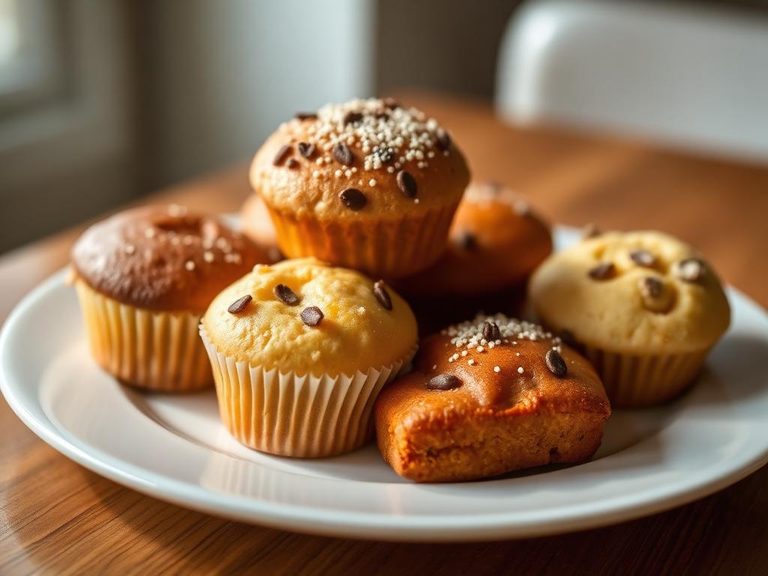
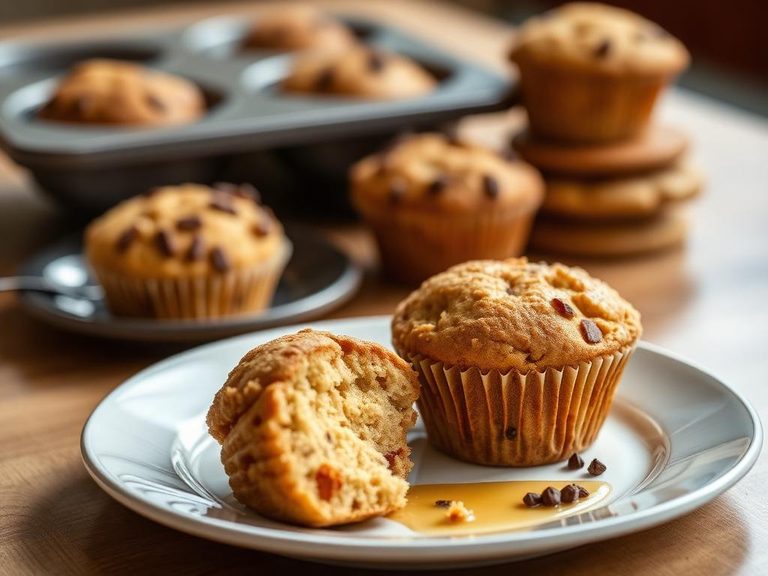
Baked goods inclusion refers to the practice of adding various ingredients like fruits, nuts, seeds, chocolate, or spices into doughs and batters before baking. This technique is fundamental to creating items like fruitcakes, nut breads, and chocolate chip cookies, and is found in baking traditions worldwide.
🍽️ Nutrition at a glance
These items are typically high in carbohydrates and fats, with protein content varying based on additions like nuts or eggs. They provide quick energy and key nutrients like iron from flour and healthy fats from nuts, with a typical serving ranging from 200 to 500 calories.
Nutrition breakdown
| Calories | 350 kcal |
| Protein | 5 g |
| Carbs | 45 g |
| Fat | 17 g |
| Fiber | 2 g |
| Sugar | 22 g |
| Sodium | 280 mg |
| Iron | 2 mg |
| Thiamin (B1) | 0.2 mg |
| Folate | 40 mcg |
| Magnesium | 20 mg |
| Phosphorus | 60 mg |
| Selenium | 10 mcg |
| Manganese | 0.3 mg |
| Copper | 0.1 mg |
Per 1 medium slice (100 g) · estimated, varies by recipe
💡 What's interesting
The practice of 'inclusion' transforms basic dough into a vehicle for seasonal, cultural, and personal expression, turning a simple staple into a celebratory treat. Nutritionally, inclusions can significantly alter a baked good's profile, adding fiber, vitamins, or antioxidants that the base recipe lacks.
🍽️ Related dishes
AI estimate may be inaccurate · Terms