

Papaya, canned
Common food

Photo: Wikipedia
Canned papaya offers the tropical fruit's signature sweet, musky flavor and soft, melt-in-your-mouth texture year-round, preserved in a light syrup. It's a convenient source of the antioxidant beta-carotene and digestive enzymes, though the canning process adds sugar and reduces some heat-sensitive nutrients.
Calorie split: 3% protein · 94% carbs · 3% fat
↓ Full nutrition💚 Why it's loved
People love it for its intensely sweet, floral flavor and velvety texture, which requires no preparation. It's a nostalgic comfort food in many cultures and a versatile ingredient in both sweet and savory dishes.
⚠️ Watch-outs & how to enjoy it better
The primary downside is the added sugar from the syrup, which can cause blood sugar spikes, especially for those managing diabetes. To counteract this, choose 'in juice' or 'in water' varieties, rinse the slices, and pair with protein or fat (like yogurt or nuts) to slow sugar absorption.
Key benefits
- Rich in beta-carotene, converted to vitamin A for eye health.
- Contains papain, an enzyme that may aid protein digestion.
- Provides a quick source of energy from natural and added sugars.
- Offers dietary fiber to support digestive regularity.
- A convenient, shelf-stable way to consume fruit year-round.
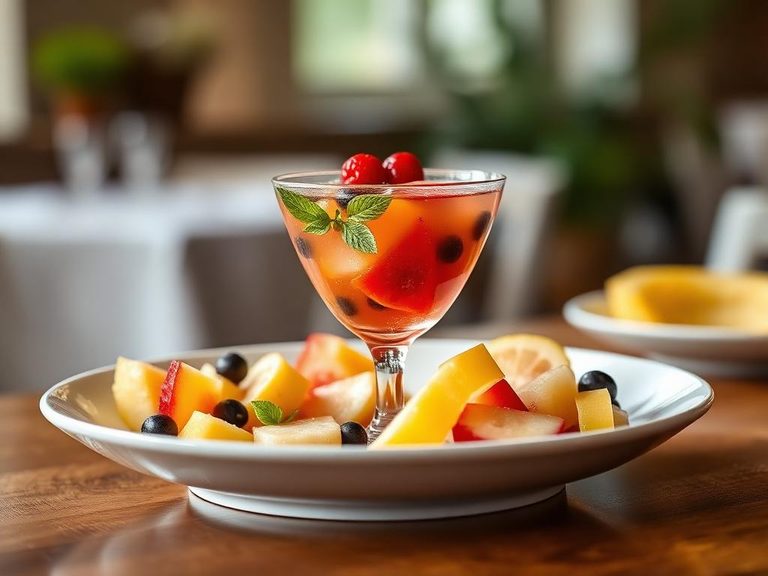
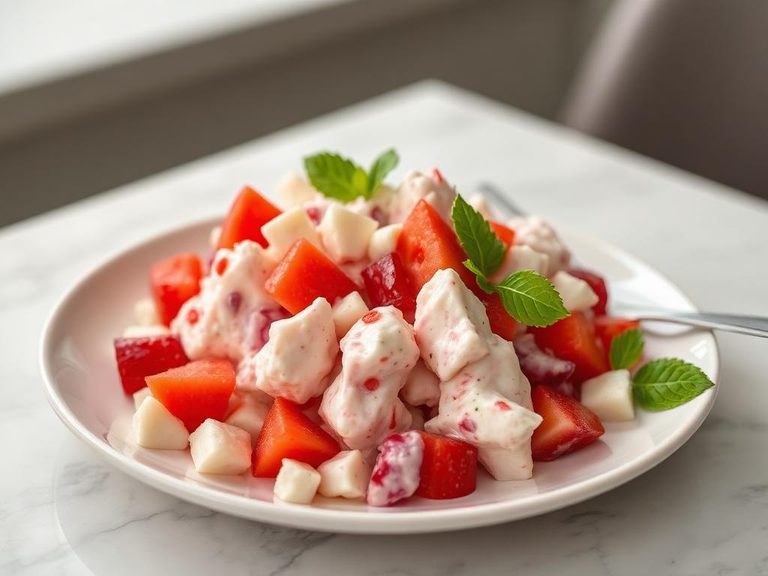
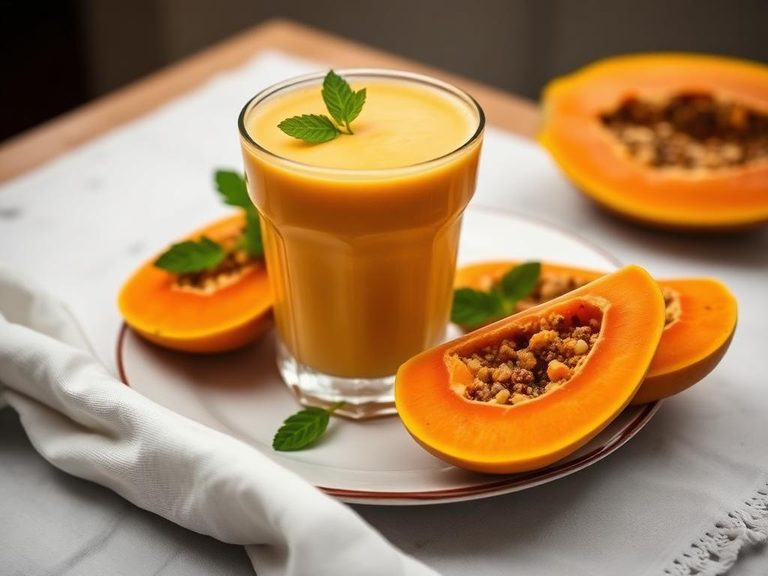
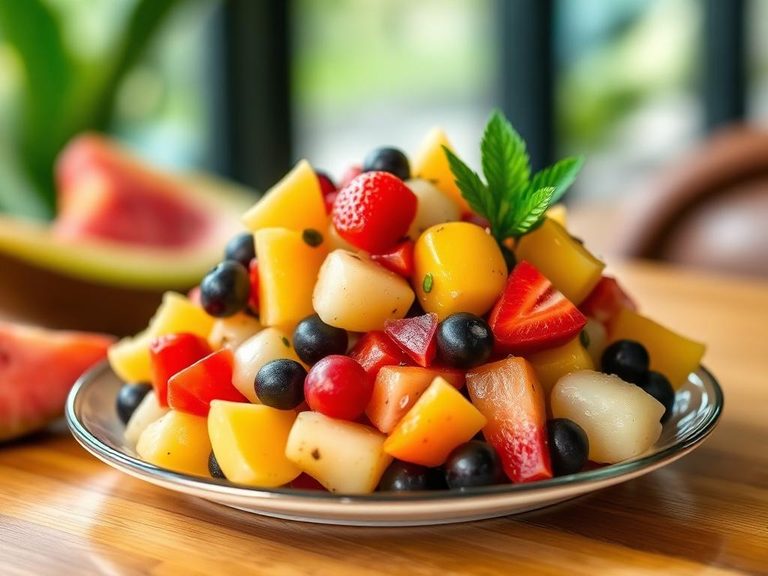
🍽️ Popular dishes
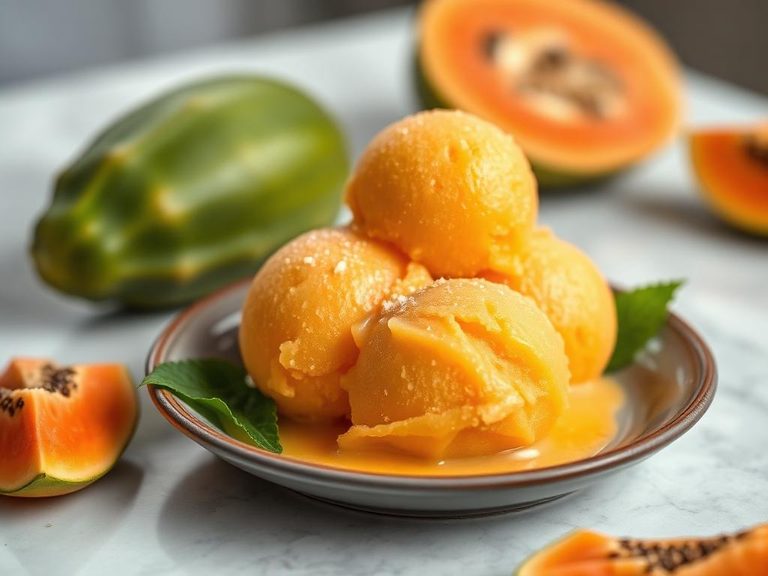
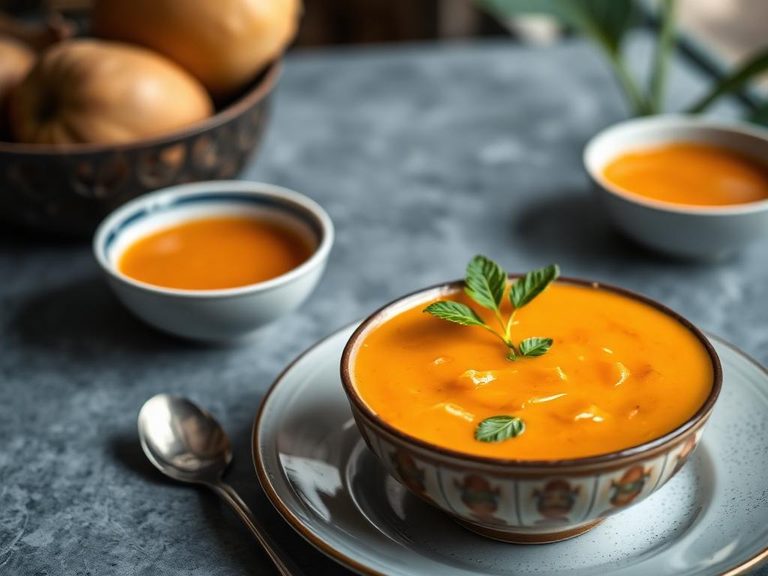
🌍 Where it's eaten
💡 Did you know?
The enzyme papain, found in papaya, is so effective at breaking down proteins that it's used commercially as a meat tenderizer and in some chewing gum.
Full nutrition (USDA data · scales with serving)
| Water | 86.0 g |
| Energy | 52.0 kcal |
| Protein | 0.35 g |
| Total lipid (fat) | 0.21 g |
| Carbohydrate, by difference | 13.1 g |
| Fiber, total dietary | 1.3 g |
| Total Sugars | 10.9 g |
| Calcium, Ca | 15.0 mg |
| Iron, Fe | 0.19 mg |
| Magnesium, Mg | 16.0 mg |
| Phosphorus, P | 8.0 mg |
| Potassium, K | 123 mg |
| Sodium, Na | 7.0 mg |
| Zinc, Zn | 0.06 mg |
| Copper, Cu | 0.03 mg |
| Selenium, Se | 0.50 ug |
| Vitamin C, total ascorbic acid | 36.5 mg |
| Thiamin | 0.01 mg |
| Riboflavin | 0.02 mg |
| Niacin | 0.24 mg |
| Vitamin B-6 | 0.03 mg |
| Folate, total | 17.0 ug |
| Folic acid | 0.00 ug |
| Folate, food | 17.0 ug |
| Folate, DFE | 17.0 ug |
| Choline, total | 4.6 mg |
| Vitamin B-12 | 0.00 ug |
| Vitamin B-12, added | 0.00 ug |
| Vitamin A, RAE | 30.0 ug |
| Retinol | 0.00 ug |
| Carotene, beta | 175 ug |
| Carotene, alpha | 1.0 ug |
| Cryptoxanthin, beta | 375 ug |
| Lycopene | 1165 ug |
| Lutein + zeaxanthin | 57.0 ug |
| Vitamin E (alpha-tocopherol) | 0.22 mg |
| Vitamin E, added | 0.00 mg |
| Vitamin D (D2 + D3) | 0.00 ug |
| Vitamin K (phylloquinone) | 2.0 ug |
| Alcohol, ethyl | 0.00 g |
| Caffeine | 0.00 mg |
| Theobromine | 0.00 mg |
Fat & fatty acid profile (per 100g)
| Fatty acids, total saturated | 0.06 g |
| SFA 4:0 | 0.00 g |
| SFA 6:0 | 0.00 g |
| SFA 8:0 | 0.00 g |
| SFA 10:0 | 0.00 g |
| SFA 12:0 | 0.00 g |
| SFA 14:0 | 0.01 g |
| SFA 16:0 | 0.04 g |
| SFA 18:0 | 0.00 g |
| Fatty acids, total monounsaturated | 0.05 g |
| MUFA 16:1 | 0.03 g |
| MUFA 18:1 | 0.03 g |
| MUFA 20:1 | 0.00 g |
| MUFA 22:1 | 0.00 g |
| Fatty acids, total polyunsaturated | 0.04 g |
| PUFA 18:2 | 0.01 g |
| PUFA 18:3 | 0.04 g |
| PUFA 18:4 | 0.00 g |
| PUFA 20:4 | 0.00 g |
| PUFA 20:5 n-3 (EPA) | 0.00 g |
| PUFA 22:5 n-3 (DPA) | 0.00 g |
| PUFA 22:6 n-3 (DHA) | 0.00 g |
| Cholesterol | 0.00 mg |
Amino acid profile (per 100g)
Estimated from Papayas, raw — USDA does not publish this profile for Papaya.
| Tryptophan | 0.01 g |
| Threonine | 0.01 g |
| Isoleucine | 0.01 g |
| Leucine | 0.02 g |
| Lysine | 0.03 g |
| Methionine | 0.00 g |
| Phenylalanine | 0.01 g |
| Tyrosine | 0.01 g |
| Valine | 0.01 g |
| Arginine | 0.01 g |
| Histidine | 0.01 g |
| Alanine | 0.01 g |
| Aspartic acid | 0.05 g |
| Glutamic acid | 0.03 g |
| Glycine | 0.02 g |
| Proline | 0.01 g |
| Serine | 0.01 g |
FAQ
Is canned papaya as healthy as fresh?
It retains fiber and some minerals but loses heat-sensitive vitamins like C. The main nutritional difference is the added sugar from syrup; 'in juice' or 'in water' options are healthier choices.
Can I use the canning liquid?
The syrup is high in sugar. You can use it in cocktails, salad dressings, or to sweeten oatmeal, but for lower sugar, drain and rinse the papaya.
How do I store leftovers?
Transfer any unused papaya and its liquid to a sealed container and refrigerate. Use within 3-4 days for best quality.
Nutrient density (calculated · NRF9.3)
Nutrient Rich Foods index: beneficial nutrients (protein, fiber, vitamins, minerals) minus saturated fat, added sugar & sodium, per 100 kcal.
NRF9.3 index — Fulgoni, Keast & Drewnowski, 2009. Computed from USDA nutrients.
Weight-loss friendliness (composite index)
Energy density 0.52 kcal/g · 3% calories from protein · 1.3 g fiber · 10.9 g sugar per 100 g.
Composite of energy density (Rolls et al., 1999), protein & fiber satiety, minus sugar. A calculated heuristic — ranks satiety-per-calorie, not a clinical measure.
Dietary load (calculated from USDA values)
Potential renal acid load. Positive = acid-forming, negative = alkaline-forming.
Sodium-to-potassium ratio: 0.06 (lower is better — aim for ≤ 1)
Sodium:potassium per WHO potassium guidance. Computed from USDA nutrients.