

Orange peel, raw
Whole food · Fruits and Fruit Juices

Photo: Wikipedia
Orange peel is the vibrant, aromatic outer rind of the orange fruit, prized for its intense citrus flavor and slightly chewy, fibrous texture. It is a nutritional powerhouse, exceptionally high in dietary fiber (over 10g per 100g) and packed with vitamin C and antioxidants like flavonoids. Its taste is a concentrated burst of zesty, bitter-sweet citrus oil, far more potent than the flesh itself.
Calorie split: 6% protein · 93% carbs · 2% fat
↓ Full nutrition💚 Why it's loved
People love orange peel for its incomparable ability to add deep, complex citrus aroma and flavor to both sweet and savory dishes. It's a versatile ingredient in global cuisines, from candied treats to spice blends, valued for transforming simple recipes with its bright, fragrant punch.
⚠️ Watch-outs & how to enjoy it better
The peel can be quite bitter and tough if not prepared properly, which may be off-putting to some. Its high fiber content, while beneficial, could cause digestive discomfort in very large quantities for sensitive individuals. To counteract bitterness, it's often blanched, zested (avoiding the white pith), or candied. For digestive ease, start with small amounts and ensure thorough chewing.
Key benefits
- Exceptionally high in dietary fiber, aiding digestion and promoting satiety.
- Rich source of vitamin C and powerful antioxidants like hesperidin.
- Contains essential oils like limonene, which contribute to its aroma and potential health properties.
- Low in calories and fat, making it a nutrient-dense flavor enhancer.
- Traditional use in supporting digestive comfort and freshening breath.
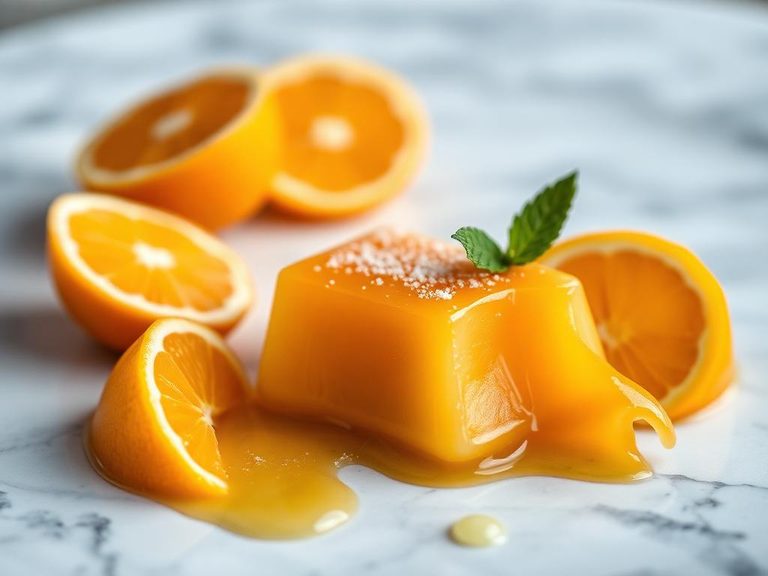
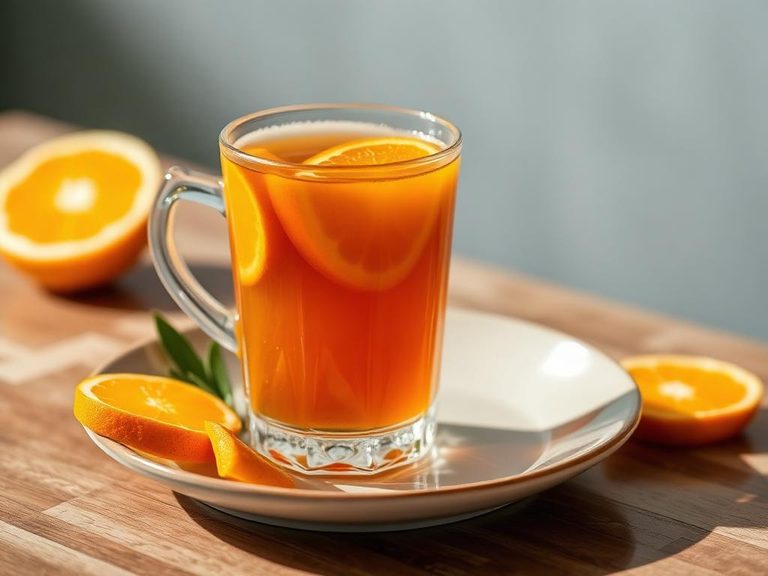
🍽️ Popular dishes
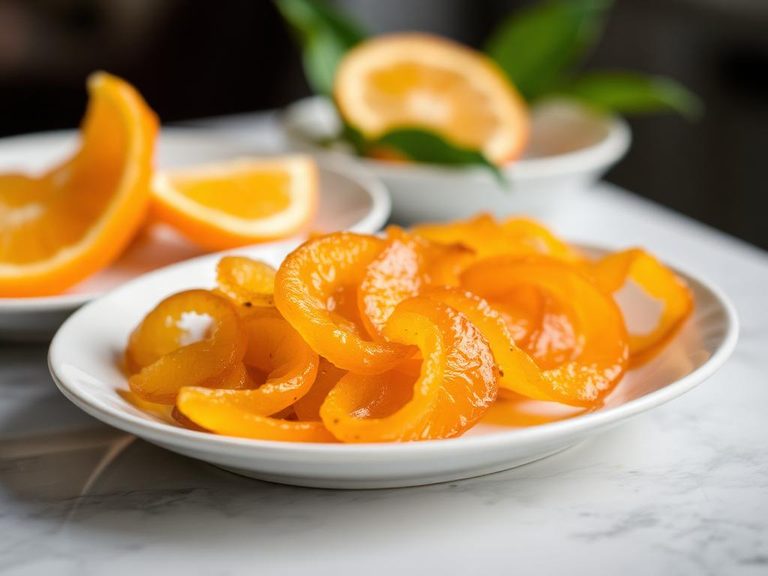
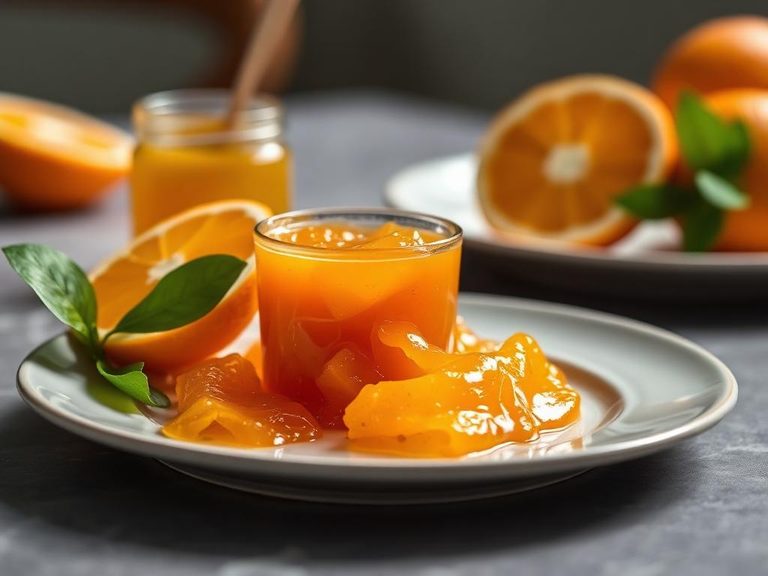
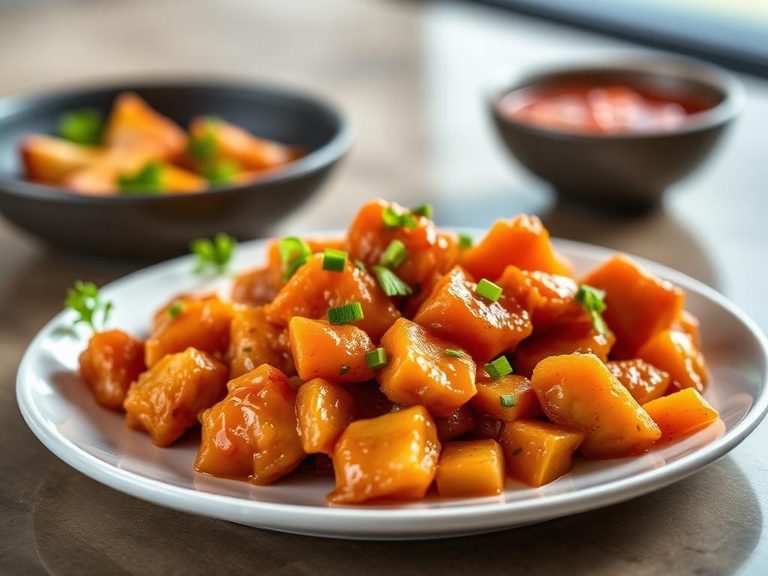
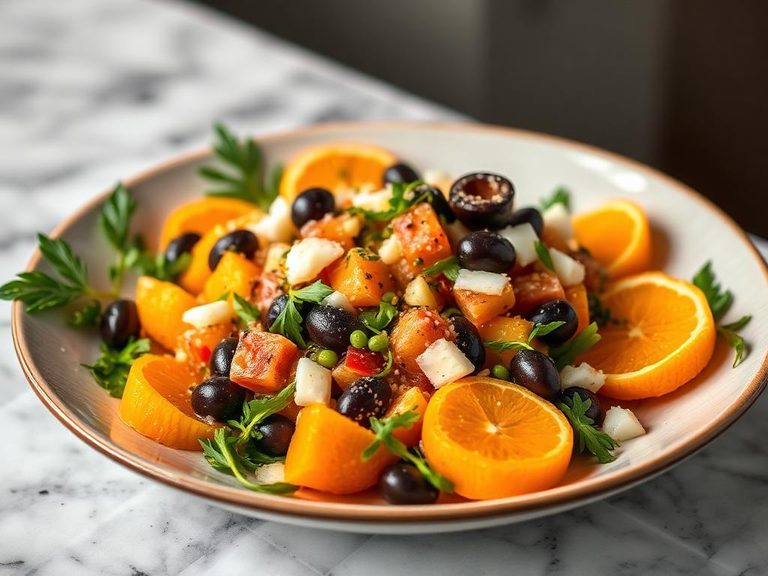
🌍 Where it's eaten
💡 Did you know?
The white, spongy pith between the colorful outer peel and the fruit flesh contains even more fiber and the potent antioxidant hesperidin than the zest itself, though it's often discarded due to its bitterness.
Full nutrition (USDA data · scales with serving)
| Water | 72.5 g |
| Energy | 97.0 kcal |
| Energy | 405 kj |
| Protein | 1.5 g |
| Total lipid (fat) | 0.20 g |
| Ash | 0.80 g |
| Carbohydrate, by difference | 25.0 g |
| Fiber, total dietary | 10.6 g |
| Calcium, Ca | 161 mg |
| Iron, Fe | 0.80 mg |
| Magnesium, Mg | 22.0 mg |
| Phosphorus, P | 21.0 mg |
| Potassium, K | 212 mg |
| Sodium, Na | 3.0 mg |
| Zinc, Zn | 0.25 mg |
| Copper, Cu | 0.09 mg |
| Selenium, Se | 1.0 ug |
| Vitamin C, total ascorbic acid | 136 mg |
| Thiamin | 0.12 mg |
| Riboflavin | 0.09 mg |
| Niacin | 0.90 mg |
| Pantothenic acid | 0.49 mg |
| Vitamin B-6 | 0.18 mg |
| Folate, total | 30.0 ug |
| Folic acid | 0.00 ug |
| Folate, food | 30.0 ug |
| Folate, DFE | 30.0 ug |
| Vitamin B-12 | 0.00 ug |
| Vitamin B-12, added | 0.00 ug |
| Vitamin A, RAE | 21.0 ug |
| Retinol | 0.00 ug |
| Vitamin A, IU | 420 iu |
| Vitamin E (alpha-tocopherol) | 0.25 mg |
| Vitamin E, added | 0.00 mg |
| Alcohol, ethyl | 0.00 g |
Fat & fatty acid profile (per 100g)
| Fatty acids, total saturated | 0.02 g |
| SFA 4:0 | 0.00 g |
| SFA 6:0 | 0.00 g |
| SFA 8:0 | 0.00 g |
| SFA 10:0 | 0.00 g |
| SFA 12:0 | 0.00 g |
| SFA 14:0 | 0.00 g |
| SFA 16:0 | 0.02 g |
| SFA 18:0 | 0.00 g |
| Fatty acids, total monounsaturated | 0.04 g |
| MUFA 16:1 | 0.01 g |
| MUFA 18:1 | 0.03 g |
| MUFA 20:1 | 0.00 g |
| MUFA 22:1 | 0.00 g |
| Fatty acids, total polyunsaturated | 0.04 g |
| PUFA 18:2 | 0.03 g |
| PUFA 18:3 | 0.01 g |
| PUFA 18:4 | 0.00 g |
| PUFA 20:4 | 0.00 g |
| PUFA 20:5 n-3 (EPA) | 0.00 g |
| PUFA 22:5 n-3 (DPA) | 0.00 g |
| PUFA 22:6 n-3 (DHA) | 0.00 g |
| Fatty acids, total trans | 0.00 g |
| Cholesterol | 0.00 mg |
| Phytosterols | 34.0 mg |
Amino acid profile (per 100g)
Estimated from Oranges, raw, with peel — USDA does not publish this profile for Orange peel.
| Tryptophan | 0.01 g |
| Threonine | 0.02 g |
| Isoleucine | 0.04 g |
| Leucine | 0.03 g |
| Lysine | 0.07 g |
| Methionine | 0.03 g |
| Cystine | 0.01 g |
| Phenylalanine | 0.04 g |
| Tyrosine | 0.02 g |
| Valine | 0.06 g |
| Arginine | 0.09 g |
| Histidine | 0.02 g |
| Alanine | 0.07 g |
| Aspartic acid | 0.16 g |
| Glutamic acid | 0.13 g |
| Glycine | 0.13 g |
| Proline | 0.06 g |
| Serine | 0.04 g |
FAQ
Can you eat orange peel raw?
Yes, you can eat it raw, but it's tough and very bitter. It's most commonly used cooked, candied, zested, or dried and ground into a powder for easier consumption and better flavor integration.
How do I remove the bitter taste?
The bitterness comes primarily from the white pith. To reduce it, blanch the peel in boiling water for a minute or two, then shock in ice water. Repeating this process helps. When zesting, use only the colorful outer layer, carefully avoiding the pith.
Is orange peel a common allergen?
Orange peel is not a common allergen. However, some individuals with citrus allergies may react to it. Those with oral allergy syndrome might experience mild itching. As with any new food, introduce it in small amounts.
Nutrient density (calculated · NRF9.3)
Nutrient Rich Foods index: beneficial nutrients (protein, fiber, vitamins, minerals) minus saturated fat, added sugar & sodium, per 100 kcal.
NRF9.3 index — Fulgoni, Keast & Drewnowski, 2009. Computed from USDA nutrients.
Weight-loss friendliness (composite index)
Energy density 0.97 kcal/g · 6% calories from protein · 10.6 g fiber · 0.0 g sugar per 100 g.
Composite of energy density (Rolls et al., 1999), protein & fiber satiety, minus sugar. A calculated heuristic — ranks satiety-per-calorie, not a clinical measure.
Dietary load (calculated from USDA values)
Potential renal acid load. Positive = acid-forming, negative = alkaline-forming.
Sodium-to-potassium ratio: 0.01 (lower is better — aim for ≤ 1)
Sodium:potassium per WHO potassium guidance. Computed from USDA nutrients.