

Orange juice, 100%, NFS
Common food
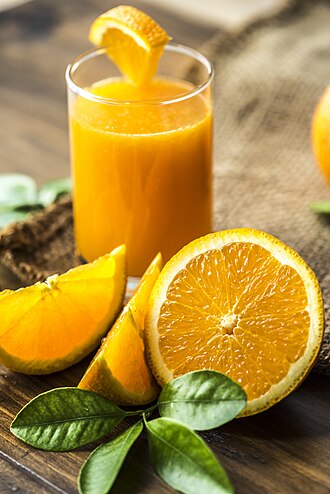
Photo: Wikipedia
This is the pure, unadulterated juice of oranges, with no added sugars or water. It offers a bright, tangy-sweet flavor with a smooth, slightly pulpy texture that's refreshing and vibrant. Nutritionally, it's a concentrated source of natural sugars and a notable hit of Vitamin C.
Calorie split: 7% protein · 87% carbs · 7% fat
↓ Full nutrition💚 Why it's loved
People adore its classic, sunshiny flavor that's both sweet and tart, evoking feelings of freshness and vitality. It's a beloved, versatile staple—perfect on its own, as a breakfast companion, or as a base for cocktails and mocktails.
⚠️ Watch-outs & how to enjoy it better
Its high natural sugar content can cause rapid blood-sugar spikes, making portion control important for those managing diabetes or insulin sensitivity. To counteract this, pair it with a source of protein or healthy fat (like nuts or yogurt) to slow sugar absorption, or dilute it with sparkling water.
Key benefits
- Excellent source of immune-supporting Vitamin C.
- Provides quick, natural energy from fruit sugars.
- Contains potassium for heart and muscle function.
- Offers hydration with a flavorful alternative to water.
🍽️ Popular dishes

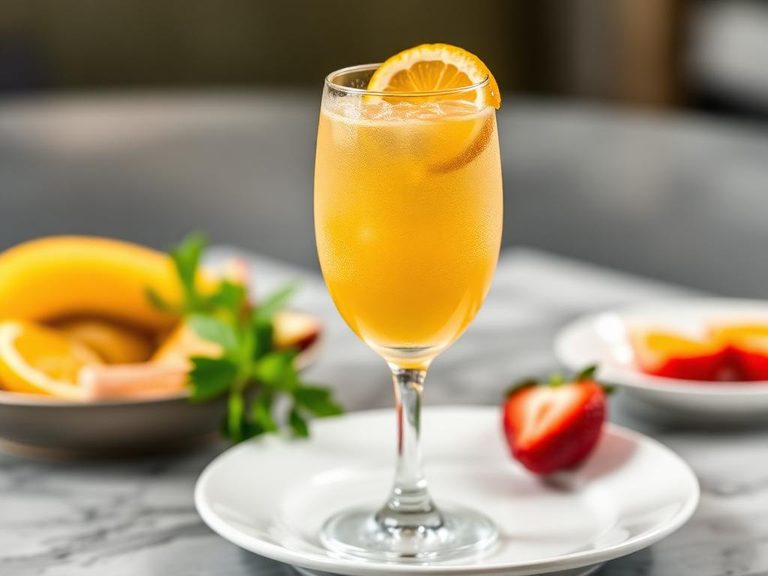
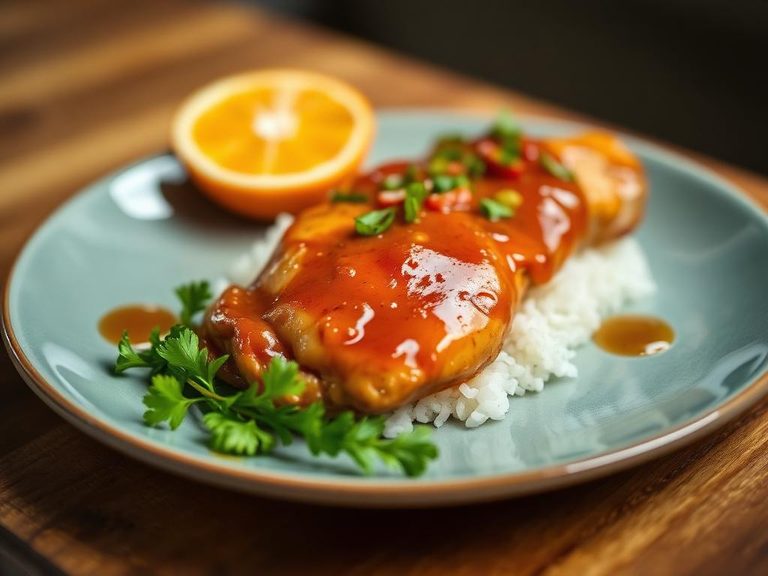
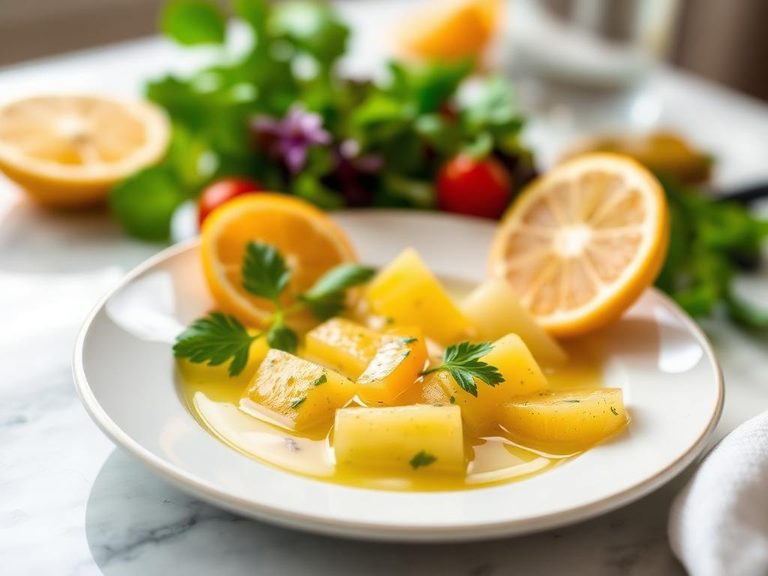
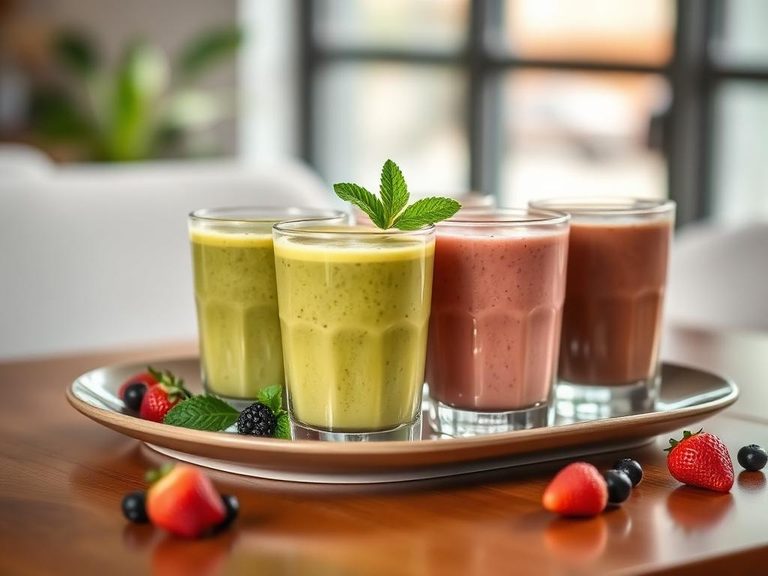
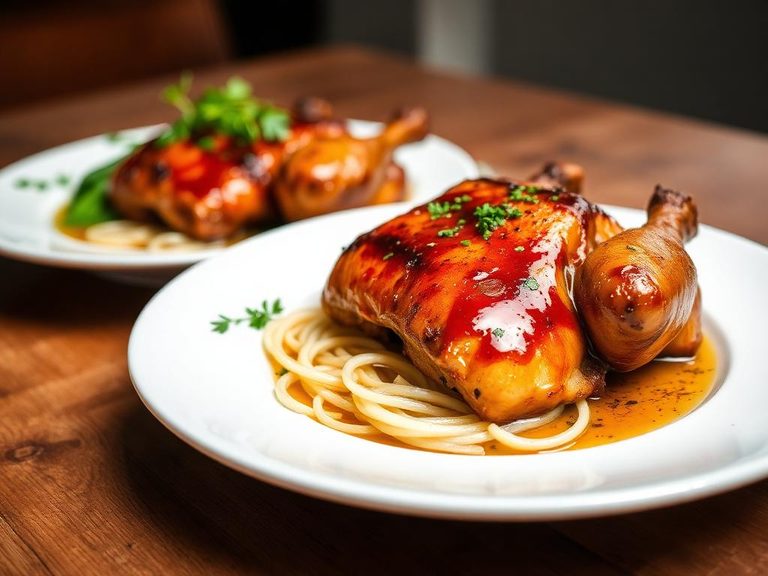
🌍 Where it's eaten
💡 Did you know?
The process of making 'Not From Concentrate' (NFS) orange juice involves de-aerating the juice to remove oxygen, which allows it to be stored for up to a year without spoiling. Flavor packs, derived from orange essence and oils, are then added back to restore the fresh taste.
Full nutrition (USDA data · scales with serving)
| Water | 88.4 g |
| Energy | 47.0 kcal |
| Protein | 0.77 g |
| Total lipid (fat) | 0.34 g |
| Carbohydrate, by difference | 10.2 g |
| Fiber, total dietary | 0.30 g |
| Total Sugars | 8.2 g |
| Calcium, Ca | 56.0 mg |
| Iron, Fe | 0.06 mg |
| Magnesium, Mg | 10.0 mg |
| Phosphorus, P | 18.0 mg |
| Potassium, K | 181 mg |
| Sodium, Na | 2.0 mg |
| Zinc, Zn | 0.03 mg |
| Copper, Cu | 0.03 mg |
| Selenium, Se | 0.10 ug |
| Vitamin C, total ascorbic acid | 28.7 mg |
| Thiamin | 0.07 mg |
| Riboflavin | 0.04 mg |
| Niacin | 0.03 mg |
| Vitamin B-6 | 0.04 mg |
| Folate, total | 29.0 ug |
| Folic acid | 0.00 ug |
| Folate, food | 29.0 ug |
| Folate, DFE | 29.0 ug |
| Choline, total | 6.2 mg |
| Vitamin B-12 | 0.00 ug |
| Vitamin B-12, added | 0.00 ug |
| Vitamin A, RAE | 2.0 ug |
| Retinol | 0.00 ug |
| Carotene, beta | 8.0 ug |
| Carotene, alpha | 8.0 ug |
| Cryptoxanthin, beta | 27.0 ug |
| Lycopene | 0.00 ug |
| Lutein + zeaxanthin | 27.0 ug |
| Vitamin E (alpha-tocopherol) | 0.20 mg |
| Vitamin E, added | 0.00 mg |
| Vitamin D (D2 + D3) | 0.40 ug |
| Vitamin K (phylloquinone) | 0.00 ug |
| Alcohol, ethyl | 0.00 g |
| Caffeine | 0.00 mg |
| Theobromine | 0.00 mg |
Fat & fatty acid profile (per 100g)
| Fatty acids, total saturated | 0.01 g |
| SFA 4:0 | 0.00 g |
| SFA 6:0 | 0.00 g |
| SFA 8:0 | 0.00 g |
| SFA 10:0 | 0.00 g |
| SFA 12:0 | 0.00 g |
| SFA 14:0 | 0.00 g |
| SFA 16:0 | 0.01 g |
| SFA 18:0 | 0.00 g |
| Fatty acids, total monounsaturated | 0.02 g |
| MUFA 16:1 | 0.00 g |
| MUFA 18:1 | 0.02 g |
| MUFA 20:1 | 0.00 g |
| MUFA 22:1 | 0.00 g |
| Fatty acids, total polyunsaturated | 0.03 g |
| PUFA 18:2 | 0.02 g |
| PUFA 18:3 | 0.01 g |
| PUFA 18:4 | 0.00 g |
| PUFA 20:4 | 0.00 g |
| PUFA 20:5 n-3 (EPA) | 0.00 g |
| PUFA 22:5 n-3 (DPA) | 0.00 g |
| PUFA 22:6 n-3 (DHA) | 0.00 g |
| Cholesterol | 0.00 mg |
Amino acid profile (per 100g)
Estimated from Beverages, Orange drink, breakfast type, with juice and pulp, frozen concentrate — USDA does not publish this profile for Orange juice.
| Tryptophan | 0.00 g |
| Threonine | 0.00 g |
| Isoleucine | 0.00 g |
| Leucine | 0.01 g |
| Lysine | 0.01 g |
| Methionine | 0.00 g |
| Cystine | 0.00 g |
| Phenylalanine | 0.01 g |
| Tyrosine | 0.00 g |
| Valine | 0.01 g |
| Arginine | 0.03 g |
| Histidine | 0.00 g |
| Alanine | 0.01 g |
| Aspartic acid | 0.04 g |
| Glutamic acid | 0.02 g |
| Glycine | 0.01 g |
| Proline | 0.02 g |
| Serine | 0.01 g |
FAQ
What does '100%, NFS' mean on a juice label?
It stands for '100% Juice, Not From Concentrate.' This means the juice was squeezed from the fruit and packaged without first being reduced to a concentrate and later reconstituted with water.
Is the sugar in orange juice the same as in soda?
While both are simple sugars, the sugar in 100% orange juice is naturally occurring fructose from the fruit. It comes packaged with vitamins, minerals, and phytonutrients, unlike the 'added sugars' in soda. However, your body metabolizes the free sugars in juice similarly, so moderation is key.
Why does my carton of orange juice sometimes taste different?
Even 'not from concentrate' juice can vary in taste due to the natural variation in orange crops from different harvest seasons and regions. The de-aeration and flavor-packing process aims for consistency, but subtle differences in the source fruit can still come through.
Nutrient density (calculated · NRF9.3)
Nutrient Rich Foods index: beneficial nutrients (protein, fiber, vitamins, minerals) minus saturated fat, added sugar & sodium, per 100 kcal.
NRF9.3 index — Fulgoni, Keast & Drewnowski, 2009. Computed from USDA nutrients.
Weight-loss friendliness (composite index)
Energy density 0.47 kcal/g · 7% calories from protein · 0.3 g fiber · 8.2 g sugar per 100 g.
Composite of energy density (Rolls et al., 1999), protein & fiber satiety, minus sugar. A calculated heuristic — ranks satiety-per-calorie, not a clinical measure.
Dietary load (calculated from USDA values)
Potential renal acid load. Positive = acid-forming, negative = alkaline-forming.
Sodium-to-potassium ratio: 0.01 (lower is better — aim for ≤ 1)
Sodium:potassium per WHO potassium guidance. Computed from USDA nutrients.