

Okra, frozen, cooked, fat added
Common food

Photo: Wikipedia
Frozen okra, cooked with a touch of fat, transforms into a tender, slightly crisp vegetable with a distinctive, mildly grassy flavor and a signature silky, mucilaginous texture that thickens stews. At just 51 calories per 100g, it's a low-energy-density food that delivers a surprising amount of fiber and a notable fat content from the added oil, making it more satiating than plain steamed okra. This preparation is a convenient, year-round staple that captures the essence of summer gardens in a freezer-friendly format.
Calorie split: 11% protein · 44% carbs · 45% fat
↓ Full nutrition💚 Why it's loved
People love it for its unique ability to add a silky, thickening quality to dishes like gumbo and curries, while its mild flavor readily absorbs spices and seasonings. It's a beloved comfort food in many cultures, from the American South to West Africa and India, where it's a cornerstone of hearty, flavorful meals.
⚠️ Watch-outs & how to enjoy it better
The mucilaginous, or 'slimy,' texture is a major turn-off for some, and its high fiber content can cause digestive discomfort if not introduced gradually. To counteract the sliminess, cook it quickly at high heat (sautéing or roasting) or pair it with acidic ingredients like tomatoes or lemon juice, which break down the mucilage. Those watching blood sugar should be mindful of portion size, as the added fat can increase calorie density without adding volume.
Key benefits
- Low-calorie, high-fiber food that supports digestive health
- Contains vitamin C and folate, essential for immune function and cell repair
- The added fat aids in the absorption of fat-soluble vitamins like vitamin K
- Provides a good source of antioxidants, including polyphenols and flavonoids
- Versatile ingredient that can thicken soups and stews naturally
🍽️ Popular dishes
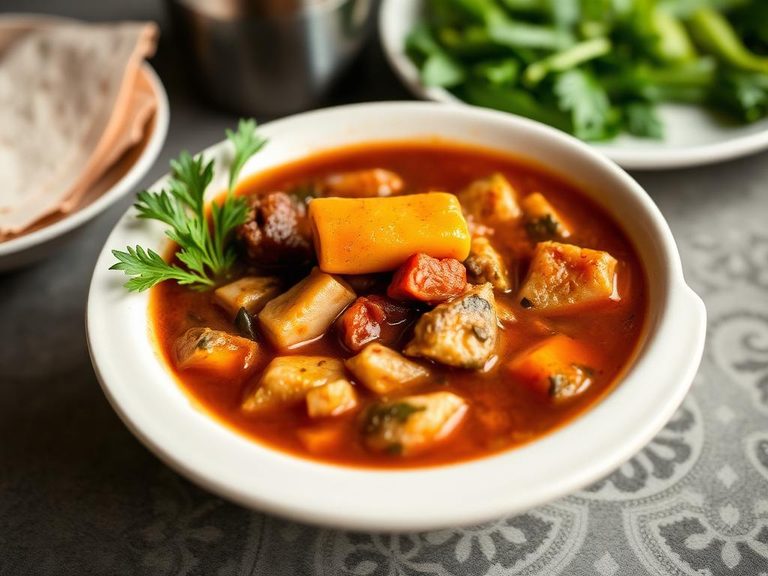
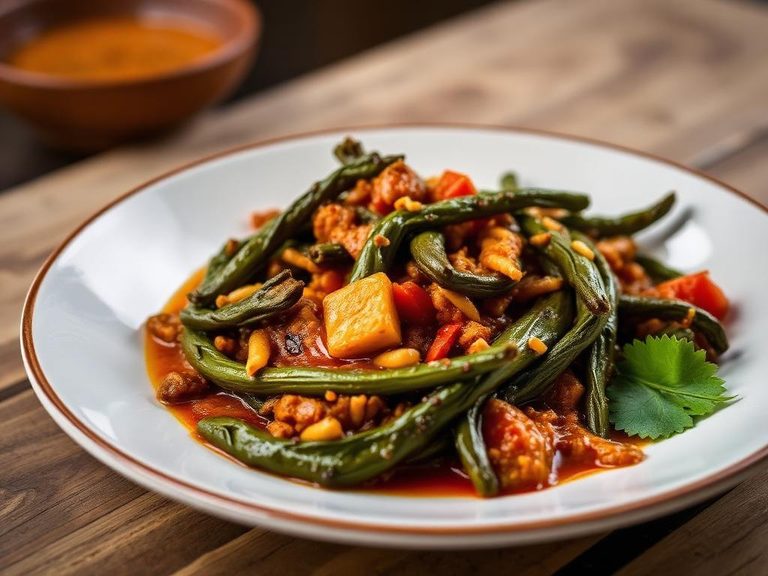
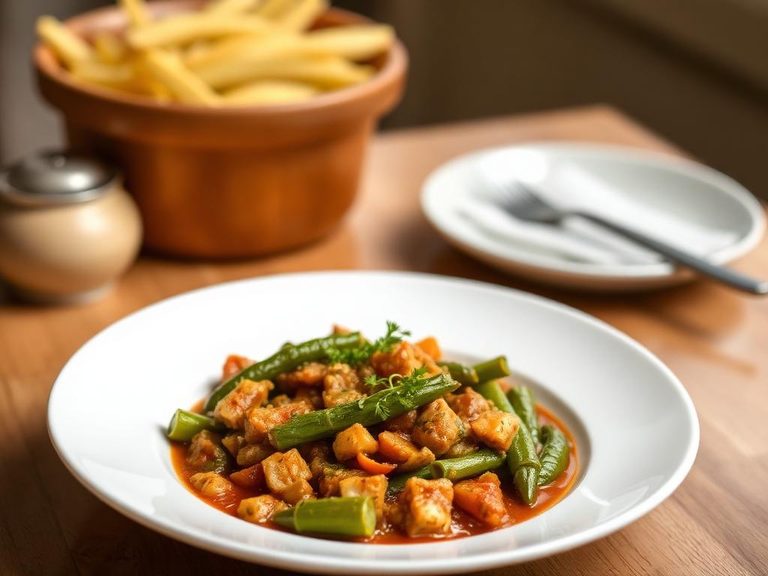
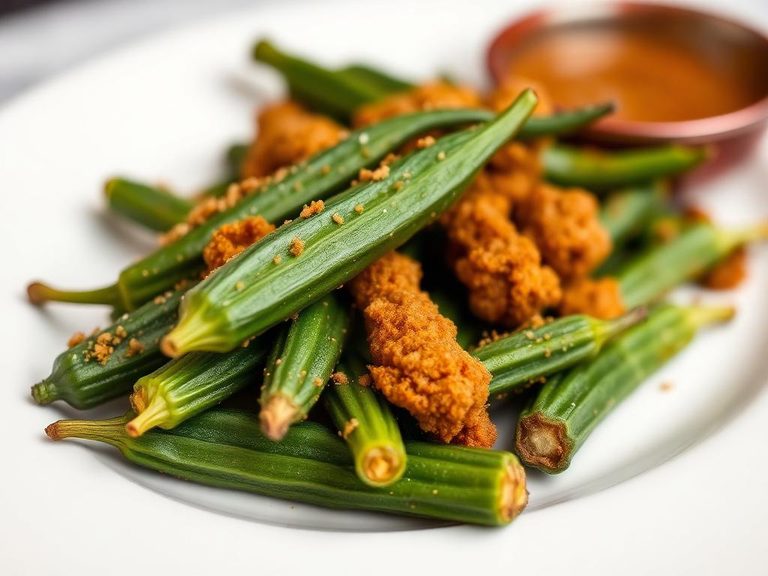
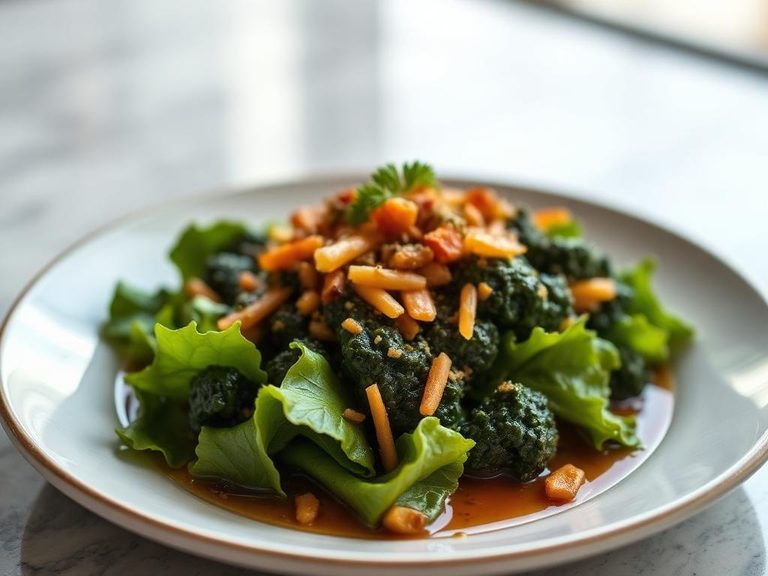
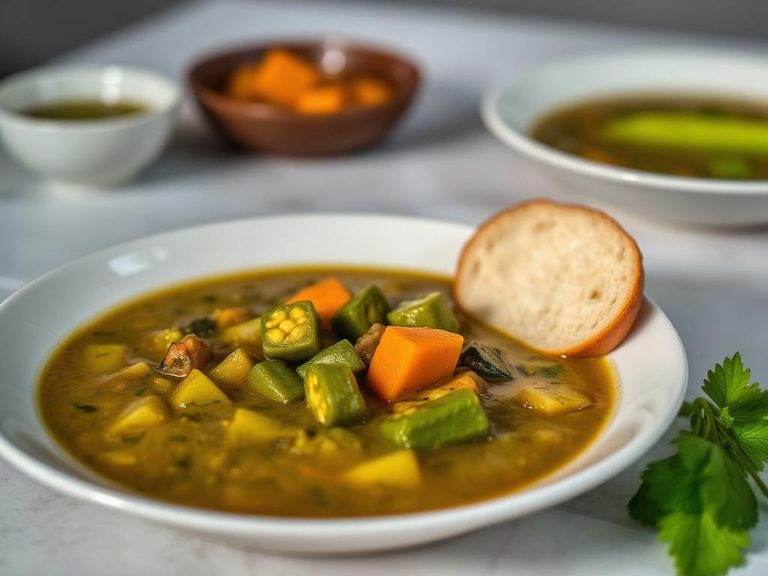
🌍 Where it's eaten
💡 Did you know?
The word 'okra' comes from the Igbo word 'ọ́kụ̀rụ̀,' and the plant's mucilaginous sap was historically used as a binding agent in paper and glue.
Full nutrition (USDA data · scales with serving)
| Water | 88.5 g |
| Energy | 51.0 kcal |
| Protein | 1.6 g |
| Total lipid (fat) | 2.8 g |
| Carbohydrate, by difference | 6.2 g |
| Fiber, total dietary | 2.0 g |
| Total Sugars | 2.8 g |
| Calcium, Ca | 72.0 mg |
| Iron, Fe | 0.51 mg |
| Magnesium, Mg | 39.0 mg |
| Phosphorus, P | 36.0 mg |
| Potassium, K | 178 mg |
| Sodium, Na | 124 mg |
| Zinc, Zn | 0.48 mg |
| Copper, Cu | 0.07 mg |
| Selenium, Se | 0.60 ug |
| Vitamin C, total ascorbic acid | 9.3 mg |
| Thiamin | 0.07 mg |
| Riboflavin | 0.09 mg |
| Niacin | 0.60 mg |
| Vitamin B-6 | 0.05 mg |
| Folate, total | 97.0 ug |
| Folic acid | 0.00 ug |
| Folate, food | 97.0 ug |
| Folate, DFE | 97.0 ug |
| Choline, total | 11.0 mg |
| Vitamin B-12 | 0.00 ug |
| Vitamin B-12, added | 0.00 ug |
| Vitamin A, RAE | 26.0 ug |
| Retinol | 11.0 ug |
| Carotene, beta | 182 ug |
| Carotene, alpha | 0.00 ug |
| Cryptoxanthin, beta | 0.00 ug |
| Lycopene | 0.00 ug |
| Lutein + zeaxanthin | 407 ug |
| Vitamin E (alpha-tocopherol) | 0.69 mg |
| Vitamin E, added | 0.00 mg |
| Vitamin D (D2 + D3) | 0.00 ug |
| Vitamin K (phylloquinone) | 48.4 ug |
| Alcohol, ethyl | 0.00 g |
| Caffeine | 0.00 mg |
| Theobromine | 0.00 mg |
Fat & fatty acid profile (per 100g)
| Fatty acids, total saturated | 0.73 g |
| SFA 4:0 | 0.02 g |
| SFA 6:0 | 0.01 g |
| SFA 8:0 | 0.01 g |
| SFA 10:0 | 0.02 g |
| SFA 12:0 | 0.02 g |
| SFA 14:0 | 0.06 g |
| SFA 16:0 | 0.41 g |
| SFA 18:0 | 0.14 g |
| Fatty acids, total monounsaturated | 0.94 g |
| MUFA 16:1 | 0.01 g |
| MUFA 18:1 | 0.91 g |
| MUFA 20:1 | 0.01 g |
| MUFA 22:1 | 0.00 g |
| Fatty acids, total polyunsaturated | 0.79 g |
| PUFA 18:2 | 0.71 g |
| PUFA 18:3 | 0.08 g |
| PUFA 18:4 | 0.00 g |
| PUFA 20:4 | 0.00 g |
| PUFA 20:5 n-3 (EPA) | 0.00 g |
| PUFA 22:5 n-3 (DPA) | 0.00 g |
| PUFA 22:6 n-3 (DHA) | 0.00 g |
| Cholesterol | 2.0 mg |
Amino acid profile (per 100g)
Estimated from Okra, raw — USDA does not publish this profile for Okra.
| Tryptophan | 0.02 g |
| Threonine | 0.07 g |
| Isoleucine | 0.07 g |
| Leucine | 0.10 g |
| Lysine | 0.08 g |
| Methionine | 0.02 g |
| Cystine | 0.02 g |
| Phenylalanine | 0.07 g |
| Tyrosine | 0.09 g |
| Valine | 0.09 g |
| Arginine | 0.08 g |
| Histidine | 0.03 g |
| Alanine | 0.07 g |
| Aspartic acid | 0.14 g |
| Glutamic acid | 0.27 g |
| Glycine | 0.04 g |
| Proline | 0.04 g |
| Serine | 0.04 g |
FAQ
How do I reduce the sliminess of cooked okra?
Cook it quickly at high heat (sauté, roast, or grill), or add acidic ingredients like tomatoes, vinegar, or lemon juice to the dish. Avoid overcooking or boiling it in large amounts of water.
Is frozen okra as nutritious as fresh?
Yes, frozen okra is often flash-frozen at peak ripeness, which preserves its nutrients well. It can be more nutritious than fresh okra that has been stored for several days.
Can I eat the seeds of okra?
Absolutely. The small, edible seeds are a good source of fiber and antioxidants. They are a natural part of the vegetable and contribute to its texture.
Nutrient density (calculated · NRF9.3)
Nutrient Rich Foods index: beneficial nutrients (protein, fiber, vitamins, minerals) minus saturated fat, added sugar & sodium, per 100 kcal.
NRF9.3 index — Fulgoni, Keast & Drewnowski, 2009. Computed from USDA nutrients.
Weight-loss friendliness (composite index)
Energy density 0.51 kcal/g · 12% calories from protein · 2.0 g fiber · 2.8 g sugar per 100 g.
Composite of energy density (Rolls et al., 1999), protein & fiber satiety, minus sugar. A calculated heuristic — ranks satiety-per-calorie, not a clinical measure.
Dietary load (calculated from USDA values)
Potential renal acid load. Positive = acid-forming, negative = alkaline-forming.
Sodium-to-potassium ratio: 0.70 (lower is better — aim for ≤ 1)
Sodium:potassium per WHO potassium guidance. Computed from USDA nutrients.