

Oil, apricot kernel
Whole food · Fats and Oils

Photo: Wikipedia
Apricot kernel oil is a light, golden-hued oil pressed from the seeds of apricots, prized for its delicate, nutty flavor and smooth, non-greasy texture. Nutritionally, it is a pure fat source, offering a high concentration of monounsaturated fats (like oleic acid) and a notable amount of vitamin E, an antioxidant. Its clean taste and high smoke point make it versatile for both culinary and cosmetic uses.
Calorie split: 0% protein · 0% carbs · 100% fat
↓ Full nutrition💚 Why it's loved
People love it for its subtle, nutty flavor that enhances dishes without overpowering them, and its smooth texture that works beautifully in dressings, baking, and skincare. It's a staple in Middle Eastern and Mediterranean cuisines, valued for both its culinary and cosmetic versatility.
⚠️ Watch-outs & how to enjoy it better
It is a pure fat, so it is very calorie-dense (884 kcal per 100g) and should be used in moderation. Some individuals may have tree nut allergies, and apricot kernels themselves contain amygdalin, which can release cyanide; however, the refined oil is safe for consumption. To manage intake, use it as a finishing oil or for light sautéing rather than deep-frying, and measure portions carefully.
Key benefits
- Rich in monounsaturated fats, particularly oleic acid.
- Good source of vitamin E, a potent antioxidant.
- High smoke point suitable for sautéing and frying.
- Light texture absorbs well into skin and hair.
🍽️ Popular dishes

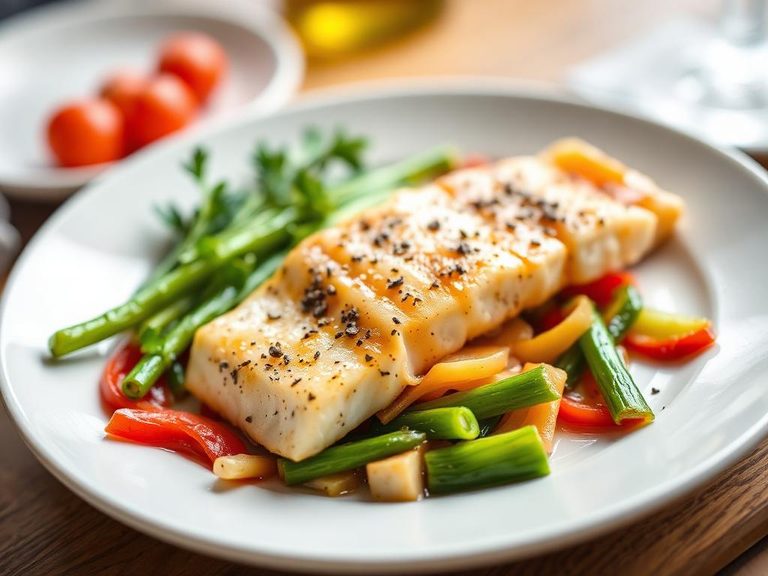
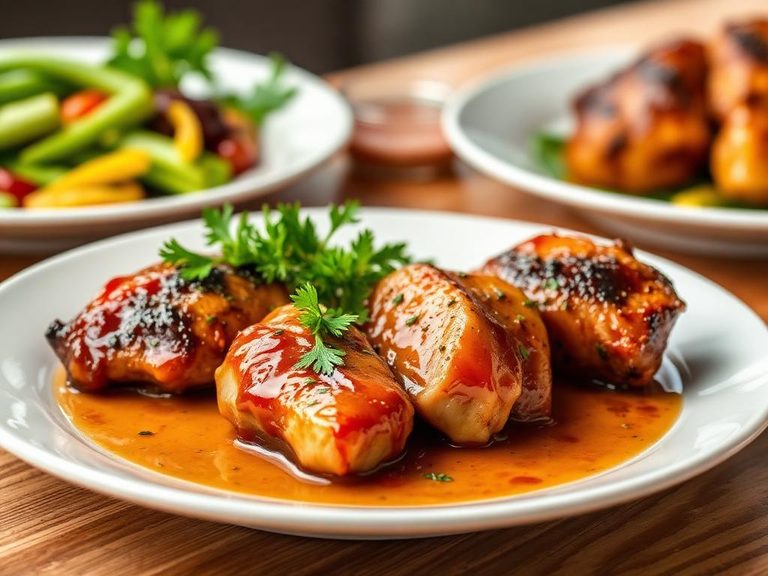
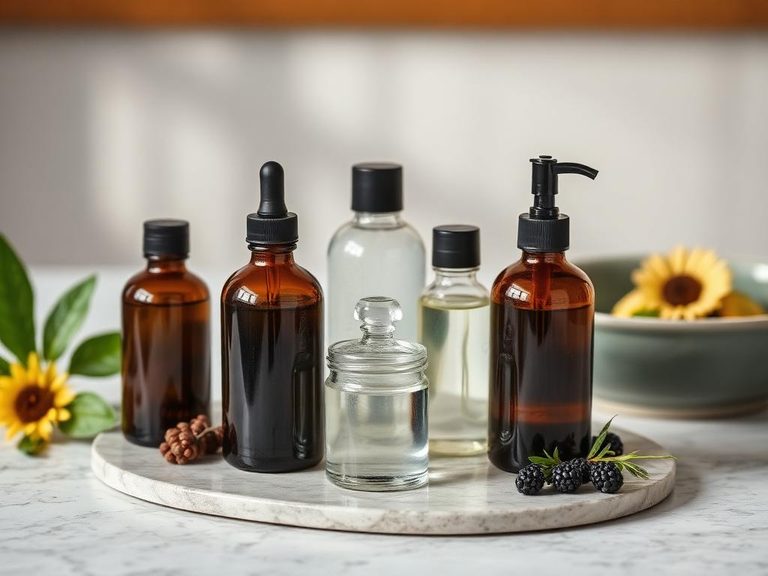
🌍 Where it's eaten
💡 Did you know?
Apricot kernel oil is a popular carrier oil in aromatherapy and massage therapy because its consistency closely resembles human sebum, allowing it to be absorbed quickly without leaving a heavy residue.
Full nutrition (USDA data · scales with serving)
| Water | 0.00 g |
| Energy | 884 kcal |
| Energy | 3699 kj |
| Protein | 0.00 g |
| Total lipid (fat) | 100 g |
| Ash | 0.00 g |
| Carbohydrate, by difference | 0.00 g |
| Fiber, total dietary | 0.00 g |
| Total Sugars | 0.00 g |
| Calcium, Ca | 0.00 mg |
| Iron, Fe | 0.00 mg |
| Magnesium, Mg | 0.00 mg |
| Phosphorus, P | 0.00 mg |
| Potassium, K | 0.00 mg |
| Sodium, Na | 0.00 mg |
| Zinc, Zn | 0.00 mg |
| Selenium, Se | 0.00 ug |
| Vitamin C, total ascorbic acid | 0.00 mg |
| Thiamin | 0.00 mg |
| Riboflavin | 0.00 mg |
| Niacin | 0.00 mg |
| Pantothenic acid | 0.00 mg |
| Vitamin B-6 | 0.00 mg |
| Folate, total | 0.00 ug |
| Folic acid | 0.00 ug |
| Folate, food | 0.00 ug |
| Folate, DFE | 0.00 ug |
| Vitamin B-12 | 0.00 ug |
| Vitamin A, RAE | 0.00 ug |
| Retinol | 0.00 ug |
| Carotene, beta | 0.00 ug |
| Carotene, alpha | 0.00 ug |
| Cryptoxanthin, beta | 0.00 ug |
| Vitamin A, IU | 0.00 iu |
| Lycopene | 0.00 ug |
| Lutein + zeaxanthin | 0.00 ug |
| Vitamin E (alpha-tocopherol) | 4.0 mg |
| Alcohol, ethyl | 0.00 g |
| Caffeine | 0.00 mg |
| Theobromine | 0.00 mg |
Fat & fatty acid profile (per 100g)
| Fatty acids, total saturated | 6.3 g |
| SFA 4:0 | 0.00 g |
| SFA 6:0 | 0.00 g |
| SFA 8:0 | 0.00 g |
| SFA 10:0 | 0.00 g |
| SFA 12:0 | 0.00 g |
| SFA 16:0 | 5.8 g |
| SFA 18:0 | 0.50 g |
| Fatty acids, total monounsaturated | 60.0 g |
| MUFA 16:1 | 1.5 g |
| MUFA 18:1 | 58.5 g |
| MUFA 20:1 | 0.00 g |
| MUFA 22:1 | 0.00 g |
| Fatty acids, total polyunsaturated | 29.3 g |
| PUFA 18:2 | 29.3 g |
| PUFA 18:3 | 0.00 g |
| PUFA 18:4 | 0.00 g |
| PUFA 20:4 | 0.00 g |
| PUFA 20:5 n-3 (EPA) | 0.00 g |
| PUFA 22:5 n-3 (DPA) | 0.00 g |
| PUFA 22:6 n-3 (DHA) | 0.00 g |
| Cholesterol | 0.00 mg |
| Phytosterols | 266 mg |
Amino acid profile (per 100g)
| Tryptophan | 0.00 g |
| Threonine | 0.00 g |
| Isoleucine | 0.00 g |
| Leucine | 0.00 g |
| Lysine | 0.00 g |
| Methionine | 0.00 g |
| Cystine | 0.00 g |
| Phenylalanine | 0.00 g |
| Tyrosine | 0.00 g |
| Valine | 0.00 g |
| Arginine | 0.00 g |
| Histidine | 0.00 g |
| Alanine | 0.00 g |
| Aspartic acid | 0.00 g |
| Glutamic acid | 0.00 g |
| Glycine | 0.00 g |
| Proline | 0.00 g |
| Serine | 0.00 g |
FAQ
Is apricot kernel oil the same as almond oil?
No, they are different oils from different seeds (apricot pits vs. almonds), though both are nut/stone fruit oils with similar light textures and mild flavors. Apricot oil is often slightly lighter and more delicate.
Can I use apricot kernel oil for high-heat cooking?
Yes, it has a moderately high smoke point (around 420°F / 215°C), making it suitable for sautéing and stir-frying, but not ideal for very high-heat deep frying.
Is it safe for people with nut allergies?
Apricot kernels are related to tree nuts, so there is a potential for cross-reactivity. Individuals with severe nut allergies should consult a doctor before using the oil, as refined versions may have a lower risk but are not guaranteed allergen-free.
Nutrient density (calculated · NRF9.3)
Nutrient Rich Foods index: beneficial nutrients (protein, fiber, vitamins, minerals) minus saturated fat, added sugar & sodium, per 100 kcal.
NRF9.3 index — Fulgoni, Keast & Drewnowski, 2009. Computed from USDA nutrients.
Weight-loss friendliness (composite index)
Energy density 8.84 kcal/g · 0% calories from protein · 0.0 g fiber · 0.0 g sugar per 100 g.
Composite of energy density (Rolls et al., 1999), protein & fiber satiety, minus sugar. A calculated heuristic — ranks satiety-per-calorie, not a clinical measure.
Dietary load (calculated from USDA values)
Potential renal acid load. Positive = acid-forming, negative = alkaline-forming.
Sodium:potassium per WHO potassium guidance. Computed from USDA nutrients.