Middle Eastern pastries and baklava
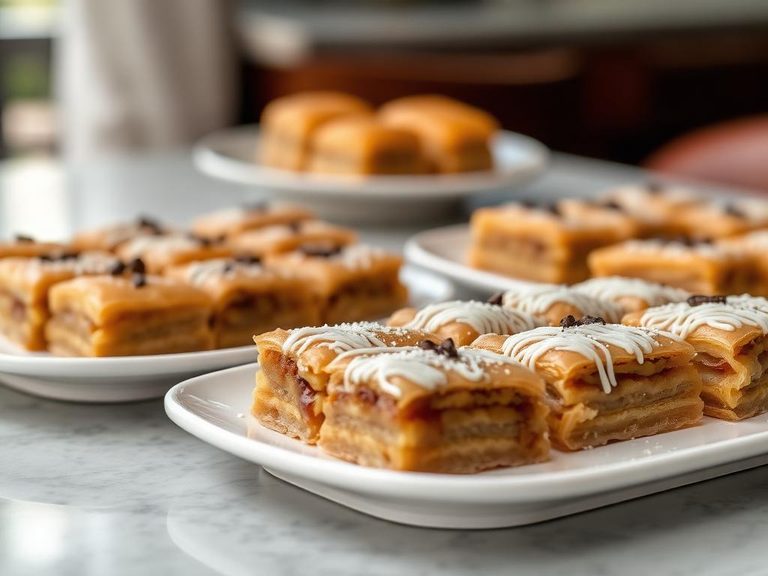
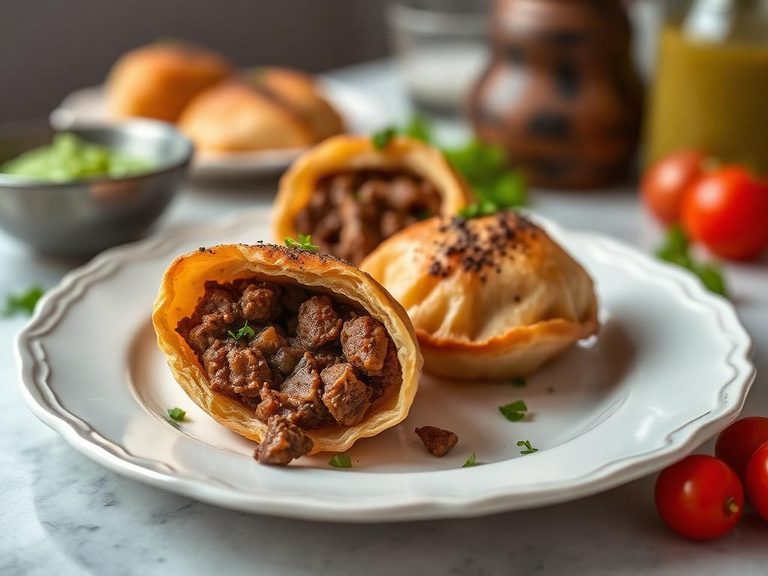
Middle Eastern pastries and baklava are rich, sweet desserts made from layers of flaky phyllo dough, chopped nuts like pistachios or walnuts, and sweetened with honey or sugar syrup. Originating from the Ottoman Empire, they are a beloved staple in the cuisines of countries like Turkey, Lebanon, Greece, and Iran.
🍽️ Nutrition at a glance
This dish is typically very high in carbohydrates and fat, providing a quick energy boost but also a significant calorie load. A single serving offers some protein and healthy fats from nuts, along with minerals like magnesium and iron.
Nutrition breakdown
| Calories | 230 kcal |
| Protein | 3 g |
| Carbs | 25 g |
| Fat | 14 g |
| Fiber | 1.5 g |
| Sugar | 18 g |
| Sodium | 85 mg |
| Magnesium | 25 mg |
| Iron | 1.2 mg |
| Phosphorus | 45 mg |
| Zinc | 0.6 mg |
| Vitamin E | 1.5 mg |
| Manganese | 0.4 mg |
| Copper | 0.15 mg |
| Selenium | 1.8 mcg |
Per 1 piece (approx. 50 g) · estimated, varies by recipe
💡 What's interesting
Baklava's unique texture comes from the painstaking process of layering and buttering dozens of paper-thin phyllo sheets, creating a crispy, honey-glazed treat. Nutritionally, while calorie-dense, the nuts provide beneficial unsaturated fats and antioxidants.