Light sautéed vegetables or fish
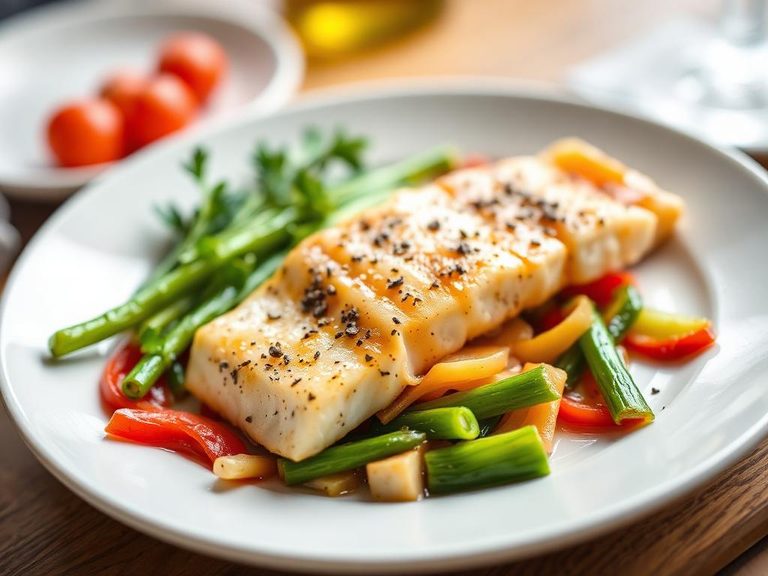
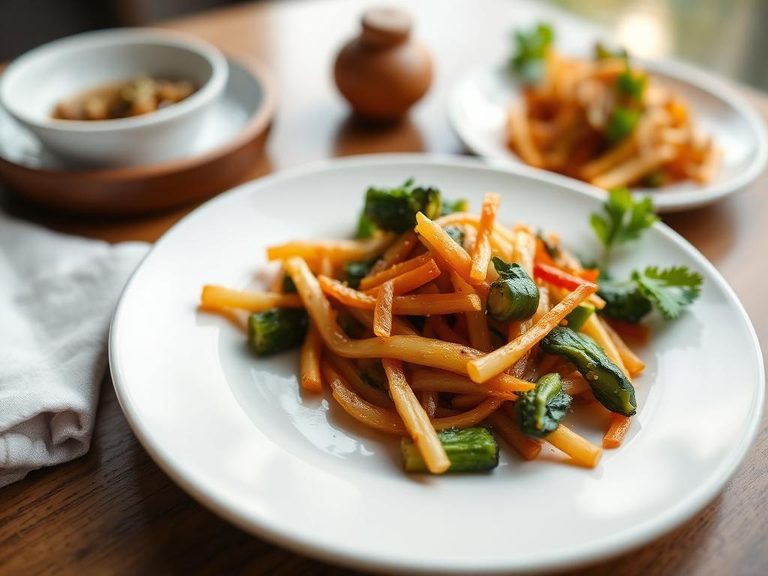
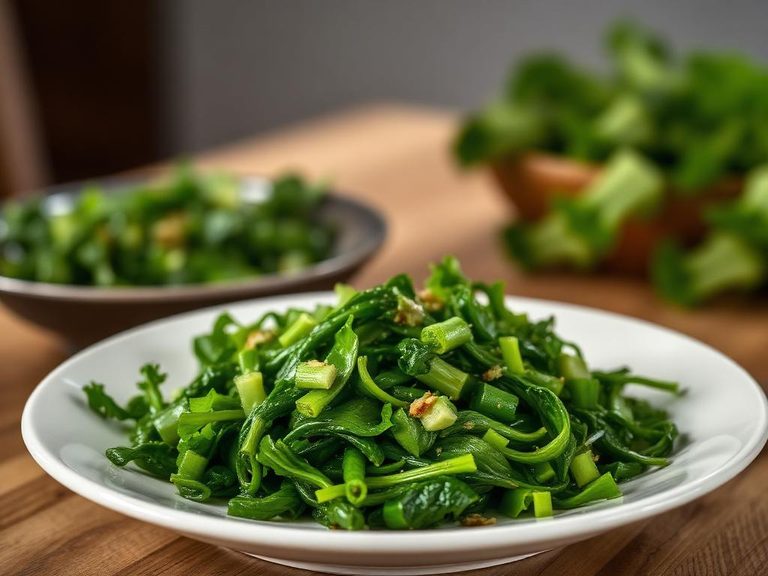
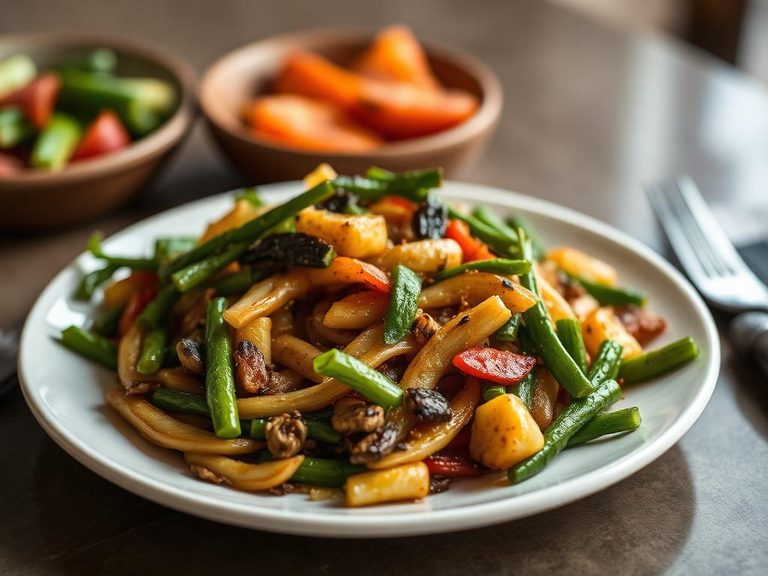
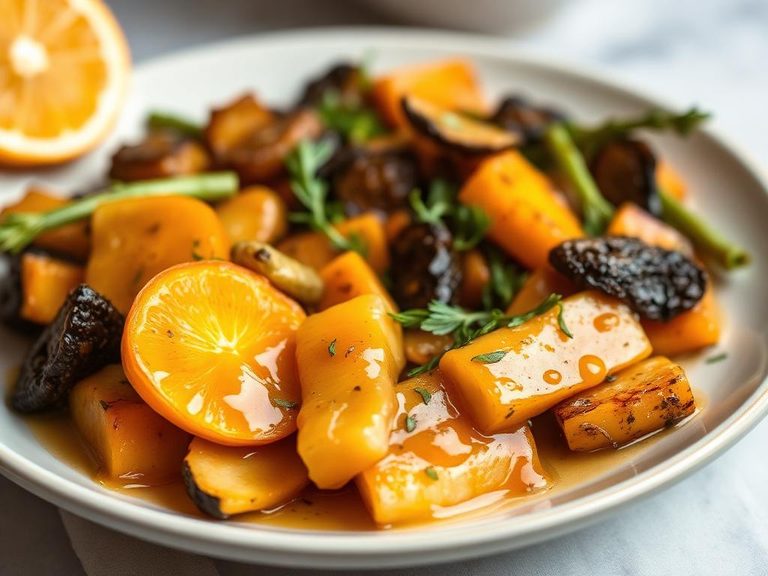
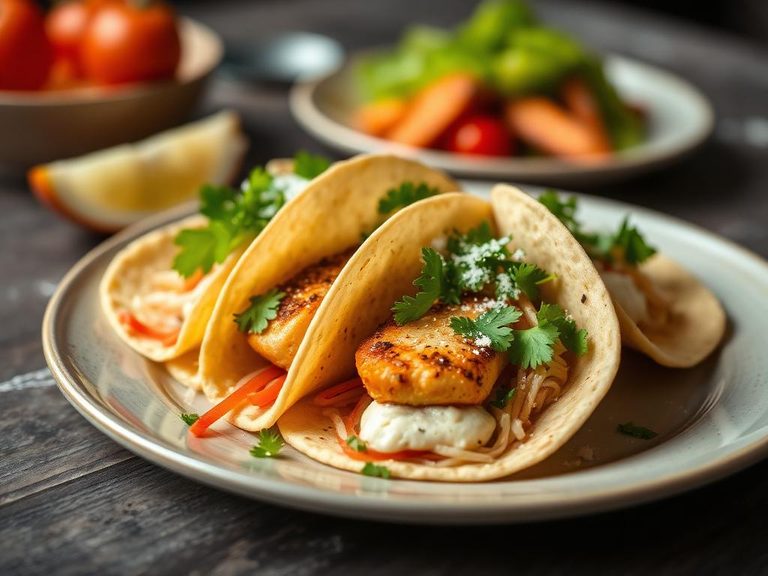
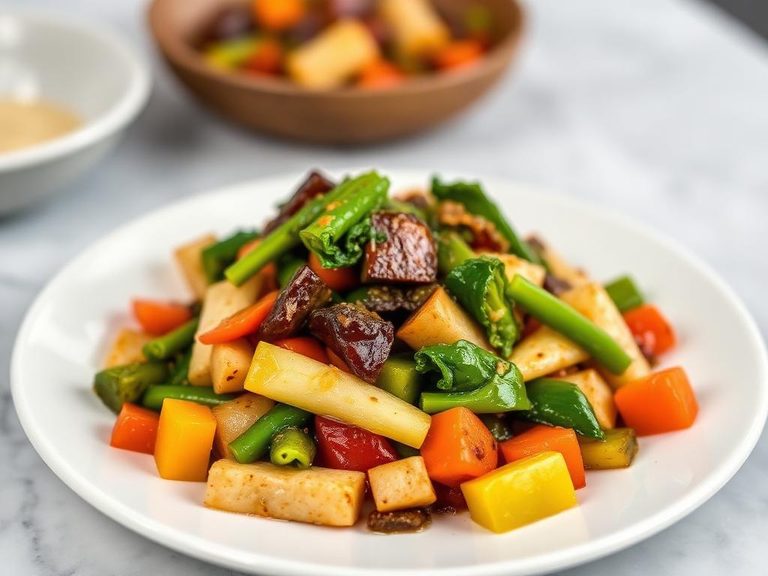
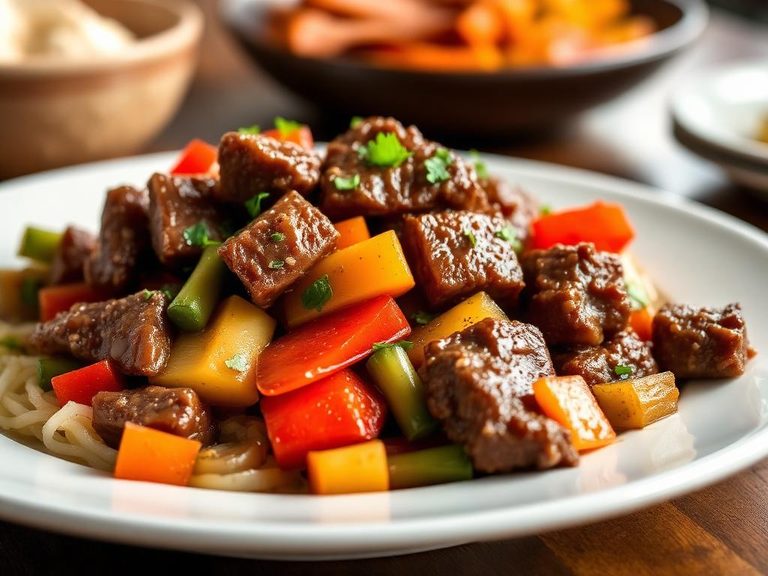
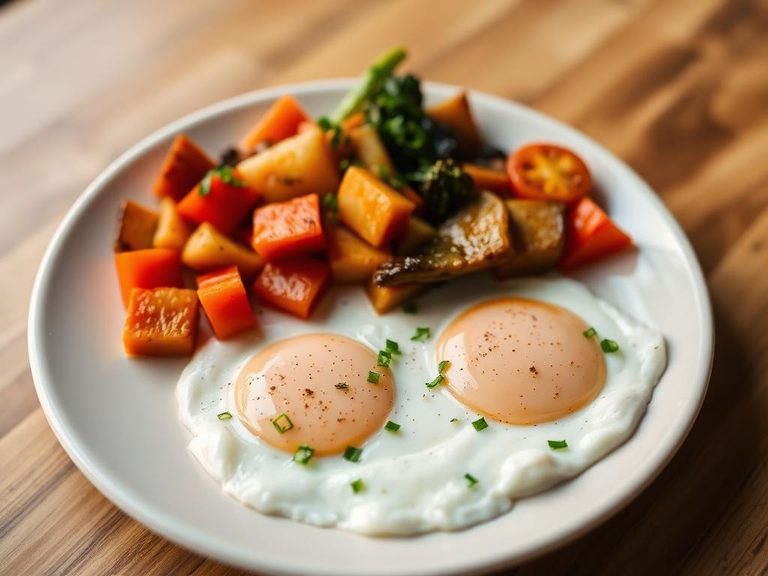
Light sautéed vegetables or fish is a simple, quick-cooked dish where ingredients are gently fried in a small amount of oil over medium heat. It typically features a mix of fresh, seasonal vegetables like bell peppers, broccoli, carrots, and snap peas, or a delicate white fish such as cod or tilapia. This style of preparation is a staple in many cuisines, particularly in East Asian home cooking, where it emphasizes preserving the natural flavors and textures of the ingredients.
🍽️ Nutrition at a glance
This dish is generally low in carbohydrates and can be high in protein if fish is included, while the fat content depends on the type and amount of oil used. It is an excellent source of dietary fiber, vitamins (like A, C, and K), and essential minerals such as potassium and magnesium, with a typical serving ranging from 150 to 300 calories.
Nutrition breakdown
| Calories | 180 kcal |
| Protein | 8 g |
| Carbs | 12 g |
| Fat | 12 g |
| Fiber | 5 g |
| Sugar | 4 g |
| Sodium | 300 mg |
| Vitamin C | 45 mg |
| Vitamin A | 300 µg |
| Vitamin K | 70 µg |
| Potassium | 350 mg |
| Magnesium | 25 mg |
| Iron | 1.5 mg |
| Calcium | 40 mg |
| Folate | 60 µg |
Per 1 cup mixed vegetables (150 g) · estimated, varies by recipe
💡 What's interesting
Culturally, this dish embodies the philosophy of 'wok hei' or 'breath of the wok' in Chinese cooking, where high heat and quick cooking lock in freshness. Nutritionally, the gentle sautéing method helps retain more water-soluble vitamins compared to boiling, making it a nutrient-efficient cooking technique.