

Oatmeal, regular or quick, made with water, fat added
Common food
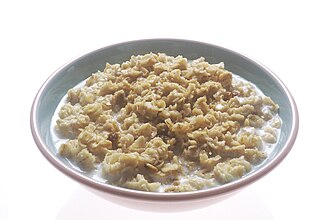
Photo: Wikipedia
This is a warm, comforting bowl of porridge made from rolled or quick oats cooked in water, with a bit of fat like butter or oil stirred in for richness. The texture is creamy yet slightly chewy, with a mild, nutty, and subtly sweet flavor that acts as a perfect canvas for toppings. It's a low-calorie, fiber-rich staple that provides sustained energy without heaviness.
Calorie split: 11% protein · 58% carbs · 31% fat
↓ Full nutrition💚 Why it's loved
People love it for its comforting, nostalgic warmth and incredible versatility—it can be dressed up with fruits, nuts, or spices, or kept simple for a quick, nourishing meal. It's a beloved breakfast staple across many cultures, symbolizing a wholesome start to the day.
⚠️ Watch-outs & how to enjoy it better
For some, it can be bland or mushy if not prepared well, and its high fiber content may cause digestive discomfort if eaten in large quantities or by those with sensitive stomachs. To counteract this, start with a smaller portion, ensure it's well-cooked, and pair it with protein like nuts or seeds to improve texture and balance blood sugar response.
Key benefits
- High in soluble fiber (beta-glucan) which supports heart health and digestion.
- Provides a steady release of energy due to its complex carbohydrates and low sugar content.
- A good source of plant-based protein for muscle maintenance and satiety.
- Naturally low in sodium and cholesterol-free.
- Versatile base that can be sweetened or savory to fit various dietary needs.
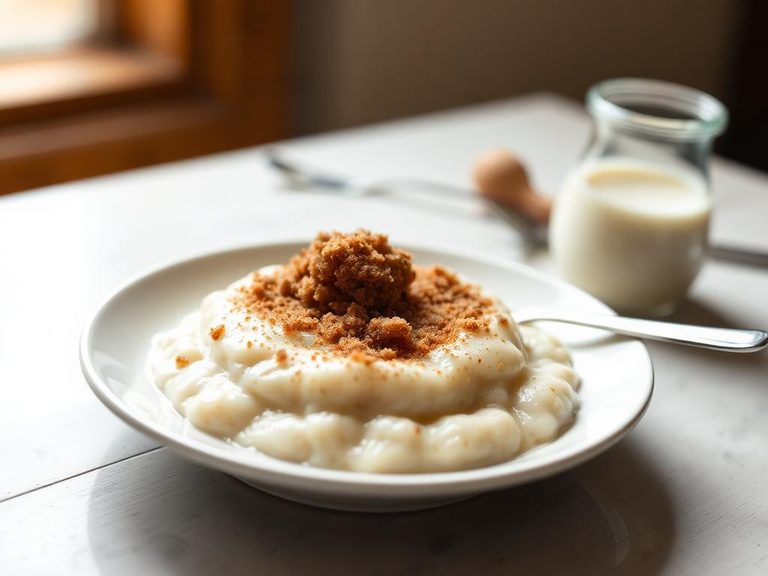
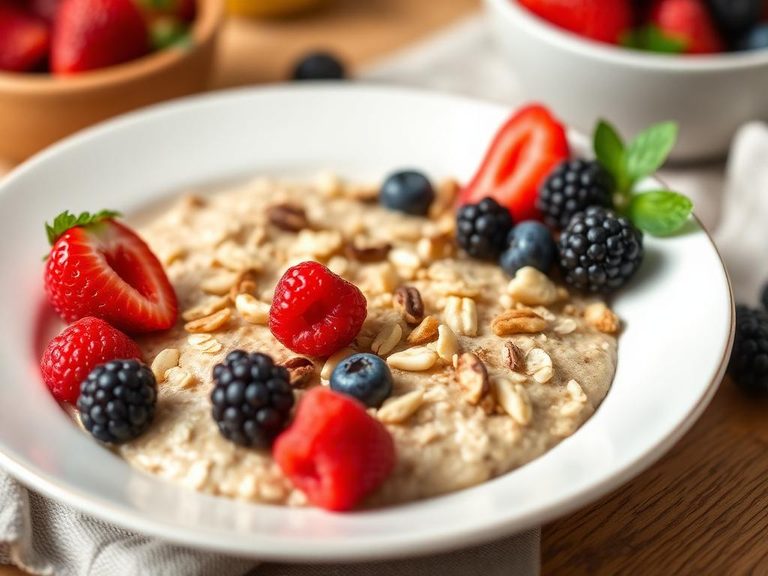
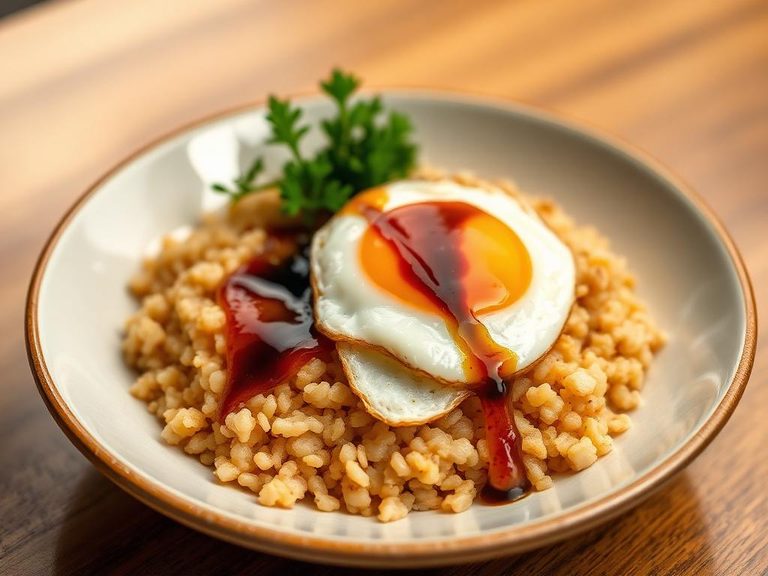
🍽️ Popular dishes
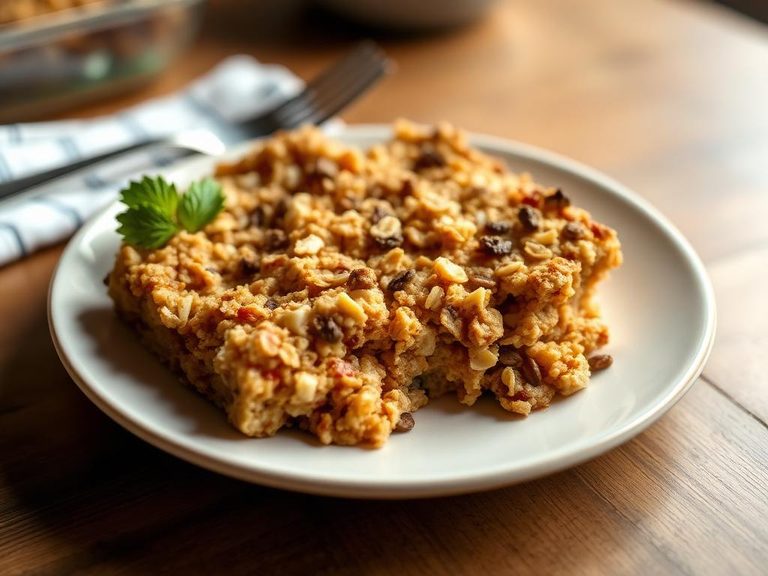
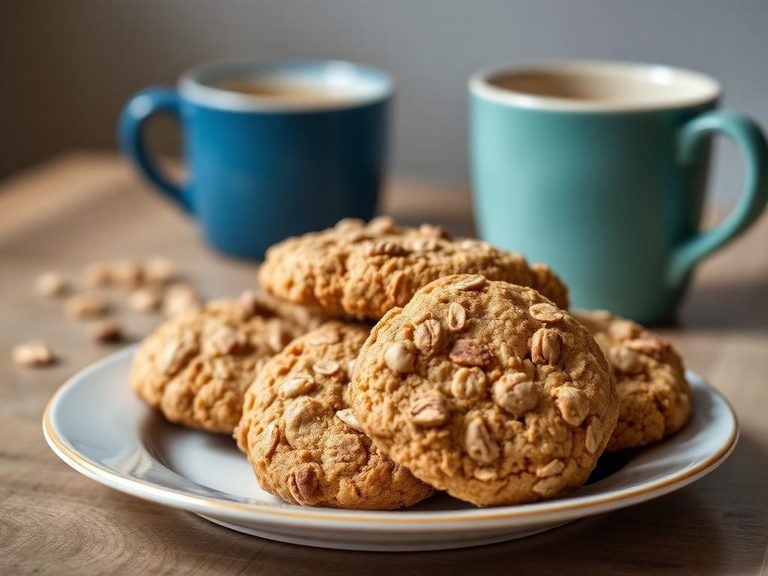
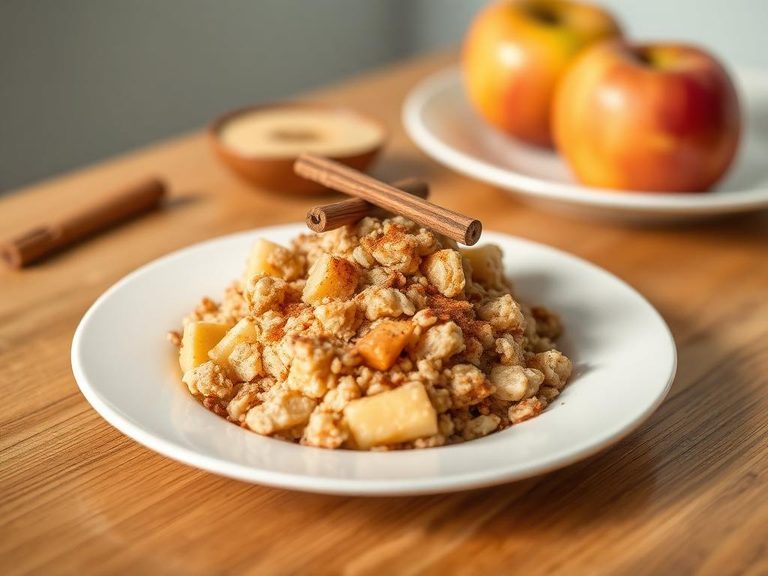
🌍 Where it's eaten
💡 Did you know?
The beta-glucan fiber in oats is so effective at lowering cholesterol that the FDA allows oat-based foods to carry a health claim stating they may reduce the risk of heart disease.
Full nutrition (USDA data · scales with serving)
| Water | 83.4 g |
| Energy | 76.0 kcal |
| Protein | 2.2 g |
| Total lipid (fat) | 2.6 g |
| Carbohydrate, by difference | 11.2 g |
| Fiber, total dietary | 1.7 g |
| Total Sugars | 0.17 g |
| Calcium, Ca | 12.0 mg |
| Iron, Fe | 0.67 mg |
| Magnesium, Mg | 24.0 mg |
| Phosphorus, P | 65.0 mg |
| Potassium, K | 57.0 mg |
| Sodium, Na | 81.0 mg |
| Zinc, Zn | 0.61 mg |
| Copper, Cu | 0.07 mg |
| Selenium, Se | 4.8 ug |
| Vitamin C, total ascorbic acid | 0.00 mg |
| Thiamin | 0.06 mg |
| Riboflavin | 0.02 mg |
| Niacin | 0.17 mg |
| Vitamin B-6 | 0.04 mg |
| Folate, total | 4.0 ug |
| Folic acid | 0.00 ug |
| Folate, food | 4.0 ug |
| Folate, DFE | 4.0 ug |
| Choline, total | 7.0 mg |
| Vitamin B-12 | 0.00 ug |
| Vitamin B-12, added | 0.00 ug |
| Vitamin A, RAE | 16.0 ug |
| Retinol | 16.0 ug |
| Carotene, beta | 7.0 ug |
| Carotene, alpha | 0.00 ug |
| Cryptoxanthin, beta | 0.00 ug |
| Lycopene | 0.00 ug |
| Lutein + zeaxanthin | 27.0 ug |
| Vitamin E (alpha-tocopherol) | 0.22 mg |
| Vitamin E, added | 0.00 mg |
| Vitamin D (D2 + D3) | 0.00 ug |
| Vitamin K (phylloquinone) | 1.2 ug |
| Alcohol, ethyl | 0.00 g |
| Caffeine | 0.00 mg |
| Theobromine | 0.00 mg |
Fat & fatty acid profile (per 100g)
| Fatty acids, total saturated | 0.85 g |
| SFA 4:0 | 0.03 g |
| SFA 6:0 | 0.02 g |
| SFA 8:0 | 0.01 g |
| SFA 10:0 | 0.02 g |
| SFA 12:0 | 0.03 g |
| SFA 14:0 | 0.09 g |
| SFA 16:0 | 0.47 g |
| SFA 18:0 | 0.14 g |
| Fatty acids, total monounsaturated | 0.73 g |
| MUFA 16:1 | 0.01 g |
| MUFA 18:1 | 0.71 g |
| MUFA 20:1 | 0.00 g |
| MUFA 22:1 | 0.00 g |
| Fatty acids, total polyunsaturated | 0.62 g |
| PUFA 18:2 | 0.58 g |
| PUFA 18:3 | 0.04 g |
| PUFA 18:4 | 0.00 g |
| PUFA 20:4 | 0.00 g |
| PUFA 20:5 n-3 (EPA) | 0.00 g |
| PUFA 22:5 n-3 (DPA) | 0.00 g |
| PUFA 22:6 n-3 (DHA) | 0.00 g |
| Cholesterol | 3.0 mg |
Amino acid profile (per 100g)
Estimated from Cookies, oatmeal, refrigerated dough, baked — USDA does not publish this profile for Oatmeal.
| Tryptophan | 0.10 g |
| Threonine | 0.20 g |
| Isoleucine | 0.25 g |
| Leucine | 0.46 g |
| Lysine | 0.29 g |
| Methionine | 0.14 g |
| Cystine | 0.17 g |
| Phenylalanine | 0.31 g |
| Tyrosine | 0.22 g |
| Valine | 0.32 g |
| Arginine | 0.37 g |
| Histidine | 0.14 g |
| Alanine | 0.28 g |
| Aspartic acid | 0.50 g |
| Glutamic acid | 1.3 g |
| Glycine | 0.27 g |
| Proline | 0.39 g |
| Serine | 0.34 g |
FAQ
Is oatmeal made with water as nutritious as with milk?
Yes, the core nutrients like fiber and protein remain the same. Using water keeps it lower in calories and fat, while milk adds calcium and extra protein.
Can I eat oatmeal if I'm gluten-free?
Oats are naturally gluten-free, but they are often processed in facilities that handle wheat. Look for certified gluten-free oats to avoid cross-contamination.
How does adding fat affect the nutrition?
Adding a small amount of fat (like butter or oil) increases the calorie and fat content slightly but can improve satiety and help your body absorb fat-soluble vitamins from toppings.
Is quick oats less healthy than regular oats?
Quick oats are more processed, which can lead to a slightly higher glycemic index, but they retain most of the same nutrients and fiber as regular rolled oats.
Nutrient density (calculated · NRF9.3)
Nutrient Rich Foods index: beneficial nutrients (protein, fiber, vitamins, minerals) minus saturated fat, added sugar & sodium, per 100 kcal.
NRF9.3 index — Fulgoni, Keast & Drewnowski, 2009. Computed from USDA nutrients.
Weight-loss friendliness (composite index)
Energy density 0.76 kcal/g · 11% calories from protein · 1.7 g fiber · 0.2 g sugar per 100 g.
Composite of energy density (Rolls et al., 1999), protein & fiber satiety, minus sugar. A calculated heuristic — ranks satiety-per-calorie, not a clinical measure.
Dietary load (calculated from USDA values)
Potential renal acid load. Positive = acid-forming, negative = alkaline-forming.
Sodium-to-potassium ratio: 1.42 (lower is better — aim for ≤ 1)
Sodium:potassium per WHO potassium guidance. Computed from USDA nutrients.