

Oatmeal, regular or quick, made with milk, fat added
Common food

Photo: Wikipedia
This is a warm, comforting bowl of oats cooked in milk with a touch of added fat, creating a creamy, slightly chewy texture. The milk adds a subtle sweetness and richness, while the fat (like butter or oil) contributes to a smoother mouthfeel. Nutritionally, it provides a balanced mix of protein, carbs, and fats for sustained energy.
Calorie split: 17% protein · 50% carbs · 33% fat
↓ Full nutrition💚 Why it's loved
People love it for its creamy, comforting texture and ability to be endlessly customized with fruits, nuts, or spices. It's a nostalgic, quick breakfast staple in many cultures, symbolizing warmth and simplicity.
⚠️ Watch-outs & how to enjoy it better
The milk and added sugar can cause blood-sugar spikes for some; choosing low-fat milk or reducing added sugar can help. It's also a common allergen (gluten cross-contamination, dairy), so certified gluten-free oats or plant-based milks are good alternatives.
Key benefits
- Provides sustained energy from complex carbs and fiber
- Good source of plant-based protein for muscle maintenance
- Contains soluble fiber (beta-glucan) for heart health
- Milk adds calcium and vitamin D for bone support
- Versatile base for both sweet and savory toppings
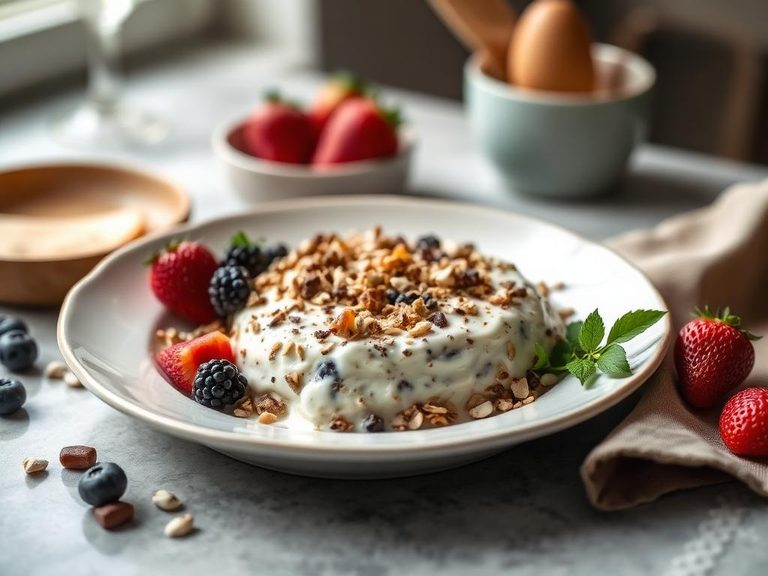
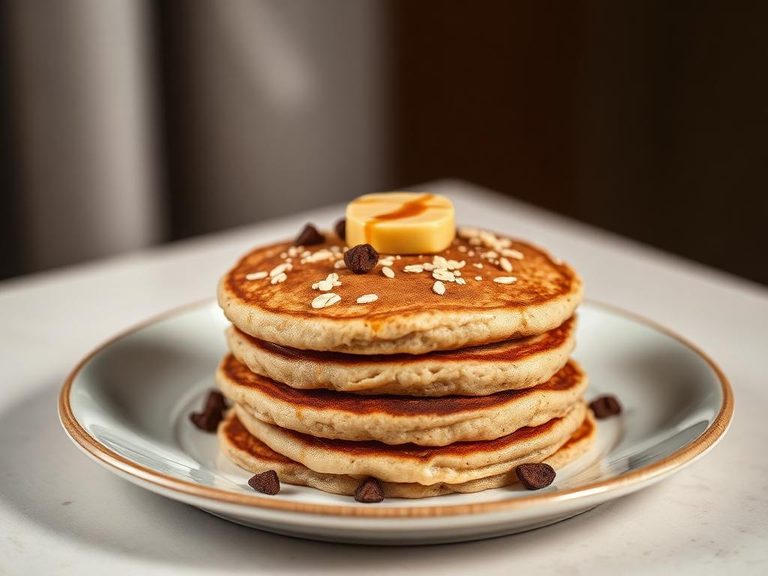
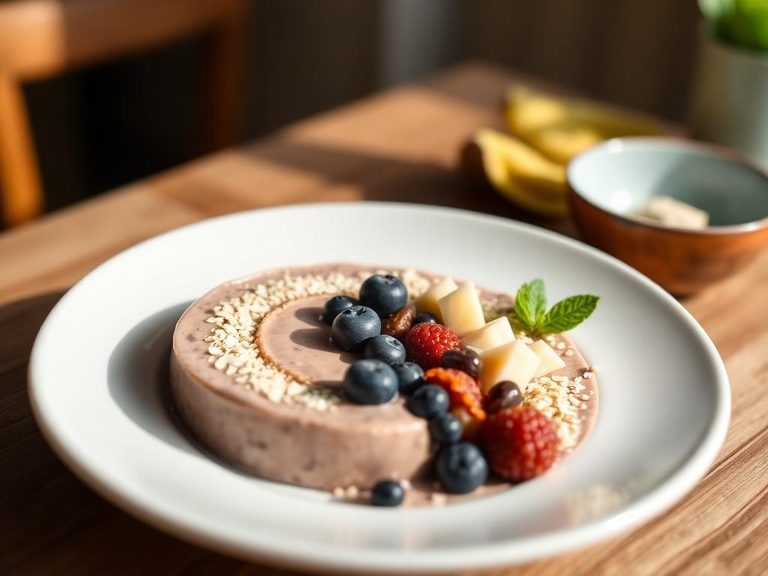
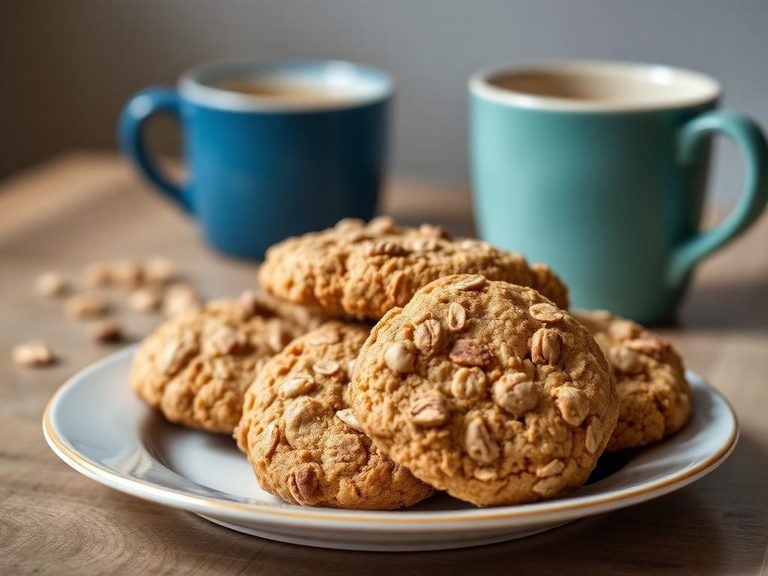
🍽️ Popular dishes
🌍 Where it's eaten
💡 Did you know?
Oats are one of the few grains that can be eaten raw without cooking, as in traditional Scottish 'parritch' or overnight oats.
Full nutrition (USDA data · scales with serving)
| Water | 72.6 g |
| Energy | 128 kcal |
| Protein | 5.5 g |
| Total lipid (fat) | 4.8 g |
| Carbohydrate, by difference | 15.9 g |
| Fiber, total dietary | 1.7 g |
| Total Sugars | 5.0 g |
| Calcium, Ca | 133 mg |
| Iron, Fe | 0.67 mg |
| Magnesium, Mg | 35.0 mg |
| Phosphorus, P | 166 mg |
| Potassium, K | 212 mg |
| Sodium, Na | 115 mg |
| Zinc, Zn | 1.0 mg |
| Copper, Cu | 0.06 mg |
| Selenium, Se | 6.6 ug |
| Vitamin C, total ascorbic acid | 0.10 mg |
| Thiamin | 0.11 mg |
| Riboflavin | 0.16 mg |
| Niacin | 0.28 mg |
| Vitamin B-6 | 0.10 mg |
| Folate, total | 5.0 ug |
| Folic acid | 0.00 ug |
| Folate, food | 5.0 ug |
| Folate, DFE | 5.0 ug |
| Choline, total | 23.8 mg |
| Vitamin B-12 | 0.52 ug |
| Vitamin B-12, added | 0.00 ug |
| Vitamin A, RAE | 73.0 ug |
| Retinol | 72.0 ug |
| Carotene, beta | 11.0 ug |
| Carotene, alpha | 0.00 ug |
| Cryptoxanthin, beta | 0.00 ug |
| Lycopene | 0.00 ug |
| Lutein + zeaxanthin | 27.0 ug |
| Vitamin E (alpha-tocopherol) | 0.25 mg |
| Vitamin E, added | 0.00 mg |
| Vitamin D (D2 + D3) | 1.1 ug |
| Vitamin K (phylloquinone) | 1.4 ug |
| Alcohol, ethyl | 0.00 g |
| Caffeine | 0.00 mg |
| Theobromine | 0.00 mg |
Fat & fatty acid profile (per 100g)
| Fatty acids, total saturated | 2.1 g |
| SFA 4:0 | 0.07 g |
| SFA 6:0 | 0.05 g |
| SFA 8:0 | 0.03 g |
| SFA 10:0 | 0.08 g |
| SFA 12:0 | 0.10 g |
| SFA 14:0 | 0.29 g |
| SFA 16:0 | 1.0 g |
| SFA 18:0 | 0.35 g |
| Fatty acids, total monounsaturated | 1.2 g |
| MUFA 16:1 | 0.05 g |
| MUFA 18:1 | 1.2 g |
| MUFA 20:1 | 0.01 g |
| MUFA 22:1 | 0.00 g |
| Fatty acids, total polyunsaturated | 0.69 g |
| PUFA 18:2 | 0.66 g |
| PUFA 18:3 | 0.05 g |
| PUFA 18:4 | 0.00 g |
| PUFA 20:4 | 0.00 g |
| PUFA 20:5 n-3 (EPA) | 0.00 g |
| PUFA 22:5 n-3 (DPA) | 0.00 g |
| PUFA 22:6 n-3 (DHA) | 0.00 g |
| Cholesterol | 12.0 mg |
Amino acid profile (per 100g)
Estimated from Cookies, oatmeal, refrigerated dough, baked — USDA does not publish this profile for Oatmeal.
| Tryptophan | 0.10 g |
| Threonine | 0.20 g |
| Isoleucine | 0.25 g |
| Leucine | 0.46 g |
| Lysine | 0.29 g |
| Methionine | 0.14 g |
| Cystine | 0.17 g |
| Phenylalanine | 0.31 g |
| Tyrosine | 0.22 g |
| Valine | 0.32 g |
| Arginine | 0.37 g |
| Histidine | 0.14 g |
| Alanine | 0.28 g |
| Aspartic acid | 0.50 g |
| Glutamic acid | 1.3 g |
| Glycine | 0.27 g |
| Proline | 0.39 g |
| Serine | 0.34 g |
FAQ
Is oatmeal with milk healthier than with water?
It depends on your goals. Milk adds protein, calcium, and calories, making it more satiating. Water is lower in calories and fat. Both are healthy choices.
Can I make this ahead of time?
Yes, overnight oats are a popular method. Mix oats and milk, refrigerate, and it will soften and thicken. Reheat or eat cold.
What's the difference between regular and quick oats?
Quick oats are pre-cooked and rolled thinner, so they cook faster and have a smoother texture. Regular rolled oats are thicker and chewier.
Nutrient density (calculated · NRF9.3)
Nutrient Rich Foods index: beneficial nutrients (protein, fiber, vitamins, minerals) minus saturated fat, added sugar & sodium, per 100 kcal.
NRF9.3 index — Fulgoni, Keast & Drewnowski, 2009. Computed from USDA nutrients.
Weight-loss friendliness (composite index)
Energy density 1.28 kcal/g · 17% calories from protein · 1.7 g fiber · 5.0 g sugar per 100 g.
Composite of energy density (Rolls et al., 1999), protein & fiber satiety, minus sugar. A calculated heuristic — ranks satiety-per-calorie, not a clinical measure.
Dietary load (calculated from USDA values)
Potential renal acid load. Positive = acid-forming, negative = alkaline-forming.
Sodium-to-potassium ratio: 0.54 (lower is better — aim for ≤ 1)
Sodium:potassium per WHO potassium guidance. Computed from USDA nutrients.