

Mushrooms, white, cooked, boiled, drained, with salt
Whole food · Vegetables and Vegetable Products
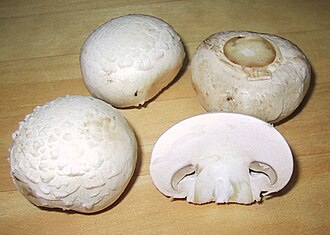
Photo: Wikipedia
Boiled white button mushrooms are tender, juicy morsels with a mild, earthy flavor and a pleasantly soft, slightly springy texture. They are a low-calorie, high-fiber ingredient, offering a good source of plant-based protein and B vitamins per serving. Their neutral taste makes them a perfect blank canvas for absorbing sauces and seasonings.
Calorie split: 25% protein · 62% carbs · 12% fat
↓ Full nutrition💚 Why it's loved
People love their incredible versatility; they seamlessly blend into stir-fries, pastas, soups, and salads, acting as a savory sponge for flavors. Their mild, umami-rich taste is a crowd-pleaser, forming a comforting base in home cooking across many cultures.
⚠️ Watch-outs & how to enjoy it better
Boiling can cause some water-soluble vitamins to leach into the cooking water, and added salt increases sodium content. To retain more nutrients, consider saving the cooking liquid for broth or using a quick sauté or roast instead. Those monitoring sodium should opt for unsalted varieties or rinse them lightly.
Key benefits
- Excellent low-calorie, high-volume food for weight management
- Good source of dietary fiber and plant-based protein
- Rich in B vitamins like riboflavin and niacin
- Contains antioxidants like selenium
- Versatile base for countless dishes
🍽️ Popular dishes
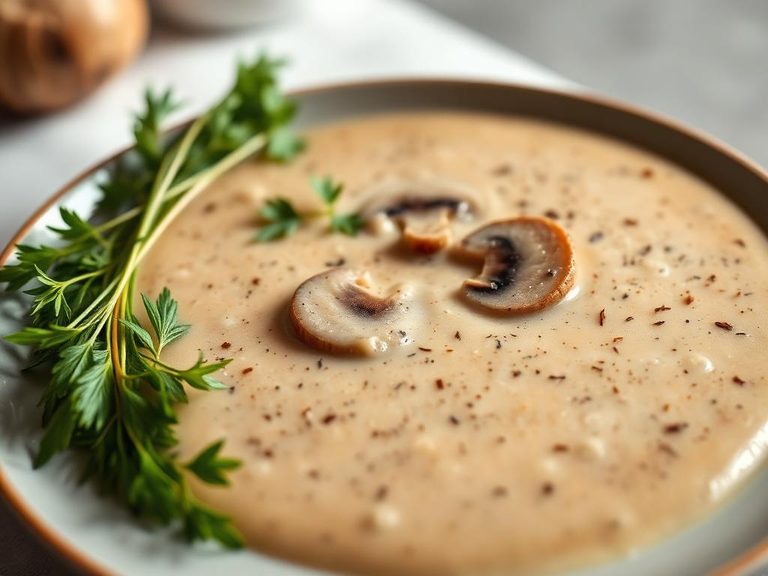
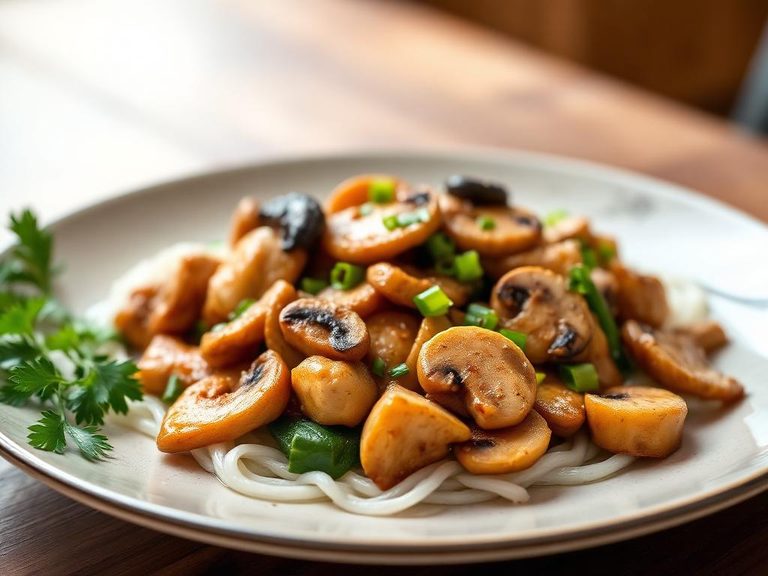
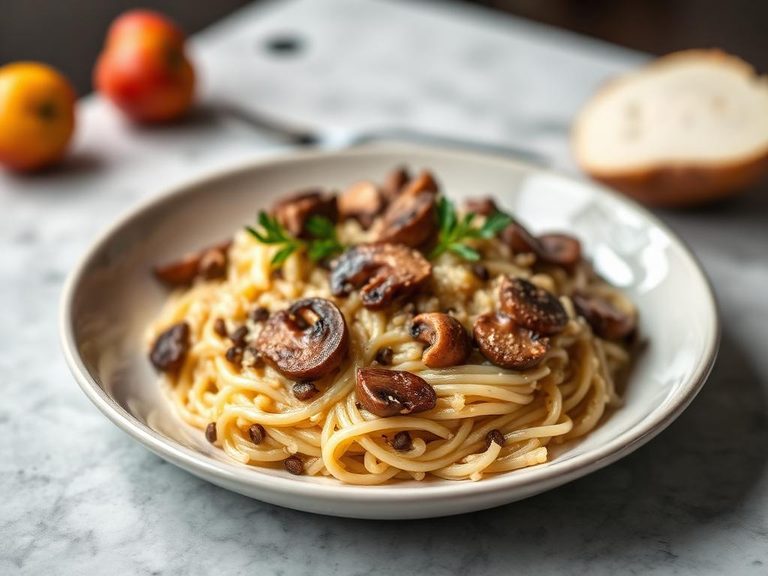
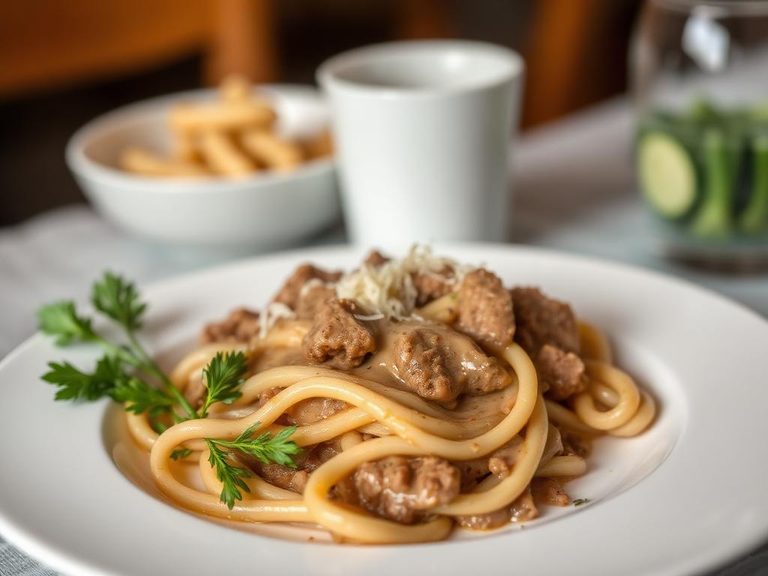
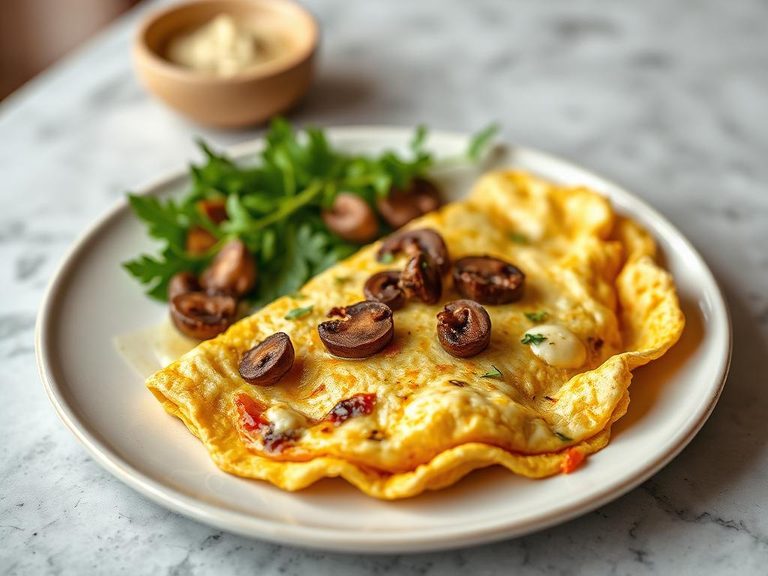
🌍 Where it's eaten
💡 Did you know?
The common white button mushroom is actually the same species (Agaricus bisporus) as the cremini and portobello mushroom, just harvested at different stages of maturity.
Full nutrition (USDA data · scales with serving)
| Water | 91.1 g |
| Energy | 28.0 kcal |
| Energy | 117 kj |
| Protein | 2.2 g |
| Total lipid (fat) | 0.47 g |
| Ash | 0.99 g |
| Carbohydrate, by difference | 5.3 g |
| Fiber, total dietary | 2.2 g |
| Total Sugars | 2.3 g |
| Calcium, Ca | 6.0 mg |
| Iron, Fe | 1.7 mg |
| Magnesium, Mg | 12.0 mg |
| Phosphorus, P | 87.0 mg |
| Potassium, K | 356 mg |
| Sodium, Na | 238 mg |
| Zinc, Zn | 0.87 mg |
| Copper, Cu | 0.50 mg |
| Manganese, Mn | 0.12 mg |
| Selenium, Se | 13.4 ug |
| Vitamin C, total ascorbic acid | 4.0 mg |
| Thiamin | 0.07 mg |
| Riboflavin | 0.30 mg |
| Niacin | 4.5 mg |
| Pantothenic acid | 2.2 mg |
| Vitamin B-6 | 0.10 mg |
| Folate, total | 18.0 ug |
| Folic acid | 0.00 ug |
| Folate, food | 18.0 ug |
| Folate, DFE | 18.0 ug |
| Choline, total | 20.4 mg |
| Vitamin B-12 | 0.00 ug |
| Vitamin B-12, added | 0.00 ug |
| Vitamin A, RAE | 0.00 ug |
| Retinol | 0.00 ug |
| Carotene, beta | 0.00 ug |
| Carotene, alpha | 0.00 ug |
| Cryptoxanthin, beta | 0.00 ug |
| Vitamin A, IU | 0.00 iu |
| Lycopene | 0.00 ug |
| Lutein + zeaxanthin | 0.00 ug |
| Vitamin E (alpha-tocopherol) | 0.01 mg |
| Vitamin E, added | 0.00 mg |
| Vitamin D (D2 + D3), International Units | 8.0 iu |
| Vitamin D (D2 + D3) | 0.20 ug |
| Vitamin D2 (ergocalciferol) | 0.20 ug |
| Vitamin D3 (cholecalciferol) | 0.00 ug |
| Vitamin K (phylloquinone) | 0.00 ug |
| Caffeine | 0.00 mg |
| Theobromine | 0.00 mg |
Fat & fatty acid profile (per 100g)
| Fatty acids, total saturated | 0.06 g |
| SFA 10:0 | 0.00 g |
| SFA 12:0 | 0.01 g |
| SFA 14:0 | 0.00 g |
| SFA 16:0 | 0.03 g |
| SFA 18:0 | 0.01 g |
| Fatty acids, total monounsaturated | 0.01 g |
| MUFA 18:1 | 0.01 g |
| Fatty acids, total polyunsaturated | 0.18 g |
| PUFA 18:2 | 0.18 g |
| PUFA 18:3 | 0.00 g |
| Fatty acids, total trans | 0.00 g |
| Cholesterol | 0.00 mg |
Amino acid profile (per 100g)
| Tryptophan | 0.02 g |
| Threonine | 0.07 g |
| Isoleucine | 0.05 g |
| Leucine | 0.08 g |
| Lysine | 0.07 g |
| Methionine | 0.02 g |
| Cystine | 0.01 g |
| Phenylalanine | 0.06 g |
| Tyrosine | 0.03 g |
| Valine | 0.16 g |
| Arginine | 0.06 g |
| Histidine | 0.04 g |
| Alanine | 0.14 g |
| Aspartic acid | 0.14 g |
| Glutamic acid | 0.24 g |
| Glycine | 0.06 g |
| Proline | 0.05 g |
| Serine | 0.07 g |
FAQ
Why do mushrooms release so much water when cooked?
Mushrooms are about 90% water by weight. When heated, their cell walls break down, releasing this internal moisture, which is why they shrink significantly during cooking.
Is the nutritional value of boiled mushrooms different from raw?
Yes. Cooking makes some nutrients like antioxidants more bioavailable, but can reduce heat-sensitive vitamins like B vitamins. Boiling may also leach some nutrients into the water.
How can I reduce the sodium from canned, salted mushrooms?
Rinsing them under cold running water for a minute can help remove surface sodium. Alternatively, look for 'no salt added' canned varieties.
Nutrient density (calculated · NRF9.3)
Nutrient Rich Foods index: beneficial nutrients (protein, fiber, vitamins, minerals) minus saturated fat, added sugar & sodium, per 100 kcal.
NRF9.3 index — Fulgoni, Keast & Drewnowski, 2009. Computed from USDA nutrients.
Weight-loss friendliness (composite index)
Energy density 0.28 kcal/g · 31% calories from protein · 2.2 g fiber · 2.3 g sugar per 100 g.
Composite of energy density (Rolls et al., 1999), protein & fiber satiety, minus sugar. A calculated heuristic — ranks satiety-per-calorie, not a clinical measure.
Dietary load (calculated from USDA values)
Potential renal acid load. Positive = acid-forming, negative = alkaline-forming.
Sodium-to-potassium ratio: 0.67 (lower is better — aim for ≤ 1)
Sodium:potassium per WHO potassium guidance. Computed from USDA nutrients.