

Muffin, English, whole wheat, with raisins
Common food

Photo: Wikipedia
A hearty, slightly sweet quick bread made with whole wheat flour and studded with chewy raisins. It has a dense, moist crumb and a subtle nutty flavor from the whole grain, with pops of concentrated sweetness from the fruit. Nutritionally, it's a solid source of fiber and plant-based protein relative to its calorie count.
Calorie split: 14% protein · 80% carbs · 7% fat
↓ Full nutrition💚 Why it's loved
People love it for its comforting, familiar sweetness and satisfying texture that's perfect for a quick breakfast or afternoon snack. Its versatility makes it a staple in American and British cuisine, often enjoyed toasted with butter or as part of a traditional brunch.
⚠️ Watch-outs & how to enjoy it better
The whole wheat and raisin combination can be dense and dry if not fresh, and the natural sugars from raisins may cause a blood-sugar spike for some. To counteract this, pair it with a source of protein or fat like Greek yogurt, nut butter, or a slice of cheese to slow sugar absorption and add satiety.
Key benefits
- Good source of dietary fiber from whole wheat flour
- Provides plant-based protein from wheat and raisins
- Contains iron and B vitamins from whole grains
- Offers a convenient, energy-dense snack or breakfast option
🍽️ Popular dishes


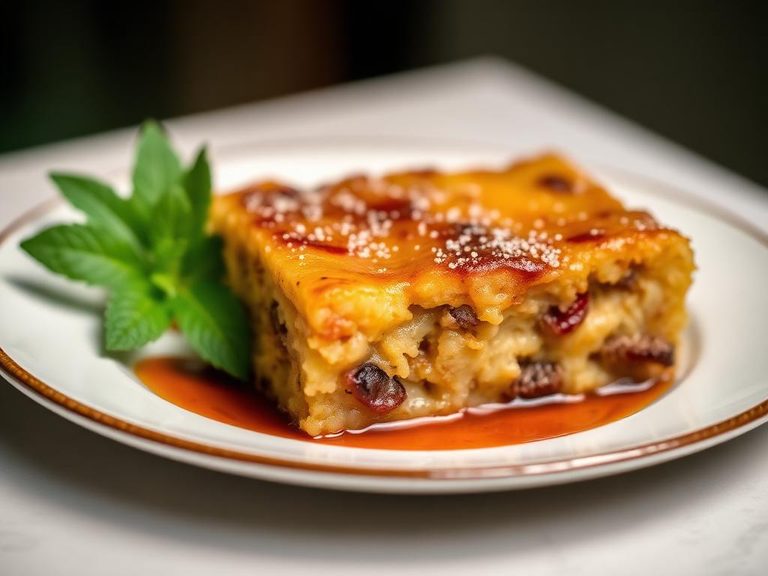
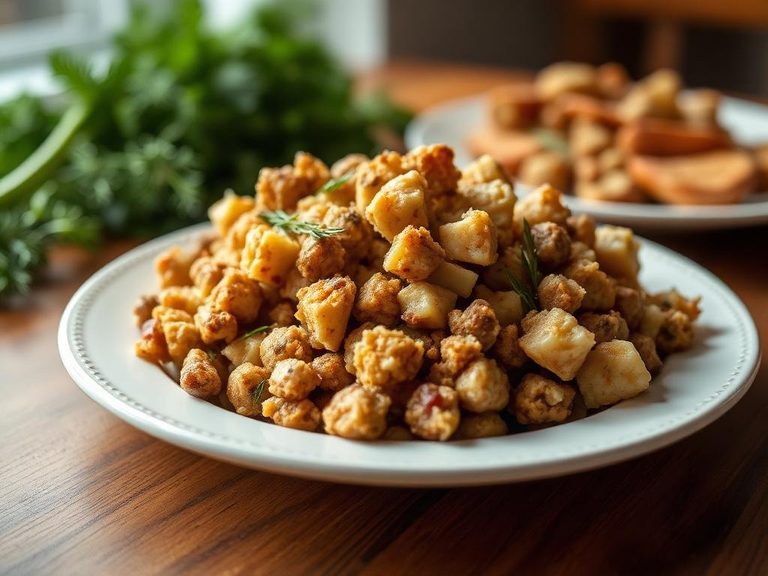
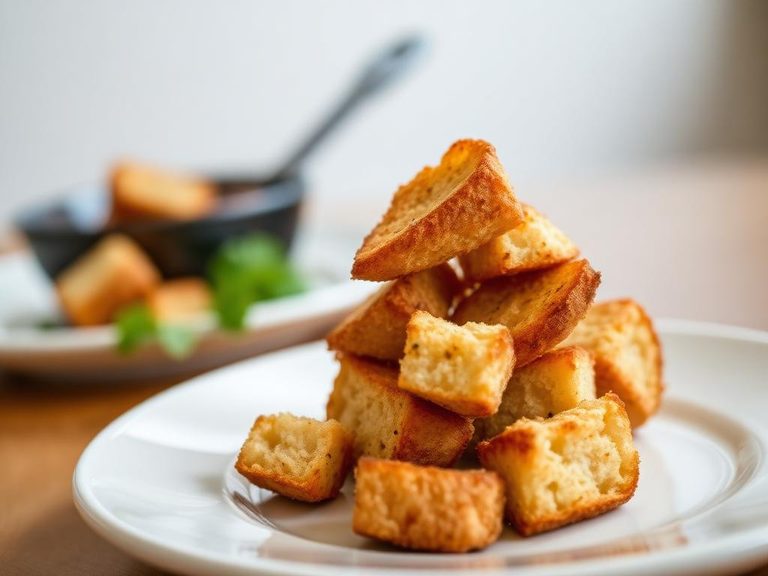
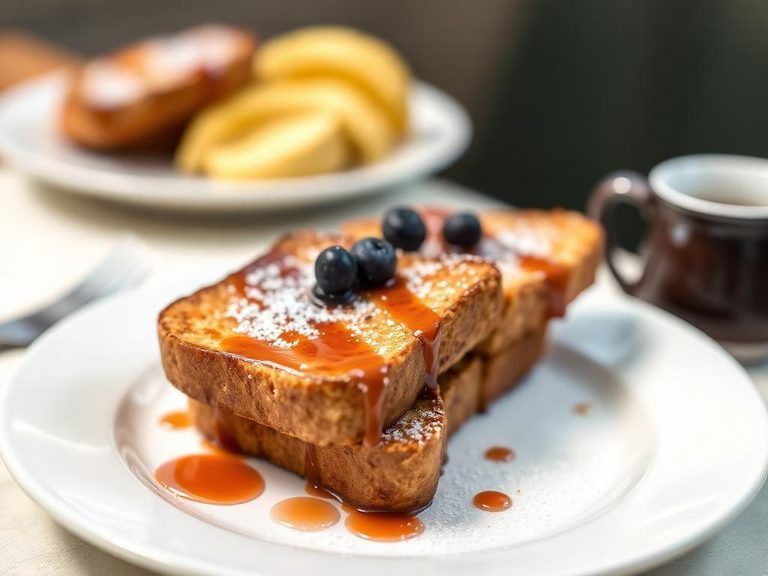
🌍 Where it's eaten
💡 Did you know?
The traditional English muffin is not baked but griddle-cooked, which creates its characteristic nooks and crannies perfect for catching butter and jam.
Full nutrition (USDA data · scales with serving)
| Water | 39.9 g |
| Energy | 230 kcal |
| Protein | 8.2 g |
| Total lipid (fat) | 1.8 g |
| Carbohydrate, by difference | 47.9 g |
| Fiber, total dietary | 4.6 g |
| Total Sugars | 7.3 g |
| Calcium, Ca | 167 mg |
| Iron, Fe | 2.8 mg |
| Magnesium, Mg | 37.0 mg |
| Phosphorus, P | 106 mg |
| Potassium, K | 230 mg |
| Sodium, Na | 323 mg |
| Zinc, Zn | 1.0 mg |
| Copper, Cu | 0.16 mg |
| Selenium, Se | 26.6 ug |
| Vitamin C, total ascorbic acid | 0.20 mg |
| Thiamin | 0.40 mg |
| Riboflavin | 0.28 mg |
| Niacin | 3.1 mg |
| Vitamin B-6 | 0.09 mg |
| Folate, total | 58.0 ug |
| Folic acid | 23.0 ug |
| Folate, food | 36.0 ug |
| Folate, DFE | 74.0 ug |
| Choline, total | 13.5 mg |
| Vitamin B-12 | 0.00 ug |
| Vitamin B-12, added | 0.00 ug |
| Vitamin A, RAE | 0.00 ug |
| Retinol | 0.00 ug |
| Carotene, beta | 2.0 ug |
| Carotene, alpha | 0.00 ug |
| Cryptoxanthin, beta | 0.00 ug |
| Lycopene | 0.00 ug |
| Lutein + zeaxanthin | 84.0 ug |
| Vitamin E (alpha-tocopherol) | 0.42 mg |
| Vitamin E, added | 0.00 mg |
| Vitamin D (D2 + D3) | 0.00 ug |
| Vitamin K (phylloquinone) | 1.0 ug |
| Alcohol, ethyl | 0.00 g |
| Caffeine | 0.00 mg |
| Theobromine | 0.00 mg |
Fat & fatty acid profile (per 100g)
| Fatty acids, total saturated | 0.27 g |
| SFA 4:0 | 0.00 g |
| SFA 6:0 | 0.00 g |
| SFA 8:0 | 0.00 g |
| SFA 10:0 | 0.00 g |
| SFA 12:0 | 0.00 g |
| SFA 14:0 | 0.00 g |
| SFA 16:0 | 0.24 g |
| SFA 18:0 | 0.02 g |
| Fatty acids, total monounsaturated | 0.26 g |
| MUFA 16:1 | 0.03 g |
| MUFA 18:1 | 0.22 g |
| MUFA 20:1 | 0.00 g |
| MUFA 22:1 | 0.00 g |
| Fatty acids, total polyunsaturated | 0.76 g |
| PUFA 18:2 | 0.72 g |
| PUFA 18:3 | 0.04 g |
| PUFA 18:4 | 0.00 g |
| PUFA 20:4 | 0.00 g |
| PUFA 20:5 n-3 (EPA) | 0.00 g |
| PUFA 22:5 n-3 (DPA) | 0.00 g |
| PUFA 22:6 n-3 (DHA) | 0.00 g |
| Cholesterol | 0.00 mg |
Amino acid profile (per 100g)
Estimated from Muffins, blueberry, commercially prepared (Includes mini-muffins) — USDA does not publish this profile for Muffin.
| Tryptophan | 0.07 g |
| Threonine | 0.18 g |
| Isoleucine | 0.22 g |
| Leucine | 0.42 g |
| Lysine | 0.20 g |
| Methionine | 0.12 g |
| Cystine | 0.11 g |
| Phenylalanine | 0.28 g |
| Tyrosine | 0.18 g |
| Valine | 0.26 g |
| Arginine | 0.24 g |
| Histidine | 0.13 g |
| Alanine | 0.21 g |
| Aspartic acid | 0.32 g |
| Glutamic acid | 1.5 g |
| Glycine | 0.19 g |
| Proline | 0.54 g |
| Serine | 0.30 g |
| Hydroxyproline | 0.00 g |
FAQ
Is a whole wheat English muffin healthier than a white one?
Generally, yes. The whole wheat version provides more fiber, which aids digestion and helps you feel full longer, along with more vitamins and minerals from the whole grain.
Why are English muffins split with a fork instead of a knife?
Splitting with a fork preserves the muffin's unique, irregular interior texture ('nooks and crannies'), which is ideal for holding melted butter, jam, or egg yolk.
Can I freeze English muffins?
Absolutely. They freeze exceptionally well. Separate the halves, wrap them tightly, and freeze for up to 3 months. Toast directly from frozen for a quick meal.
Nutrient density (calculated · NRF9.3)
Nutrient Rich Foods index: beneficial nutrients (protein, fiber, vitamins, minerals) minus saturated fat, added sugar & sodium, per 100 kcal.
NRF9.3 index — Fulgoni, Keast & Drewnowski, 2009. Computed from USDA nutrients.
Weight-loss friendliness (composite index)
Energy density 2.30 kcal/g · 14% calories from protein · 4.6 g fiber · 7.3 g sugar per 100 g.
Composite of energy density (Rolls et al., 1999), protein & fiber satiety, minus sugar. A calculated heuristic — ranks satiety-per-calorie, not a clinical measure.
Dietary load (calculated from USDA values)
Potential renal acid load. Positive = acid-forming, negative = alkaline-forming.
Sodium-to-potassium ratio: 1.40 (lower is better — aim for ≤ 1)
Sodium:potassium per WHO potassium guidance. Computed from USDA nutrients.