

Mixed nuts, unroasted
Common food
A raw, unroasted medley of tree nuts like almonds, cashews, walnuts, and pecans, offering a clean, earthy flavor and a firm, satisfying crunch. This nutrient-dense snack packs a powerful punch of healthy monounsaturated fats and plant-based protein, making it a cornerstone of whole-food nutrition.
Calorie split: 10% protein · 14% carbs · 75% fat
↓ Full nutrition💚 Why it's loved
People adore the pure, unadulterated nut flavors and the textural variety in each handful. Its extreme versatility makes it a perfect standalone snack, a crunchy salad topper, or the essential base for homemade nut butters and milks.
⚠️ Watch-outs & how to enjoy it better
The high calorie and fat density (54.56g per 100g) means overindulgence is easy, which can hinder weight management goals. As a common allergen, it poses a severe risk for those with nut allergies. To counteract calorie density, practice strict portion control (e.g., a small handful). For those watching blood sugar, the low sugar content is beneficial, but pairing with a fiber-rich fruit like an apple can further stabilize energy.
Key benefits
- Excellent source of heart-healthy monounsaturated and polyunsaturated fats.
- Provides a substantial plant-based protein boost (16.97g per 100g).
- High in dietary fiber (7.2g per 100g) to support digestion and satiety.
- Rich in essential minerals like magnesium, copper, and manganese.
- Contains no added salt, oils, or sugars, preserving its natural nutritional profile.
🍽️ Popular dishes
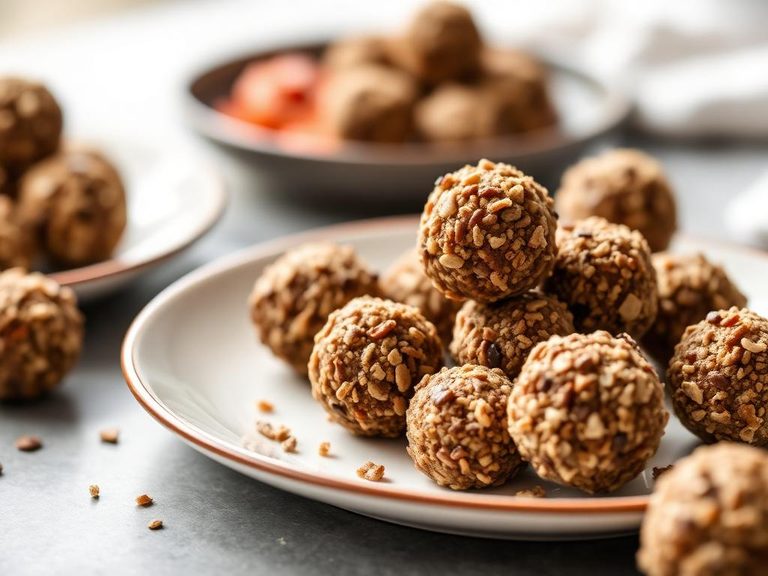
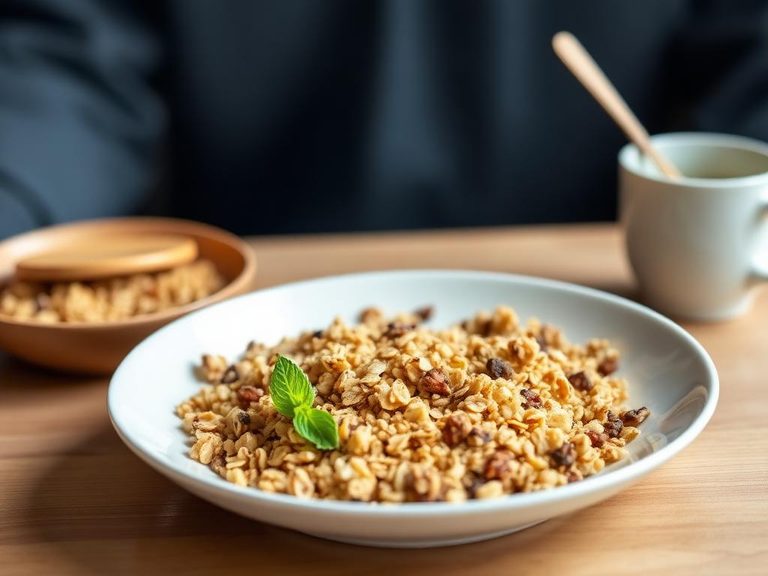
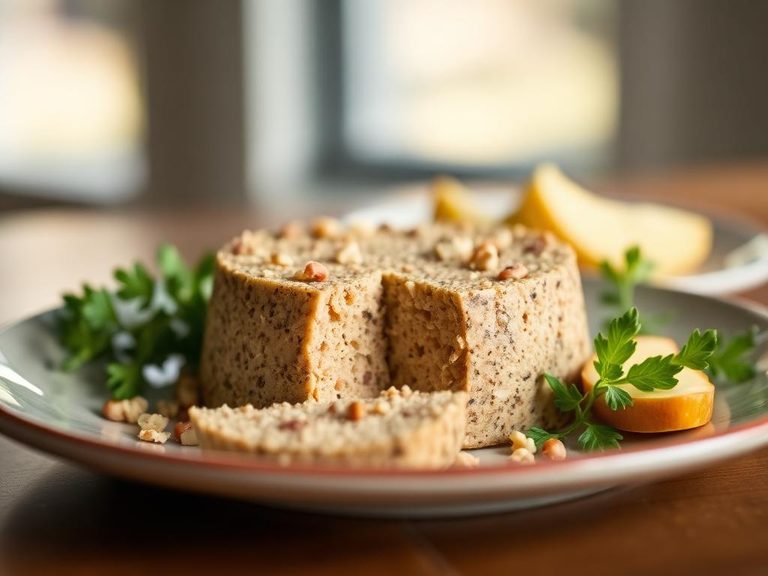
🌍 Where it's eaten
💡 Did you know?
Unroasted nuts contain slightly more water-soluble B-vitamins than their roasted counterparts, which can be diminished by the high heat of the roasting process.
Full nutrition (USDA data · scales with serving)
| Water | 2.5 g |
| Energy | 616 kcal |
| Protein | 17.0 g |
| Total lipid (fat) | 54.6 g |
| Carbohydrate, by difference | 22.9 g |
| Fiber, total dietary | 7.2 g |
| Total Sugars | 4.7 g |
| Calcium, Ca | 137 mg |
| Iron, Fe | 4.2 mg |
| Magnesium, Mg | 236 mg |
| Phosphorus, P | 458 mg |
| Potassium, K | 634 mg |
| Sodium, Na | 7.0 mg |
| Zinc, Zn | 4.0 mg |
| Copper, Cu | 1.6 mg |
| Selenium, Se | 147 ug |
| Vitamin C, total ascorbic acid | 0.90 mg |
| Thiamin | 0.29 mg |
| Riboflavin | 0.49 mg |
| Niacin | 2.0 mg |
| Vitamin B-6 | 0.32 mg |
| Folate, total | 62.0 ug |
| Folic acid | 0.00 ug |
| Folate, food | 62.0 ug |
| Folate, DFE | 62.0 ug |
| Choline, total | 52.3 mg |
| Vitamin B-12 | 0.00 ug |
| Vitamin B-12, added | 0.00 ug |
| Vitamin A, RAE | 1.0 ug |
| Retinol | 0.00 ug |
| Carotene, beta | 16.0 ug |
| Carotene, alpha | 0.00 ug |
| Cryptoxanthin, beta | 1.0 ug |
| Lycopene | 0.00 ug |
| Lutein + zeaxanthin | 102 ug |
| Vitamin E (alpha-tocopherol) | 9.7 mg |
| Vitamin E, added | 0.00 mg |
| Vitamin D (D2 + D3) | 0.00 ug |
| Vitamin K (phylloquinone) | 13.4 ug |
| Alcohol, ethyl | 0.00 g |
| Caffeine | 0.00 mg |
| Theobromine | 0.00 mg |
Fat & fatty acid profile (per 100g)
| Fatty acids, total saturated | 7.0 g |
| SFA 4:0 | 0.00 g |
| SFA 6:0 | 0.00 g |
| SFA 8:0 | 0.04 g |
| SFA 10:0 | 0.04 g |
| SFA 12:0 | 0.25 g |
| SFA 14:0 | 0.12 g |
| SFA 16:0 | 4.4 g |
| SFA 18:0 | 2.0 g |
| Fatty acids, total monounsaturated | 29.6 g |
| MUFA 16:1 | 0.24 g |
| MUFA 18:1 | 29.3 g |
| MUFA 20:1 | 0.09 g |
| MUFA 22:1 | 0.00 g |
| Fatty acids, total polyunsaturated | 15.3 g |
| PUFA 18:2 | 14.2 g |
| PUFA 18:3 | 0.82 g |
| PUFA 18:4 | 0.00 g |
| PUFA 20:4 | 0.00 g |
| PUFA 20:5 n-3 (EPA) | 0.00 g |
| PUFA 22:5 n-3 (DPA) | 0.00 g |
| PUFA 22:6 n-3 (DHA) | 0.00 g |
| Cholesterol | 0.00 mg |
Amino acid profile (per 100g)
Estimated from Nuts, mixed nuts, oil roasted, with peanuts, with salt added — USDA does not publish this profile for Mixed nuts.
| Tryptophan | 0.22 g |
| Threonine | 0.70 g |
| Isoleucine | 0.83 g |
| Leucine | 1.7 g |
| Lysine | 0.78 g |
| Methionine | 0.28 g |
| Cystine | 0.29 g |
| Phenylalanine | 1.2 g |
| Tyrosine | 0.79 g |
| Valine | 1.0 g |
| Arginine | 3.0 g |
| Histidine | 0.57 g |
| Alanine | 0.98 g |
| Aspartic acid | 2.9 g |
| Glutamic acid | 5.6 g |
| Glycine | 1.4 g |
| Proline | 0.96 g |
| Serine | 1.2 g |
FAQ
Are unroasted nuts healthier than roasted?
Unroasted nuts retain more heat-sensitive nutrients like certain B-vitamins and have no added oils or salt. However, roasting can make some nutrients more bioavailable and improves flavor for many people.
How should I store mixed nuts, unroasted?
Due to their high fat content, they can go rancid. Store them in an airtight container in a cool, dark place for short-term use, or in the refrigerator or freezer for longer shelf life.
Can I roast them myself at home?
Absolutely! Spread them on a baking sheet and toast at a low temperature (around 160°C/325°F) for 8-12 minutes, stirring occasionally, until fragrant. This gives you control over the final flavor and avoids additives.
Nutrient density (calculated · NRF9.3)
Nutrient Rich Foods index: beneficial nutrients (protein, fiber, vitamins, minerals) minus saturated fat, added sugar & sodium, per 100 kcal.
NRF9.3 index — Fulgoni, Keast & Drewnowski, 2009. Computed from USDA nutrients.
Weight-loss friendliness (composite index)
Energy density 6.16 kcal/g · 11% calories from protein · 7.2 g fiber · 4.7 g sugar per 100 g.
Composite of energy density (Rolls et al., 1999), protein & fiber satiety, minus sugar. A calculated heuristic — ranks satiety-per-calorie, not a clinical measure.
Dietary load (calculated from USDA values)
Potential renal acid load. Positive = acid-forming, negative = alkaline-forming.
Sodium-to-potassium ratio: 0.01 (lower is better — aim for ≤ 1)
Sodium:potassium per WHO potassium guidance. Computed from USDA nutrients.