

Cashews, unroasted
Common food

Photo: Wikipedia
Unroasted cashews are the raw, creamy kernel of the cashew apple, prized for their buttery, mild sweetness and satisfyingly firm yet yielding texture. Nutritionally, they are a powerhouse of healthy monounsaturated fats and plant-based protein, offering a substantial 46g of fat and 15g of protein per 100g. Their neutral flavor profile makes them a versatile base for both sweet and savory culinary applications.
Calorie split: 10% protein · 21% carbs · 68% fat
↓ Full nutrition💚 Why it's loved
People love cashews for their uniquely rich, buttery flavor and smooth, creamy texture that isn't overly crunchy. Their culinary versatility is unmatched, serving as a base for dairy-free creams, a crunchy snack, or a savory component in global cuisines.
⚠️ Watch-outs & how to enjoy it better
Cashews are a common tree nut allergen and can cause severe reactions in sensitive individuals. They are also high in calories and fats, so portion control is key, and their oxalate content may be a concern for those prone to kidney stones. To counteract, pair with fiber-rich foods, stick to a 1-ounce (28g) serving, and choose unsalted varieties to manage sodium intake.
Key benefits
- Excellent source of heart-healthy monounsaturated fats.
- Provides a substantial plant-based protein boost (15g per 100g).
- Rich in essential minerals like copper, magnesium, and manganese.
- Contains fiber and antioxidants that support overall health.
🍽️ Popular dishes
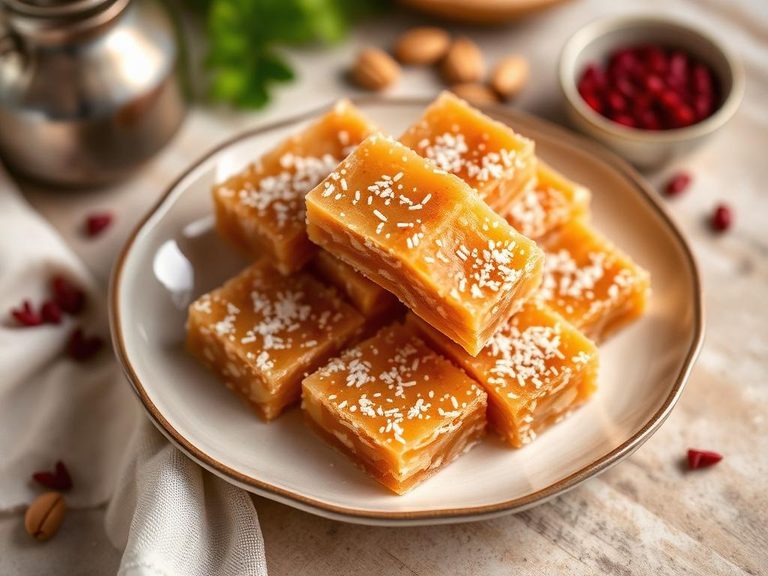
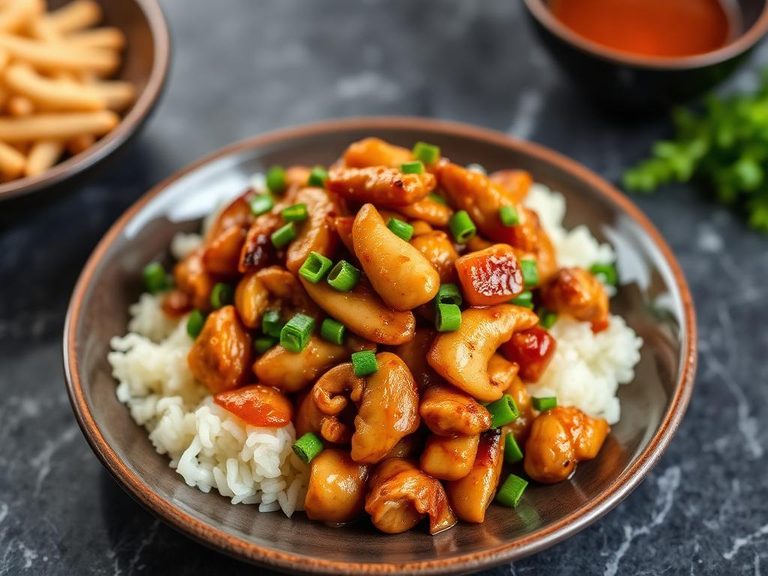
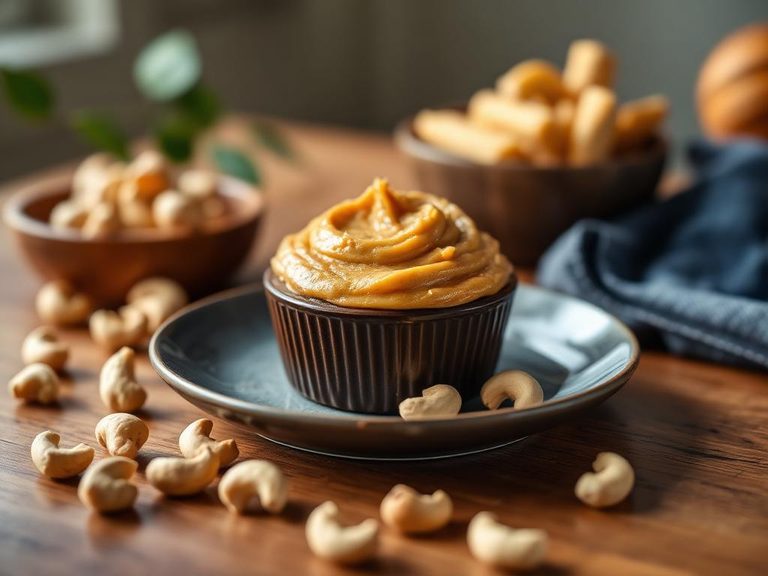
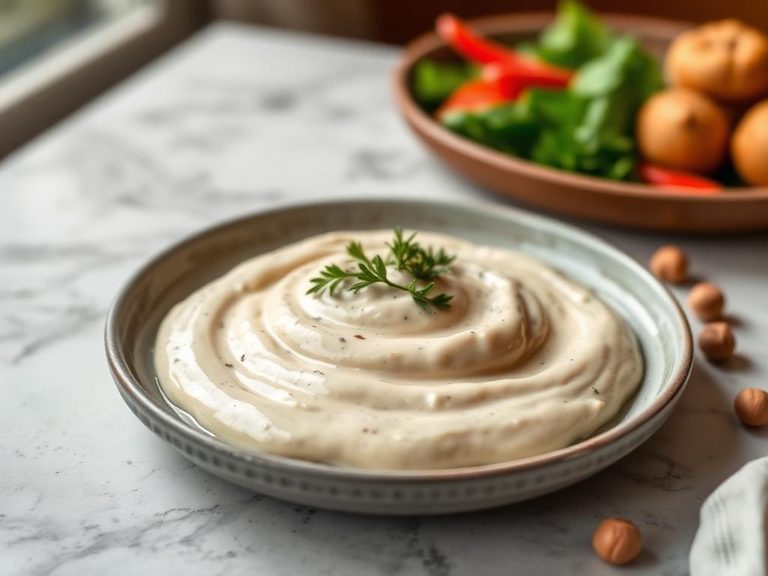
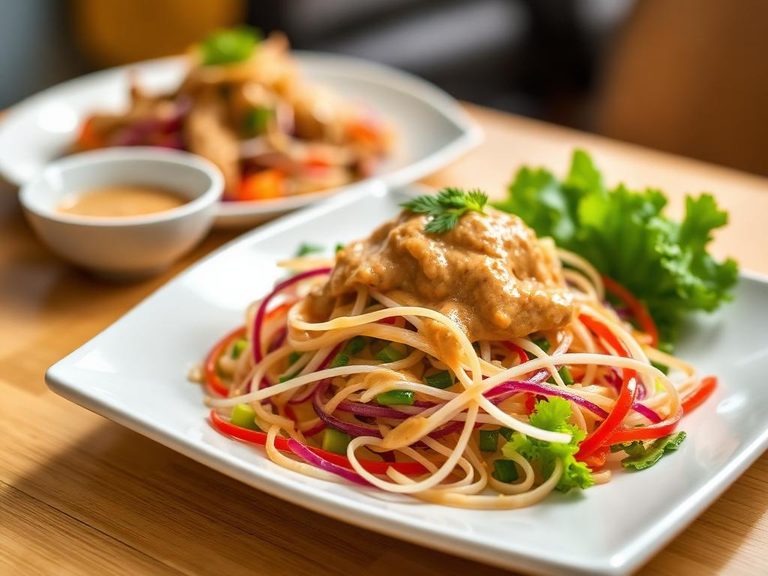
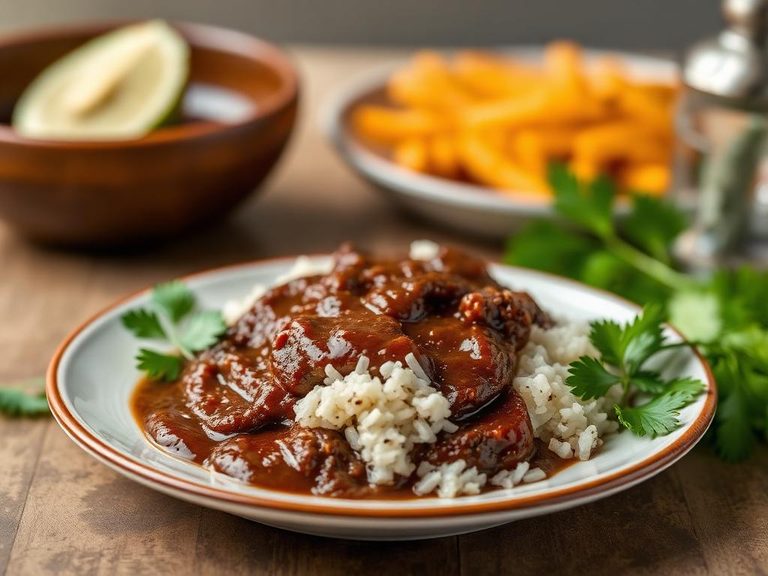
🌍 Where it's eaten
💡 Did you know?
The cashew 'nut' is actually a seed that grows on the outside of a fleshy fruit called the cashew apple, which is highly perishable and rarely exported.
Full nutrition (USDA data · scales with serving)
| Water | 1.7 g |
| Energy | 574 kcal |
| Protein | 15.3 g |
| Total lipid (fat) | 46.4 g |
| Carbohydrate, by difference | 32.7 g |
| Fiber, total dietary | 3.0 g |
| Total Sugars | 5.0 g |
| Calcium, Ca | 45.0 mg |
| Iron, Fe | 6.0 mg |
| Magnesium, Mg | 260 mg |
| Phosphorus, P | 490 mg |
| Potassium, K | 565 mg |
| Sodium, Na | 16.0 mg |
| Zinc, Zn | 5.6 mg |
| Copper, Cu | 2.2 mg |
| Selenium, Se | 11.7 ug |
| Vitamin C, total ascorbic acid | 0.00 mg |
| Thiamin | 0.20 mg |
| Riboflavin | 0.20 mg |
| Niacin | 1.4 mg |
| Vitamin B-6 | 0.26 mg |
| Folate, total | 69.0 ug |
| Folic acid | 0.00 ug |
| Folate, food | 69.0 ug |
| Folate, DFE | 69.0 ug |
| Choline, total | 61.0 mg |
| Vitamin B-12 | 0.00 ug |
| Vitamin B-12, added | 0.00 ug |
| Vitamin A, RAE | 0.00 ug |
| Retinol | 0.00 ug |
| Carotene, beta | 0.00 ug |
| Carotene, alpha | 0.00 ug |
| Cryptoxanthin, beta | 0.00 ug |
| Lycopene | 0.00 ug |
| Lutein + zeaxanthin | 23.0 ug |
| Vitamin E (alpha-tocopherol) | 0.92 mg |
| Vitamin E, added | 0.00 mg |
| Vitamin D (D2 + D3) | 0.00 ug |
| Vitamin K (phylloquinone) | 34.7 ug |
| Alcohol, ethyl | 0.00 g |
| Caffeine | 0.00 mg |
| Theobromine | 0.00 mg |
Fat & fatty acid profile (per 100g)
| Fatty acids, total saturated | 9.2 g |
| SFA 4:0 | 0.00 g |
| SFA 6:0 | 0.00 g |
| SFA 8:0 | 0.13 g |
| SFA 10:0 | 0.13 g |
| SFA 12:0 | 0.78 g |
| SFA 14:0 | 0.35 g |
| SFA 16:0 | 4.4 g |
| SFA 18:0 | 3.0 g |
| Fatty acids, total monounsaturated | 27.3 g |
| MUFA 16:1 | 0.32 g |
| MUFA 18:1 | 26.8 g |
| MUFA 20:1 | 0.14 g |
| MUFA 22:1 | 0.00 g |
| Fatty acids, total polyunsaturated | 7.8 g |
| PUFA 18:2 | 7.7 g |
| PUFA 18:3 | 0.16 g |
| PUFA 18:4 | 0.00 g |
| PUFA 20:4 | 0.00 g |
| PUFA 20:5 n-3 (EPA) | 0.00 g |
| PUFA 22:5 n-3 (DPA) | 0.00 g |
| PUFA 22:6 n-3 (DHA) | 0.00 g |
| Cholesterol | 0.00 mg |
FAQ
What is the difference between raw and roasted cashews?
Raw cashews are uncooked and have a milder, creamier flavor and softer texture. Roasted cashews are heated, which enhances their nutty flavor, makes them crunchier, and can slightly reduce their moisture content.
Are cashews healthy for you?
Yes, in moderation. They are rich in heart-healthy monounsaturated fats, protein, and minerals like magnesium and copper. However, they are calorie-dense, so a standard 1-ounce (28g) serving is recommended.
Can I eat cashews on a keto diet?
Yes, cashews are relatively low in carbs compared to other nuts, with about 9g of net carbs per ounce. They fit well into a ketogenic diet when consumed in controlled portions.
Nutrient density (calculated · NRF9.3)
Nutrient Rich Foods index: beneficial nutrients (protein, fiber, vitamins, minerals) minus saturated fat, added sugar & sodium, per 100 kcal.
NRF9.3 index — Fulgoni, Keast & Drewnowski, 2009. Computed from USDA nutrients.
Weight-loss friendliness (composite index)
Energy density 5.74 kcal/g · 11% calories from protein · 3.0 g fiber · 5.0 g sugar per 100 g.
Composite of energy density (Rolls et al., 1999), protein & fiber satiety, minus sugar. A calculated heuristic — ranks satiety-per-calorie, not a clinical measure.
Dietary load (calculated from USDA values)
Potential renal acid load. Positive = acid-forming, negative = alkaline-forming.
Sodium-to-potassium ratio: 0.03 (lower is better — aim for ≤ 1)
Sodium:potassium per WHO potassium guidance. Computed from USDA nutrients.