

Milk, lactose free, whole
Common food

Photo: Wikipedia
This is whole cow's milk with its lactose enzymatically broken down into simpler sugars, making it digestible for those with lactose intolerance. It retains the rich, creamy mouthfeel and slightly sweet, clean flavor of regular whole milk. Nutritionally, it's a powerhouse of high-quality protein and calcium, with a calorie profile nearly identical to its lactose-containing counterpart.
Calorie split: 22% protein · 31% carbs · 48% fat
↓ Full nutrition💚 Why it's loved
People love it for delivering the full, satisfying taste and nutritional benefits of whole milk without the digestive distress of lactose intolerance. Its versatility makes it a seamless substitute in coffee, cereal, baking, and cooking.
⚠️ Watch-outs & how to enjoy it better
The added lactase enzyme can give it a slightly sweeter taste than regular milk, which some find less authentic. As a dairy product, it remains a common allergen for those with milk protein allergies, not just lactose intolerance. To manage calorie intake from its full-fat content, consider using it in moderation or opting for the reduced-fat version if not specifically needing the whole-fat profile.
Key benefits
- Provides complete protein for muscle maintenance and growth.
- Excellent source of calcium for bone and dental health.
- Naturally contains vitamins A and D (when fortified).
- Lactose-free formulation prevents digestive discomfort for sensitive individuals.
- Offers a balanced mix of fats, proteins, and carbohydrates for sustained energy.
🍽️ Popular dishes
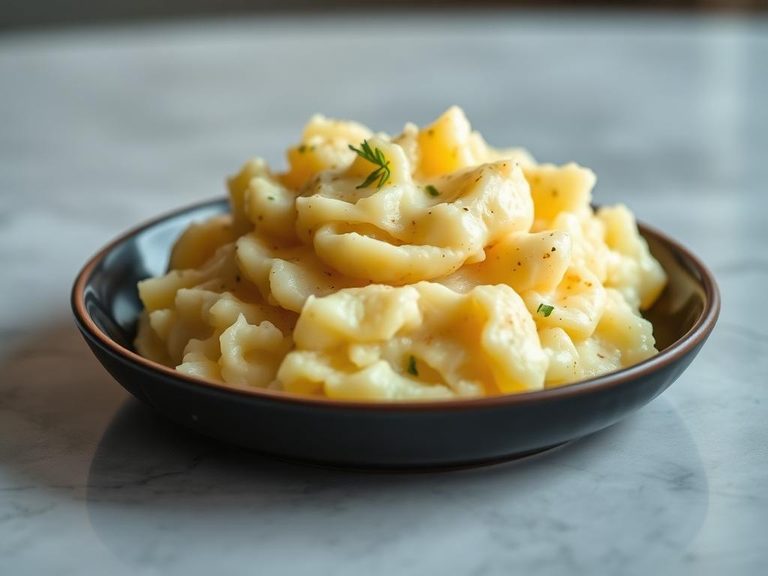


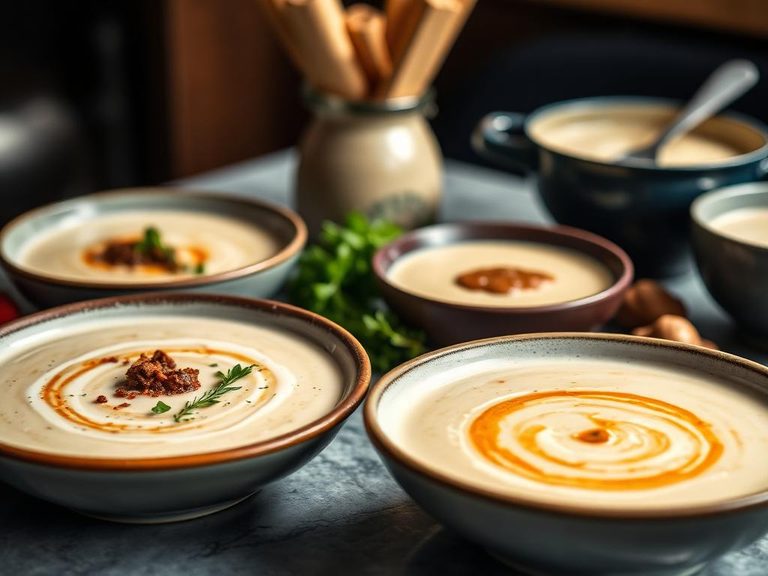
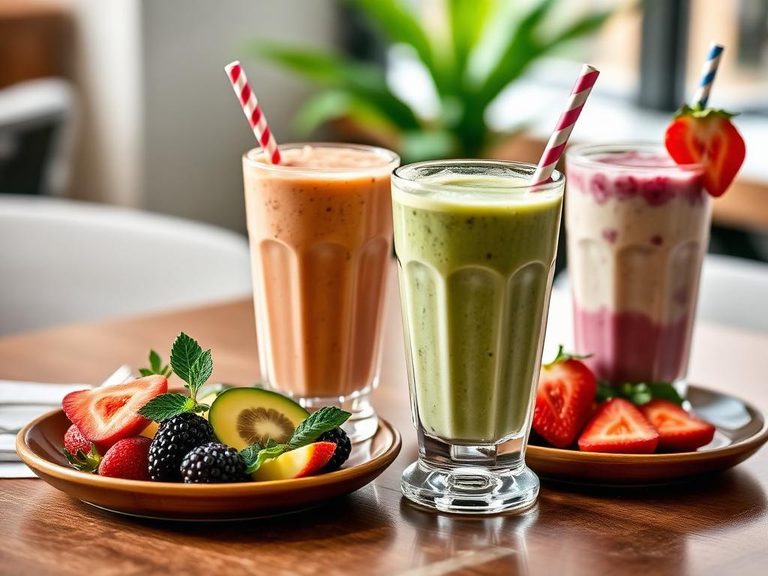
🌍 Where it's eaten
💡 Did you know?
The lactase enzyme used is often derived from fungi like Aspergillus oryzae, and the process doesn't remove the lactose—it pre-digests it into glucose and galactose, which is why the milk tastes a bit sweeter.
Full nutrition (USDA data · scales with serving)
| Water | 88.1 g |
| Energy | 61.0 kcal |
| Protein | 3.3 g |
| Total lipid (fat) | 3.2 g |
| Carbohydrate, by difference | 4.6 g |
| Fiber, total dietary | 0.00 g |
| Total Sugars | 4.8 g |
| Calcium, Ca | 123 mg |
| Iron, Fe | 0.00 mg |
| Magnesium, Mg | 12.0 mg |
| Phosphorus, P | 101 mg |
| Potassium, K | 150 mg |
| Sodium, Na | 38.0 mg |
| Zinc, Zn | 0.42 mg |
| Copper, Cu | 0.00 mg |
| Selenium, Se | 1.9 ug |
| Vitamin C, total ascorbic acid | 0.00 mg |
| Thiamin | 0.06 mg |
| Riboflavin | 0.14 mg |
| Niacin | 0.10 mg |
| Vitamin B-6 | 0.06 mg |
| Folate, total | 0.00 ug |
| Folic acid | 0.00 ug |
| Folate, food | 0.00 ug |
| Folate, DFE | 0.00 ug |
| Choline, total | 17.8 mg |
| Vitamin B-12 | 0.54 ug |
| Vitamin B-12, added | 0.00 ug |
| Vitamin A, RAE | 32.0 ug |
| Retinol | 31.0 ug |
| Carotene, beta | 7.0 ug |
| Carotene, alpha | 0.00 ug |
| Cryptoxanthin, beta | 0.00 ug |
| Lycopene | 0.00 ug |
| Lutein + zeaxanthin | 0.00 ug |
| Vitamin E (alpha-tocopherol) | 0.05 mg |
| Vitamin E, added | 0.00 mg |
| Vitamin D (D2 + D3) | 1.1 ug |
| Vitamin K (phylloquinone) | 0.30 ug |
| Alcohol, ethyl | 0.00 g |
| Caffeine | 0.00 mg |
| Theobromine | 0.00 mg |
Fat & fatty acid profile (per 100g)
| Fatty acids, total saturated | 1.9 g |
| SFA 4:0 | 0.07 g |
| SFA 6:0 | 0.05 g |
| SFA 8:0 | 0.03 g |
| SFA 10:0 | 0.08 g |
| SFA 12:0 | 0.10 g |
| SFA 14:0 | 0.30 g |
| SFA 16:0 | 0.86 g |
| SFA 18:0 | 0.31 g |
| Fatty acids, total monounsaturated | 0.69 g |
| MUFA 16:1 | 0.05 g |
| MUFA 18:1 | 0.69 g |
| MUFA 20:1 | 0.00 g |
| MUFA 22:1 | 0.00 g |
| Fatty acids, total polyunsaturated | 0.11 g |
| PUFA 18:2 | 0.12 g |
| PUFA 18:3 | 0.01 g |
| PUFA 18:4 | 0.00 g |
| PUFA 20:4 | 0.00 g |
| PUFA 20:5 n-3 (EPA) | 0.00 g |
| PUFA 22:5 n-3 (DPA) | 0.00 g |
| PUFA 22:6 n-3 (DHA) | 0.00 g |
| Cholesterol | 12.0 mg |
Amino acid profile (per 100g)
Estimated from Potatoes, mashed, prepared from granules, without milk, whole milk and margarine — USDA does not publish this profile for Milk.
| Tryptophan | 0.02 g |
| Threonine | 0.09 g |
| Isoleucine | 0.11 g |
| Leucine | 0.17 g |
| Lysine | 0.15 g |
| Methionine | 0.04 g |
| Cystine | 0.02 g |
| Phenylalanine | 0.10 g |
| Tyrosine | 0.09 g |
| Valine | 0.13 g |
| Arginine | 0.08 g |
| Histidine | 0.05 g |
| Alanine | 0.07 g |
| Aspartic acid | 0.25 g |
| Glutamic acid | 0.39 g |
| Glycine | 0.05 g |
| Proline | 0.15 g |
| Serine | 0.10 g |
FAQ
Is lactose-free milk just regular milk with lactase pills added?
Not exactly. It's regular milk that has had the lactase enzyme added during processing to break down the lactose before you drink it, so no pills are needed.
Does lactose-free milk have more sugar?
It has the same total amount of carbohydrates, but the type changes. The lactose (a complex sugar) is broken down into simpler sugars (glucose and galactose), which taste sweeter, but the overall sugar content by weight is similar.
Can I use it as a 1:1 substitute for regular milk in recipes?
Yes, absolutely. It behaves identically in cooking, baking, and as a beverage, making it a perfect direct substitute.
Nutrient density (calculated · NRF9.3)
Nutrient Rich Foods index: beneficial nutrients (protein, fiber, vitamins, minerals) minus saturated fat, added sugar & sodium, per 100 kcal.
NRF9.3 index — Fulgoni, Keast & Drewnowski, 2009. Computed from USDA nutrients.
Weight-loss friendliness (composite index)
Energy density 0.61 kcal/g · 21% calories from protein · 0.0 g fiber · 4.8 g sugar per 100 g.
Composite of energy density (Rolls et al., 1999), protein & fiber satiety, minus sugar. A calculated heuristic — ranks satiety-per-calorie, not a clinical measure.
Dietary load (calculated from USDA values)
Potential renal acid load. Positive = acid-forming, negative = alkaline-forming.
Sodium-to-potassium ratio: 0.25 (lower is better — aim for ≤ 1)
Sodium:potassium per WHO potassium guidance. Computed from USDA nutrients.